Anita Dongre released her Fall/Winter '26 campaign under the title "Love All," a tennis-inflected meditation on partnership between equals, shot with the clean geometry of a court and the soft symbolism of a volley exchanged between two people who begin, as the sport insists, at zero. Within days, Mehar Toor of Ada by Mehar posted a reel drawing a direct visual line between Dongre's campaign and her own, which had dropped in March. Sachi Raval of Samesisters followed with a claim carrying more weight than most callouts manage, because her brand's tennis campaign, also called Love All, dates back to 2023, and because she says she had sent those very visuals to someone on Dongre's team before this season's shoot ever happened. Diet Sabya, the industry's preferred confessional booth, packaged the whole arc into a numbered recap under the label "Net Net," which is either the most self-aware pun of the year or an accident nobody involved fully clocked.
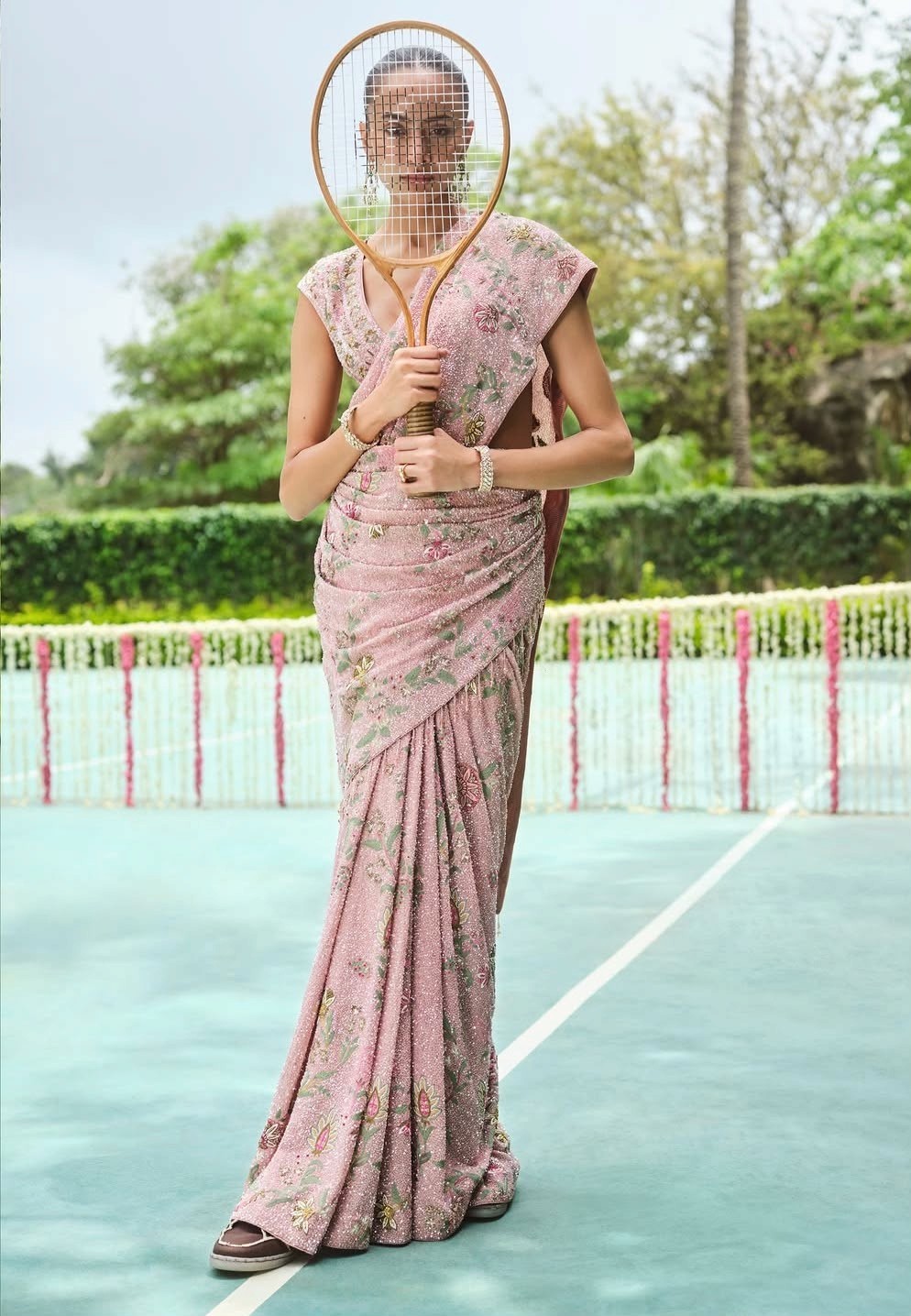

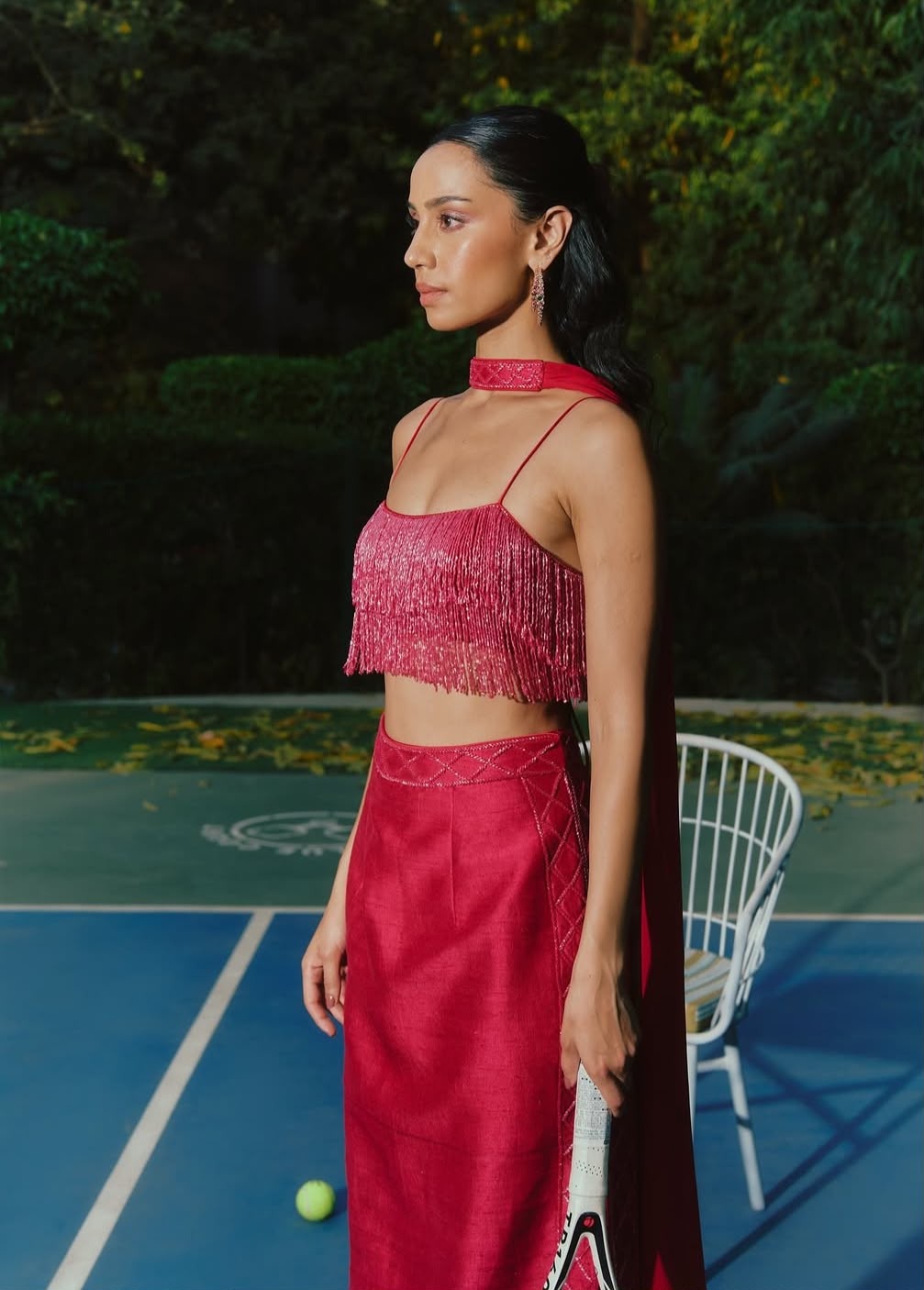
A visual study of three fashion perspectives, brought together in one conversation on originality and influence | Images: Anita Dongre, Same Sisters & Mehar Toor — via Instagram.
Dongre answered with a two-part statement that reads less like a denial and more like an attempt to hold two truths at once, that inspiration is inevitable and that her team's process was independent. She wrote that a theme is not plagiarism, that a location is not plagiarism, that a backdrop is not plagiarism, and she is right about all three in the abstract. Tennis has shared a creative language with fashion for generations, and the sport's own scoring vocabulary, love all, has been sitting in the public domain since long before any of these brands existed. She traced her own decade of returning to love as a motif, listing Epic Love in 2016, Tree of Love in 2017, Jaipur Love in 2019, Love Song in 2020, and A Wildflower in Love in 2021, which is a genuinely persuasive lineage if the question were only about the word. She closed by appealing to solidarity among women-led brands, writing that there is room for many voices and certainly room for love, a line that lands somewhere between generous and convenient depending on which side of the size gap you're standing on.
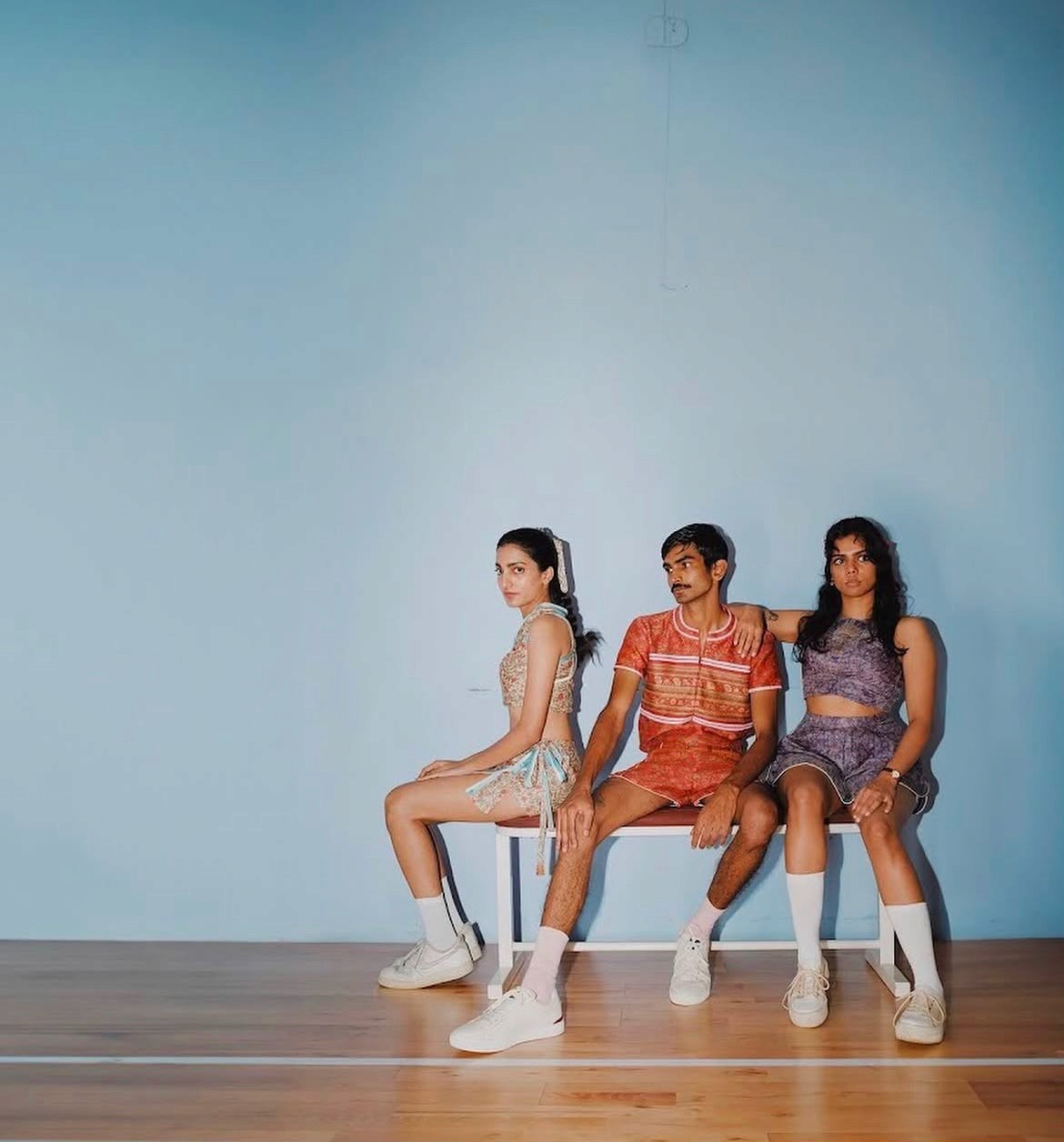
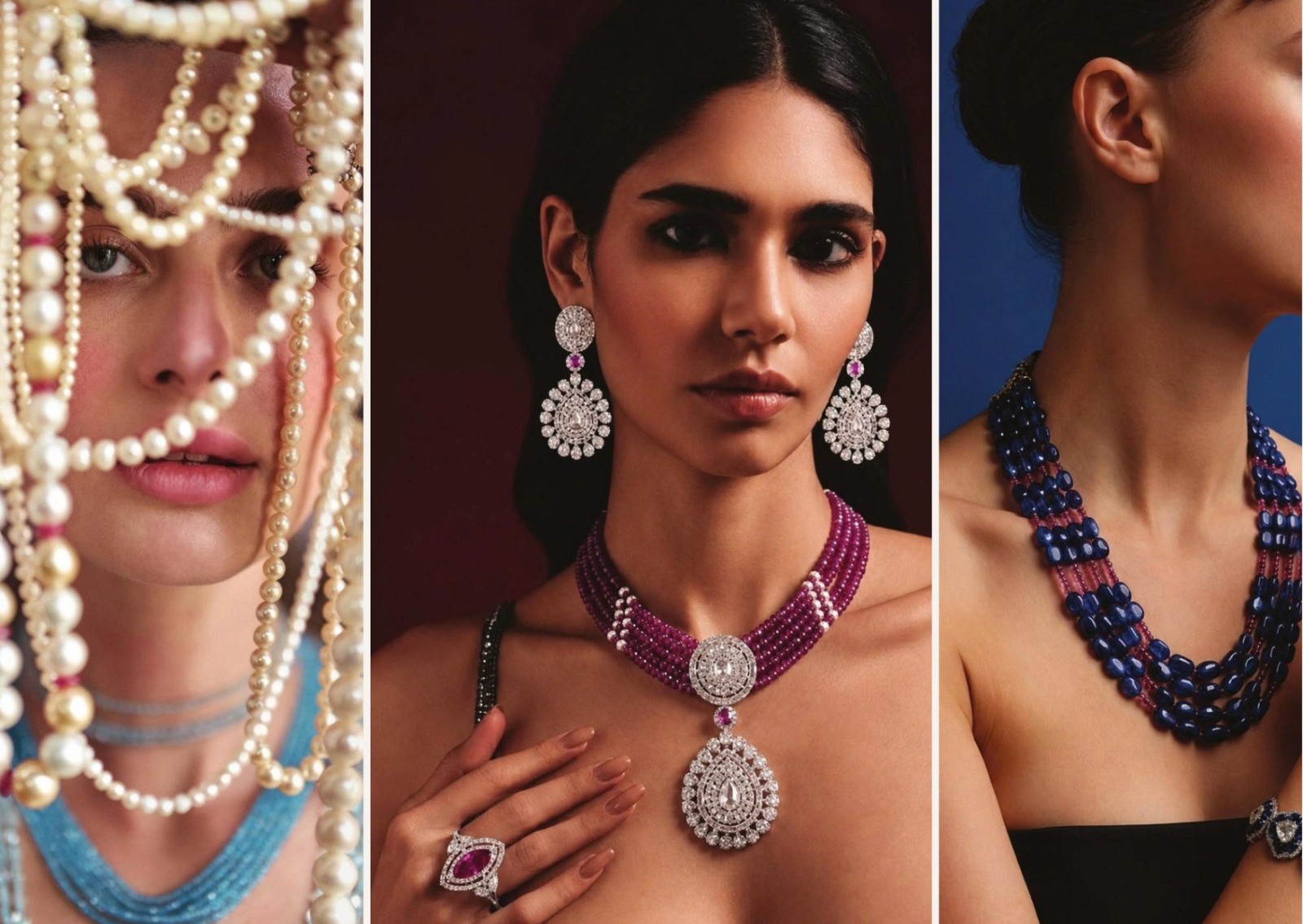
Where traditional textiles meet contemporary sports-luxe: an intimate dialogue on personal identity and shared visual aesthetic. | Image: samesisters__ via Instagram.
Toor's response, posted before Dongre's statement went up, had already anticipated this defense and dismantled its easier version. She agreed that no one owns a location, and then drew the line precisely where it needed to be drawn. A theme is shared territory, she argued, but the replication of execution is not, and she named the specific overlaps she meant: the concepts, the shots, the storytelling, the colour grading, and what she called the overall visual language. That distinction between an idea and its staging is the actual argument here, and it is one the fashion industry has spent decades avoiding because admitting it would mean acknowledging how much of what gets called signature is actually just well-funded repetition. Toor's sharper point sat entirely beneath the visual comparison. She named the asymmetry directly, writing that what saddens her is the sheer lack of regard shown to a smaller brand, and she followed it with the line that will likely outlive the controversy itself: that it is rather flattering to see something perform well enough on Instagram that suddenly everyone wants a piece of the pie.
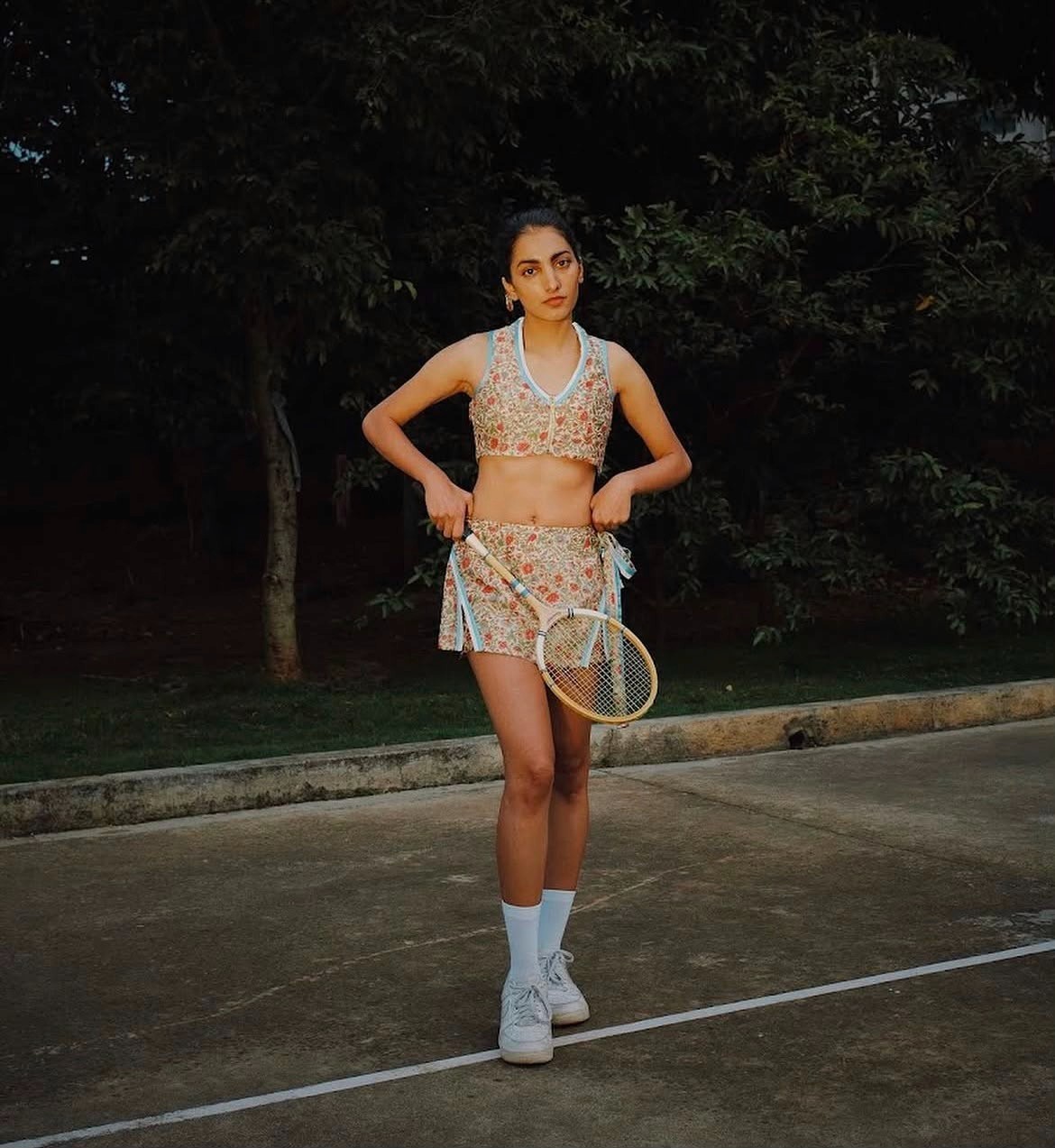
A singular focus on silhouette and movement, blending heritage print design with traditional tennis aesthetics. | Image: samesisters__ via Instagram.
Raval's contribution turns the timeline from suspicious into something closer to documented. A 2023 campaign carrying the identical title, paired with a claim that the visuals reached someone on Dongre's team ahead of this year's shoot, moves the conversation past the usual fog of parallel thinking that every accused designer invokes. Two brands independently landing on a tennis metaphor is a coincidence. Two brands landing on the same title and the same sport, with a documented prior point of contact, is what an editor would call a paper trail.
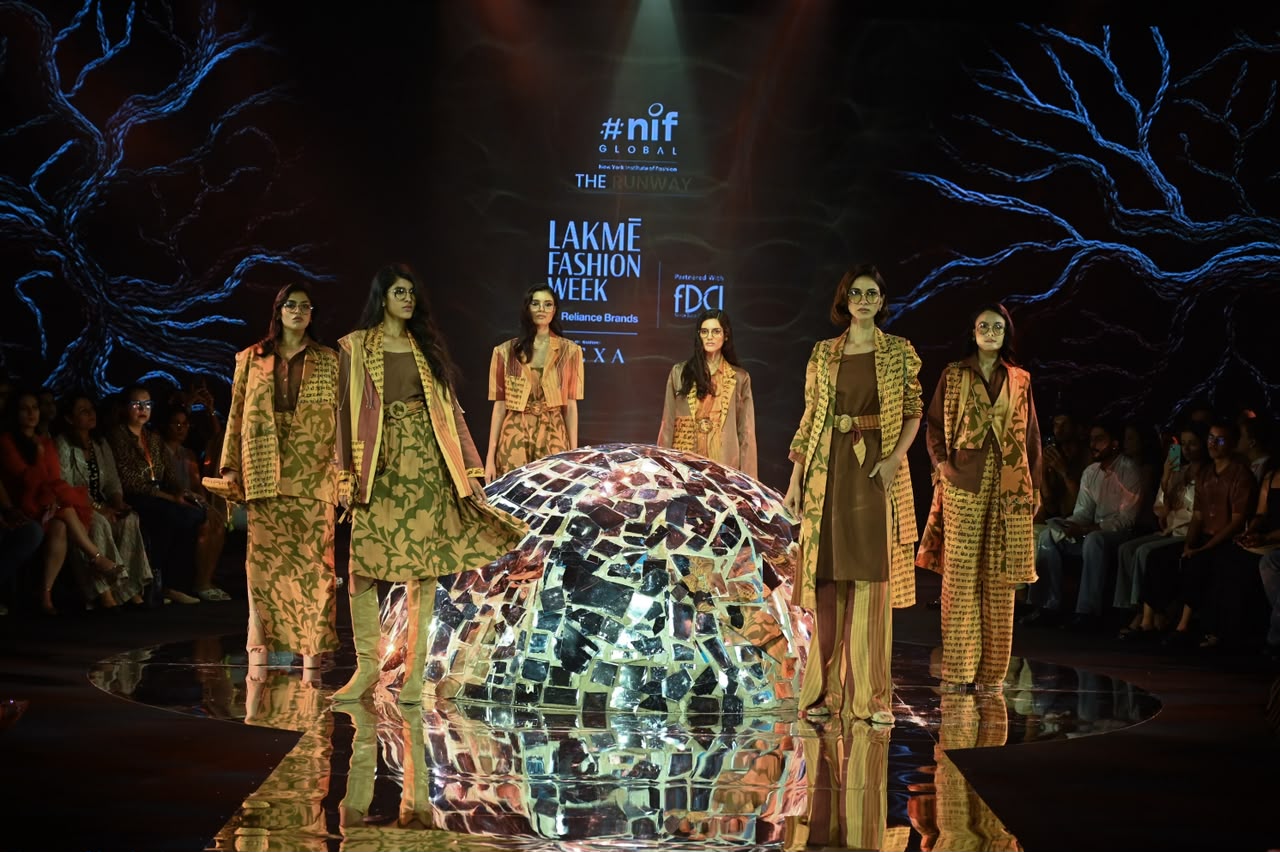
None of this erases what Dongre actually built. The Love All collection carries real craft, from the embroidered cord gowns to the hand-painted Pichhwai silk lehenga sets that anchor House of Anita Dongre's identity, and the campaign's central question, about loving someone who is fully themselves and being loved the same way back, is a genuinely tender premise regardless of who staged it first. Dongre has spent three decades building a house that dresses Kate Middleton, puts artisans on runways as showstoppers rather than as background labour, and turns sustainability into a business philosophy rather than a marketing footnote. A designer with that record does not need to borrow a smaller founder's idea to have a successful season, which is precisely why the accusation stings as much as it does. The bigger the house, the less excuse it has, and the more its silence or its softness reads as power rather than grace.
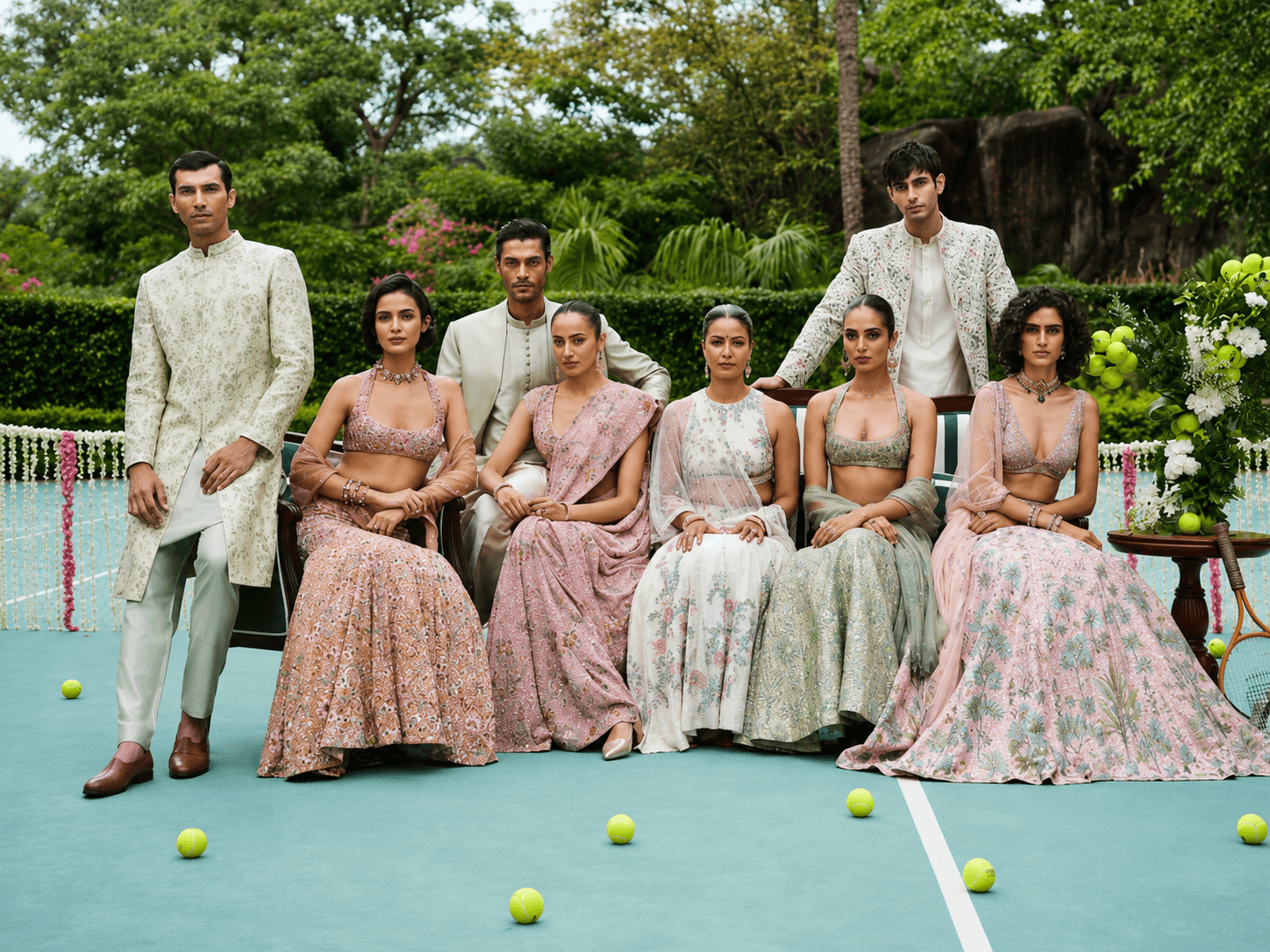
Redefining festive luxury: a collective exploration of form, delicate tone, and modern Indian couture on the court. | Image: anitadongre via Instagram.
That imbalance is the real story beneath this specific spat, and it points to a question the industry keeps declining to answer honestly. Why does fashion, an industry built on the premise of originality as its entire value proposition, keep circling back to the same handful of ideas within months of each other? Some of it is structural. Trend forecasting services feed the same seasonal palettes and silhouettes to every design house on the calendar, so convergence is partly baked into how the business operates before a single sketch gets drawn. Some of it is cultural, since Instagram has flattened the distance between a small independent label and a heritage house into a single scrolling feed, which means everyone is watching everyone else in real time and absorbing references faster than they can metabolise them into something new.
And then there is the newer, stranger variable nobody in fashion wants to name out loud: generative tools like ChatGPT and its image-generating cousins have started functioning as an uncredited moodboard for an entire industry. Ask any AI model for tennis-core campaign concepts, and it will return variations on the same court, the same whites, the same clean geometric framing, because it is trained on the same visual archive everyone else is already pulling from. If two teams brief a similar prompt into a similar tool, the odds of landing on a similar execution stop being a coincidence and start being math. That possibility does not excuse anyone in this particular case, since Raval's timeline suggests a much more direct route than parallel prompting, but it does explain why 2026 keeps producing these standoffs at a pace the industry hasn't seen before. When the well everyone draws from becomes literally the same machine, the water is going to taste the same no matter whose glass it's poured into.
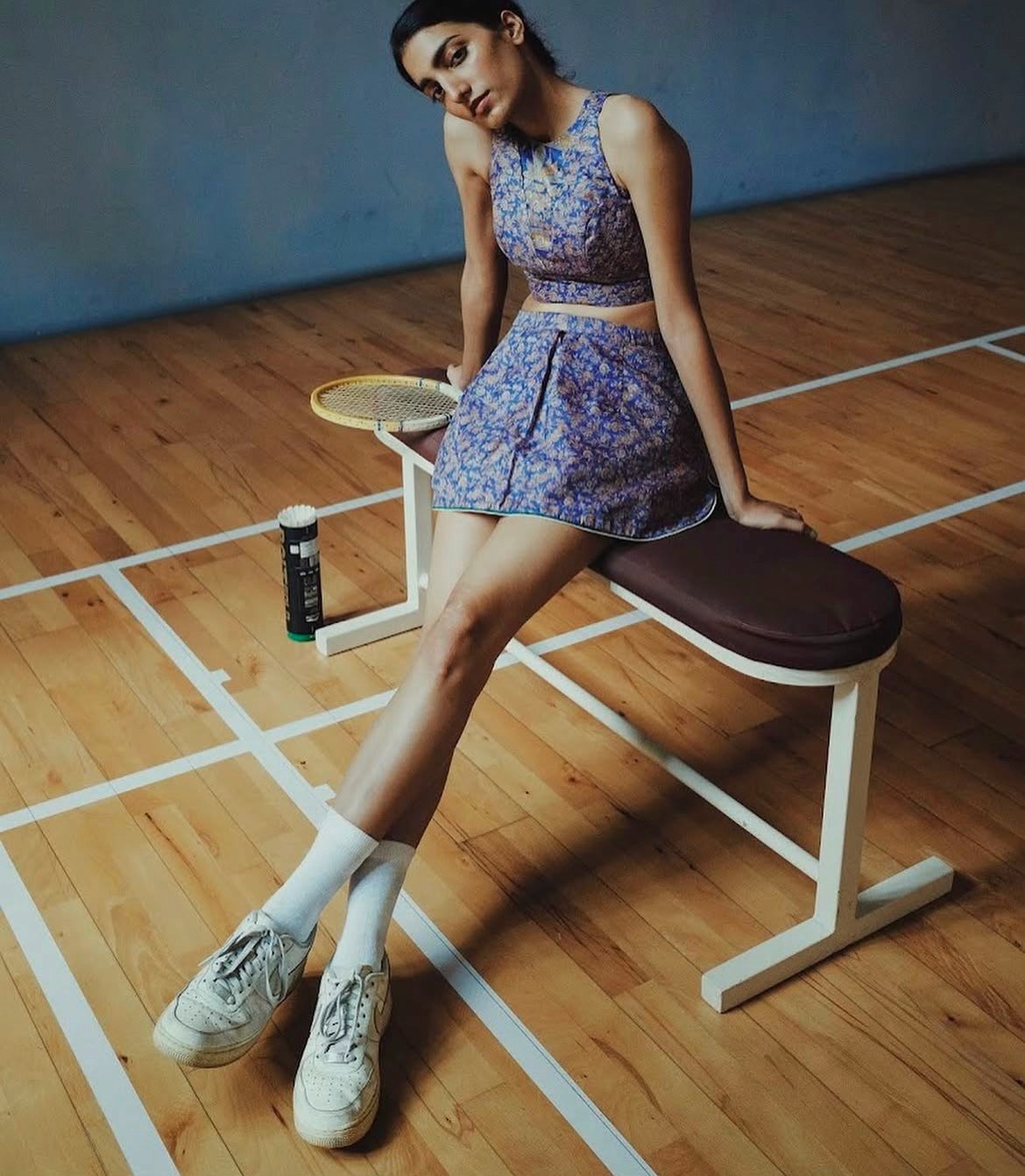

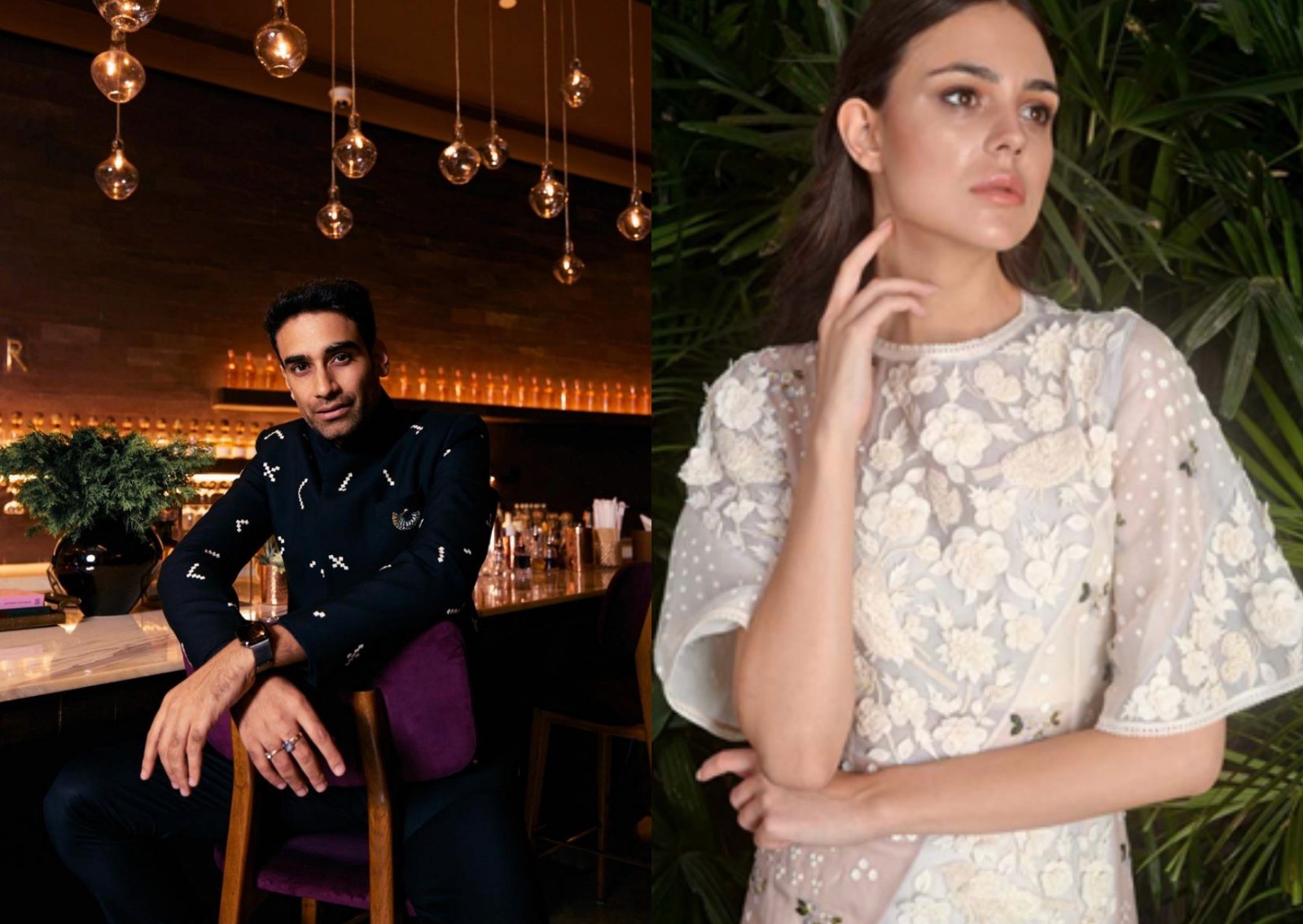
Love All: a quiet dialogue on heritage textiles and vintage court culture, blending traditional craft with modern leisurewear. | Image1: samesisters__ | Image2: adabymehar via Instagram.
What would actually move fashion past this cycle is not another apology thread about love and sisterhood, however sincerely meant. It is a willingness from the houses with power to credit the smaller labels whose ideas they are visibly circling, and a willingness from the industry's coverage to keep asking who got there first even after the bigger name has issued its statement and moved on. Toor said it plainly and it is worth repeating without softening it: a theme is not plagiarism, but the execution is where the truth lives, and that is exactly where this conversation should stay.
TO BE CONTINUED, FOR SUBSCRIBERS ONLY.
This is where the surface ends and the reporting begins.
The complete piece, the full archive, and access to The French Press Circle. Reporting answerable only to its readers.
Already a subscriber ?
Login
Read these on the house, with our compliments.
A selection from the current issue, open to all readers. Read them in full. The rest is one decision away.






Anita Dongre released her Fall/Winter '26 campaign under the title "Love All," a tennis-inflected meditation on partnership between equals, shot with the clean geometry of a court and the soft symbolism of a volley exchanged between two people who begin, as the sport insists, at zero. Within days, Mehar Toor of Ada by Mehar posted a reel drawing a direct visual line between Dongre's campaign and her own, which had dropped in March. Sachi Raval of Samesisters followed with a claim carrying more weight than most callouts manage, because her brand's tennis campaign, also called Love All, dates back to 2023, and because she says she had sent those very visuals to someone on Dongre's team before this season's shoot ever happened. Diet Sabya, the industry's preferred confessional booth, packaged the whole arc into a numbered recap under the label "Net Net," which is either the most self-aware pun of the year or an accident nobody involved fully clocked.
A visual study of three fashion perspectives, brought together in one conversation on originality and influence | Images: Anita Dongre, Same Sisters & Mehar Toor — via Instagram.
Dongre answered with a two-part statement that reads less like a denial and more like an attempt to hold two truths at once, that inspiration is inevitable and that her team's process was independent. She wrote that a theme is not plagiarism, that a location is not plagiarism, that a backdrop is not plagiarism, and she is right about all three in the abstract. Tennis has shared a creative language with fashion for generations, and the sport's own scoring vocabulary, love all, has been sitting in the public domain since long before any of these brands existed. She traced her own decade of returning to love as a motif, listing Epic Love in 2016, Tree of Love in 2017, Jaipur Love in 2019, Love Song in 2020, and A Wildflower in Love in 2021, which is a genuinely persuasive lineage if the question were only about the word. She closed by appealing to solidarity among women-led brands, writing that there is room for many voices and certainly room for love, a line that lands somewhere between generous and convenient depending on which side of the size gap you're standing on.
Where traditional textiles meet contemporary sports-luxe: an intimate dialogue on personal identity and shared visual aesthetic. | Image: samesisters__ via Instagram.
Toor's response, posted before Dongre's statement went up, had already anticipated this defense and dismantled its easier version. She agreed that no one owns a location, and then drew the line precisely where it needed to be drawn. A theme is shared territory, she argued, but the replication of execution is not, and she named the specific overlaps she meant: the concepts, the shots, the storytelling, the colour grading, and what she called the overall visual language. That distinction between an idea and its staging is the actual argument here, and it is one the fashion industry has spent decades avoiding because admitting it would mean acknowledging how much of what gets called signature is actually just well-funded repetition. Toor's sharper point sat entirely beneath the visual comparison. She named the asymmetry directly, writing that what saddens her is the sheer lack of regard shown to a smaller brand, and she followed it with the line that will likely outlive the controversy itself: that it is rather flattering to see something perform well enough on Instagram that suddenly everyone wants a piece of the pie.
A singular focus on silhouette and movement, blending heritage print design with traditional tennis aesthetics. | Image: samesisters__ via Instagram.
Raval's contribution turns the timeline from suspicious into something closer to documented. A 2023 campaign carrying the identical title, paired with a claim that the visuals reached someone on Dongre's team ahead of this year's shoot, moves the conversation past the usual fog of parallel thinking that every accused designer invokes. Two brands independently landing on a tennis metaphor is a coincidence. Two brands landing on the same title and the same sport, with a documented prior point of contact, is what an editor would call a paper trail.
None of this erases what Dongre actually built. The Love All collection carries real craft, from the embroidered cord gowns to the hand-painted Pichhwai silk lehenga sets that anchor House of Anita Dongre's identity, and the campaign's central question, about loving someone who is fully themselves and being loved the same way back, is a genuinely tender premise regardless of who staged it first. Dongre has spent three decades building a house that dresses Kate Middleton, puts artisans on runways as showstoppers rather than as background labour, and turns sustainability into a business philosophy rather than a marketing footnote. A designer with that record does not need to borrow a smaller founder's idea to have a successful season, which is precisely why the accusation stings as much as it does. The bigger the house, the less excuse it has, and the more its silence or its softness reads as power rather than grace.
Redefining festive luxury: a collective exploration of form, delicate tone, and modern Indian couture on the court. | Image: anitadongre via Instagram.
That imbalance is the real story beneath this specific spat, and it points to a question the industry keeps declining to answer honestly. Why does fashion, an industry built on the premise of originality as its entire value proposition, keep circling back to the same handful of ideas within months of each other? Some of it is structural. Trend forecasting services feed the same seasonal palettes and silhouettes to every design house on the calendar, so convergence is partly baked into how the business operates before a single sketch gets drawn. Some of it is cultural, since Instagram has flattened the distance between a small independent label and a heritage house into a single scrolling feed, which means everyone is watching everyone else in real time and absorbing references faster than they can metabolise them into something new.
And then there is the newer, stranger variable nobody in fashion wants to name out loud: generative tools like ChatGPT and its image-generating cousins have started functioning as an uncredited moodboard for an entire industry. Ask any AI model for tennis-core campaign concepts, and it will return variations on the same court, the same whites, the same clean geometric framing, because it is trained on the same visual archive everyone else is already pulling from. If two teams brief a similar prompt into a similar tool, the odds of landing on a similar execution stop being a coincidence and start being math. That possibility does not excuse anyone in this particular case, since Raval's timeline suggests a much more direct route than parallel prompting, but it does explain why 2026 keeps producing these standoffs at a pace the industry hasn't seen before. When the well everyone draws from becomes literally the same machine, the water is going to taste the same no matter whose glass it's poured into.
Love All: a quiet dialogue on heritage textiles and vintage court culture, blending traditional craft with modern leisurewear. | Image1: samesisters__ | Image2: adabymehar via Instagram.
What would actually move fashion past this cycle is not another apology thread about love and sisterhood, however sincerely meant. It is a willingness from the houses with power to credit the smaller labels whose ideas they are visibly circling, and a willingness from the industry's coverage to keep asking who got there first even after the bigger name has issued its statement and moved on. Toor said it plainly and it is worth repeating without softening it: a theme is not plagiarism, but the execution is where the truth lives, and that is exactly where this conversation should stay.
TO BE CONTINUED, FOR SUBSCRIBERS ONLY.
This is where the surface ends and the reporting begins.
The complete piece, the full archive, and access to The French Press Circle. Reporting answerable only to its readers.
Already a subscriber ?
Login
Read these on the house, with our compliments.
A selection from the current issue, open to all readers. Read them in full. The rest is one decision away.