
For seventeen days in July, the Metropolitan Museum of Art was prepared to spend its most sacred cultural real estate, the Costume Institute's spring exhibition and the Gala that anoints it, on a man who once told a stranger in a Paris bar that he loved Hitler. A spreadsheet is what actually ended "John Galliano: Horizons," not conscience, and that distinction is the whole story.
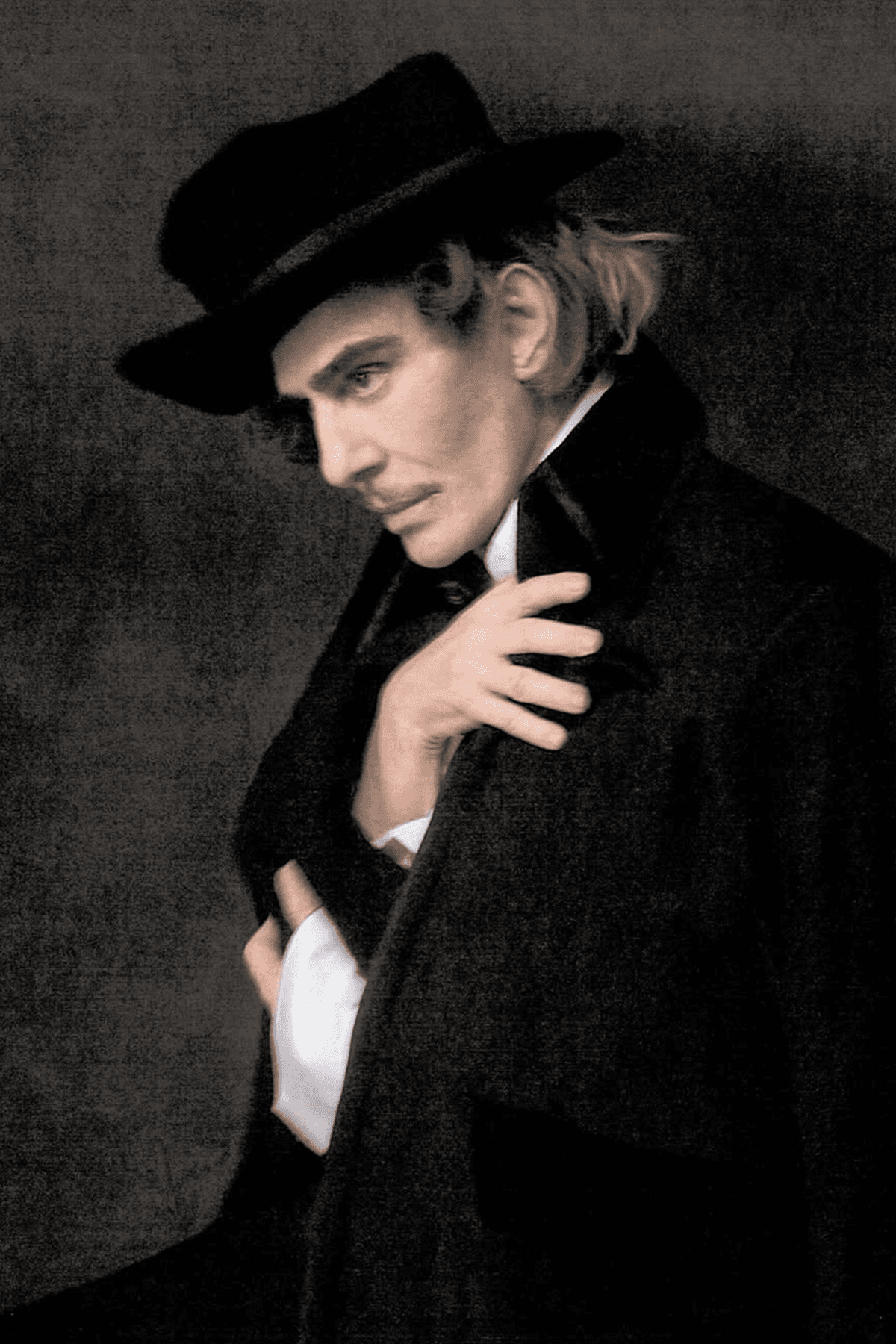
John Galliano Met Retrospective Cancelled | Image Source: BOF
The exhibition, announced this July as only the third solo retrospective the Met has ever granted a living designer, following Yves Saint Laurent in 1983 and Rei Kawakubo in 2017, was framed by curator Andrew Bolton as an honest reckoning with the pain caused by Galliano's words, treating atonement as an ongoing process rather than a single exhibition. Bolton's language was careful, even dignified. The real problem was that sincerity was allowed to substitute for scrutiny, and nobody in the room thought to check what date the first Monday of May 2027 actually fell on.
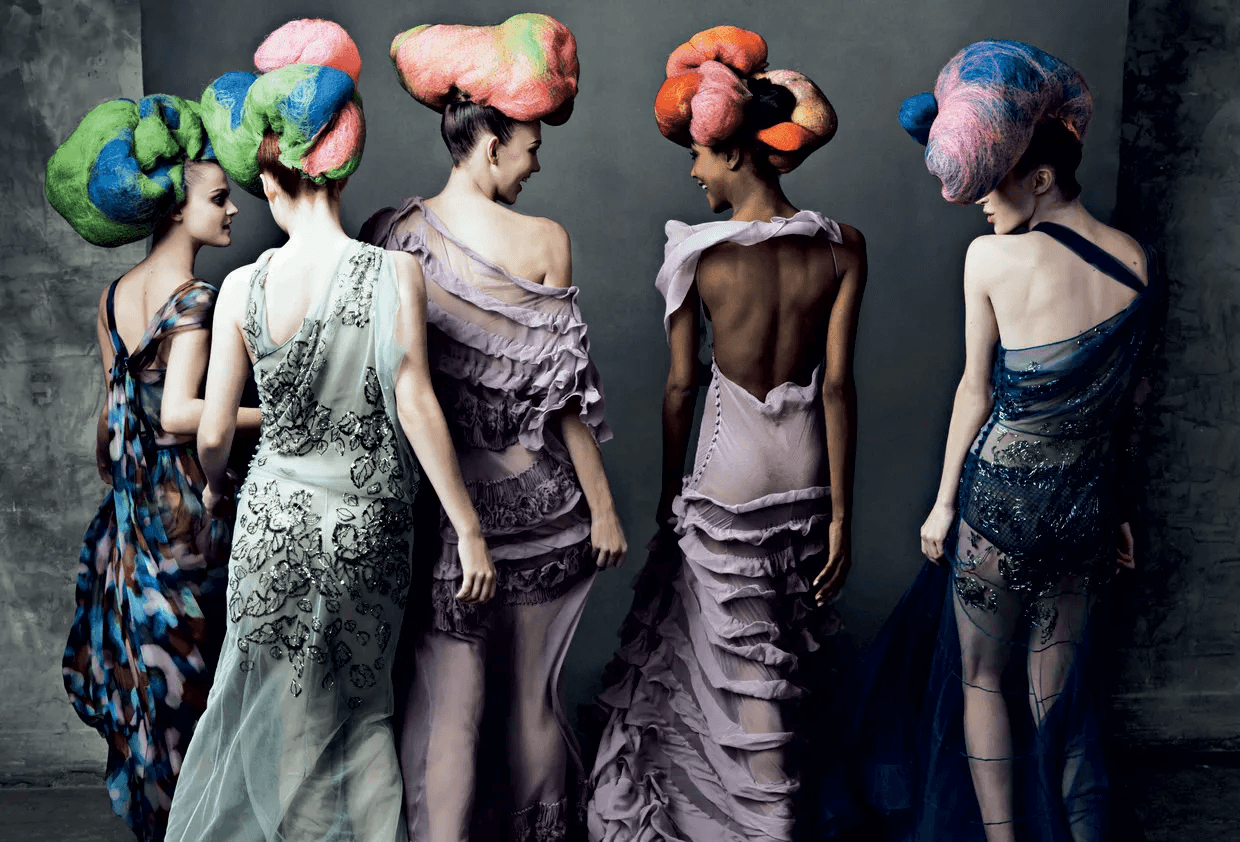
A surreal take on couture, where sculptural headpieces and dramatic silhouettes transform fashion into art. | Source Image: Vogue
It fell on Yom HaShoah. Israel's Holocaust and Heroism Remembrance Day, the day flags lower and the country stops moving for two minutes at the sound of a siren, landed on the same calendar square as a party built to launder a man convicted of an antisemitic hate crime. The backlash is what surfaced that collision for the museum, loud enough that the institution finally noticed what its own calendar had been saying since July.
That sequencing is the story French Press is interested in, because it inverts the version everyone else has told. The headlines have framed this as a victory of conscience: the institution confronts its mistake, the designer atones, the exhibition falls. Read the timeline closer, and a less flattering shape emerges. New York City Council Speaker Julie Menin, who has described herself as the daughter of a Holocaust survivor, wrote directly to Anna Wintour and the museum, calling the decision to honour Galliano a mistake that reflected on the museum's standard of inclusiveness. Her letter carried moral weight. Donor pressure carried consequences, and according to reporting cited across multiple outlets, financial backers began contacting Met executives and threatening to pull their gifts if the exhibition proceeded, a threat that, layered onto the date collision and the mounting political pressure, is what actually pushed trustees to start "mulling" a Gala date change. The moral case had been sitting on the table since July. The money is what moved it.
Galliano's own exit statement did the emotional work the institution declined to do publicly. He wrote that he remained fully accountable for the pain his words caused, and that he did not want the controversy to distract from the Costume Institute's work, closing with the acknowledgement that an exhibition honouring him would understandably be painful for some. It is, by the standard of celebrity apologies, an unusually contained one. He absorbed the fall so the institution wouldn't have to explain itself. Wintour's response was to call his withdrawal courageous, which is a curious adjective to apply to a man declining an honour he should never have been offered, and a more curious one than any word acknowledging why donors and a Council Speaker had to force the issue in the first place.
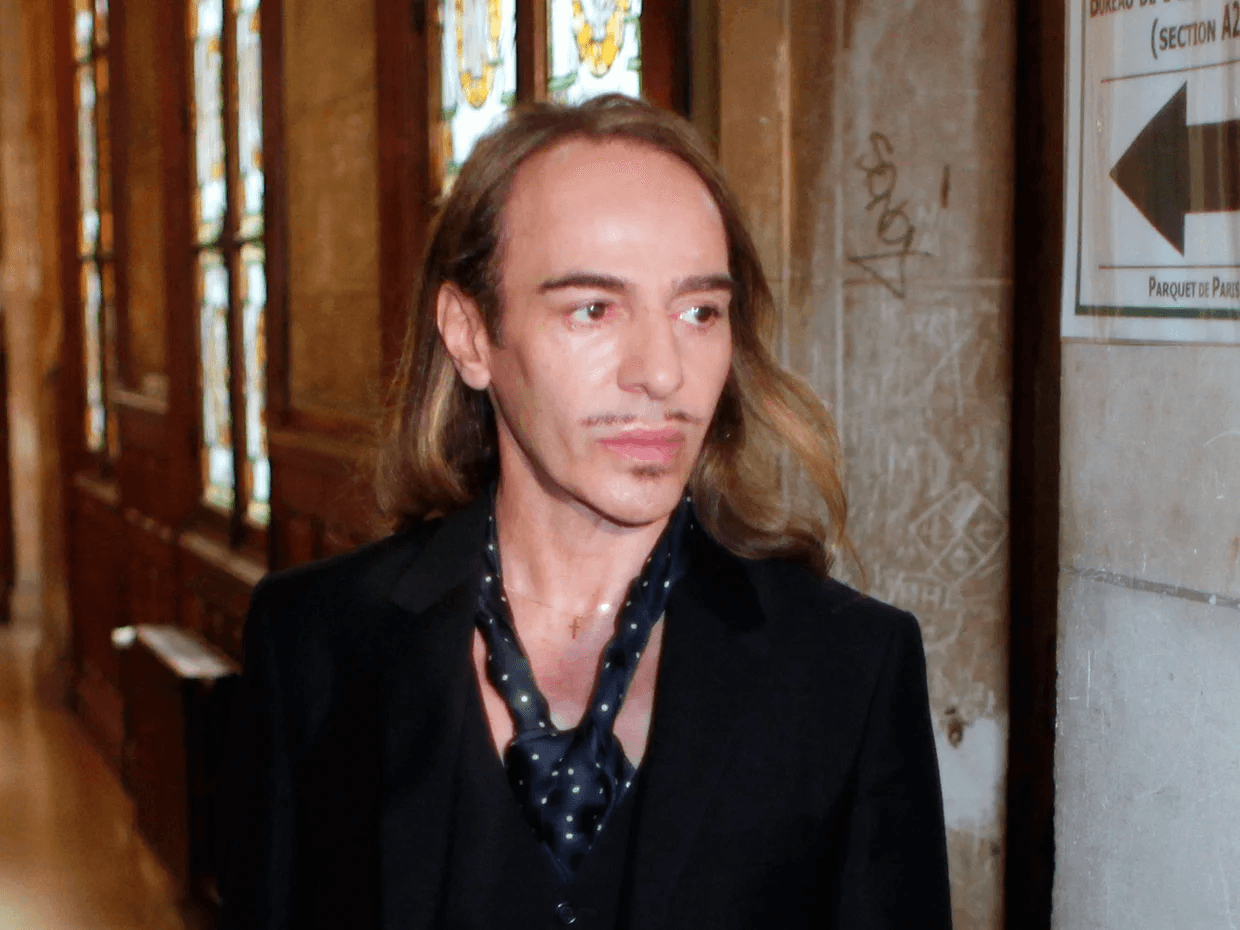
John Galliano, whose planned 2027 Metropolitan Museum of Art retrospective, “Horizons,” was cancelled after backlash over his past antisemitic and racist remarks. | Source Image : Google
Here is the part French Press thinks matters most, and the part nobody covering this as a straightforward cancellation story has bothered to ask: an exhibition explicitly built to interrogate Galliano's 2010 and 2011 conduct, the anti-Asian mockery, the antisemitic rant that got him fired from Dior and convicted in a French court, was greenlit by people who apparently never ran the most basic check against the Jewish calendar. Institutions that size run every optic through legal and comms before a headline goes out; the calendar is exactly the kind of detail that gets caught when the subject matters to the people checking. It landed where it did because the collision became visible to the museum only after the public did the math for them. That carelessness, not the fifteen-year-old offence itself, is the actual indictment: the machinery around Galliano moved fast enough to offer him a retrospective and too carelessly to notice whose calendar it was landing on.
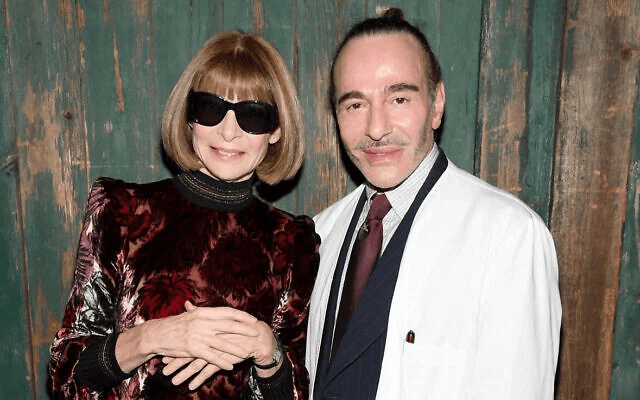
Anna Wintour and John Galliano amid the controversy surrounding his planned 2027 Met Gala retrospective. | Source Image: Google
The Met has not announced a replacement theme. The pattern is confirmed even while the Gala's actual date for May 2027 remains open: a retrospective framed as reckoning, a reckoning that required donor leverage and a Council Speaker's letter to actually land, and an apology absorbed almost entirely by the man being un-honoured rather than the institution that offered the honour. Removing a name from a marquee is one act. Correcting the judgment that put it there is a separate, harder one, and French Press is interested in the second act, the one nobody at the Met has actually performed yet.
TO BE CONTINUED, FOR SUBSCRIBERS ONLY.
This is where the surface ends and the reporting begins.
The complete piece, the full archive, and access to The French Press Circle. Reporting answerable only to its readers.
Already a subscriber ?
Login
Read these on the house, with our compliments.
A selection from the current issue, open to all readers. Read them in full. The rest is one decision away.



For seventeen days in July, the Metropolitan Museum of Art was prepared to spend its most sacred cultural real estate, the Costume Institute's spring exhibition and the Gala that anoints it, on a man who once told a stranger in a Paris bar that he loved Hitler. A spreadsheet is what actually ended "John Galliano: Horizons," not conscience, and that distinction is the whole story.
John Galliano Met Retrospective Cancelled | Image Source: BOF
The exhibition, announced this July as only the third solo retrospective the Met has ever granted a living designer, following Yves Saint Laurent in 1983 and Rei Kawakubo in 2017, was framed by curator Andrew Bolton as an honest reckoning with the pain caused by Galliano's words, treating atonement as an ongoing process rather than a single exhibition. Bolton's language was careful, even dignified. The real problem was that sincerity was allowed to substitute for scrutiny, and nobody in the room thought to check what date the first Monday of May 2027 actually fell on.
A surreal take on couture, where sculptural headpieces and dramatic silhouettes transform fashion into art. | Source Image: Vogue
It fell on Yom HaShoah. Israel's Holocaust and Heroism Remembrance Day, the day flags lower and the country stops moving for two minutes at the sound of a siren, landed on the same calendar square as a party built to launder a man convicted of an antisemitic hate crime. The backlash is what surfaced that collision for the museum, loud enough that the institution finally noticed what its own calendar had been saying since July.
That sequencing is the story French Press is interested in, because it inverts the version everyone else has told. The headlines have framed this as a victory of conscience: the institution confronts its mistake, the designer atones, the exhibition falls. Read the timeline closer, and a less flattering shape emerges. New York City Council Speaker Julie Menin, who has described herself as the daughter of a Holocaust survivor, wrote directly to Anna Wintour and the museum, calling the decision to honour Galliano a mistake that reflected on the museum's standard of inclusiveness. Her letter carried moral weight. Donor pressure carried consequences, and according to reporting cited across multiple outlets, financial backers began contacting Met executives and threatening to pull their gifts if the exhibition proceeded, a threat that, layered onto the date collision and the mounting political pressure, is what actually pushed trustees to start "mulling" a Gala date change. The moral case had been sitting on the table since July. The money is what moved it.
Galliano's own exit statement did the emotional work the institution declined to do publicly. He wrote that he remained fully accountable for the pain his words caused, and that he did not want the controversy to distract from the Costume Institute's work, closing with the acknowledgement that an exhibition honouring him would understandably be painful for some. It is, by the standard of celebrity apologies, an unusually contained one. He absorbed the fall so the institution wouldn't have to explain itself. Wintour's response was to call his withdrawal courageous, which is a curious adjective to apply to a man declining an honour he should never have been offered, and a more curious one than any word acknowledging why donors and a Council Speaker had to force the issue in the first place.
John Galliano, whose planned 2027 Metropolitan Museum of Art retrospective, “Horizons,” was cancelled after backlash over his past antisemitic and racist remarks. | Source Image : Google
Here is the part French Press thinks matters most, and the part nobody covering this as a straightforward cancellation story has bothered to ask: an exhibition explicitly built to interrogate Galliano's 2010 and 2011 conduct, the anti-Asian mockery, the antisemitic rant that got him fired from Dior and convicted in a French court, was greenlit by people who apparently never ran the most basic check against the Jewish calendar. Institutions that size run every optic through legal and comms before a headline goes out; the calendar is exactly the kind of detail that gets caught when the subject matters to the people checking. It landed where it did because the collision became visible to the museum only after the public did the math for them. That carelessness, not the fifteen-year-old offence itself, is the actual indictment: the machinery around Galliano moved fast enough to offer him a retrospective and too carelessly to notice whose calendar it was landing on.
Anna Wintour and John Galliano amid the controversy surrounding his planned 2027 Met Gala retrospective. | Source Image: Google
The Met has not announced a replacement theme. The pattern is confirmed even while the Gala's actual date for May 2027 remains open: a retrospective framed as reckoning, a reckoning that required donor leverage and a Council Speaker's letter to actually land, and an apology absorbed almost entirely by the man being un-honoured rather than the institution that offered the honour. Removing a name from a marquee is one act. Correcting the judgment that put it there is a separate, harder one, and French Press is interested in the second act, the one nobody at the Met has actually performed yet.
TO BE CONTINUED, FOR SUBSCRIBERS ONLY.
This is where the surface ends and the reporting begins.
The complete piece, the full archive, and access to The French Press Circle. Reporting answerable only to its readers.
Already a subscriber ?
Login
Read these on the house, with our compliments.
A selection from the current issue, open to all readers. Read them in full. The rest is one decision away.


