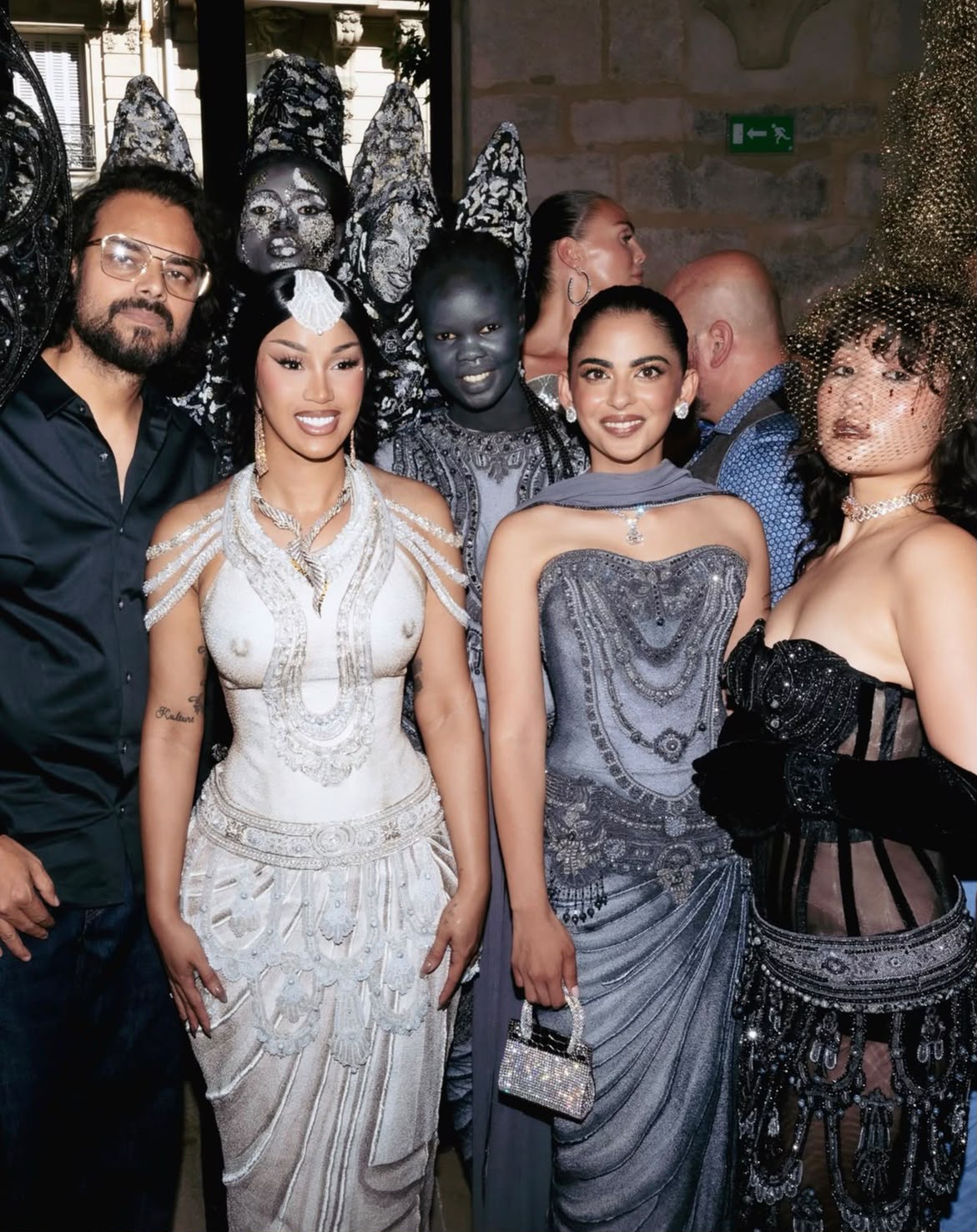
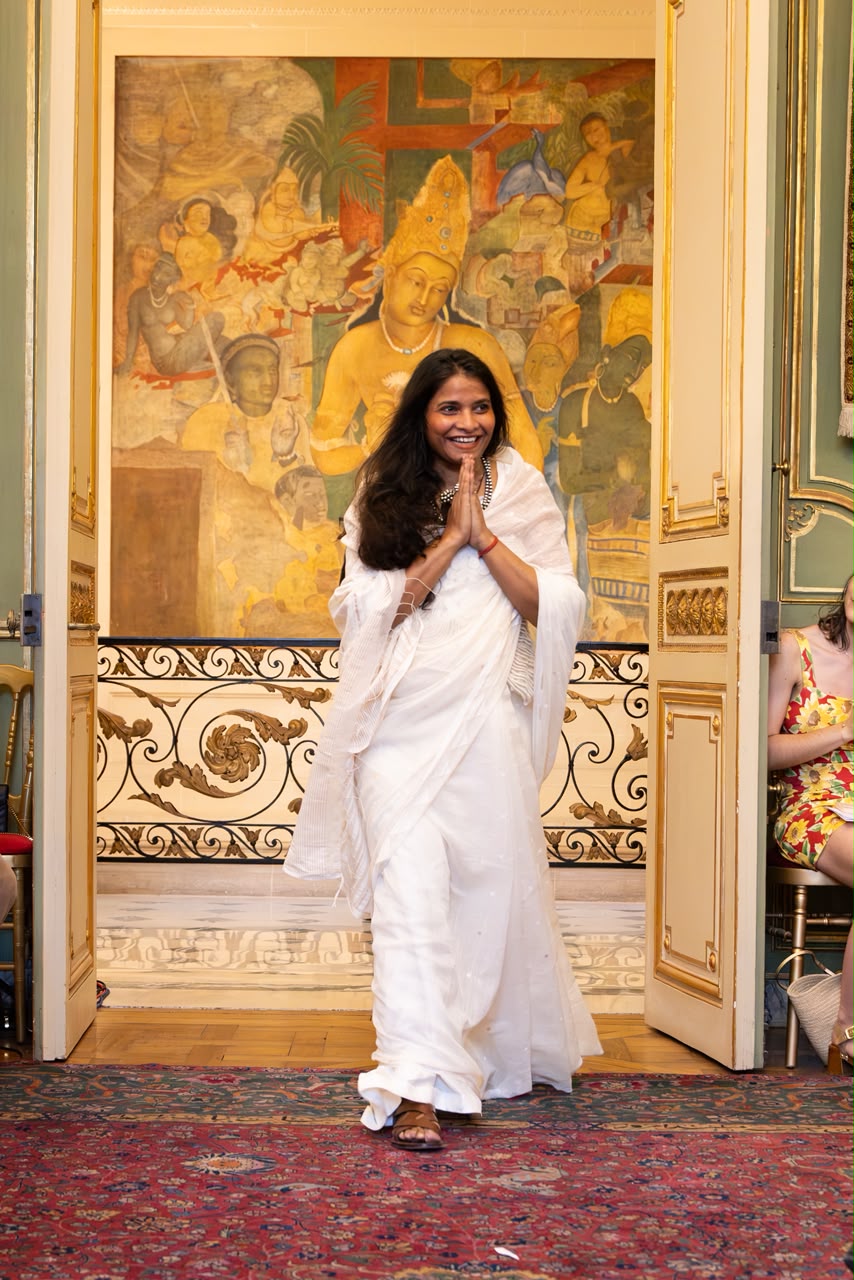
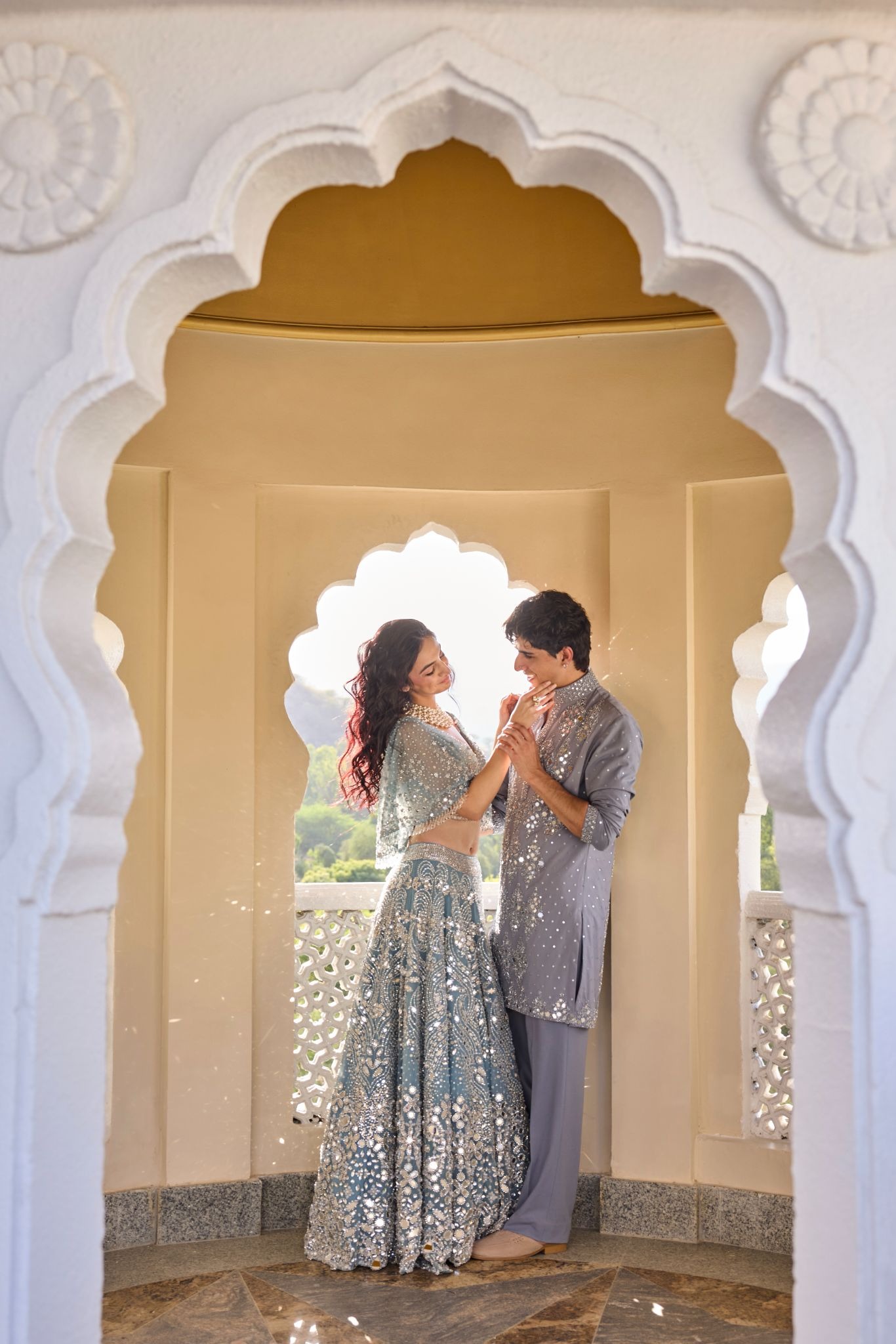
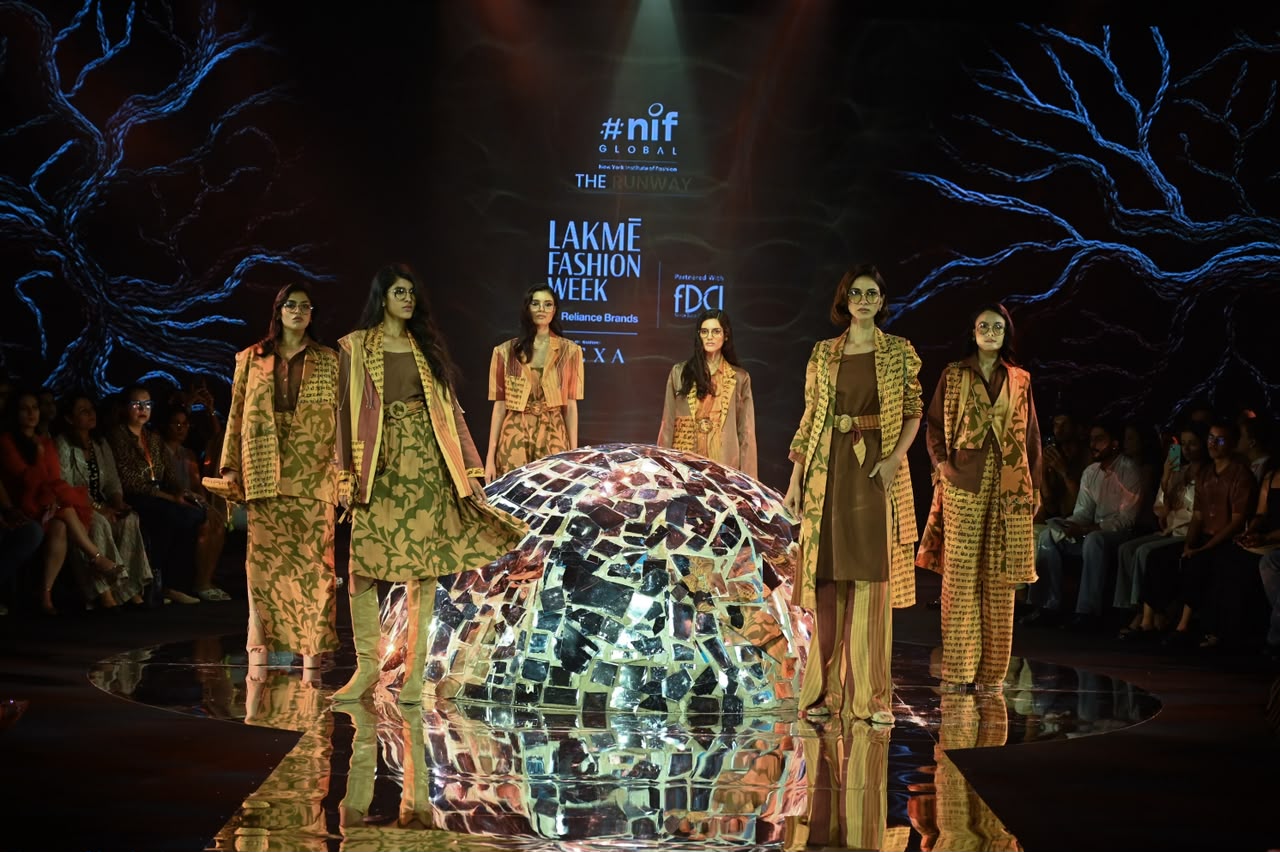
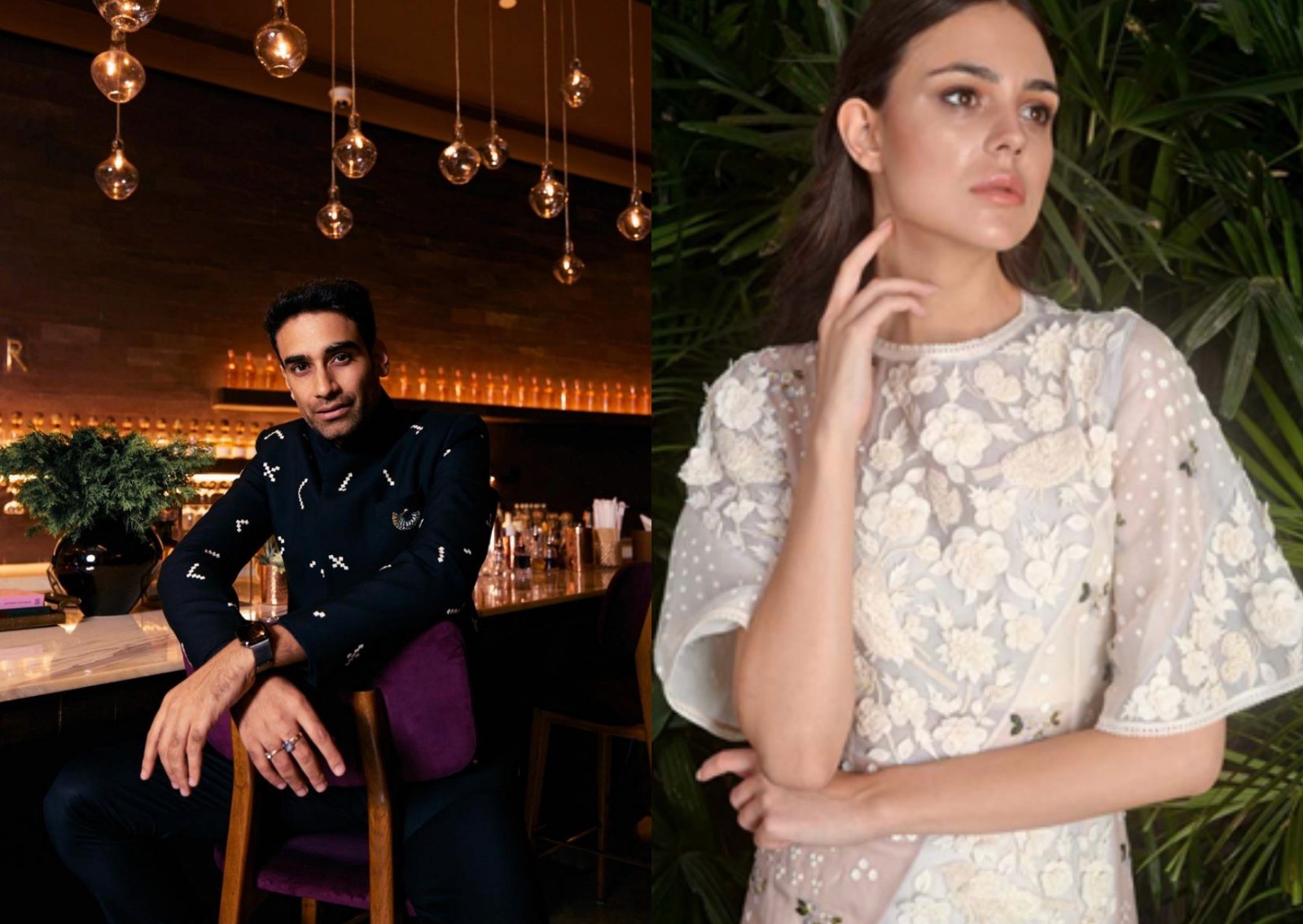
Every designer eventually picks the room they want to build a collection inside of, and for his Couture 2026 line, The Queen's Palace, Abhinav Mishra picked a genuinely loaded one. The brief names four real spaces, Jodha Bai's Palace at Fatehpur Sikri, Jaipur's Hawa Mahal, the Maharani Palace inside Mubarak Mandi, and the zenana quarters of Mehrangarh Fort, and calls them a celebration of grandeur and romance. They were also, every one of them, built around purdah: architecture designed to let royal women see out through carved stone screens while keeping the world from seeing in. That tension is the most interesting thing about this collection, and it's worth understanding both the rooms and the designer before deciding what to make of it.
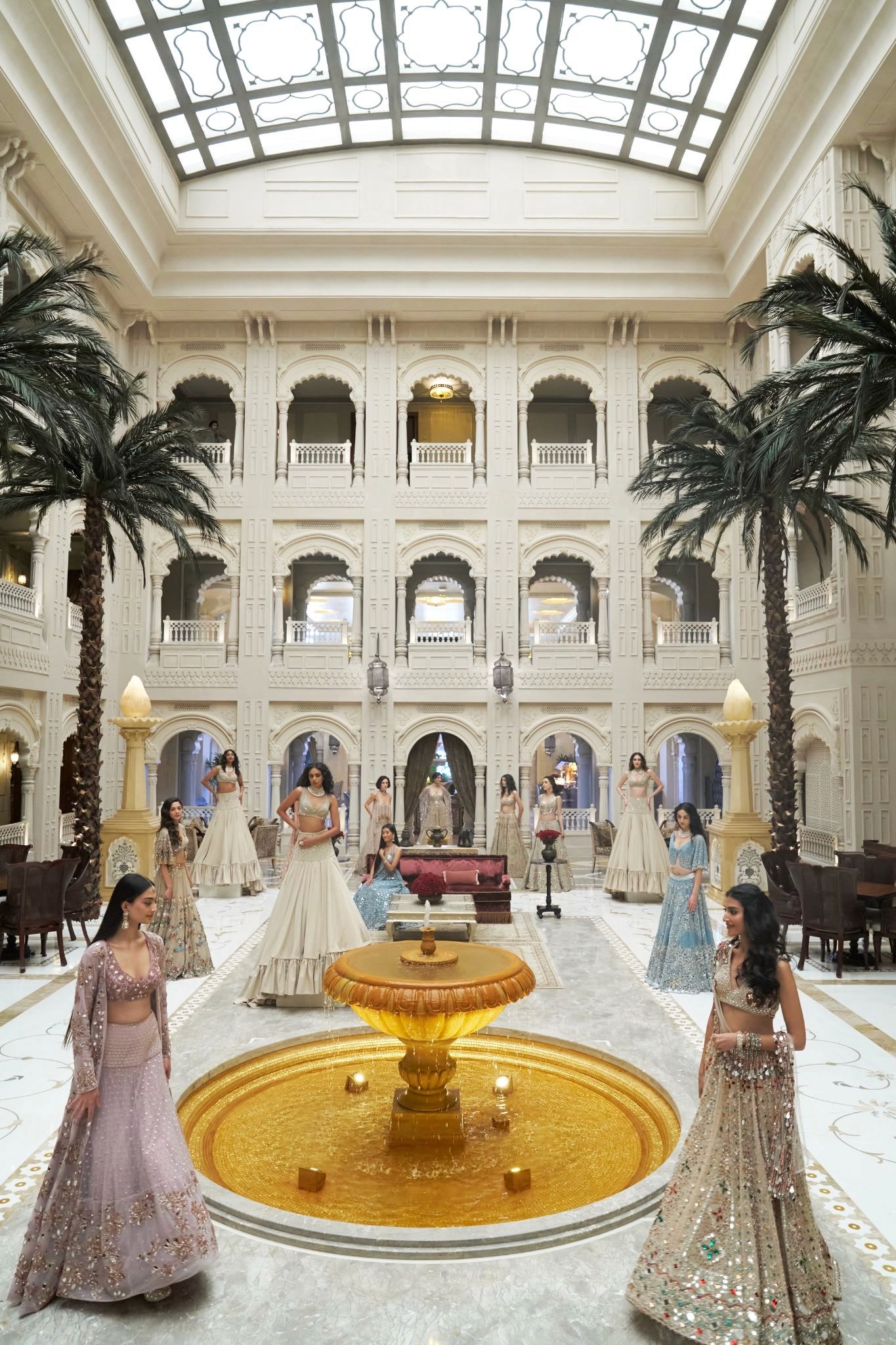
Abhinav Mishra 2026 Couture 'The Queen’s Palace'
Start with the route he actually took to couture. Mishra came to fashion through Rani Pink, a wedding decor company he co-founded and still runs, staging mandaps and reception halls and the general architecture of celebration before he ever draped a lehenga, a different path from the design-school-portfolio-to-debut-runway route most Indian couturiers take. He's said, in more than one interview over the years, that his earliest memory of fashion is watching mirror-worked textiles catch candlelight at a family wedding in Lucknow, long before he had language for embroidery or embellishment. That's a useful thing to know going into The Queen's Palace, because it explains something about how Mishra thinks: he designs rooms, and the clothes are what the room is wearing.
Abhinav Mishra 2026 Couture 'The Queen’s Palace'
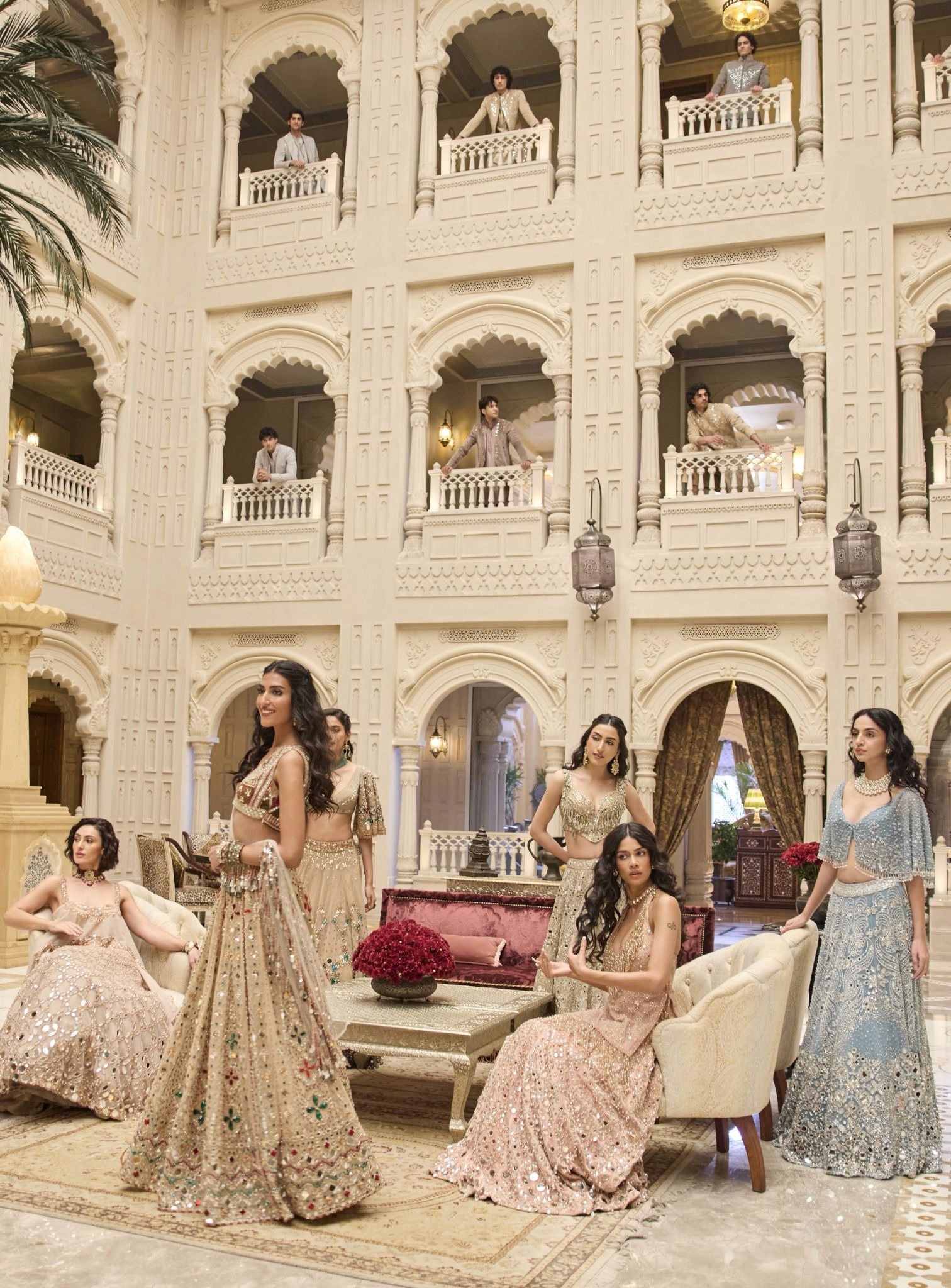
Which brings us to the palaces themselves, specific enough to be worth sitting with. The zenana at Mehrangarh, sometimes called Zenana Deodi, was the section of the fort reserved for royal women under purdah, walled off from the Mardana, the men's side, with carved sandstone jali screens that let air and light through while keeping the women behind them unseen. One chamber inside it, the Jhanki Mahal, gets its name from precisely this arrangement, jhanki means "glimpse," because it was the room from which royal women watched court proceedings in the courtyard below without being watched in return. Another room in the same complex was reserved for royal births, and for five centuries the ritual there was for a midwife to drop a lemon from the window, announcing a new arrival to a world that stayed on the other side of the wall. It's an extraordinary piece of architecture, carved stone lace, blue-tiled courtyards, a private universe of ritual and detail, and, historically, a space defined by containment as much as ceremony. Both things are true, and both are worth holding at once.
Abhinav Mishra 2026 Couture 'The Queen’s Palace'
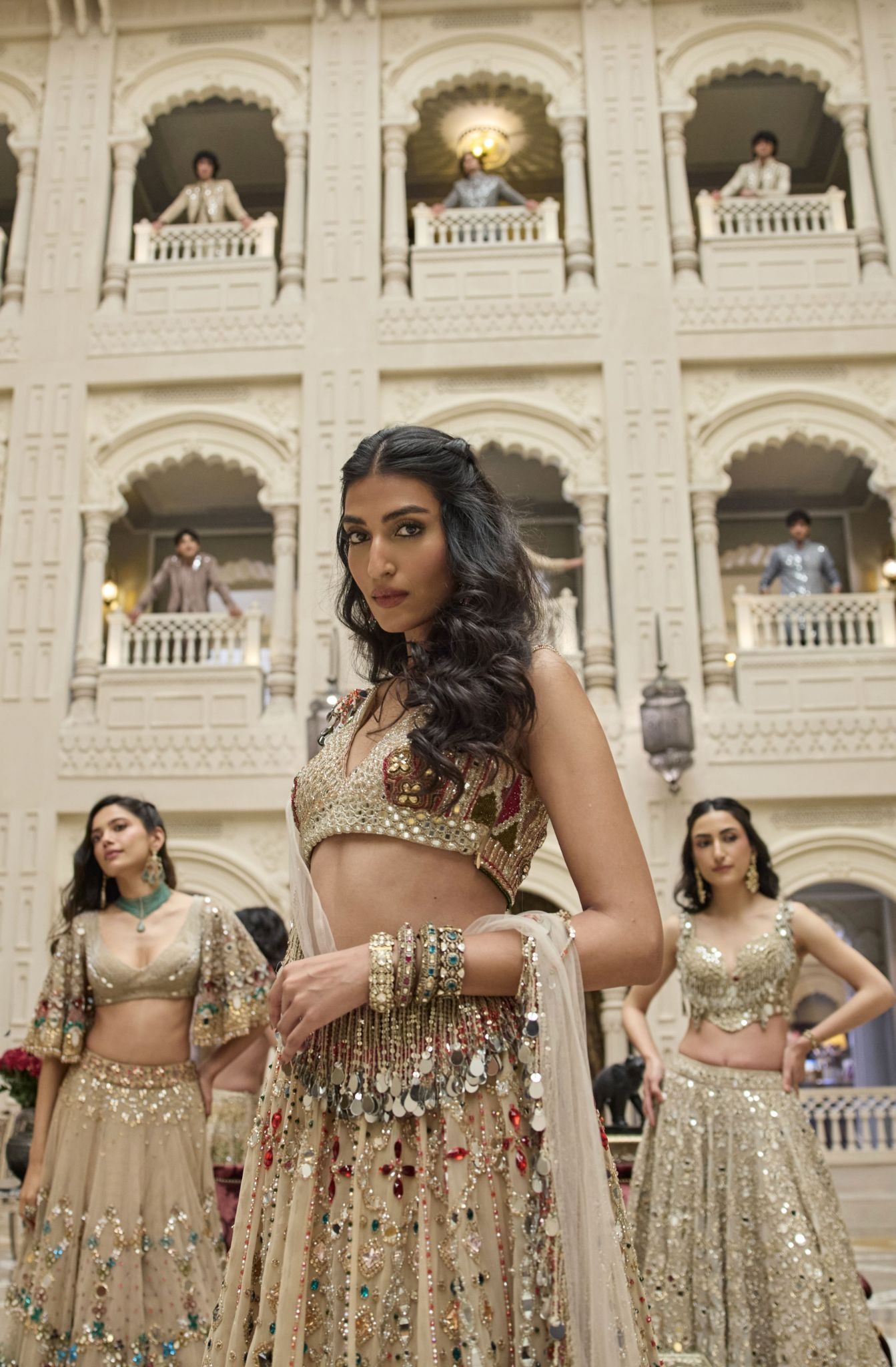
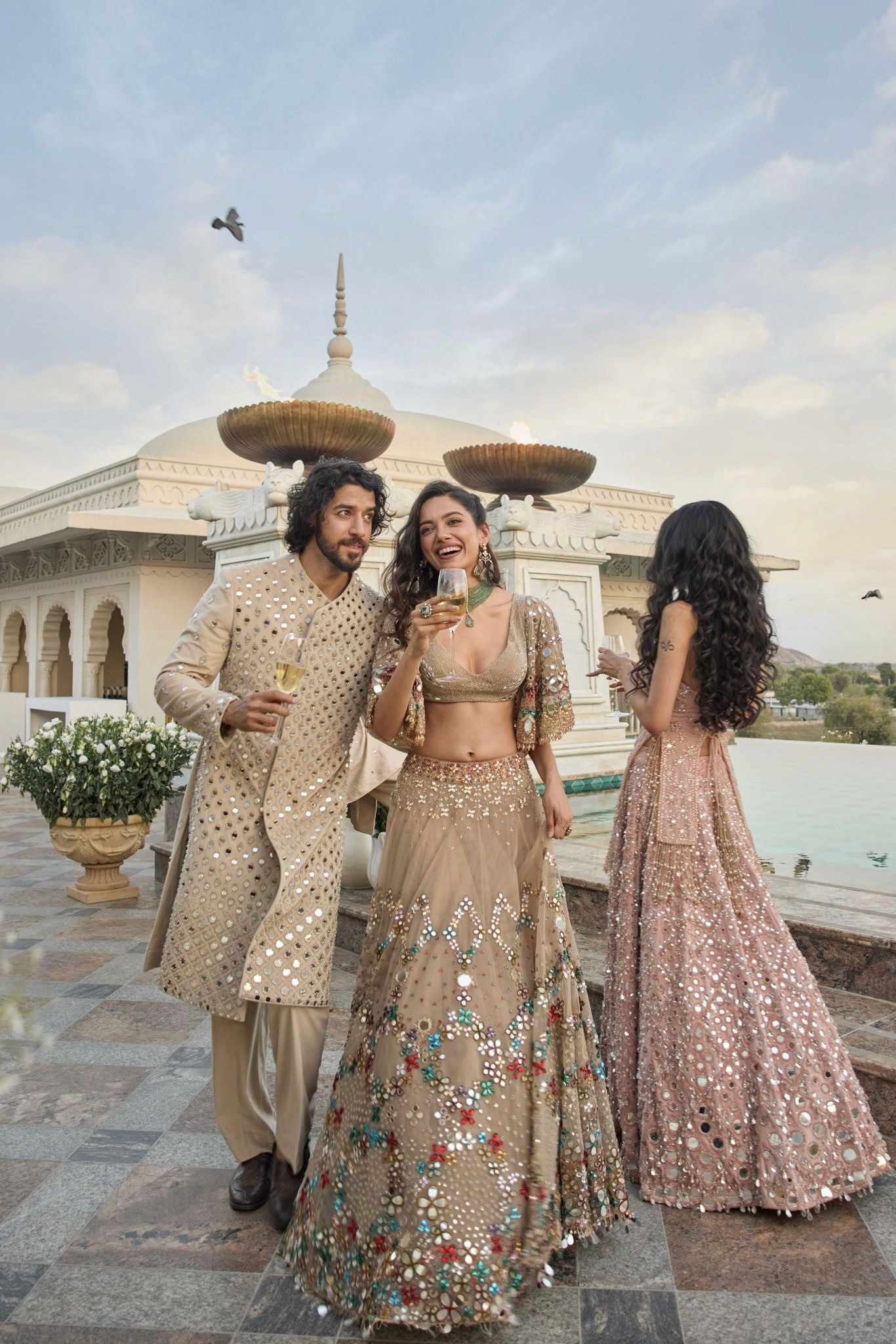
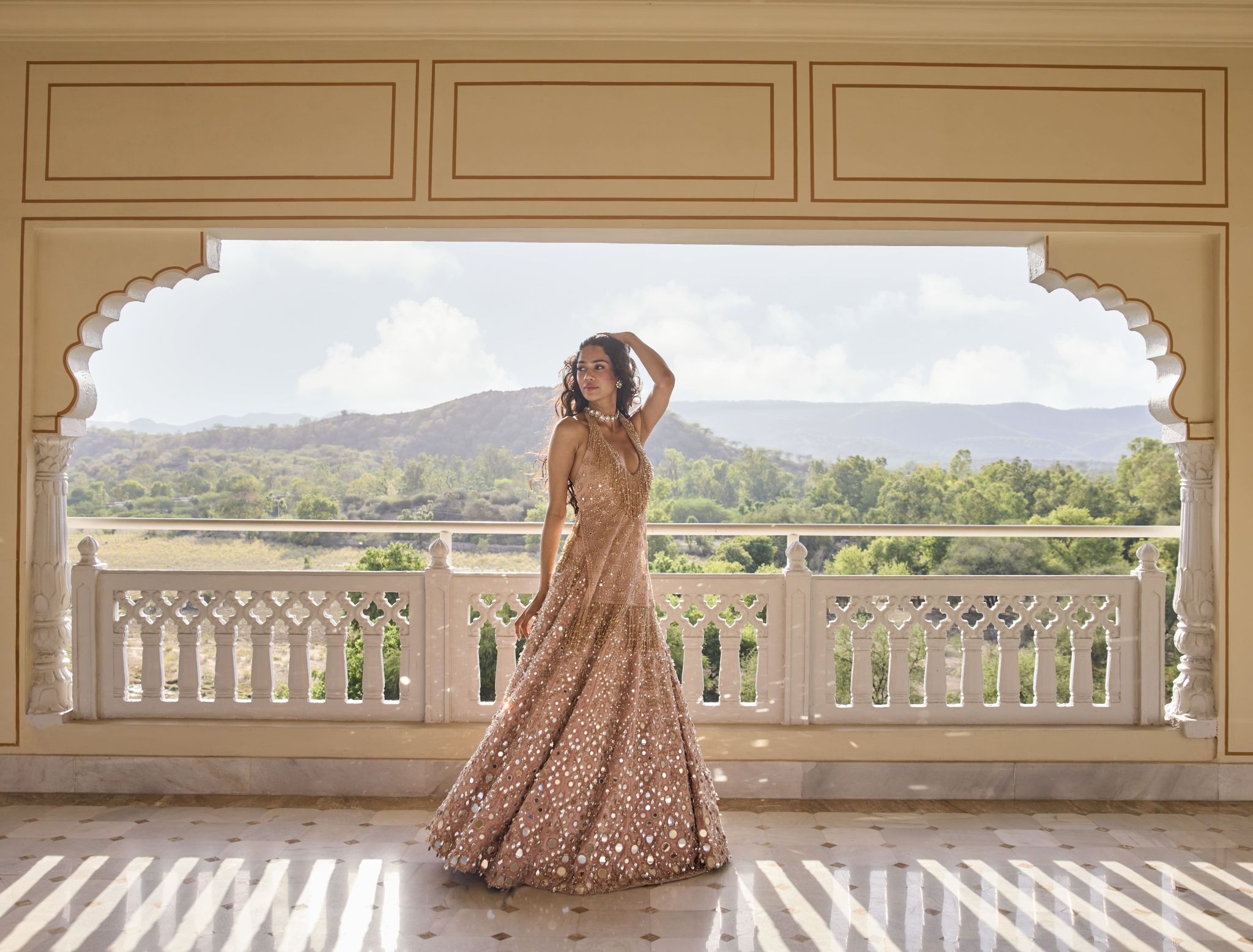
Mishra appears to know precisely what he's drawing from, and mirror work has always carried both halves of that tension inside it, which might be the real thread running through this collection. Sheesha work doesn't just catch light, it returns a version of whoever's standing in front of it; a woman wearing a mirror-worked lehenga is, quite literally, reflecting back at every guest who looks at her. There's something in that which rhymes with the jhanki principle: watching without quite being watched, or in this case, being looked at while looking back. Mishra himself tends to talk about the craft in more personal terms, as inheritance, as something he's spent a decade "reinventing in different silhouettes."
Abhinav Mishra 2026 Couture 'The Queen’s Palace'
What's genuinely different this time, craft-wise, is the palette and the shape. Mishra's collections have historically leaned into saturated, festive color, mustard, rani pink, emerald, sapphire, the kind of jewel-tone wedding wardrobe he built his name on. The Queen's Palace moves toward baby pink, cerulean, light gold and desert sand, softer, cooler, closer to fresco than festival. The silhouettes have widened too, from strictly bridal lehengas and anarkalis to capes, sculpted evening pieces, and what the brand calls Indo-western separates, cut in georgette, net and velvet. It's the clearest sign yet of a brand stretching toward something closer to standalone couture, beyond the wedding-industrial complex it was built inside of.

Abhinav Mishra 2026 Couture 'The Queen’s Palace'
That stretch tracks with how Mishra himself describes the arc of his work. "From Shrine to One Love, Tribe, Baradari, and now The Queen's Palace, every collection has explored a different expression of love, celebration, and togetherness," he says. "The Queen's Palace feels like a natural continuation of that journey, bringing together everything that defines the brand for me: craft, our signature mirror work, music, storytelling, and the joy of bringing people together." Nearly a decade in, that's still the constant across his collections, people gathering, and what they wear while they do it. This one just happens to be staged in the one room built, four centuries ago, for exactly the opposite.
TO BE CONTINUED, FOR SUBSCRIBERS ONLY.
This is where the surface ends and the reporting begins.
The complete piece, the full archive, and access to The French Press Circle. Reporting answerable only to its readers.
Already a subscriber ?
Login
Read these on the house, with our compliments.
A selection from the current issue, open to all readers. Read them in full. The rest is one decision away.






Every designer eventually picks the room they want to build a collection inside of, and for his Couture 2026 line, The Queen's Palace, Abhinav Mishra picked a genuinely loaded one. The brief names four real spaces, Jodha Bai's Palace at Fatehpur Sikri, Jaipur's Hawa Mahal, the Maharani Palace inside Mubarak Mandi, and the zenana quarters of Mehrangarh Fort, and calls them a celebration of grandeur and romance. They were also, every one of them, built around purdah: architecture designed to let royal women see out through carved stone screens while keeping the world from seeing in. That tension is the most interesting thing about this collection, and it's worth understanding both the rooms and the designer before deciding what to make of it.
Abhinav Mishra 2026 Couture 'The Queen’s Palace'
Start with the route he actually took to couture. Mishra came to fashion through Rani Pink, a wedding decor company he co-founded and still runs, staging mandaps and reception halls and the general architecture of celebration before he ever draped a lehenga, a different path from the design-school-portfolio-to-debut-runway route most Indian couturiers take. He's said, in more than one interview over the years, that his earliest memory of fashion is watching mirror-worked textiles catch candlelight at a family wedding in Lucknow, long before he had language for embroidery or embellishment. That's a useful thing to know going into The Queen's Palace, because it explains something about how Mishra thinks: he designs rooms, and the clothes are what the room is wearing.
Abhinav Mishra 2026 Couture 'The Queen’s Palace'
Which brings us to the palaces themselves, specific enough to be worth sitting with. The zenana at Mehrangarh, sometimes called Zenana Deodi, was the section of the fort reserved for royal women under purdah, walled off from the Mardana, the men's side, with carved sandstone jali screens that let air and light through while keeping the women behind them unseen. One chamber inside it, the Jhanki Mahal, gets its name from precisely this arrangement, jhanki means "glimpse," because it was the room from which royal women watched court proceedings in the courtyard below without being watched in return. Another room in the same complex was reserved for royal births, and for five centuries the ritual there was for a midwife to drop a lemon from the window, announcing a new arrival to a world that stayed on the other side of the wall. It's an extraordinary piece of architecture, carved stone lace, blue-tiled courtyards, a private universe of ritual and detail, and, historically, a space defined by containment as much as ceremony. Both things are true, and both are worth holding at once.
Abhinav Mishra 2026 Couture 'The Queen’s Palace'
Mishra appears to know precisely what he's drawing from, and mirror work has always carried both halves of that tension inside it, which might be the real thread running through this collection. Sheesha work doesn't just catch light, it returns a version of whoever's standing in front of it; a woman wearing a mirror-worked lehenga is, quite literally, reflecting back at every guest who looks at her. There's something in that which rhymes with the jhanki principle: watching without quite being watched, or in this case, being looked at while looking back. Mishra himself tends to talk about the craft in more personal terms, as inheritance, as something he's spent a decade "reinventing in different silhouettes."
Abhinav Mishra 2026 Couture 'The Queen’s Palace'
What's genuinely different this time, craft-wise, is the palette and the shape. Mishra's collections have historically leaned into saturated, festive color, mustard, rani pink, emerald, sapphire, the kind of jewel-tone wedding wardrobe he built his name on. The Queen's Palace moves toward baby pink, cerulean, light gold and desert sand, softer, cooler, closer to fresco than festival. The silhouettes have widened too, from strictly bridal lehengas and anarkalis to capes, sculpted evening pieces, and what the brand calls Indo-western separates, cut in georgette, net and velvet. It's the clearest sign yet of a brand stretching toward something closer to standalone couture, beyond the wedding-industrial complex it was built inside of.
Abhinav Mishra 2026 Couture 'The Queen’s Palace'
That stretch tracks with how Mishra himself describes the arc of his work. "From Shrine to One Love, Tribe, Baradari, and now The Queen's Palace, every collection has explored a different expression of love, celebration, and togetherness," he says. "The Queen's Palace feels like a natural continuation of that journey, bringing together everything that defines the brand for me: craft, our signature mirror work, music, storytelling, and the joy of bringing people together." Nearly a decade in, that's still the constant across his collections, people gathering, and what they wear while they do it. This one just happens to be staged in the one room built, four centuries ago, for exactly the opposite.
TO BE CONTINUED, FOR SUBSCRIBERS ONLY.
This is where the surface ends and the reporting begins.
The complete piece, the full archive, and access to The French Press Circle. Reporting answerable only to its readers.
Already a subscriber ?
Login
Read these on the house, with our compliments.
A selection from the current issue, open to all readers. Read them in full. The rest is one decision away.