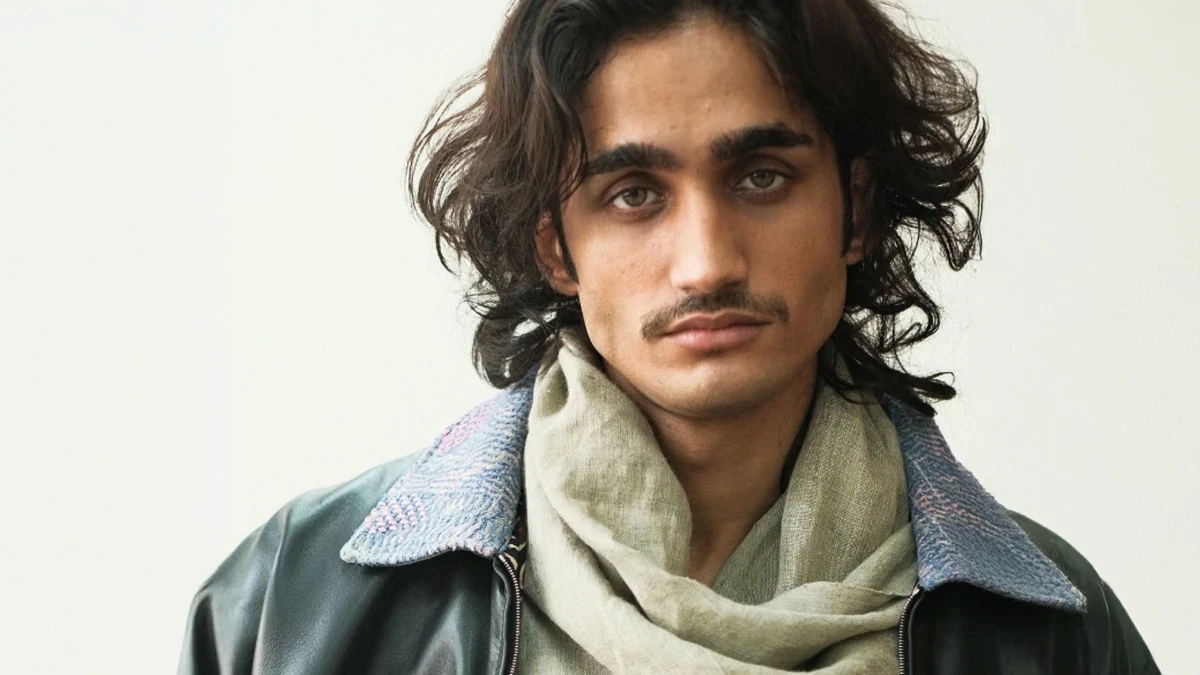
The quarry had a gate. It had warning boards. It had killed four people in 2017 alone. The local panchayat president called it a death trap. The water descends more than 100 feet in an inverted spiral, deceptively shallow at the surface, fatal below. The quarry was dug in the shape of an inverted spiral pyramid, designed to allow vehicle movement when it was operational. The water at its base is more than 100 feet deep with multiple rock layers.
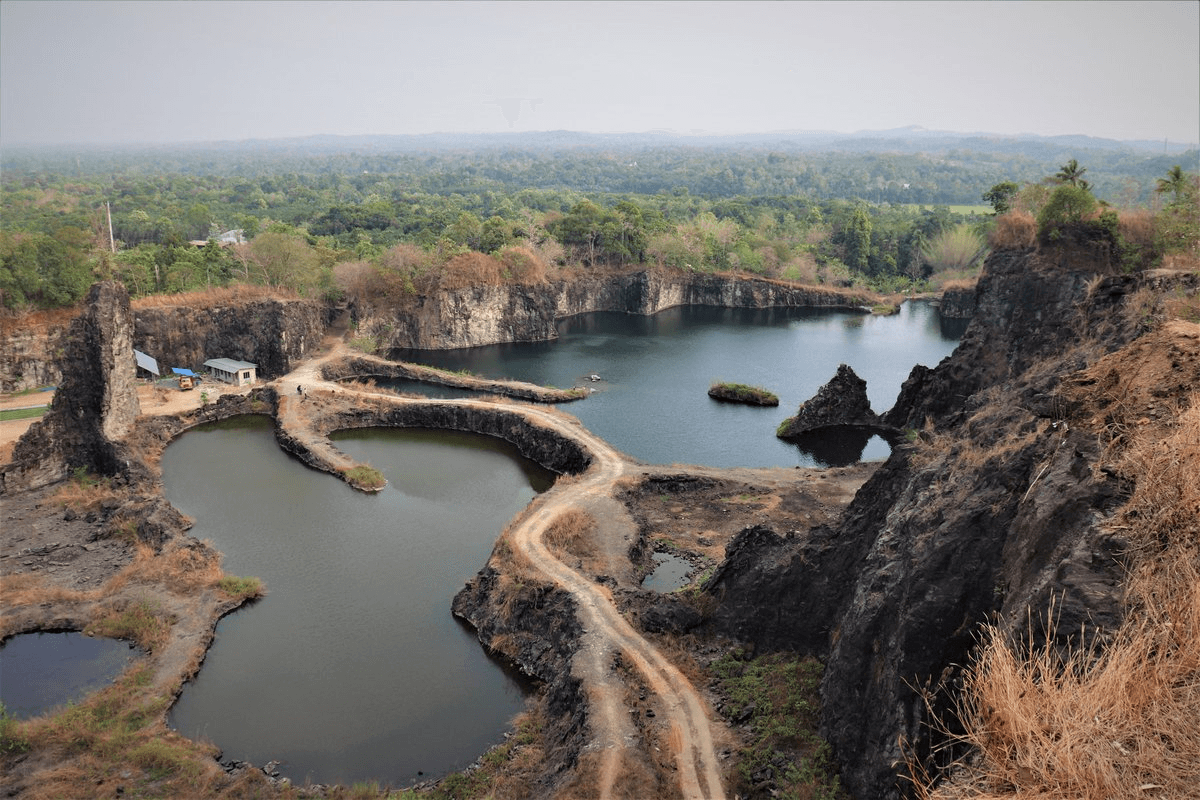
The Pettamala quarry near Kuruppampady, Kerala
Divyanshu Joshi found it on Google.
On May 28, 2026, he drove out to the Pettamala quarry near Kuruppampady to scout it, one day before the formal shoot and one day before the panchayat permission was to be sought. According to Kodanad Police Station House Officer Sarin A.S., Joshi and two other men from Delhi had travelled to Kerala for the shoot of an advertisement film. The shooting was scheduled for the following day, but Joshi and his friends reached Mudakuzha a day early without informing their team in Kerala. The shoot was for Kartik Research, a Delhi label whose clothes had been worn to Paris Fashion Week and to the inauguration of New York City Mayor Zohran Mamdani, who donned the brand's eri silk tie for his swearing-in. Divyanshu ran their Delhi store. He walked the Lakmé Fashion Week for them. He was, by any measure, one of their people.
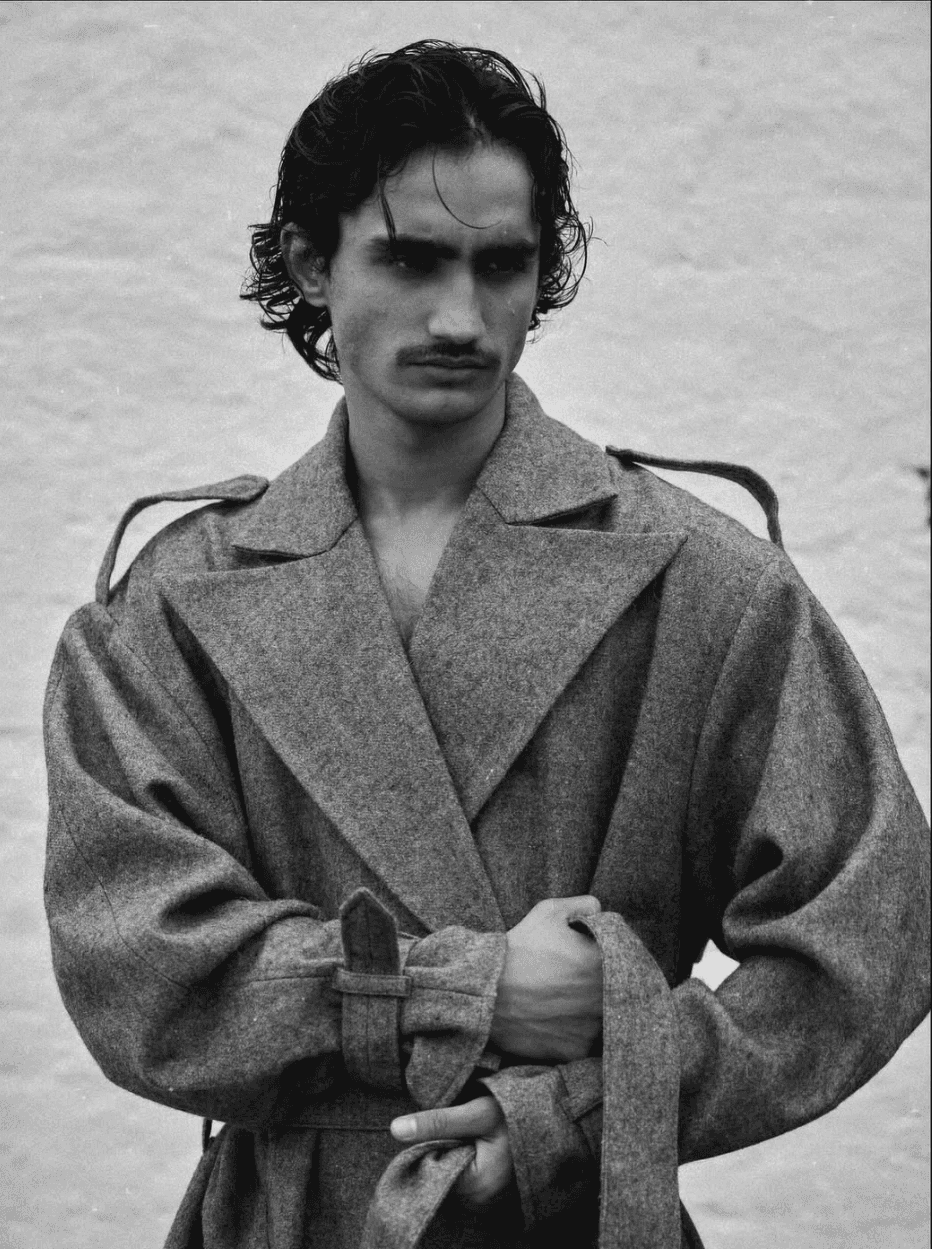
Divyanshu Joshi
He stepped into the water. He slipped. He sank. He was found at a depth of around 30 feet and was rushed to Perumbavoor Taluk Hospital, where he was pronounced dead. His remains were flown back to Delhi on the following evening. A case of unnatural death has been registered by Kodanad Police.
Kartik Research issued a statement three days later, after attention was drawn to the case by content creator Otherwarya on social media, who called for accountability from the brand. Only after the silence had already said everything."A site visit is part of the job. A location scout is labour. Three days of silence is a choice."
Who Is Responsible?
Kartik Research's statement said Divyanshu "was not participating in any swimming-related activity as part of the production." Read that sentence slowly. It is technically accurate. It is also a legal manoeuvre dressed as grief.
By placing "the production" as the boundary of their responsibility, the brand argues that the death happened outside their jurisdiction - he arrived early, he went off-script, and he entered the water on his own. In any other industry, this logic would not survive a courtroom. In construction, in film under union rules, in manufacturing, the duty of care begins the moment you send someone somewhere on your behalf. A location scout is working. Arriving a day early to prepare for your employer's shoot is work. The camera doesn't have to be rolling for someone to be on the job.
The models who spoke to French Press Global confirmed what the brand's framing obscures that the informal architecture of shoots places all risk on the worker while granting the brand maximum distance. Model Stavya Kasireddi described the structure clearly: "In my experience, there is very little direct conversation about safety before a shoot, especially when an agency is managing the coordination between the client and the talent. I've often relied on my manager or agency to ensure that the necessary checks have been done and that the production is operating responsibly. As far as contracts are concerned, most of my work has been governed by emails outlining the terms of the shoot rather than detailed agreements that address safety, liability, or risk. In many cases, conversations around potentially challenging conditions only happen once you're already on set."
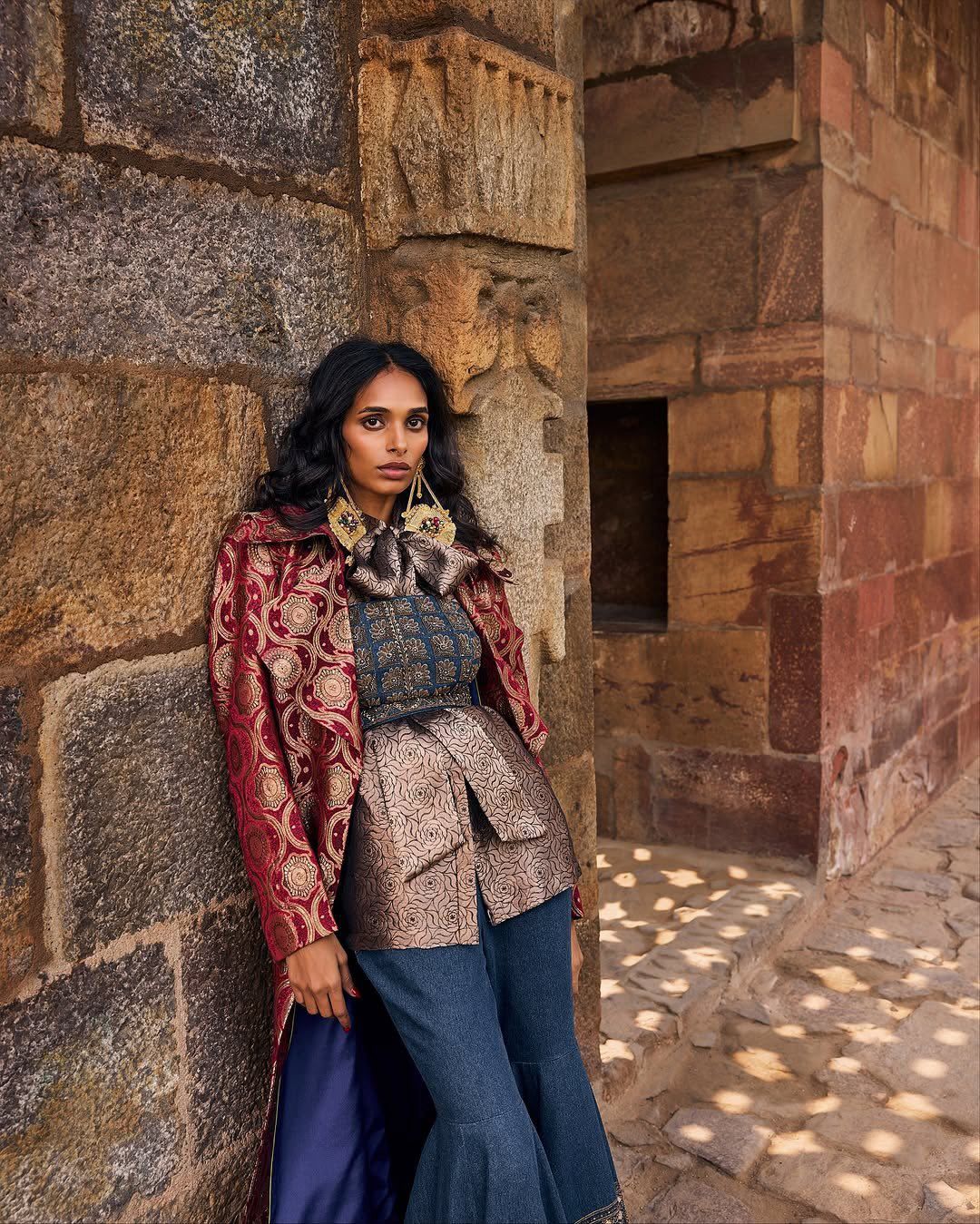
Stavya Kasireddi, model
An anonymous model working in the industry was equally direct: "We certainly do not have any questions around safety. Shoots don't come with contracts, mostly only confirmation emails that contain basic details." She added that risky outdoor shoots "should be avoided at all costs, if not should come with insurance at the least so that clients know what costs such things come at."
Senior model Aparna Verma named the structural problem directly. "As models, we are usually briefed extensively on the creative aspects of a project, but not always on the operational side of it. There is often an element of trust involved. You trust that the people organising the shoot have assessed the location, considered potential risks, and put the necessary safeguards in place." That trust, as Divyanshu's death makes clear, has no legal foundation under it.
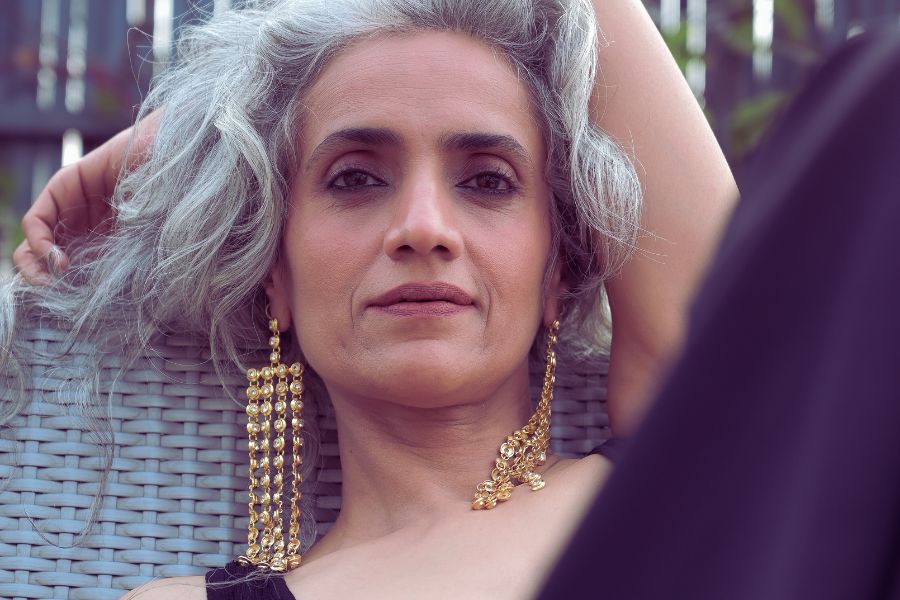
Aparna Verma, senior model
But Indian fashion is not those industries with structural accountability. It has no equivalent to the UK's Health and Safety at Work Act. The Code on Social Security, 2020, came into effect on 21 November 2025, merging nine existing social security acts into one framework and formally recognising gig and platform workers for the first time. It acknowledges that people like Divyanshu exist, yet does almost nothing to protect them. The Code recognises gig workers and requires platforms to contribute one to two per cent of their annual turnover to a Social Security Fund covering life and disability cover and accident insurance, but welfare provision remains discretionary, access is conditioned on engagement thresholds, and there is no mechanism to hold a brand accountable for the death of someone who was, functionally, working for them.
The invisible label under which the entire creative gig economy operates is "independent contractor." It is a classification designed to absolve. No accident cover. No provident fund. No paid leave. Nearly 47 per cent of gig workers in India have no insurance, with only 7.4 per cent covered by health insurance, according to a 2022 study by the CIIE.CO, the IIM Ahmedabad-based incubator. Models occupy the most invisible corner of all: too aspirational to organise, too informal to regulate.
The Location Problem No One Wants to Touch
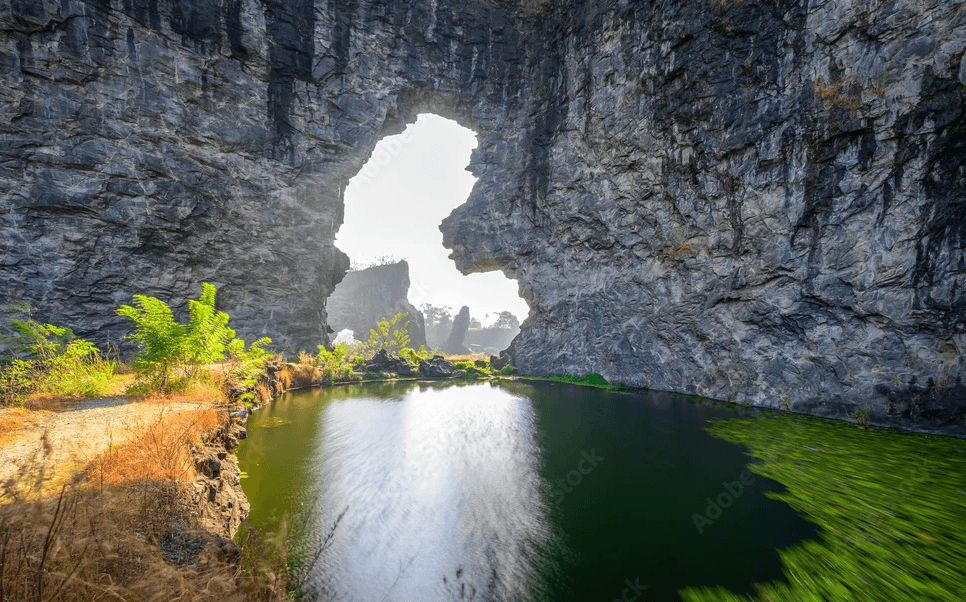
The Pettamala quarry near Kuruppampady, Kerala
There is a unique visual language that defines Indian indie fashion photography right now: quarries, ruins, rooftops, cliff edges, abandoned industrial sites. The tension between decay and beauty. The texture you cannot fake in a studio. Kartik Research draws inspiration from India's rich subcultures, exploring themes of heritage and aspiration. The brand collaborates closely with master artisans to revive forgotten Indian crafts. That aesthetic commitment, at its most ambitious, extends to location. Kartik Research is especially associated with this grammar of the found, the raw, the geographically remote.
Nobody asks who carries the risk of reaching these places.
Bollywood productions, for all their dysfunction, operate within some union structures. They have fixers, location managers, and production houses with insurance. An independent fashion shoot - a brand, a photographer, a model, maybe one assistant - has none of this. No safety officer. No first-aid requirement. No protocol for sending someone to scout an unmarked, restricted body of water.
Stavya Kasireddi put it plainly: "I don't think safety is intentionally ignored, but it often isn't discussed with the same level of detail as budgets, timelines, deliverables, or creative direction. As someone working in the industry, I'd like to see those conversations happen earlier and more proactively, especially for travel shoots, outdoor locations, or environments that may involve additional risks."
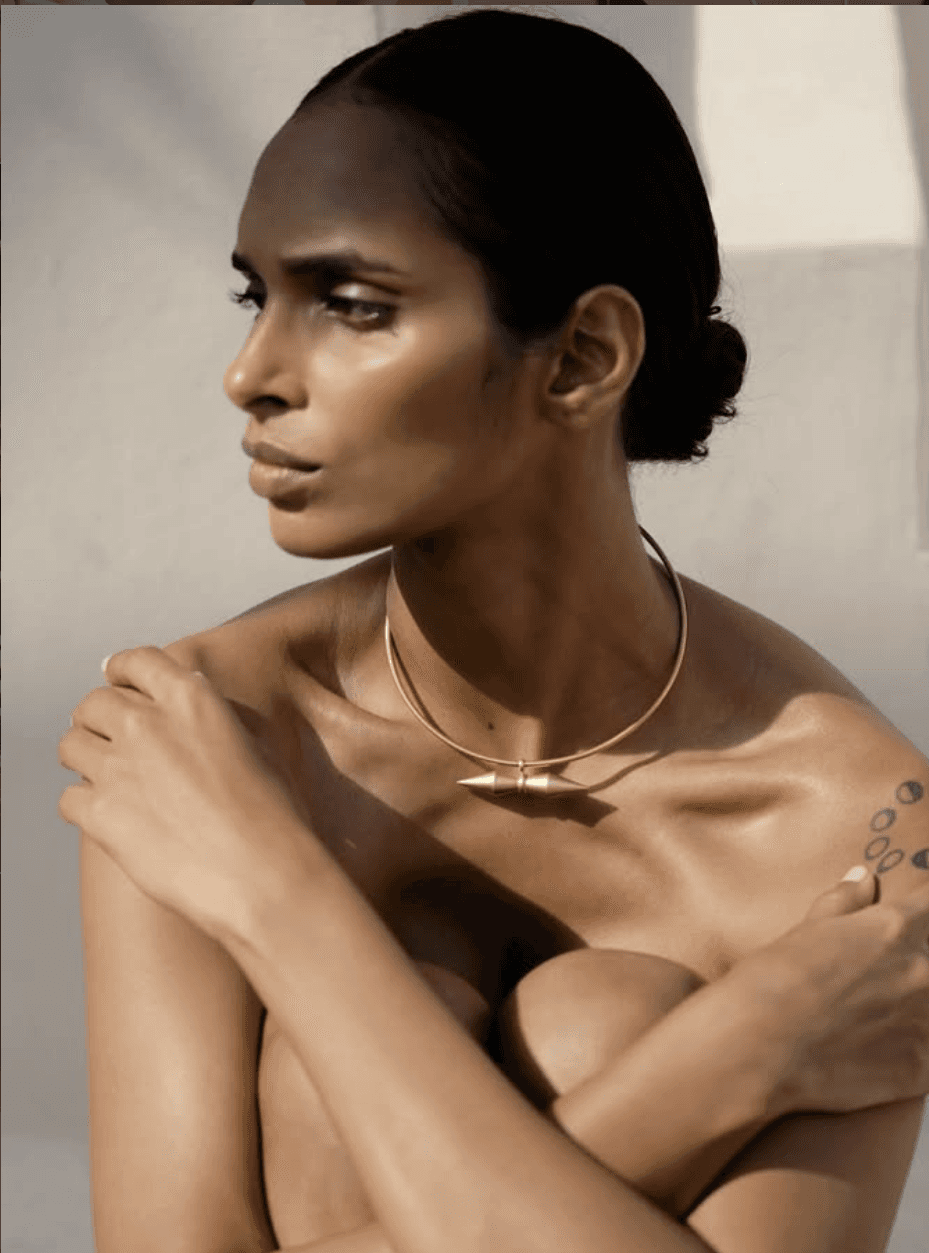
Stavya Kasireddi, model
The Mudakuzha Grama Panchayat president, Shaimy Varghees, told The News Minute that while there are 48 quarries in the area, the quarry where Divyanshu fell had been closed since 1997. "The quarry pit is heavily restricted. It is nearly 100 feet deep. The water there is extremely deep and very cold. Even people who are good swimmers can find it difficult; if someone gets trapped in it, swimming back out can be very challenging." She added that the panchayat does not permit anyone to enter or conduct shoots in such quarries, and that since the land belongs to the Revenue Department, the panchayat has limited authority over it.Panchayat officials confirmed that no permission had been granted for any advertisement shoot at the location, and that the organisers had reportedly intended to approach the local body for approval only on the following day.
Someone found it, researched it, and decided it was beautiful enough to shoot. That decision did not appear from nowhere. It travelled through a chain of approvals, or at least conversations. At some point, someone said yes.
The anonymous model who spoke to us was direct about where that chain of responsibility sits: "If the team had flown all the way to the location, they must have done some research, enough to know that that place is called a death trap and many people have drowned there in the past as well. The team should never have gone there without permission, and they should never have let anyone get into the water. It is everyone's responsibility to look after each other. Nobody can be taking such things for granted."
When did the responsibility begin? That is not just a legal question. It is a moral one. And the industry has never been forced to answer it.
Three Days
Brands talk endlessly about community. They build identities around care. Kartik Research's stated core tenet is to "reintroduce humanness into clothing," and it has earned true respect for that language. Its collections are handloomed, hand-dyed, and built on craft.
Which makes the silence worse, not better.
A young man who ran the store, walked the runway, carried the brand's identity on his face and body, drowned while doing something connected to a shoot for that brand. His family was in Delhi. His body was flown home. And for 72 hours, the brand said nothing. Not a condolence. Not an acknowledgement. Nothing, until the internet forced their hand.
The statement that finally came read: "We are heartbroken by the loss of our dear colleague and friend, Divyanshu Joshi, who passed away on 28 May 2026. For the past two years, Divyanshu led our Delhi store with warmth, dedication, and generosity. He was deeply loved by his team and will be profoundly missed by everyone who had the privilege of knowing and working alongside him."
It drew that line around "the production." It did not address what protections were in place. It did not say what would be done for his family. It did not say what would change.
Aparna Verma reflected on what that silence means structurally: "Our industry has become incredibly sophisticated creatively, but perhaps there is still room to become more systematic when it comes to safety and risk management. Behind every campaign, every runway show, and every image are real people with families, dreams, and futures." She pointed to insurance as the most practical entry point: "What insurance often does is require a production to think through potential risks before a shoot even begins. Once insurance becomes part of the process, questions naturally follow. What is the location? Has it been assessed? Are there known hazards? Is there emergency access? Who is responsible for safety on site?"
Stavya Kasireddi spoke to the human cost of a culture that leaves these conversations unstructured: "Yes, there have been shoots where conditions were challenging because of weather, terrain, or long hours. In my experience, the difference is always the team. The best teams make people feel comfortable speaking up, whether that's checking in on wellbeing, communicating clearly, or simply making sure everyone is looked after on set. As freelancers, many of us want to be seen as easy to work with, which can make it harder to raise concerns.That's why I don't think it should be an individual's responsibility to identify a potential risk, navigate it, and decide whether to act on it in the moment. Safety should be built into the culture of a shoot, with clear communication and shared responsibility across the team."
Silence is never neutral. It is a decision. And three days of it, as Divyanshu's story circulated in Kerala, as his family grieved, as the informal structure of the shoot went unexamined, is its own kind of answer.

Chaiti Narula, Editor-In-Chief of French Press Global
Chaiti Narula, journalist and founder of French Press Global Mag identified what the three-day gap actually reveals about the press's failure of nerve: "The detail that stays with me is not the three-day silence itself but what ended it: journalist Aishwarya Subramanyam, who called publicly for accountability from the brand. The press, as an institution, was not the forcing mechanism here. That is worth sitting with seriously."
She was clear about what the statement's language was designed to accomplish: "The Kartik Research statement, when it came, was structured around one precise clarification: that Divyanshu was not participating in any swimming-related activity as part of the production. That is legal language. It establishes distance between the brand's production mandate and the circumstances of a 26-year-old's death at a location identified for that production, accessed without panchayat permissions, at a site marked as a death trap after multiple previous drownings. The question of duty of care is the one journalism is positioned to keep alive, through the police investigation and beyond."
So What Happens Now?
The Fashion Design Council of India is the most credible institutional home for this conversation. It has the relationships across ministries, the standing with designers, and the proximity to the people this industry runs on. The question is not whether the FDCI cares. The question is whether one incident, however devastating, is enough to move the machinery of institutional change, given how slowly that machinery has historically turned in Indian fashion.Because if the answer is "after the next death," then we already know what this industry thinks its workers are worth.
The structural problem is one of architecture. India has no mandatory framework requiring shoot-day insurance, no standardised contract that establishes duty of care from the moment a worker begins travel, and no location protocol that applies uniformly across independent productions. The Code on Social Security, 2020, gestures toward gig worker protections but leaves implementation discretionary. The result is a system where every brand, every photographer, every independent production effectively sets its own standards, or sets none at all. That is the gap the FDCI is positioned to close, and it is a gap that will require sustained institutional effort, a series of deliberate decisions made by people with genuine access to decision-makers.
Because if the answer is "after the next death," then we already know what this industry thinks its workers are worth.

Mariyam Khatri, Founder of BANANA Labs
Mariyam Khatri, designer and founder of Banana Labs, was candid about the gap between intention and infrastructure: "We haven't done any outdoor shoots yet. Almost everything we do is at our studio, our workshop, or spaces we already know. So we don't have a formal outdoor protocol because we haven't needed one yet. Divyanshu's death makes you think about what that should look like before you need it, not after. A recce, a test shoot with the photographer going in first, a proper read of the space. That has to be the minimum. And I think the industry needs to agree on that together, not leave every brand to figure it out alone."
Comparable frameworks exist and offer a clear starting point. The British Fashion Model Agents Association's Code of Practice, operating under the aegis of the British Fashion Council, requires all clients to provide adequate insurance to safeguard the health and safety of the model as if he or she were an employee of the client. That standard is contractual. In New York, the Fashion Workers Act, signed by Governor Kathy Hochul on December 21, 2024 and effective from June 2025, requires model management companies to provide models with contracts and deal memos outlining their roles, compensation, and obligations before any engagement begins. The Act prohibits commission fees greater than 20 per cent of a model's compensation and imposes fiduciary duties on management companies.
As Chaiti Narula noted: "In the UK, the British Fashion Council and the British Fashion Model Agents Association operate a formal Model Welfare framework: a welfare document goes to every designer and show producer at London Fashion Week, clients must carry insurance for models as though they were direct employees, and a complaint mechanism exists independent of any brand. In New York, the Fashion Workers Act, signed in December 2024 and effective from June this year, places fiduciary duty on management companies, mandates deal memos before a model begins any job, caps commissions at 20 per cent, and requires liability insurance on set. These systems exist because someone decided to build them. India has the institutional architecture to do the same, and the FDCI is the most credible place to start."
The Kerala State Human Rights Commission has already moved at the state level. Commission Chairperson Justice Alexander Thomas has sought detailed reports from multiple government departments on the dangers posed by abandoned quarries, directed the Director of Mining and Geology to submit recommendations within one month, and called for a broader investigation under the Ernakulam District Collector. That a state human rights body has convened in response to the death of a fashion worker is itself a signal. The conversation is happening at the administrative level. The industry has an opportunity to meet it there.
Khatri was direct about the contractor arrangement that makes accountability so difficult to locate. "The contractor model works for the brand because it keeps costs flexible. But it puts all the risk on the person doing the work. The model, the stylist, the shoot-day crew. No insurance, no accident cover, no employer liability. When something goes wrong, there is nothing to catch them. I don't think designers get to step away from this conversation just because the legal arrangement says they're not the employer. If someone is on your shoot, at your location, making your work visible, the responsibility doesn't fully sit somewhere else. The image is never worth more than the person making it."
On the question of what structural change actually requires, Narula measured,
"The Hema Committee produced change because it was externally mandated, judicially overseen, and gave witnesses legal protection. The Malayalam film industry did not arrive at that reckoning voluntarily. Indian fashion has no equivalent forcing mechanism yet, and social media outrage, however justified, does not produce enforceable outcomes. If structural change is to come, it will require the kind of institutional intent and legwork that only a body with genuine access to decision-makers can sustain."
The anonymous model speaking to us offered the sharpest summary of what unity would require: "Models lack unity as a community, and we need to unite for some kind of structure around our working environment, working hours, compensation, overtime, and working conditions. Most models are okay to go out of their way for the bare minimum just to make a good impression and not come across as 'difficult.' If it's something that you're not okay with, communicating your boundaries professionally and politely will always take you a long way."That is a generous reading of a system that has never offered the same generosity in return.
Stavya Kasireddi closed with a reflection that captures where the industry stands.
"What happened to Divyanshu is very unfortunate, and the reality is that it could have been any of us. I don't know enough about the circumstances to comment on where responsibility lies, and I think it's important not to jump to conclusions. But it has made a lot of us reflect on how rarely safety is discussed compared to timelines, budgets, and deliverables. I'd like to see more proactive conversations around safety before a shoot begins, especially when travel, outdoor locations, or unfamiliar environments are involved. There should be clear communication, proper planning, and shared responsibility across everyone involved."
Aparna Verma framed the requirement simply."Safety should not depend on assumptions, experience, or hierarchy. It should be embedded into the process from the very beginning, just like budgeting, scheduling, casting, and creative planning. Because the wellbeing of the people creating the work should be considered every bit as important as the work itself."
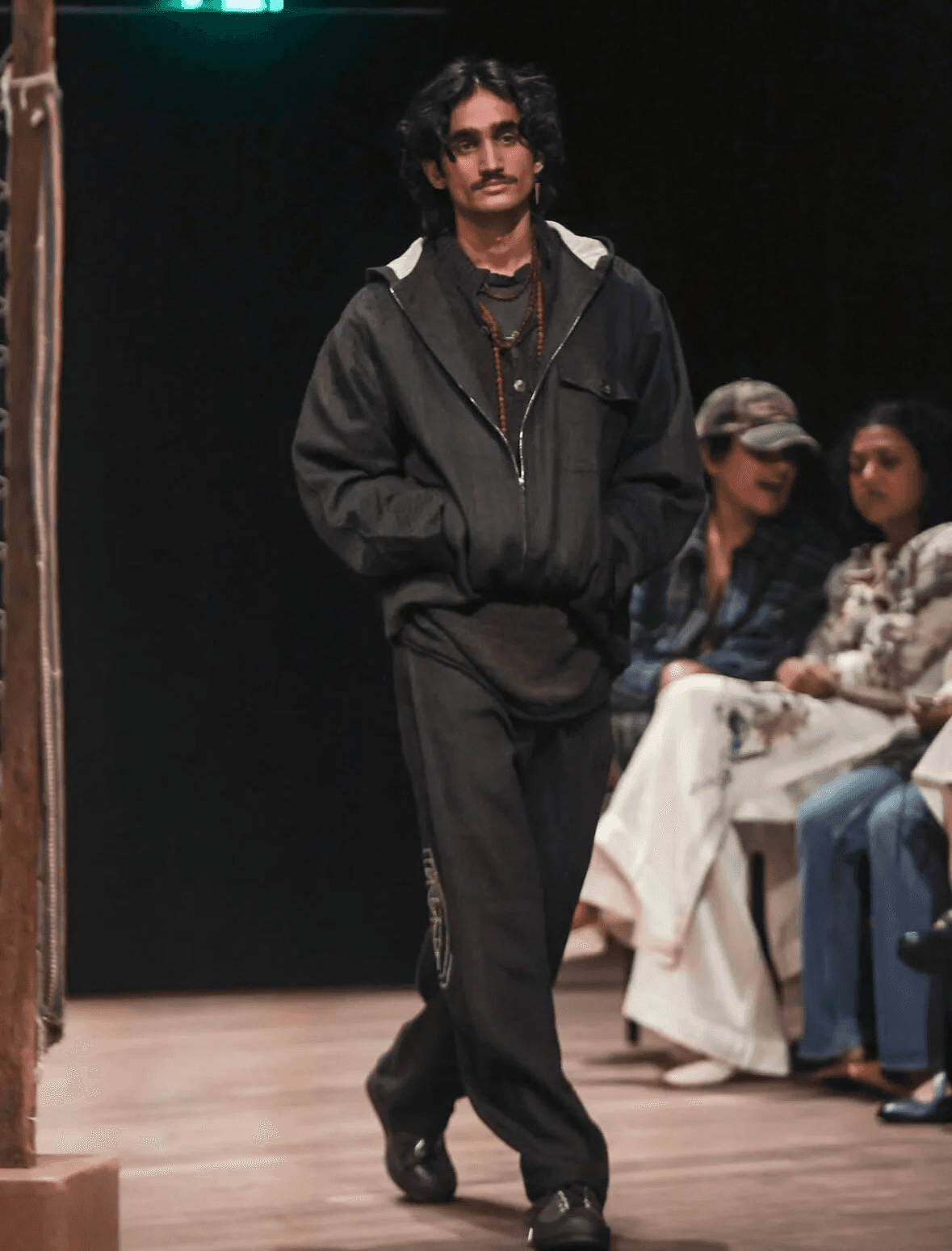
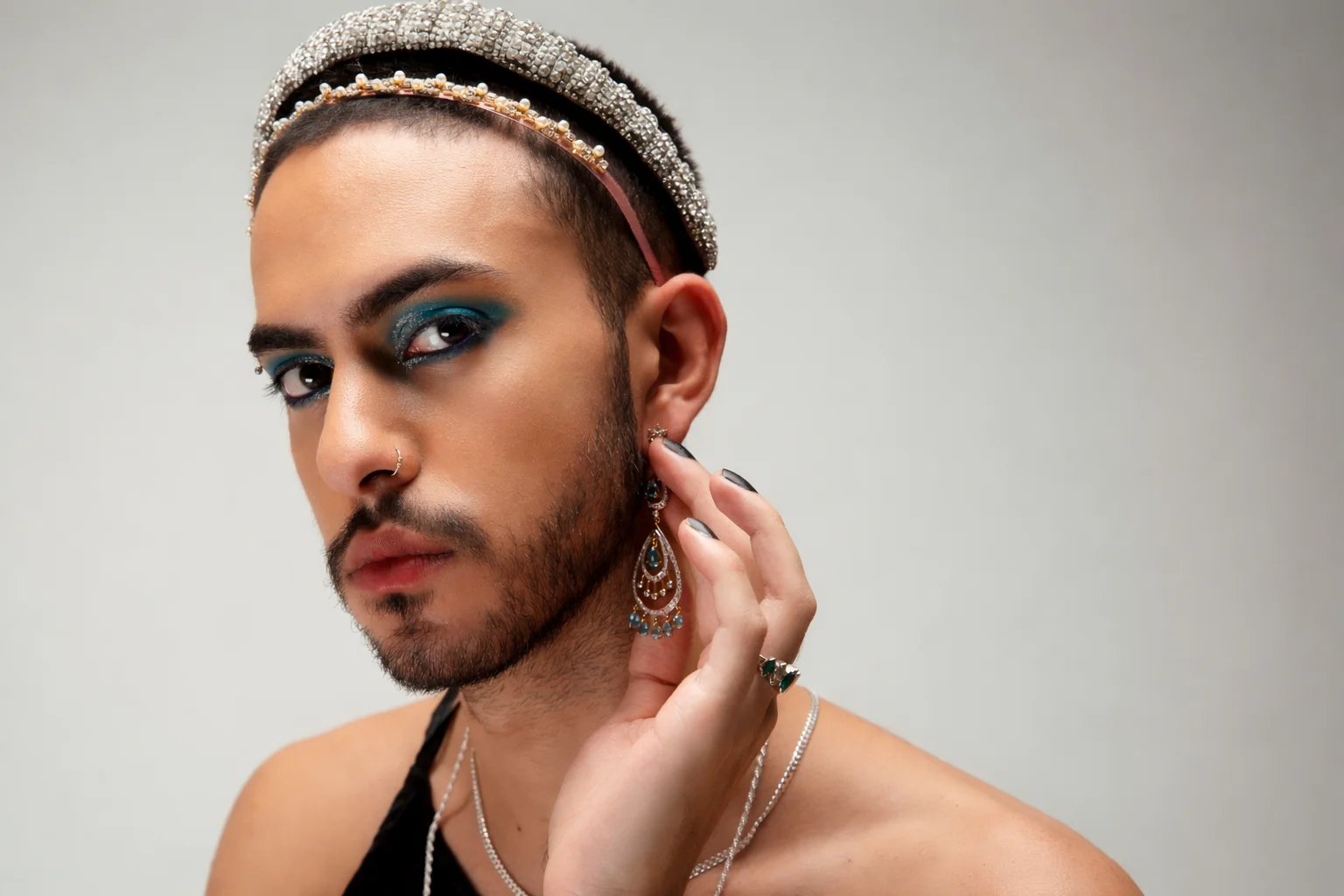
Divyanshu Joshi walking the runway at Lakmé Fashion Week
To conclude in Mariyam Khatri's words, "We are at a point where AI can generate extraordinary imagery. So why are we still putting real people in genuinely dangerous situations for a shot that looks cool? The creative ambition is real. So is the person in front of the camera. At some point we have to ask whether the risk is ever justified, and who actually gets to make that call."
Divyanshu Joshi was 26. He was from Ambedkar Nagar, Delhi. He had been at Kartik Research for two years. He walked at the Lakmé Fashion Week. He is survived by his family.
He deserved a contract. He deserved insurance. He deserved a safety assessment before anyone sent him to a quarry that had already killed people.
He deserved to be spoken about within 72 hours.
French Press Global reached out to Kartik Research for comment. They have not responded.
French Press Global reached out to the Fashion Design Council of India for comment on this story. We look forward to including their perspective and will update our reporting when they respond.
Footnote: A case of unnatural death has been registered by Kodanad Police. Reporting draws on accounts from Kodanad Police, Mudakuzha Grama Panchayat, The News Minute, Gulf News, Manorama Online, and public statements by Kartik Research. Institutional context draws on the BFMA Code of Practice, the New York State Fashion Workers Act (DLA Piper; ArentFox Schiff), the Code on Social Security, 2020 (Vikaspedia; East Asia Forum), the Kerala State Human Rights Commission proceedings (South First), and brand background from Kartik Research's published statements at kartikresearch.in, the Fédération de la Haute Couture et de la Mode, Hypebeast, and WWD.
TO BE CONTINUED, FOR SUBSCRIBERS ONLY.
This is where the surface ends and the reporting begins.
The complete piece, the full archive, and access to The French Press Circle. Reporting answerable only to its readers.
Already a subscriber ?
Login
Read these on the house, with our compliments.
A selection from the current issue, open to all readers. Read them in full. The rest is one decision away.




The quarry had a gate. It had warning boards. It had killed four people in 2017 alone. The local panchayat president called it a death trap. The water descends more than 100 feet in an inverted spiral, deceptively shallow at the surface, fatal below. The quarry was dug in the shape of an inverted spiral pyramid, designed to allow vehicle movement when it was operational. The water at its base is more than 100 feet deep with multiple rock layers.
The Pettamala quarry near Kuruppampady, Kerala
Divyanshu Joshi found it on Google.
On May 28, 2026, he drove out to the Pettamala quarry near Kuruppampady to scout it, one day before the formal shoot and one day before the panchayat permission was to be sought. According to Kodanad Police Station House Officer Sarin A.S., Joshi and two other men from Delhi had travelled to Kerala for the shoot of an advertisement film. The shooting was scheduled for the following day, but Joshi and his friends reached Mudakuzha a day early without informing their team in Kerala. The shoot was for Kartik Research, a Delhi label whose clothes had been worn to Paris Fashion Week and to the inauguration of New York City Mayor Zohran Mamdani, who donned the brand's eri silk tie for his swearing-in. Divyanshu ran their Delhi store. He walked the Lakmé Fashion Week for them. He was, by any measure, one of their people.
Divyanshu Joshi
He stepped into the water. He slipped. He sank. He was found at a depth of around 30 feet and was rushed to Perumbavoor Taluk Hospital, where he was pronounced dead. His remains were flown back to Delhi on the following evening. A case of unnatural death has been registered by Kodanad Police.
Kartik Research issued a statement three days later, after attention was drawn to the case by content creator Otherwarya on social media, who called for accountability from the brand. Only after the silence had already said everything."A site visit is part of the job. A location scout is labour. Three days of silence is a choice."
Who Is Responsible?
Kartik Research's statement said Divyanshu "was not participating in any swimming-related activity as part of the production." Read that sentence slowly. It is technically accurate. It is also a legal manoeuvre dressed as grief.
By placing "the production" as the boundary of their responsibility, the brand argues that the death happened outside their jurisdiction - he arrived early, he went off-script, and he entered the water on his own. In any other industry, this logic would not survive a courtroom. In construction, in film under union rules, in manufacturing, the duty of care begins the moment you send someone somewhere on your behalf. A location scout is working. Arriving a day early to prepare for your employer's shoot is work. The camera doesn't have to be rolling for someone to be on the job.
The models who spoke to French Press Global confirmed what the brand's framing obscures that the informal architecture of shoots places all risk on the worker while granting the brand maximum distance. Model Stavya Kasireddi described the structure clearly: "In my experience, there is very little direct conversation about safety before a shoot, especially when an agency is managing the coordination between the client and the talent. I've often relied on my manager or agency to ensure that the necessary checks have been done and that the production is operating responsibly. As far as contracts are concerned, most of my work has been governed by emails outlining the terms of the shoot rather than detailed agreements that address safety, liability, or risk. In many cases, conversations around potentially challenging conditions only happen once you're already on set."
Stavya Kasireddi, model
An anonymous model working in the industry was equally direct: "We certainly do not have any questions around safety. Shoots don't come with contracts, mostly only confirmation emails that contain basic details." She added that risky outdoor shoots "should be avoided at all costs, if not should come with insurance at the least so that clients know what costs such things come at."
Senior model Aparna Verma named the structural problem directly. "As models, we are usually briefed extensively on the creative aspects of a project, but not always on the operational side of it. There is often an element of trust involved. You trust that the people organising the shoot have assessed the location, considered potential risks, and put the necessary safeguards in place." That trust, as Divyanshu's death makes clear, has no legal foundation under it.
Aparna Verma, senior model
But Indian fashion is not those industries with structural accountability. It has no equivalent to the UK's Health and Safety at Work Act. The Code on Social Security, 2020, came into effect on 21 November 2025, merging nine existing social security acts into one framework and formally recognising gig and platform workers for the first time. It acknowledges that people like Divyanshu exist, yet does almost nothing to protect them. The Code recognises gig workers and requires platforms to contribute one to two per cent of their annual turnover to a Social Security Fund covering life and disability cover and accident insurance, but welfare provision remains discretionary, access is conditioned on engagement thresholds, and there is no mechanism to hold a brand accountable for the death of someone who was, functionally, working for them.
The invisible label under which the entire creative gig economy operates is "independent contractor." It is a classification designed to absolve. No accident cover. No provident fund. No paid leave. Nearly 47 per cent of gig workers in India have no insurance, with only 7.4 per cent covered by health insurance, according to a 2022 study by the CIIE.CO, the IIM Ahmedabad-based incubator. Models occupy the most invisible corner of all: too aspirational to organise, too informal to regulate.
The Location Problem No One Wants to Touch
The Pettamala quarry near Kuruppampady, Kerala
There is a unique visual language that defines Indian indie fashion photography right now: quarries, ruins, rooftops, cliff edges, abandoned industrial sites. The tension between decay and beauty. The texture you cannot fake in a studio. Kartik Research draws inspiration from India's rich subcultures, exploring themes of heritage and aspiration. The brand collaborates closely with master artisans to revive forgotten Indian crafts. That aesthetic commitment, at its most ambitious, extends to location. Kartik Research is especially associated with this grammar of the found, the raw, the geographically remote.
Nobody asks who carries the risk of reaching these places.
Bollywood productions, for all their dysfunction, operate within some union structures. They have fixers, location managers, and production houses with insurance. An independent fashion shoot - a brand, a photographer, a model, maybe one assistant - has none of this. No safety officer. No first-aid requirement. No protocol for sending someone to scout an unmarked, restricted body of water.
Stavya Kasireddi put it plainly: "I don't think safety is intentionally ignored, but it often isn't discussed with the same level of detail as budgets, timelines, deliverables, or creative direction. As someone working in the industry, I'd like to see those conversations happen earlier and more proactively, especially for travel shoots, outdoor locations, or environments that may involve additional risks."
Stavya Kasireddi, model
The Mudakuzha Grama Panchayat president, Shaimy Varghees, told The News Minute that while there are 48 quarries in the area, the quarry where Divyanshu fell had been closed since 1997. "The quarry pit is heavily restricted. It is nearly 100 feet deep. The water there is extremely deep and very cold. Even people who are good swimmers can find it difficult; if someone gets trapped in it, swimming back out can be very challenging." She added that the panchayat does not permit anyone to enter or conduct shoots in such quarries, and that since the land belongs to the Revenue Department, the panchayat has limited authority over it.Panchayat officials confirmed that no permission had been granted for any advertisement shoot at the location, and that the organisers had reportedly intended to approach the local body for approval only on the following day.
Someone found it, researched it, and decided it was beautiful enough to shoot. That decision did not appear from nowhere. It travelled through a chain of approvals, or at least conversations. At some point, someone said yes.
The anonymous model who spoke to us was direct about where that chain of responsibility sits: "If the team had flown all the way to the location, they must have done some research, enough to know that that place is called a death trap and many people have drowned there in the past as well. The team should never have gone there without permission, and they should never have let anyone get into the water. It is everyone's responsibility to look after each other. Nobody can be taking such things for granted."
When did the responsibility begin? That is not just a legal question. It is a moral one. And the industry has never been forced to answer it.
Three Days
Brands talk endlessly about community. They build identities around care. Kartik Research's stated core tenet is to "reintroduce humanness into clothing," and it has earned true respect for that language. Its collections are handloomed, hand-dyed, and built on craft.
Which makes the silence worse, not better.
A young man who ran the store, walked the runway, carried the brand's identity on his face and body, drowned while doing something connected to a shoot for that brand. His family was in Delhi. His body was flown home. And for 72 hours, the brand said nothing. Not a condolence. Not an acknowledgement. Nothing, until the internet forced their hand.
The statement that finally came read: "We are heartbroken by the loss of our dear colleague and friend, Divyanshu Joshi, who passed away on 28 May 2026. For the past two years, Divyanshu led our Delhi store with warmth, dedication, and generosity. He was deeply loved by his team and will be profoundly missed by everyone who had the privilege of knowing and working alongside him."
It drew that line around "the production." It did not address what protections were in place. It did not say what would be done for his family. It did not say what would change.
Aparna Verma reflected on what that silence means structurally: "Our industry has become incredibly sophisticated creatively, but perhaps there is still room to become more systematic when it comes to safety and risk management. Behind every campaign, every runway show, and every image are real people with families, dreams, and futures." She pointed to insurance as the most practical entry point: "What insurance often does is require a production to think through potential risks before a shoot even begins. Once insurance becomes part of the process, questions naturally follow. What is the location? Has it been assessed? Are there known hazards? Is there emergency access? Who is responsible for safety on site?"
Stavya Kasireddi spoke to the human cost of a culture that leaves these conversations unstructured: "Yes, there have been shoots where conditions were challenging because of weather, terrain, or long hours. In my experience, the difference is always the team. The best teams make people feel comfortable speaking up, whether that's checking in on wellbeing, communicating clearly, or simply making sure everyone is looked after on set. As freelancers, many of us want to be seen as easy to work with, which can make it harder to raise concerns.That's why I don't think it should be an individual's responsibility to identify a potential risk, navigate it, and decide whether to act on it in the moment. Safety should be built into the culture of a shoot, with clear communication and shared responsibility across the team."
Silence is never neutral. It is a decision. And three days of it, as Divyanshu's story circulated in Kerala, as his family grieved, as the informal structure of the shoot went unexamined, is its own kind of answer.
Chaiti Narula, Editor-In-Chief of French Press Global
Chaiti Narula, journalist and founder of French Press Global Mag identified what the three-day gap actually reveals about the press's failure of nerve: "The detail that stays with me is not the three-day silence itself but what ended it: journalist Aishwarya Subramanyam, who called publicly for accountability from the brand. The press, as an institution, was not the forcing mechanism here. That is worth sitting with seriously."
She was clear about what the statement's language was designed to accomplish: "The Kartik Research statement, when it came, was structured around one precise clarification: that Divyanshu was not participating in any swimming-related activity as part of the production. That is legal language. It establishes distance between the brand's production mandate and the circumstances of a 26-year-old's death at a location identified for that production, accessed without panchayat permissions, at a site marked as a death trap after multiple previous drownings. The question of duty of care is the one journalism is positioned to keep alive, through the police investigation and beyond."
So What Happens Now?
The Fashion Design Council of India is the most credible institutional home for this conversation. It has the relationships across ministries, the standing with designers, and the proximity to the people this industry runs on. The question is not whether the FDCI cares. The question is whether one incident, however devastating, is enough to move the machinery of institutional change, given how slowly that machinery has historically turned in Indian fashion.Because if the answer is "after the next death," then we already know what this industry thinks its workers are worth.
The structural problem is one of architecture. India has no mandatory framework requiring shoot-day insurance, no standardised contract that establishes duty of care from the moment a worker begins travel, and no location protocol that applies uniformly across independent productions. The Code on Social Security, 2020, gestures toward gig worker protections but leaves implementation discretionary. The result is a system where every brand, every photographer, every independent production effectively sets its own standards, or sets none at all. That is the gap the FDCI is positioned to close, and it is a gap that will require sustained institutional effort, a series of deliberate decisions made by people with genuine access to decision-makers.
Because if the answer is "after the next death," then we already know what this industry thinks its workers are worth.
Mariyam Khatri, Founder of BANANA Labs
Mariyam Khatri, designer and founder of Banana Labs, was candid about the gap between intention and infrastructure: "We haven't done any outdoor shoots yet. Almost everything we do is at our studio, our workshop, or spaces we already know. So we don't have a formal outdoor protocol because we haven't needed one yet. Divyanshu's death makes you think about what that should look like before you need it, not after. A recce, a test shoot with the photographer going in first, a proper read of the space. That has to be the minimum. And I think the industry needs to agree on that together, not leave every brand to figure it out alone."
Comparable frameworks exist and offer a clear starting point. The British Fashion Model Agents Association's Code of Practice, operating under the aegis of the British Fashion Council, requires all clients to provide adequate insurance to safeguard the health and safety of the model as if he or she were an employee of the client. That standard is contractual. In New York, the Fashion Workers Act, signed by Governor Kathy Hochul on December 21, 2024 and effective from June 2025, requires model management companies to provide models with contracts and deal memos outlining their roles, compensation, and obligations before any engagement begins. The Act prohibits commission fees greater than 20 per cent of a model's compensation and imposes fiduciary duties on management companies.
As Chaiti Narula noted: "In the UK, the British Fashion Council and the British Fashion Model Agents Association operate a formal Model Welfare framework: a welfare document goes to every designer and show producer at London Fashion Week, clients must carry insurance for models as though they were direct employees, and a complaint mechanism exists independent of any brand. In New York, the Fashion Workers Act, signed in December 2024 and effective from June this year, places fiduciary duty on management companies, mandates deal memos before a model begins any job, caps commissions at 20 per cent, and requires liability insurance on set. These systems exist because someone decided to build them. India has the institutional architecture to do the same, and the FDCI is the most credible place to start."
The Kerala State Human Rights Commission has already moved at the state level. Commission Chairperson Justice Alexander Thomas has sought detailed reports from multiple government departments on the dangers posed by abandoned quarries, directed the Director of Mining and Geology to submit recommendations within one month, and called for a broader investigation under the Ernakulam District Collector. That a state human rights body has convened in response to the death of a fashion worker is itself a signal. The conversation is happening at the administrative level. The industry has an opportunity to meet it there.
Khatri was direct about the contractor arrangement that makes accountability so difficult to locate. "The contractor model works for the brand because it keeps costs flexible. But it puts all the risk on the person doing the work. The model, the stylist, the shoot-day crew. No insurance, no accident cover, no employer liability. When something goes wrong, there is nothing to catch them. I don't think designers get to step away from this conversation just because the legal arrangement says they're not the employer. If someone is on your shoot, at your location, making your work visible, the responsibility doesn't fully sit somewhere else. The image is never worth more than the person making it."
On the question of what structural change actually requires, Narula measured,
"The Hema Committee produced change because it was externally mandated, judicially overseen, and gave witnesses legal protection. The Malayalam film industry did not arrive at that reckoning voluntarily. Indian fashion has no equivalent forcing mechanism yet, and social media outrage, however justified, does not produce enforceable outcomes. If structural change is to come, it will require the kind of institutional intent and legwork that only a body with genuine access to decision-makers can sustain."
The anonymous model speaking to us offered the sharpest summary of what unity would require: "Models lack unity as a community, and we need to unite for some kind of structure around our working environment, working hours, compensation, overtime, and working conditions. Most models are okay to go out of their way for the bare minimum just to make a good impression and not come across as 'difficult.' If it's something that you're not okay with, communicating your boundaries professionally and politely will always take you a long way."That is a generous reading of a system that has never offered the same generosity in return.
Stavya Kasireddi closed with a reflection that captures where the industry stands.
"What happened to Divyanshu is very unfortunate, and the reality is that it could have been any of us. I don't know enough about the circumstances to comment on where responsibility lies, and I think it's important not to jump to conclusions. But it has made a lot of us reflect on how rarely safety is discussed compared to timelines, budgets, and deliverables. I'd like to see more proactive conversations around safety before a shoot begins, especially when travel, outdoor locations, or unfamiliar environments are involved. There should be clear communication, proper planning, and shared responsibility across everyone involved."
Aparna Verma framed the requirement simply."Safety should not depend on assumptions, experience, or hierarchy. It should be embedded into the process from the very beginning, just like budgeting, scheduling, casting, and creative planning. Because the wellbeing of the people creating the work should be considered every bit as important as the work itself."
Divyanshu Joshi walking the runway at Lakmé Fashion Week
To conclude in Mariyam Khatri's words, "We are at a point where AI can generate extraordinary imagery. So why are we still putting real people in genuinely dangerous situations for a shot that looks cool? The creative ambition is real. So is the person in front of the camera. At some point we have to ask whether the risk is ever justified, and who actually gets to make that call."
Divyanshu Joshi was 26. He was from Ambedkar Nagar, Delhi. He had been at Kartik Research for two years. He walked at the Lakmé Fashion Week. He is survived by his family.
He deserved a contract. He deserved insurance. He deserved a safety assessment before anyone sent him to a quarry that had already killed people.
He deserved to be spoken about within 72 hours.
French Press Global reached out to Kartik Research for comment. They have not responded.
French Press Global reached out to the Fashion Design Council of India for comment on this story. We look forward to including their perspective and will update our reporting when they respond.
Footnote: A case of unnatural death has been registered by Kodanad Police. Reporting draws on accounts from Kodanad Police, Mudakuzha Grama Panchayat, The News Minute, Gulf News, Manorama Online, and public statements by Kartik Research. Institutional context draws on the BFMA Code of Practice, the New York State Fashion Workers Act (DLA Piper; ArentFox Schiff), the Code on Social Security, 2020 (Vikaspedia; East Asia Forum), the Kerala State Human Rights Commission proceedings (South First), and brand background from Kartik Research's published statements at kartikresearch.in, the Fédération de la Haute Couture et de la Mode, Hypebeast, and WWD.
TO BE CONTINUED, FOR SUBSCRIBERS ONLY.
This is where the surface ends and the reporting begins.
The complete piece, the full archive, and access to The French Press Circle. Reporting answerable only to its readers.
Already a subscriber ?
Login
Read these on the house, with our compliments.
A selection from the current issue, open to all readers. Read them in full. The rest is one decision away.