
On 18 May 2026, the Central Drugs Standard Control Organisation issued a public notice clarifying that products supplied in injectable form do not fall under the definition of cosmetics under the Drugs and Cosmetics Act, 1940 and the Cosmetics Rules, 2020. The notice also stated that no cosmetic may be used as an injection by consumers, professionals, or aesthetic clinics.
For an industry that has spent years positioning injectables as the next step after skincare, the CDSCO notice marked a hard stop. The promise may be glow, hydration or prevention, but the act of injecting a product into the face is still medical.
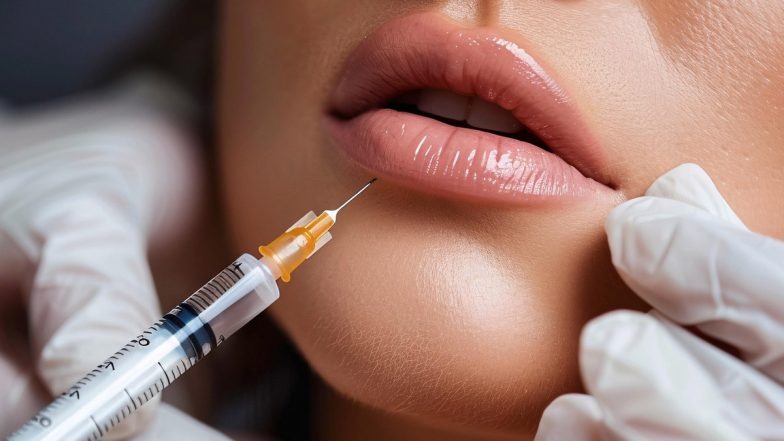
Injectable cosmetic products not allowed under the law
Source: The Earth News
This clarification didn’t appear out of the blue. Over the past few years, injectable treatments have become impossible to miss. Increasingly, Botox and fillers now share space with skincare routines, both online, in clinics and medspas. As these procedures go mainstream, the line between cosmetic products and medical procedures has faded.
Dr Geeta Grewal, cosmetologist and founder of 9 Muses Wellness, said demand has surged in recent years. “Botox and fillers have been around for a long time, but they weren’t that popular,” she said. “Now awareness has increased, and people ask for them much more.” She noted that as more people seek these procedures, the number of providers has grown as well, increasing competition, price sensitivity, and opportunities for black marketing, fake and substandard products, and smuggled stock.

Dr Geeta Grewal, founder and CMD 9Muses Wellness.
Source: The Glitz Media
A clinic can look convincing even when medical oversight is an afterthought. As Dr Grewal pointed out, many are run by investors rather than doctors. Sometimes, a doctor clocks in for an hour or two, with no doctor present for the rest of the day.
Patients often have no way of knowing who is actually carrying out the procedure. Grewal said she has seen centres where injectables are administered by people from other medical or allied fields, including Ayurvedic doctors and physiotherapists. “The physiotherapist also wears a doctor’s coat,” she said. “If somebody in a clinic premises is wearing a lab coat, the patient presumes that this person is a doctor.”
In some cases, she said, companies have doctors available via video calls to guide the person administering the injection after reviewing patient photographs. “They do a video call, they exchange patients’ photos, and they ask them over the phone where and how much should be placed,” she said. “But then that’s not the treatment, is it?”
That line is the heart of the problem. Injectables are not just about slipping something under the skin. Grewal studies the face, maps out structure and proportions, and decides exactly what goes where. These choices cannot be reduced to a phone call and a photograph.
Skip the assessment, and the risks start stacking up. Bad technique, wrong placement, or a shaky grasp of anatomy can leave patients with asymmetry, lumps, or results that need fixing sometimes urgently.
For treatments like these, the price is usually the first thing a patient sees. Skill reveals itself later, sometimes in the result, sometimes in the damage.
During the interview, Grewal recalled a patient who had travelled to a newly opened clinic because Botox was being offered at a special rate. The treatment was meant to be the usual lunchtime procedure. Instead, she said, the patient developed fever for two to three days, difficulty swallowing, visible facial asymmetry, and trouble speaking fluently. “She landed up with a lot of issues after a simple treatment,” Grewal said. “That’s not something patients expect when they walk in for a routine procedure.”
By the time someone walks into the clinic, the decision has been building for months. It might start with a friend’s casual comment, a tempting discount, or one too many perfect faces on your feed. Dr Samir Parikh, chairperson of the Mental Health Program at Fortis, points out that body image worries are old news, but social media has made them harder to ignore. For some, the mirror becomes a battleground where imagined flaws start to feel real.

Dr Samir Parikh, Chairperson of the mental health program at Fortis Hospital.
Source: Dr Samir Parikh
For procedures tied to body image, Parikh said psychological guidance should be part of the process. The physical fix might work. The feeling that sent someone looking for it often stays.
The CDSCO notice may be written in the language of classification, but the point is simple. A product that is bought through clinics, injected into the body, and pursued for beauty’s sake was never going to sit comfortably in the world of cosmetics. Now, the notice makes that hard to miss.
TO BE CONTINUED, FOR SUBSCRIBERS ONLY.
This is where the surface ends and the reporting begins.
The complete piece, the full archive, and access to The French Press Circle. Reporting answerable only to its readers.
Already a subscriber ?
Login
Read these on the house, with our compliments.
A selection from the current issue, open to all readers. Read them in full. The rest is one decision away.








On 18 May 2026, the Central Drugs Standard Control Organisation issued a public notice clarifying that products supplied in injectable form do not fall under the definition of cosmetics under the Drugs and Cosmetics Act, 1940 and the Cosmetics Rules, 2020. The notice also stated that no cosmetic may be used as an injection by consumers, professionals, or aesthetic clinics.
For an industry that has spent years positioning injectables as the next step after skincare, the CDSCO notice marked a hard stop. The promise may be glow, hydration or prevention, but the act of injecting a product into the face is still medical.
Injectable cosmetic products not allowed under the law
Source: The Earth News
This clarification didn’t appear out of the blue. Over the past few years, injectable treatments have become impossible to miss. Increasingly, Botox and fillers now share space with skincare routines, both online, in clinics and medspas. As these procedures go mainstream, the line between cosmetic products and medical procedures has faded.
Dr Geeta Grewal, cosmetologist and founder of 9 Muses Wellness, said demand has surged in recent years. “Botox and fillers have been around for a long time, but they weren’t that popular,” she said. “Now awareness has increased, and people ask for them much more.” She noted that as more people seek these procedures, the number of providers has grown as well, increasing competition, price sensitivity, and opportunities for black marketing, fake and substandard products, and smuggled stock.
Dr Geeta Grewal, founder and CMD 9Muses Wellness.
Source: The Glitz Media
A clinic can look convincing even when medical oversight is an afterthought. As Dr Grewal pointed out, many are run by investors rather than doctors. Sometimes, a doctor clocks in for an hour or two, with no doctor present for the rest of the day.
Patients often have no way of knowing who is actually carrying out the procedure. Grewal said she has seen centres where injectables are administered by people from other medical or allied fields, including Ayurvedic doctors and physiotherapists. “The physiotherapist also wears a doctor’s coat,” she said. “If somebody in a clinic premises is wearing a lab coat, the patient presumes that this person is a doctor.”
In some cases, she said, companies have doctors available via video calls to guide the person administering the injection after reviewing patient photographs. “They do a video call, they exchange patients’ photos, and they ask them over the phone where and how much should be placed,” she said. “But then that’s not the treatment, is it?”
That line is the heart of the problem. Injectables are not just about slipping something under the skin. Grewal studies the face, maps out structure and proportions, and decides exactly what goes where. These choices cannot be reduced to a phone call and a photograph.
Skip the assessment, and the risks start stacking up. Bad technique, wrong placement, or a shaky grasp of anatomy can leave patients with asymmetry, lumps, or results that need fixing sometimes urgently.
For treatments like these, the price is usually the first thing a patient sees. Skill reveals itself later, sometimes in the result, sometimes in the damage.
During the interview, Grewal recalled a patient who had travelled to a newly opened clinic because Botox was being offered at a special rate. The treatment was meant to be the usual lunchtime procedure. Instead, she said, the patient developed fever for two to three days, difficulty swallowing, visible facial asymmetry, and trouble speaking fluently. “She landed up with a lot of issues after a simple treatment,” Grewal said. “That’s not something patients expect when they walk in for a routine procedure.”
By the time someone walks into the clinic, the decision has been building for months. It might start with a friend’s casual comment, a tempting discount, or one too many perfect faces on your feed. Dr Samir Parikh, chairperson of the Mental Health Program at Fortis, points out that body image worries are old news, but social media has made them harder to ignore. For some, the mirror becomes a battleground where imagined flaws start to feel real.
Dr Samir Parikh, Chairperson of the mental health program at Fortis Hospital.
Source: Dr Samir Parikh
For procedures tied to body image, Parikh said psychological guidance should be part of the process. The physical fix might work. The feeling that sent someone looking for it often stays.
The CDSCO notice may be written in the language of classification, but the point is simple. A product that is bought through clinics, injected into the body, and pursued for beauty’s sake was never going to sit comfortably in the world of cosmetics. Now, the notice makes that hard to miss.
TO BE CONTINUED, FOR SUBSCRIBERS ONLY.
This is where the surface ends and the reporting begins.
The complete piece, the full archive, and access to The French Press Circle. Reporting answerable only to its readers.
Already a subscriber ?
Login
Read these on the house, with our compliments.
A selection from the current issue, open to all readers. Read them in full. The rest is one decision away.