
Modern skincare culture has a way of making brands famous before anyone’s even tried them. CeraVe was already a household name in India long before it hit the shelves. It showed up in dermatologist routines, American drugstore hauls, Reddit discussions, YouTube videos, and Instagram Reels. It travelled in suitcases, appeared on shopping lists for relatives abroad, and, by the time it officially launched, people already had built-in trust in the brand. That trust is what added fuel to the fire.
CeraVe’s reputation didn’t save it from the online backlash. Overnight, the “can’t live without” lists turned into “throwing out today” lists. Beauty forums speculated, comment sections fumed, and for a while, it came across less like a skincare debate and more like a smear campaign.

Post claiming CeraVe was being sued.
Source: @Scout.health on Instagram
It ended up being one of the more successful bits of skincare misinformation India has seen in a while.
What happened was more specific than the panic suggested. The concern wasn’t about CeraVe as a brand; it was about acne products containing benzoyl peroxide, an ingredient that is neither new nor controversial. "Benzoyl peroxide remains one of the most effective tools we have for managing acne and helping prevent long-term scarring," says Dr Ishaan Sardesai, Facial Cosmetic Surgeon and founder of The Face Centre.

Dr Ishaan Sardesai, Facial Cosmetic Surgeon and founder of The Face Centre.
Source: Ishaan Sardesai.
The chemistry behind the concern is real. Benzoyl peroxide can degrade into benzene, a known carcinogen. "The benzene findings deserve attention, but they should be viewed in context," Dr Ishaan adds. Social media heavily oversimplified that risk. The FDA limits benzene to 2 parts per million in drug products, but that does not prove that a product causes cancer.
The real issue was never “benzoyl peroxide equals cancer.” It was just a question of whether some benzoyl peroxide products, under certain conditions, end up with more benzene than allowed. That’s worth investigating. It’s also a far cry from “bin every CeraVe bottle you own.”
The confusion did not begin on social media, though that is where it picked up speed.
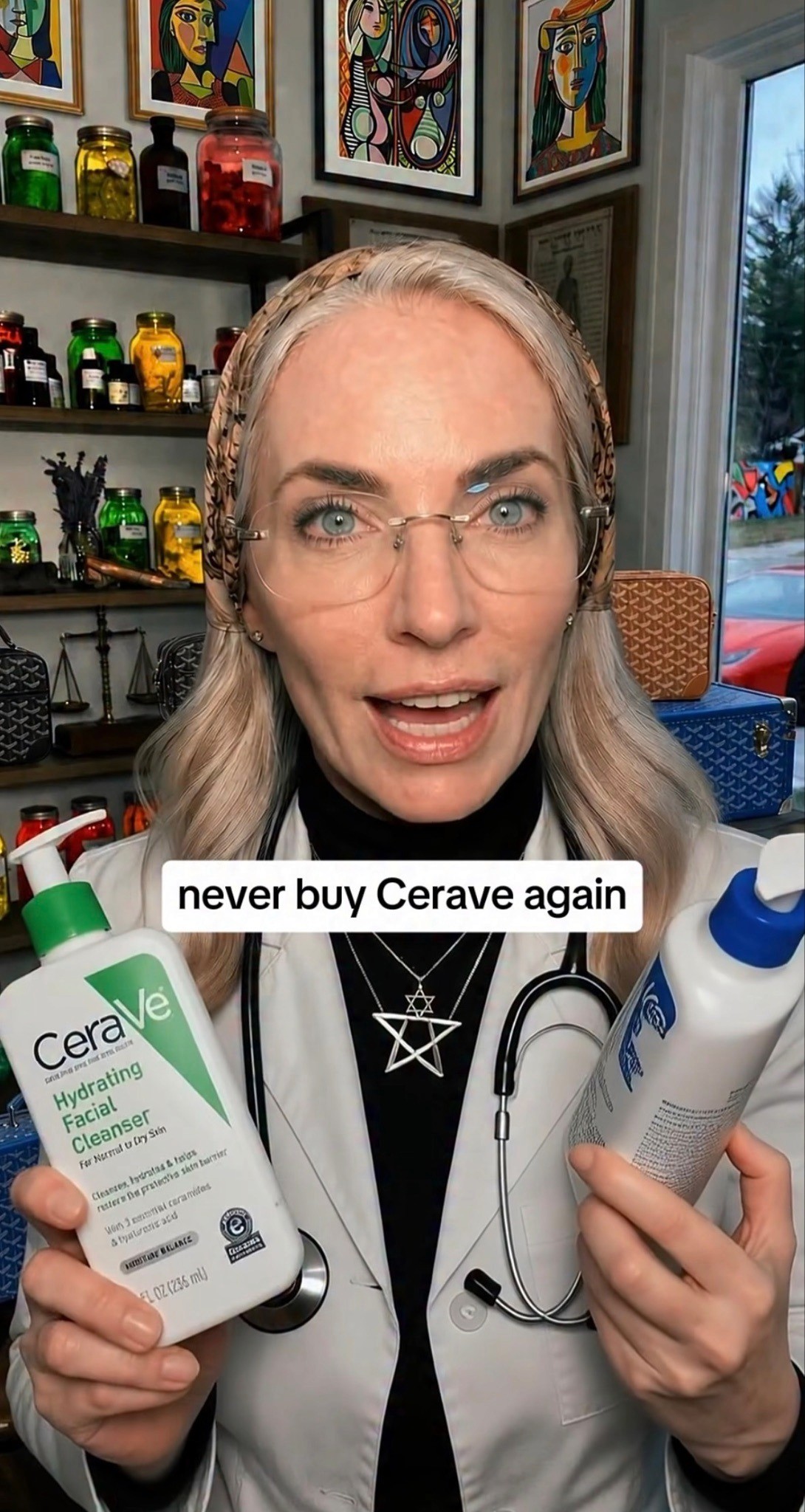
A wellness influencer and “healer” with a following of 294k, urging people not to buy CeraVe through fear-mongering tactics
Source: @Chayahealing on Instagram
In March 2024, Valisure, an independent testing lab, filed a citizen petition with the FDA after reporting that benzene could form at high levels in some benzoyl peroxide acne products. The lab had already drawn public attention from earlier testing on sunscreens, so its benzoyl peroxide findings had an audience waiting.
The response was split. Some scientists and industry groups pointed out that parts of the testing, especially the use of elevated temperatures, may not reflect how most people store or use these products. The concern was not baseless, but neither was it as clean-cut as the internet made it sound.
A year later, the FDA tested 95 benzoyl peroxide acne products, and the results read nothing like the headlines that preceded them. More than 90 per cent had undetectable or extremely low benzene levels. A limited number of them were flagged for voluntary retail-level recalls: La Roche-Posay Effaclar Duo, Walgreens Acne Control Cleanser, Proactiv Emergency Blemish Relief Cream, Proactiv Skin Smoothing Exfoliator, SLMD Benzoyl Peroxide Acne Lotion, Walgreens Tinted Acne Treatment Cream, and Zapzyt Acne Treatment Gel.
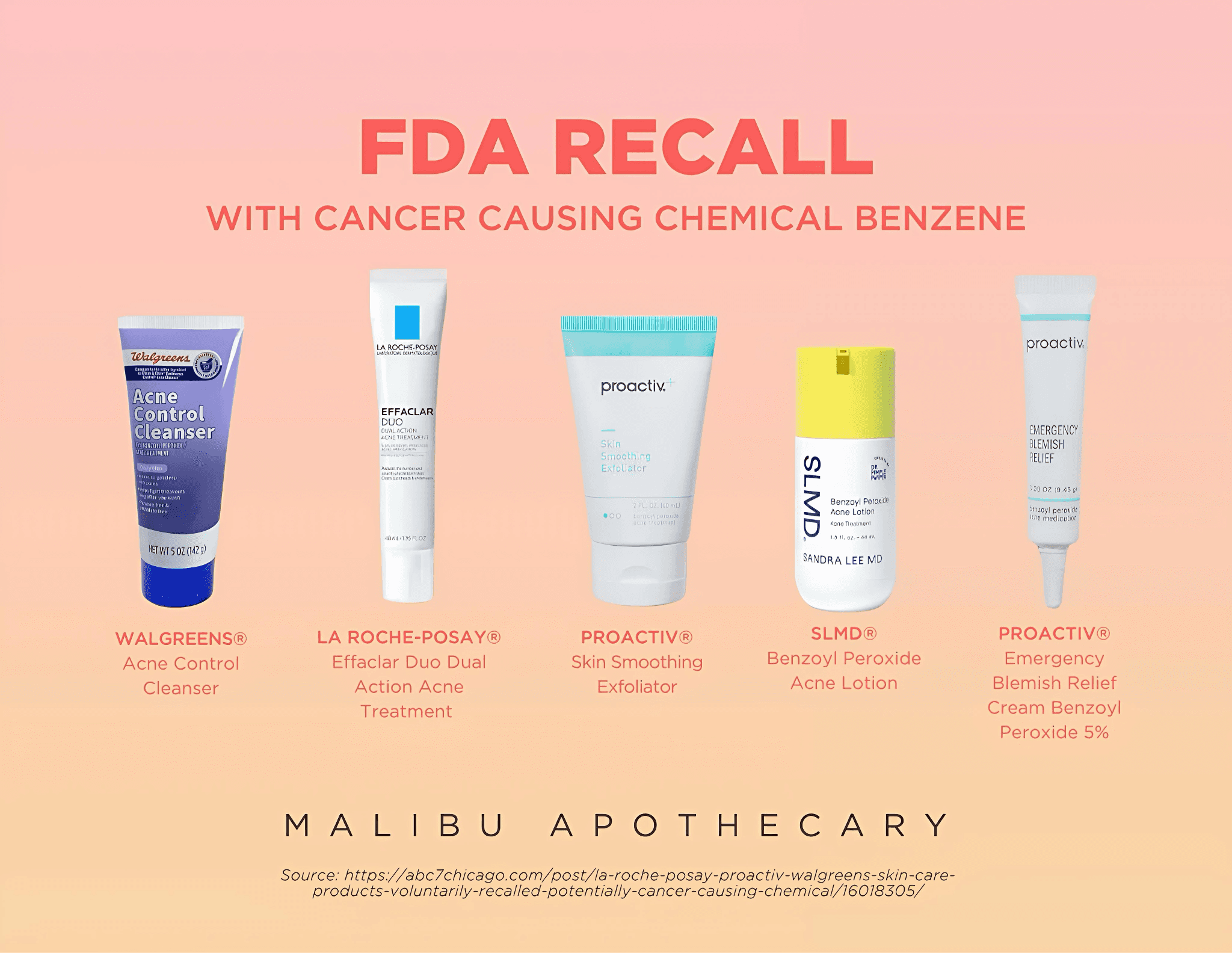
Products that the FDA recalled
Source: Malibu Apothecary
This is where the internet did what it does best: threw everything into one big pile. Tested products, recalled products, and anything mentioned in lawsuits or viral posts were all conflated, obscuring key facts. CeraVe was swept up in the frenzy despite never appearing on any recall list, a testament to the power of virality over reality.
The CeraVe panic took off on Indian social media in late 2025, then resurfaced in June 2026 with another round of viral videos. The most-shared posts showed CeraVe products that had nothing to do with benzoyl peroxide: moisturisers, cleansers, even the baby range. Anything familiar enough to make the rumour stick. The packaging did most of the heavy lifting.

The most circulated image online with claims of cancer-causing chemicals in CeraVe products
source: @Scitechgirl on X
The fact that should have ended the whole thing in five minutes was that CeraVe’s official India range doesn’t sell a single benzoyl peroxide acne product. The Blemish Control line on their Indian site runs on salicylic acid. For weeks, that didn’t matter. People discussed recalls, degradation, benzene, and carcinogens with utmost confidence, often without checking if the ingredient was even on their own bathroom shelf.
It’s a strange result for a skincare crowd that prides itself on ingredient literacy. People can tell you the difference between niacinamide, ceramides, and peptides. They can spot a cleanser just by looking at the bottle. Yet somewhere along the way, reading the actual ingredient list became optional. In the words of Dr Kiran Sethi, MD, Skin & Longevity doctor and founder of Isya Aesthetics, "The problem is not in knowledge, it is overconfidence in that knowledge."
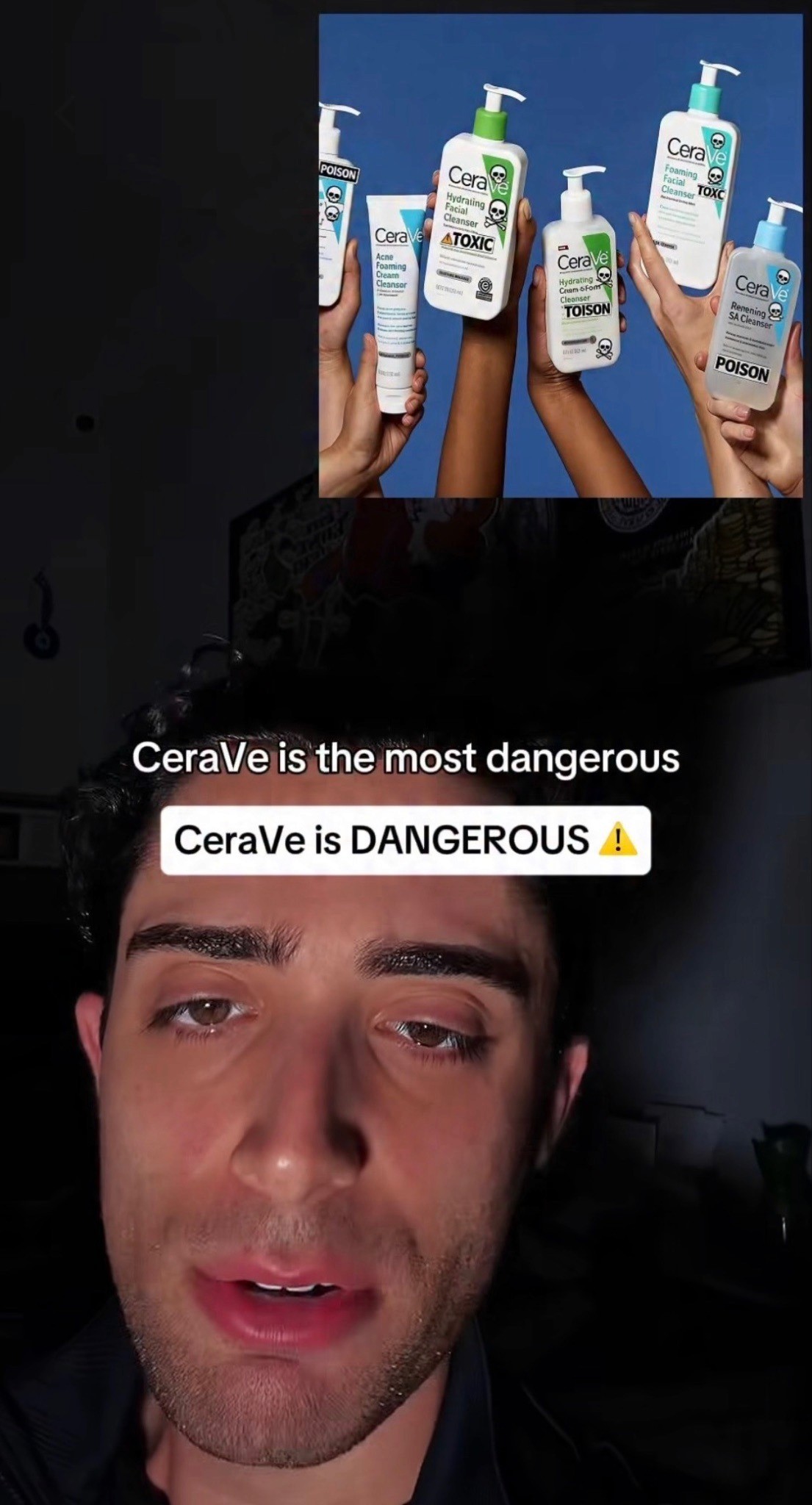
Another influencer spreading misinformation about CeraVe by using images of moisturisers and cleansers that do not contain benzoyl peroxide
Source: @Officialaronov on Instagram
L'Oréal’s response concerned La Roche-Posay Effaclar Duo specifically. The company voluntarily recalled the U.S. acne treatment after benzene was detected, stating that the trace levels were not expected to pose a significant risk. At the time of writing, there is no CDSCO warning naming CeraVe in connection with benzene or benzoyl peroxide products, and no court has found that any CeraVe product causes cancer. "Fear pushes people to react," says Dr Sethi. In this case, it also pushed people to react before they had checked the product, the ingredient, the country or the recall they were talking about.

Dr. Kiran Sethi, MD, Skin & Longevity Doctor, Founder of Isya Aesthetics, Double American board certified in Aesthetics & Lasers
Source: Kiran Sethi
Benzene got the same treatment. It’s a chemical that shows up in cigarette smoke, petrol fumes, paint, and industrial emissions long before it can be found in skincare. That doesn’t make it harmless, or contamination something to shrug off. It just moves the real question to exposure: how much, how often, and through what route. Benzoyl peroxide can break down into benzene with heat and time.
That is the part that deserves attention, especially in India. Bathroom shelves sit through hot afternoons, parcels travel in delivery vans, and products are often bought online with no clue how they were stored along the way. You’d think everything would degrade instantly, but the timeline is longer than the implications. These products are stability-tested under specific storage conditions. "It takes weeks, if not months, it's not automatic," Dr Sethi says. They’re also stored in temperature-controlled warehouses.
Both Dr Sethi and Dr Sardesai repeat the basics: buy from reputable retailers, check expiry dates, and store things in cool, dry places. Especially in hot, tropical climates, where heat is a given. If a product looks past its best or has been stored badly, just replace it. More importantly, if you’re putting something on your face, pay attention to how you store it and how long it’s been there. Acne products aren’t meant to bake in a parked car, lounge on a sunny windowsill, or survive months in a bathroom that turns into a sauna twice a day.
Throughout this scandal, certainty outpaced substance. What was missing was factual information, proving that misinformation can overshadow even the most ingredient-literate communities.
TO BE CONTINUED, FOR SUBSCRIBERS ONLY.
This is where the surface ends and the reporting begins.
The complete piece, the full archive, and access to The French Press Circle. Reporting answerable only to its readers.
Already a subscriber ?
Login
Read these on the house, with our compliments.
A selection from the current issue, open to all readers. Read them in full. The rest is one decision away.







Modern skincare culture has a way of making brands famous before anyone’s even tried them. CeraVe was already a household name in India long before it hit the shelves. It showed up in dermatologist routines, American drugstore hauls, Reddit discussions, YouTube videos, and Instagram Reels. It travelled in suitcases, appeared on shopping lists for relatives abroad, and, by the time it officially launched, people already had built-in trust in the brand. That trust is what added fuel to the fire.
CeraVe’s reputation didn’t save it from the online backlash. Overnight, the “can’t live without” lists turned into “throwing out today” lists. Beauty forums speculated, comment sections fumed, and for a while, it came across less like a skincare debate and more like a smear campaign.
Post claiming CeraVe was being sued.
Source: @Scout.health on Instagram
It ended up being one of the more successful bits of skincare misinformation India has seen in a while.
What happened was more specific than the panic suggested. The concern wasn’t about CeraVe as a brand; it was about acne products containing benzoyl peroxide, an ingredient that is neither new nor controversial. "Benzoyl peroxide remains one of the most effective tools we have for managing acne and helping prevent long-term scarring," says Dr Ishaan Sardesai, Facial Cosmetic Surgeon and founder of The Face Centre.
Dr Ishaan Sardesai, Facial Cosmetic Surgeon and founder of The Face Centre.
Source: Ishaan Sardesai.
The chemistry behind the concern is real. Benzoyl peroxide can degrade into benzene, a known carcinogen. "The benzene findings deserve attention, but they should be viewed in context," Dr Ishaan adds. Social media heavily oversimplified that risk. The FDA limits benzene to 2 parts per million in drug products, but that does not prove that a product causes cancer.
The real issue was never “benzoyl peroxide equals cancer.” It was just a question of whether some benzoyl peroxide products, under certain conditions, end up with more benzene than allowed. That’s worth investigating. It’s also a far cry from “bin every CeraVe bottle you own.”
The confusion did not begin on social media, though that is where it picked up speed.
A wellness influencer and “healer” with a following of 294k, urging people not to buy CeraVe through fear-mongering tactics
Source: @Chayahealing on Instagram
In March 2024, Valisure, an independent testing lab, filed a citizen petition with the FDA after reporting that benzene could form at high levels in some benzoyl peroxide acne products. The lab had already drawn public attention from earlier testing on sunscreens, so its benzoyl peroxide findings had an audience waiting.
The response was split. Some scientists and industry groups pointed out that parts of the testing, especially the use of elevated temperatures, may not reflect how most people store or use these products. The concern was not baseless, but neither was it as clean-cut as the internet made it sound.
A year later, the FDA tested 95 benzoyl peroxide acne products, and the results read nothing like the headlines that preceded them. More than 90 per cent had undetectable or extremely low benzene levels. A limited number of them were flagged for voluntary retail-level recalls: La Roche-Posay Effaclar Duo, Walgreens Acne Control Cleanser, Proactiv Emergency Blemish Relief Cream, Proactiv Skin Smoothing Exfoliator, SLMD Benzoyl Peroxide Acne Lotion, Walgreens Tinted Acne Treatment Cream, and Zapzyt Acne Treatment Gel.
Products that the FDA recalled
Source: Malibu Apothecary
This is where the internet did what it does best: threw everything into one big pile. Tested products, recalled products, and anything mentioned in lawsuits or viral posts were all conflated, obscuring key facts. CeraVe was swept up in the frenzy despite never appearing on any recall list, a testament to the power of virality over reality.
The CeraVe panic took off on Indian social media in late 2025, then resurfaced in June 2026 with another round of viral videos. The most-shared posts showed CeraVe products that had nothing to do with benzoyl peroxide: moisturisers, cleansers, even the baby range. Anything familiar enough to make the rumour stick. The packaging did most of the heavy lifting.
The most circulated image online with claims of cancer-causing chemicals in CeraVe products
source: @Scitechgirl on X
The fact that should have ended the whole thing in five minutes was that CeraVe’s official India range doesn’t sell a single benzoyl peroxide acne product. The Blemish Control line on their Indian site runs on salicylic acid. For weeks, that didn’t matter. People discussed recalls, degradation, benzene, and carcinogens with utmost confidence, often without checking if the ingredient was even on their own bathroom shelf.
It’s a strange result for a skincare crowd that prides itself on ingredient literacy. People can tell you the difference between niacinamide, ceramides, and peptides. They can spot a cleanser just by looking at the bottle. Yet somewhere along the way, reading the actual ingredient list became optional. In the words of Dr Kiran Sethi, MD, Skin & Longevity doctor and founder of Isya Aesthetics, "The problem is not in knowledge, it is overconfidence in that knowledge."
Another influencer spreading misinformation about CeraVe by using images of moisturisers and cleansers that do not contain benzoyl peroxide
Source: @Officialaronov on Instagram
L'Oréal’s response concerned La Roche-Posay Effaclar Duo specifically. The company voluntarily recalled the U.S. acne treatment after benzene was detected, stating that the trace levels were not expected to pose a significant risk. At the time of writing, there is no CDSCO warning naming CeraVe in connection with benzene or benzoyl peroxide products, and no court has found that any CeraVe product causes cancer. "Fear pushes people to react," says Dr Sethi. In this case, it also pushed people to react before they had checked the product, the ingredient, the country or the recall they were talking about.
Dr. Kiran Sethi, MD, Skin & Longevity Doctor, Founder of Isya Aesthetics, Double American board certified in Aesthetics & Lasers
Source: Kiran Sethi
Benzene got the same treatment. It’s a chemical that shows up in cigarette smoke, petrol fumes, paint, and industrial emissions long before it can be found in skincare. That doesn’t make it harmless, or contamination something to shrug off. It just moves the real question to exposure: how much, how often, and through what route. Benzoyl peroxide can break down into benzene with heat and time.
That is the part that deserves attention, especially in India. Bathroom shelves sit through hot afternoons, parcels travel in delivery vans, and products are often bought online with no clue how they were stored along the way. You’d think everything would degrade instantly, but the timeline is longer than the implications. These products are stability-tested under specific storage conditions. "It takes weeks, if not months, it's not automatic," Dr Sethi says. They’re also stored in temperature-controlled warehouses.
Both Dr Sethi and Dr Sardesai repeat the basics: buy from reputable retailers, check expiry dates, and store things in cool, dry places. Especially in hot, tropical climates, where heat is a given. If a product looks past its best or has been stored badly, just replace it. More importantly, if you’re putting something on your face, pay attention to how you store it and how long it’s been there. Acne products aren’t meant to bake in a parked car, lounge on a sunny windowsill, or survive months in a bathroom that turns into a sauna twice a day.
Throughout this scandal, certainty outpaced substance. What was missing was factual information, proving that misinformation can overshadow even the most ingredient-literate communities.
TO BE CONTINUED, FOR SUBSCRIBERS ONLY.
This is where the surface ends and the reporting begins.
The complete piece, the full archive, and access to The French Press Circle. Reporting answerable only to its readers.
Already a subscriber ?
Login
Read these on the house, with our compliments.
A selection from the current issue, open to all readers. Read them in full. The rest is one decision away.