
I overheard a conversation in the sewing room a few weeks ago that I was not supposed to be part of. Two women on our team, talking quietly while they worked, about tuition fees, about a son's exam results, about money moving from one hand to another in ways that had nothing to do with us and everything to do with us. I stayed quiet and kept listening.
A few days later Rekha Di brought sweets for the whole office. Her son had done well in his exams, and she was glowing about it, going around to everyone, making sure no one missed a piece. There was nothing quiet about her pride that day, and there should not have been.
Her son also goes to a cricket academy. She pays for it from her salary, every month, the same way she pays his school fees. I do not think she sees this as a sacrifice. I think she sees it as simply what a salary is for. A child doing well in his exams, learning cricket on weekends, because his mother has the dignity of a salary that is hers. I do not know how to measure a win like that. I only know I felt it.
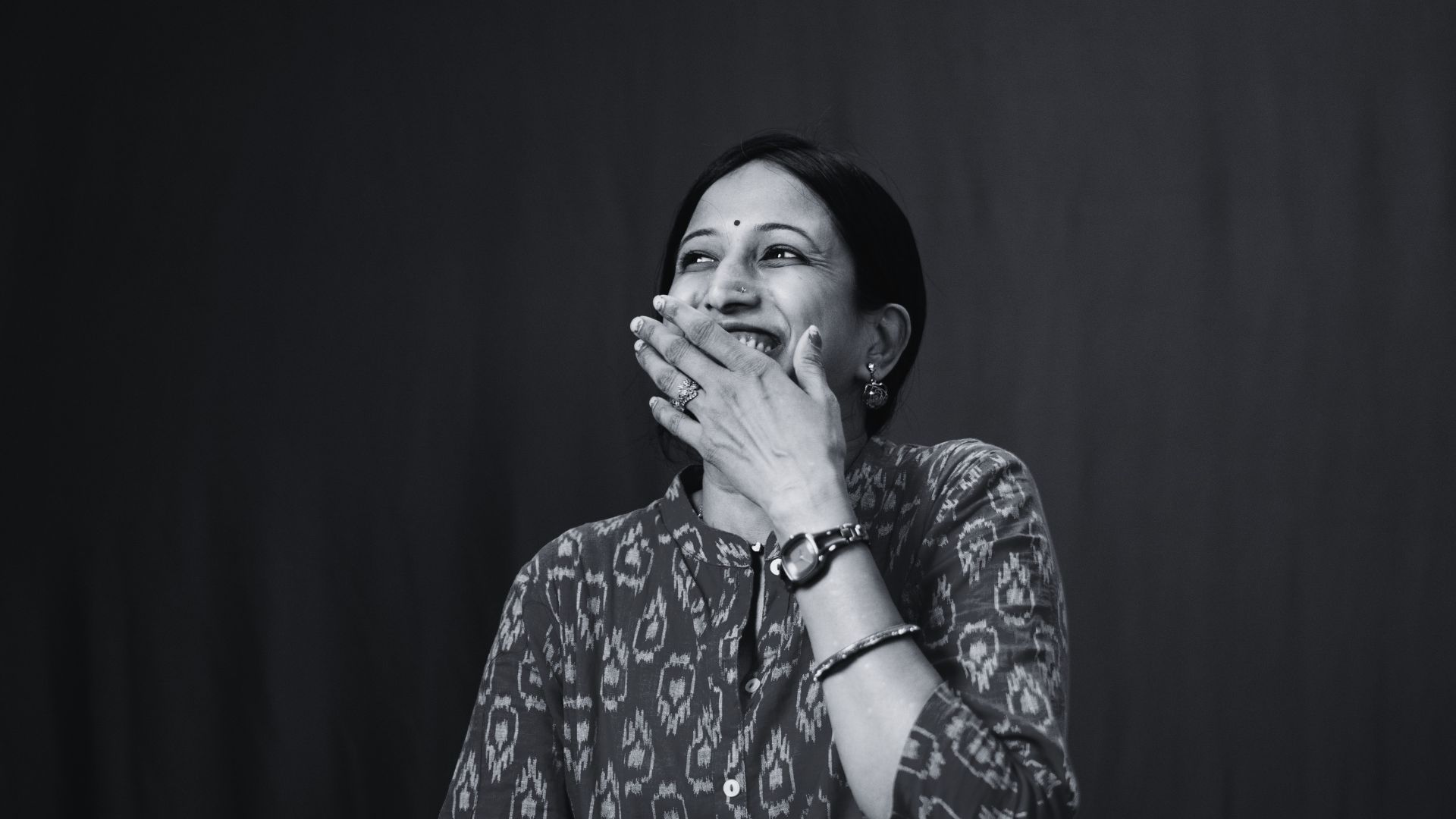
Baby Di at BANANA Labs
This column is a tribute. To the faces that make BANANA labs what it actually is. I talk about artisan families, hand block printing, vegan natural fabrics, the women who sew every garment we make, when I introduce the brand to the world. All true. All important. But none of it tells you what I actually see when I walk into our workspace. BANANA means to make, haath se banana, by hand, and I do not think that phrase means anything without the hands themselves. These are the hands. This is for them.
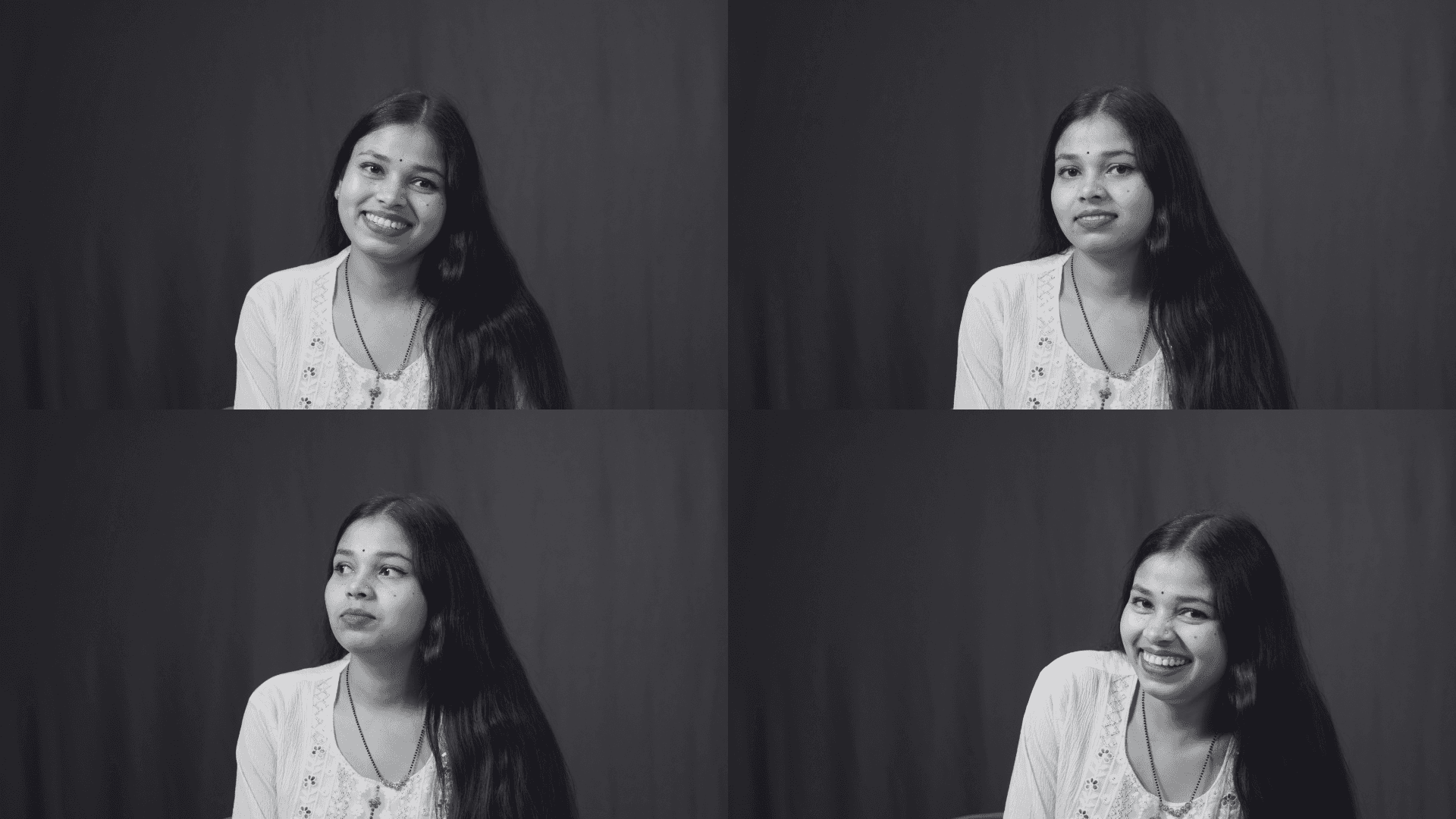
Chetna at BANANA Labs
The artisan families we work with have been doing hand block printing for decades. This is a craft they were born into, and what moves me is that they are carrying it forward because it is sustainable for them, not because anyone asked them to. There is pride in that, the kind that does not need to explain itself.
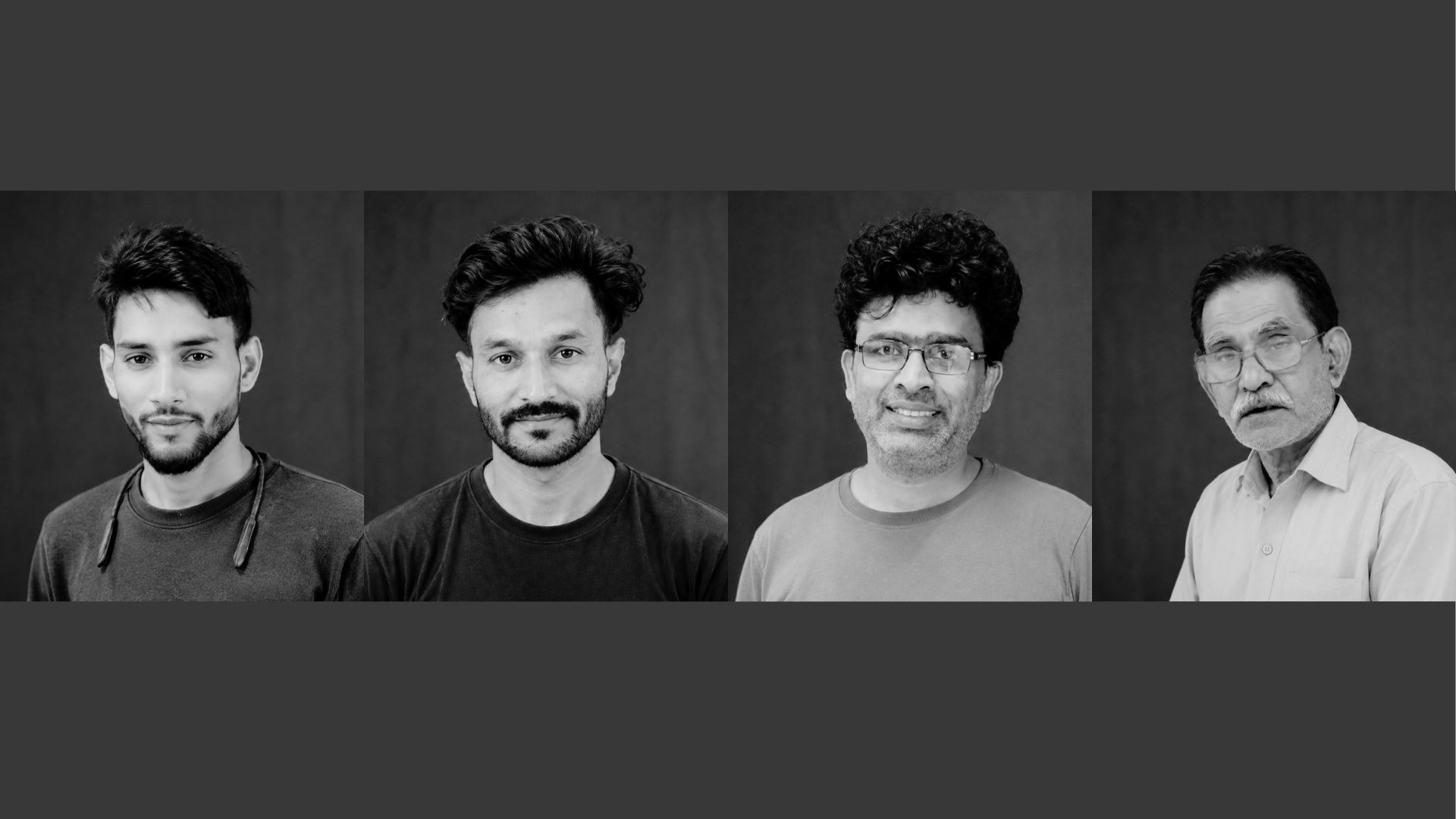
The Faces of BANANA Labs
Farid bhaiya, Wali bhaiya, Zahid bhaiya, and the others carry a knowledge that no design school teaches. Every block, every repeat, every colour decision made on the printing table comes from years of practice passed down through hands. It is precise. It is theoretical, in its own way, even if it was never studied academically. I sometimes wonder if academic literacy can even come close to what these craftspeople possess. Are they not more literate than most of us, in the only language that actually built this brand?
Farid bhaiya now leads the workshop. He is a skilled printer in his own right, but what stands out is how naturally he has stepped into running the whole unit alongside it. He manages production, works out the numbers behind it, looks after the other printers, all while still standing at the table himself. He calls it his unit, and manages it like it actually is. There is something beautiful in watching someone take that kind of ownership without anyone having to ask him to.
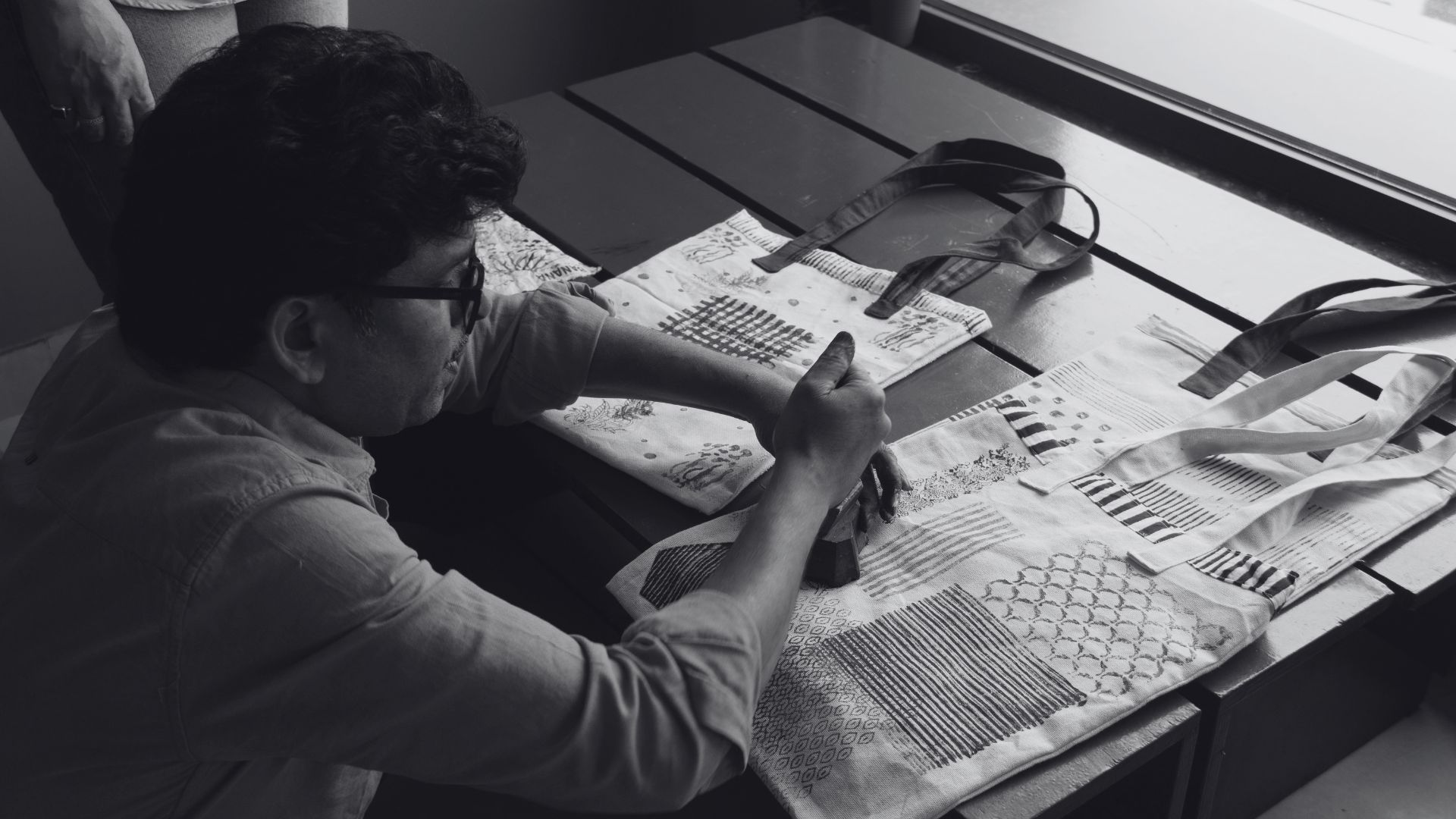
Farid Bhaiya at BANANA Labs
Saddam is the youngest printer in the unit. He is 19. He loves fashion, which is not always a given in craft contexts, and it shows in how he engages with the work. At our public workshops, when people come in to learn block printing for the first time, Saddam is almost always the one they gravitate towards. There is something in how he explains things, how he handles the block, how patient he is with a first attempt. He has become a quiet favourite without trying to be.

The Master Printers at BANANA Labs
Zahid bhaiya and Wali bhaiya both come from printing families. Their fathers worked in this same workshop before them, and watching the two of them at the table is watching a kind of inheritance that has nothing to do with paperwork.
Zahid bhaiya is the reason BANANA labs did not just start, but actually had a chance to thrive. In the early days, when the rest of the unit looked at our ideas and were not entirely convinced, half joking that we were asking for impossible, upside down designs, Zahid bhaiya was the one who volunteered to experiment anyway. He bet on us before there was any reason to.
Wali bhaiya still hand carves the most beautiful blocks in the unit. Lettering, scripts, modern designs that have nothing to do with the traditional motifs he grew up around, all carved by hand with the same precision his father would have used decades ago. He is, simply, an asset to this workshop.
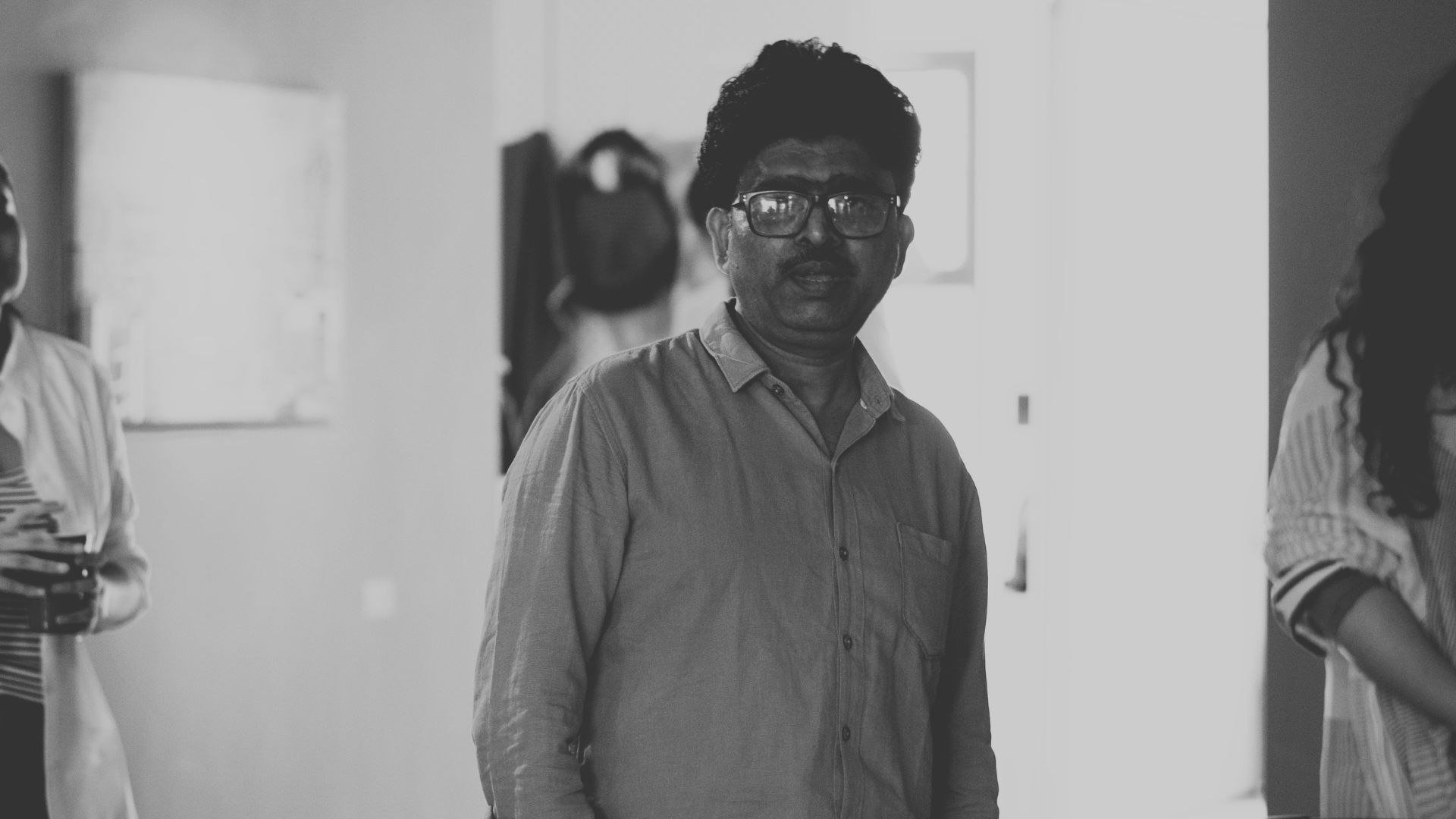
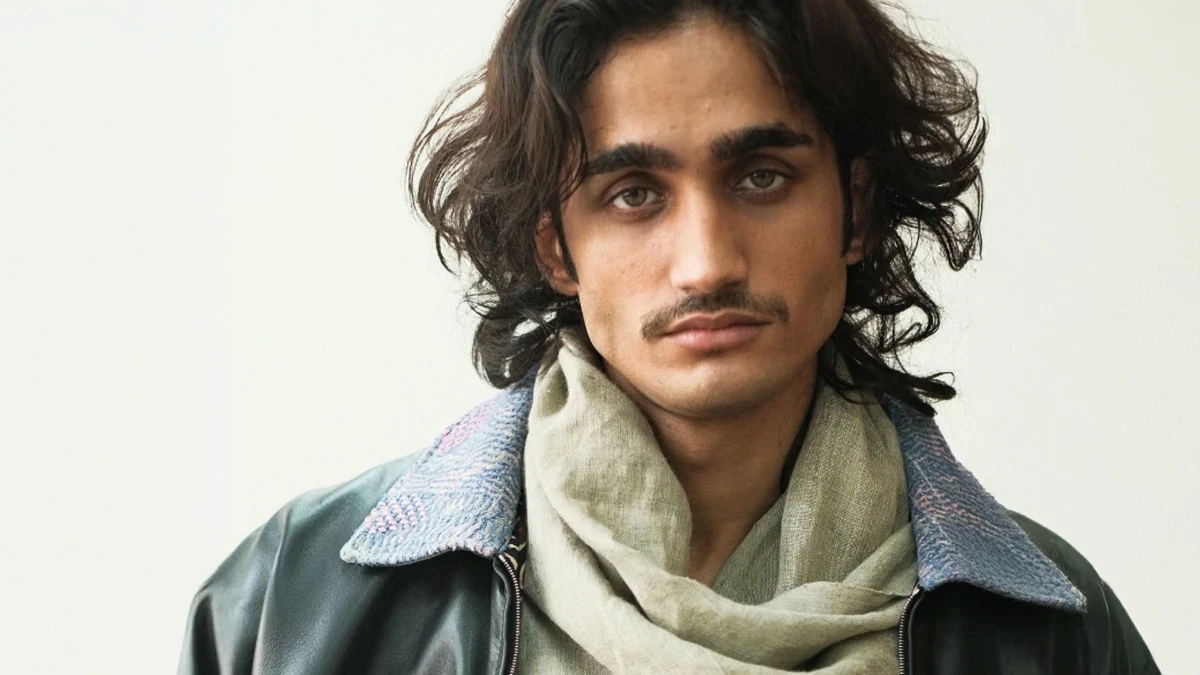
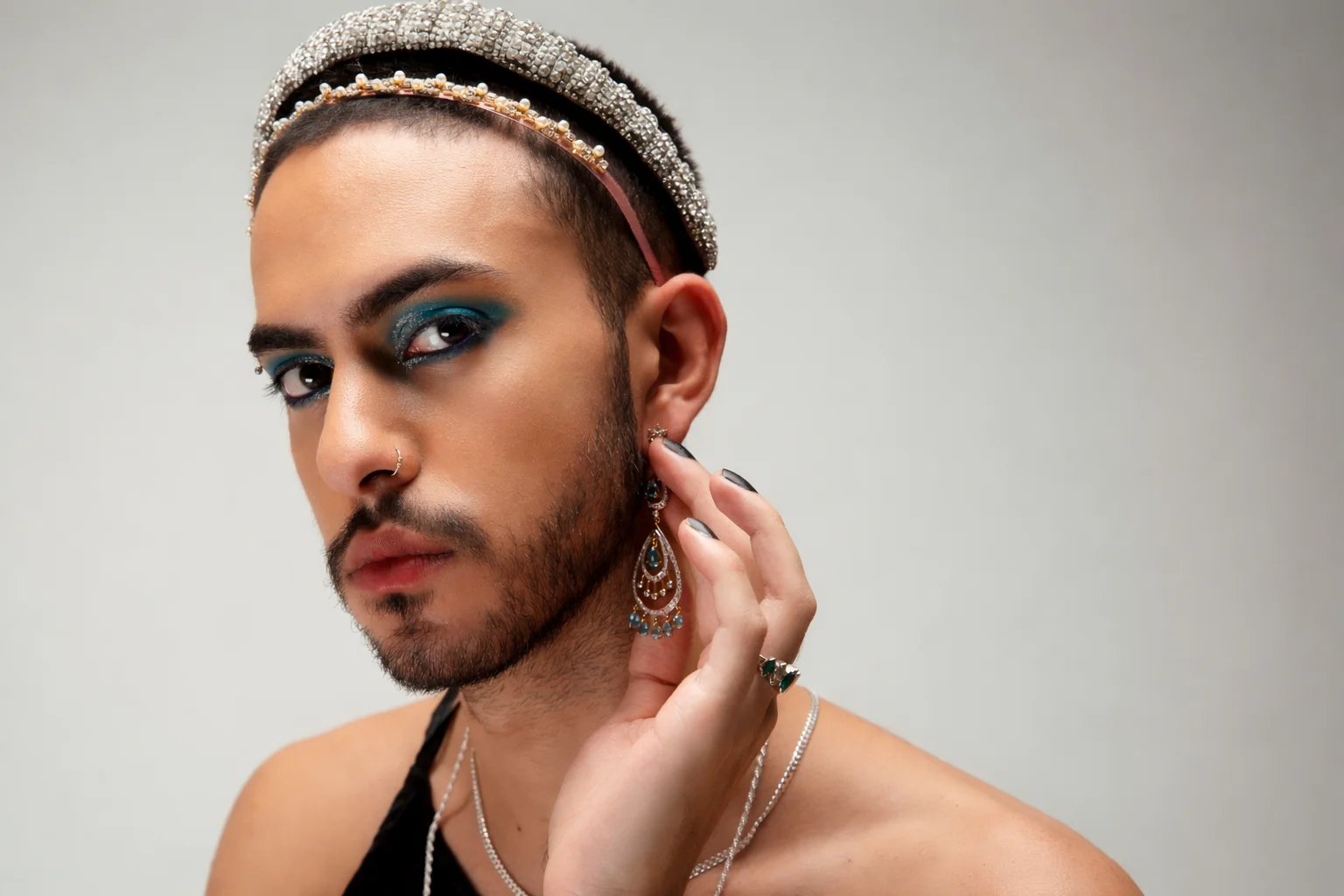
There is a unique kind of face you find in a block printing unit. Lines around the eyes from squinting at repeat patterns for years. A certain set to the jaw that comes from concentration held for hours at a time. I used to think these were just faces. Now I think they are records. Of decades, of patience, of a kind of attention most of us have lost the capacity for.
We took portraits of our whole team recently. Not product images. Not lifestyle shots. Portraits. Every person looking directly into the camera. When I look at those photographs I do not see a workforce or a supply chain or a mission statement made visible. I see the people who show up and make this thing real, every single day.
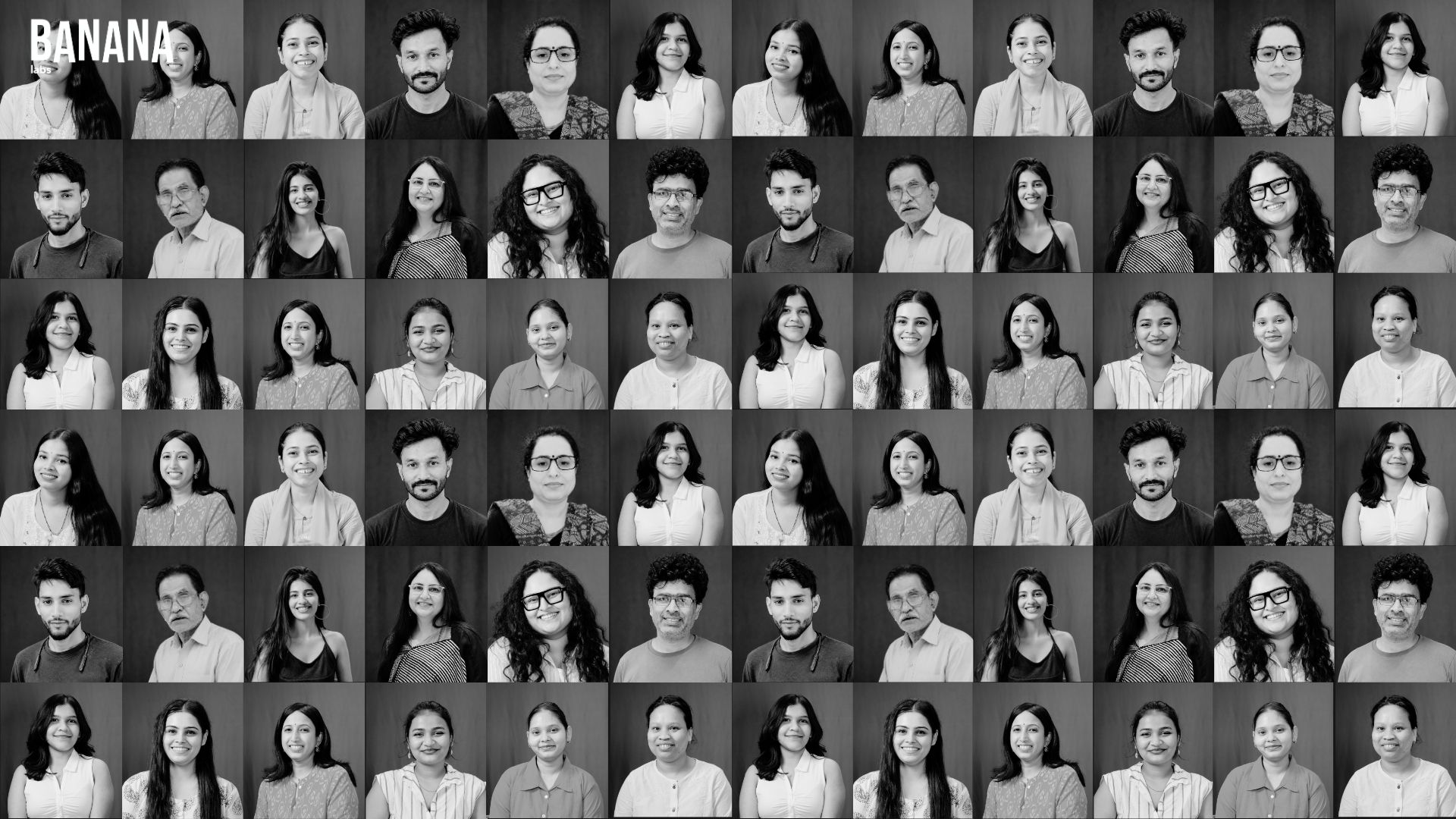
THE FACES OF BANANA LABS
I share these stories not because they are unique to us, but because I think every business has stories like this hiding inside it, mostly untold. Ours happen to be about block printing and tailoring and sweets in a sewing room. Yours might be about something else entirely. But I suspect the love is the same. Made with hand. Made with love.
This is the part of BANANA labs that does not show up in a pitch deck. The people. The hands. The love. I wanted you to see it, even briefly, the way I get to see it every day.
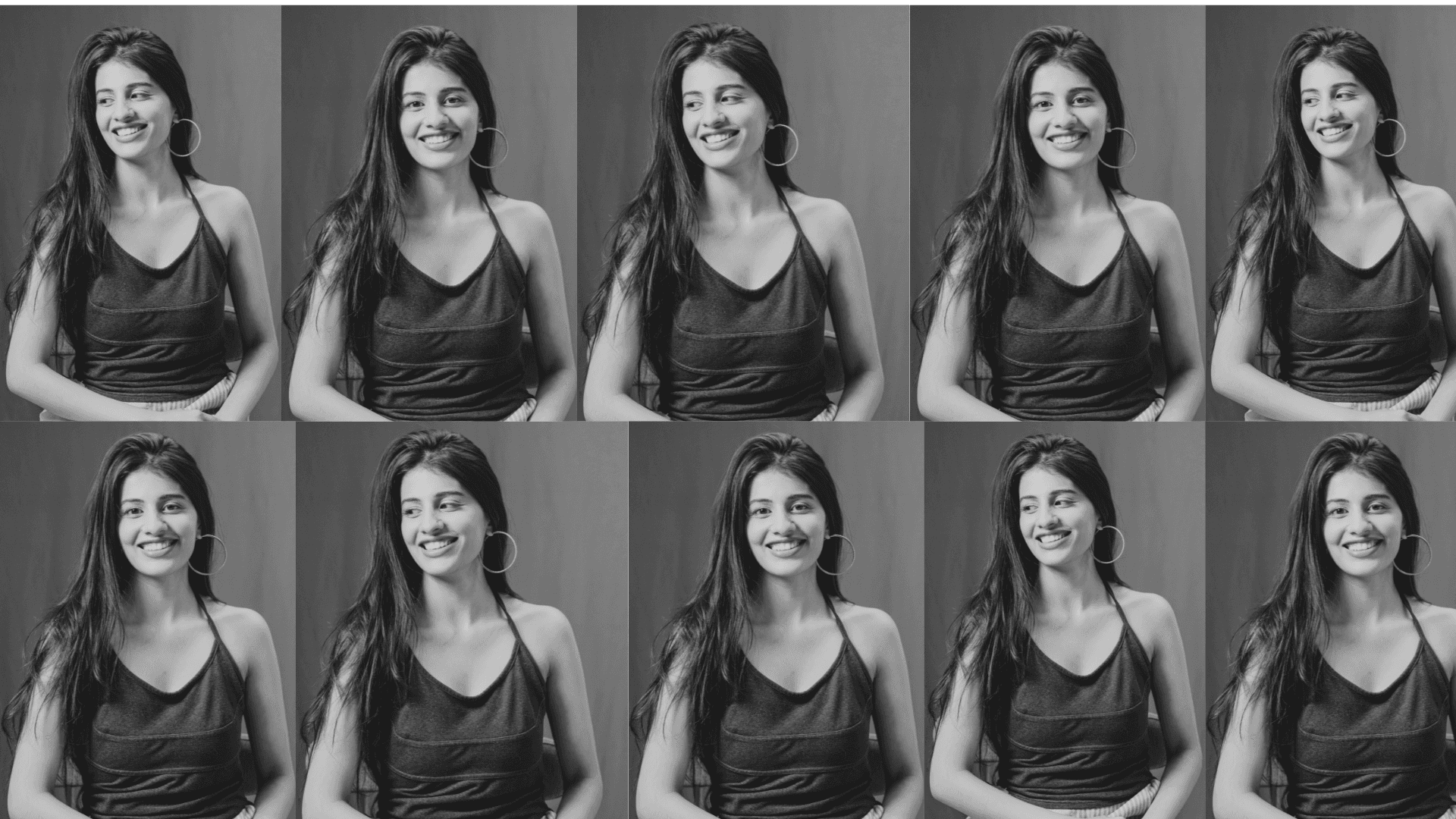
Mariyam Khatri, Founder of BANANA Labs
Every garment we make passes through someone's hands before it reaches yours. A block carved by Wali bhaiya. A print laid down by Zahid bhaiya, Farid bhaiya, or Saddam. A seam sewn by Rekha Di and the rest of our team. I think about that every time I see one of our pieces out in the world. You are not just wearing fabric. You are wearing all of them.
I do not know how to end a column like this neatly, and I am not sure I want to. These are not stories with conclusions. Rekha Di's son will keep growing. Farid bhaiya will keep running his unit. Saddam will keep teaching strangers how to hold a block at workshops, probably for years to come. The stories just continue, quietly, whether or not anyone is writing them down.
TO BE CONTINUED, FOR SUBSCRIBERS ONLY.
This is where the surface ends and the reporting begins.
The complete piece, the full archive, and access to The French Press Circle. Reporting answerable only to its readers.
Already a subscriber ?
Login
Read these on the house, with our compliments.
A selection from the current issue, open to all readers. Read them in full. The rest is one decision away.




I overheard a conversation in the sewing room a few weeks ago that I was not supposed to be part of. Two women on our team, talking quietly while they worked, about tuition fees, about a son's exam results, about money moving from one hand to another in ways that had nothing to do with us and everything to do with us. I stayed quiet and kept listening.
A few days later Rekha Di brought sweets for the whole office. Her son had done well in his exams, and she was glowing about it, going around to everyone, making sure no one missed a piece. There was nothing quiet about her pride that day, and there should not have been.
Her son also goes to a cricket academy. She pays for it from her salary, every month, the same way she pays his school fees. I do not think she sees this as a sacrifice. I think she sees it as simply what a salary is for. A child doing well in his exams, learning cricket on weekends, because his mother has the dignity of a salary that is hers. I do not know how to measure a win like that. I only know I felt it.
Baby Di at BANANA Labs
This column is a tribute. To the faces that make BANANA labs what it actually is. I talk about artisan families, hand block printing, vegan natural fabrics, the women who sew every garment we make, when I introduce the brand to the world. All true. All important. But none of it tells you what I actually see when I walk into our workspace. BANANA means to make, haath se banana, by hand, and I do not think that phrase means anything without the hands themselves. These are the hands. This is for them.
Chetna at BANANA Labs
The artisan families we work with have been doing hand block printing for decades. This is a craft they were born into, and what moves me is that they are carrying it forward because it is sustainable for them, not because anyone asked them to. There is pride in that, the kind that does not need to explain itself.
The Faces of BANANA Labs
Farid bhaiya, Wali bhaiya, Zahid bhaiya, and the others carry a knowledge that no design school teaches. Every block, every repeat, every colour decision made on the printing table comes from years of practice passed down through hands. It is precise. It is theoretical, in its own way, even if it was never studied academically. I sometimes wonder if academic literacy can even come close to what these craftspeople possess. Are they not more literate than most of us, in the only language that actually built this brand?
Farid bhaiya now leads the workshop. He is a skilled printer in his own right, but what stands out is how naturally he has stepped into running the whole unit alongside it. He manages production, works out the numbers behind it, looks after the other printers, all while still standing at the table himself. He calls it his unit, and manages it like it actually is. There is something beautiful in watching someone take that kind of ownership without anyone having to ask him to.
Farid Bhaiya at BANANA Labs
Saddam is the youngest printer in the unit. He is 19. He loves fashion, which is not always a given in craft contexts, and it shows in how he engages with the work. At our public workshops, when people come in to learn block printing for the first time, Saddam is almost always the one they gravitate towards. There is something in how he explains things, how he handles the block, how patient he is with a first attempt. He has become a quiet favourite without trying to be.
The Master Printers at BANANA Labs
Zahid bhaiya and Wali bhaiya both come from printing families. Their fathers worked in this same workshop before them, and watching the two of them at the table is watching a kind of inheritance that has nothing to do with paperwork.
Zahid bhaiya is the reason BANANA labs did not just start, but actually had a chance to thrive. In the early days, when the rest of the unit looked at our ideas and were not entirely convinced, half joking that we were asking for impossible, upside down designs, Zahid bhaiya was the one who volunteered to experiment anyway. He bet on us before there was any reason to.
Wali bhaiya still hand carves the most beautiful blocks in the unit. Lettering, scripts, modern designs that have nothing to do with the traditional motifs he grew up around, all carved by hand with the same precision his father would have used decades ago. He is, simply, an asset to this workshop.
There is a unique kind of face you find in a block printing unit. Lines around the eyes from squinting at repeat patterns for years. A certain set to the jaw that comes from concentration held for hours at a time. I used to think these were just faces. Now I think they are records. Of decades, of patience, of a kind of attention most of us have lost the capacity for.
We took portraits of our whole team recently. Not product images. Not lifestyle shots. Portraits. Every person looking directly into the camera. When I look at those photographs I do not see a workforce or a supply chain or a mission statement made visible. I see the people who show up and make this thing real, every single day.
THE FACES OF BANANA LABS
I share these stories not because they are unique to us, but because I think every business has stories like this hiding inside it, mostly untold. Ours happen to be about block printing and tailoring and sweets in a sewing room. Yours might be about something else entirely. But I suspect the love is the same. Made with hand. Made with love.
This is the part of BANANA labs that does not show up in a pitch deck. The people. The hands. The love. I wanted you to see it, even briefly, the way I get to see it every day.
Mariyam Khatri, Founder of BANANA Labs
Every garment we make passes through someone's hands before it reaches yours. A block carved by Wali bhaiya. A print laid down by Zahid bhaiya, Farid bhaiya, or Saddam. A seam sewn by Rekha Di and the rest of our team. I think about that every time I see one of our pieces out in the world. You are not just wearing fabric. You are wearing all of them.
I do not know how to end a column like this neatly, and I am not sure I want to. These are not stories with conclusions. Rekha Di's son will keep growing. Farid bhaiya will keep running his unit. Saddam will keep teaching strangers how to hold a block at workshops, probably for years to come. The stories just continue, quietly, whether or not anyone is writing them down.
TO BE CONTINUED, FOR SUBSCRIBERS ONLY.
This is where the surface ends and the reporting begins.
The complete piece, the full archive, and access to The French Press Circle. Reporting answerable only to its readers.
Already a subscriber ?
Login
Read these on the house, with our compliments.
A selection from the current issue, open to all readers. Read them in full. The rest is one decision away.