
The moment Pranit More heard Himanshu Jangra's story, a 23-year-old describing how he had spent ₹370 on chicken biryani for a woman, how she asked to go home afterwards, how he took her to a dark park instead because he intended to "recover" what he had spent, and responded by calling it "peak Gurgaon content," he didn't simply fail to intervene. He provided the cultural cover. He gave that room permission, told every person sitting in those seats that what they had just heard was not a window into how women are made to feel unsafe in this country every single day, but a regional personality trait, a postcode problem, a bit. And then the clip was edited, reviewed, captioned, and uploaded, running freely on an algorithm built to reward exactly this. Someone watched that footage back. Someone read the caption before it went live. Someone pressed upload. That is not an accident. That is a content pipeline with a woman's dignity at its core.

Kusha Kapila, Comedian and Digital Creator. Image Courtsey: The influencer Times
Kusha Kapila said exactly that: “ uploading the clip was a conscious choice, not a live broadcast that slipped through any cracks, but a deliberate act of content creation that treated a woman's repeated reluctance as material worth packaging for an audience.” That single word, conscious, undoes most of the work the subsequent apology tried so hard to do.
What the "peak Gurgaon content" designation did was not simply excuse Jangra's behaviour; it located it, made it geography, gave the audience a frame inside which they could laugh without implicating themselves, as though the mindset being described belonged to a particular type of man from a particular type of city rather than to the room they were sitting in. And this is where the audience deserves its own examination, because the crowd that night was not some fringe gathering of unreconstructed men. It was a paying crowd at a contemporary stand-up show, the same demographic that fills comment sections with takes on consent, reposts feminist infographics, and will tell you, without irony, that they are one of the good ones. That room heard a man describe coercing a woman and did not go quiet. It cheered. It validated. It made Himanshu Jangra feel, in that specific moment, like a man who had done something worth celebrating, and that collective permission is as much a part of this story as anything that happened on stage.
The transaction at the centre of Jangra's story, money spent on a woman equals something owed by her, is neither new nor specific to Gurgaon. It is the oldest entry in patriarchy's ledger, inherited through decades of cinema that romanticised pursuit as persistence, through the casual language of male friendship, where this kind of story has always landed as comedy rather than confession. Himanshu Jangra did not invent this belief system in a comedy club. He walked in carrying it, having almost certainly told some version of this story in smaller rooms where it also landed, where someone also laughed, where no one also said anything, and the comedy club was simply the largest and most public room he had told it in yet.
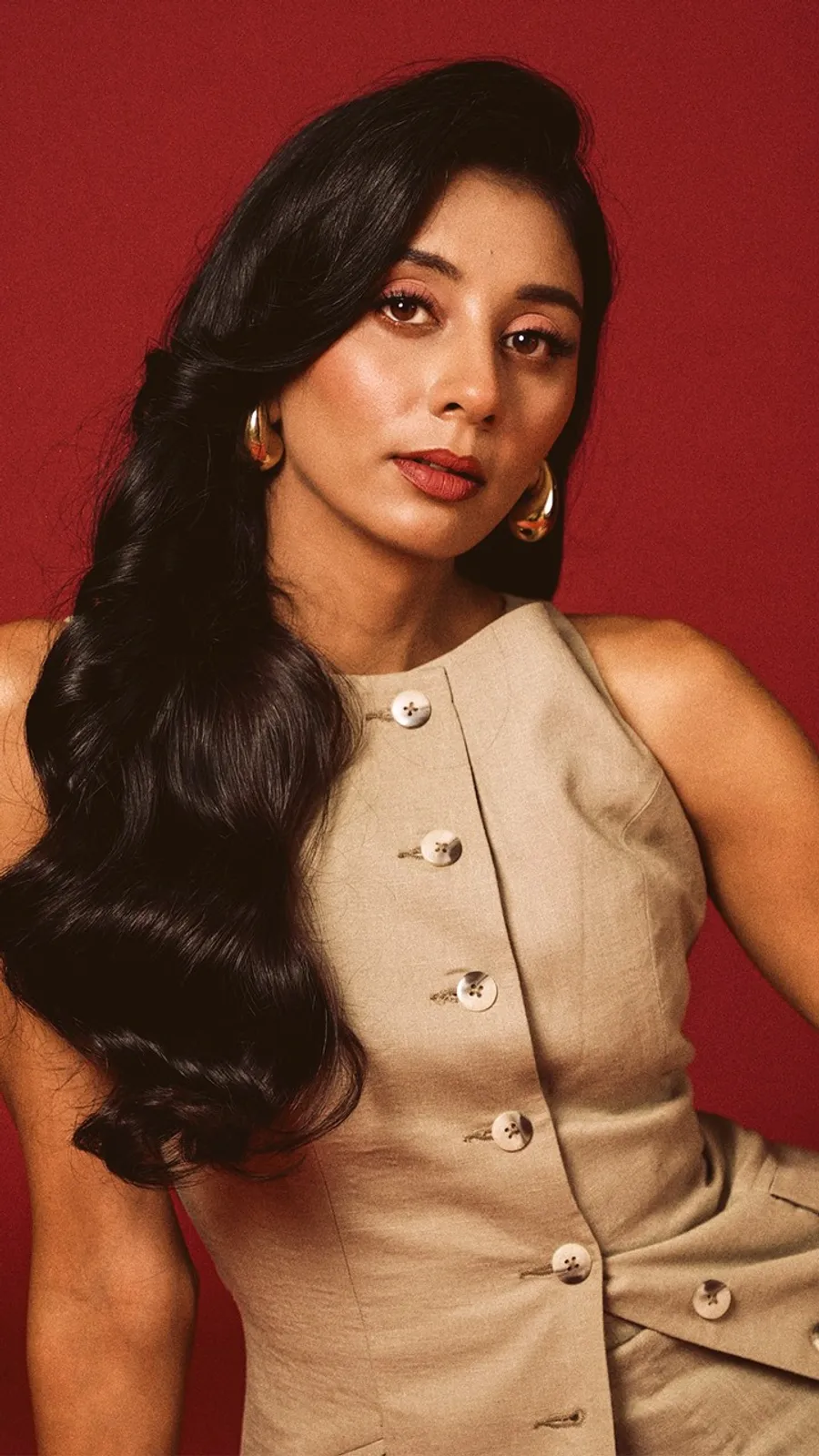
Dolly Singh, Comedian and Digital Creator. Image Courtsey: Comedian and Digital Creator
Dolly Singh named the specific hypocrisy at the heart of this: that male creators who have built public identities on progressive values abandon them entirely the moment they are standing before a live audience that wants a different kind of comedy. The version of these men who post about consent on Instagram and the version who laughs at its absence on stage are not two different people; they are the same person making two different calculations about what each moment costs him. Elvish Yadav, writing on X, produced the most economical dismantling of the episode: "₹370 ki biryani ne do cheezein expose kar di: Ek aadmi ko laga consent ka MRP hota hai. Aur ek comedian ko laga har uncomfortable silence ko laughter track se bachaya ja sakta hai." One man thought consent had a price tag. One comedian thought every uncomfortable silence could be rescued with a laugh track, and both of those things, laid flat like that, are more devastating than anything a long editorial can do. Sutapa Sikdar went further, sharing rape statistics alongside More's apology and refusing to accept it, writing that accepting such apologies without consequence is precisely how nothing ever changes.
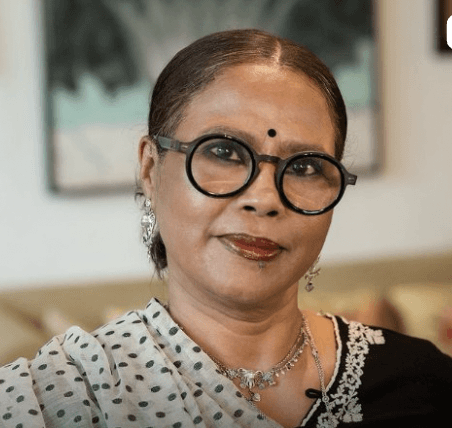
Supata Sikdar. Image Courtsey: Instagram: (@sikdarsupata)
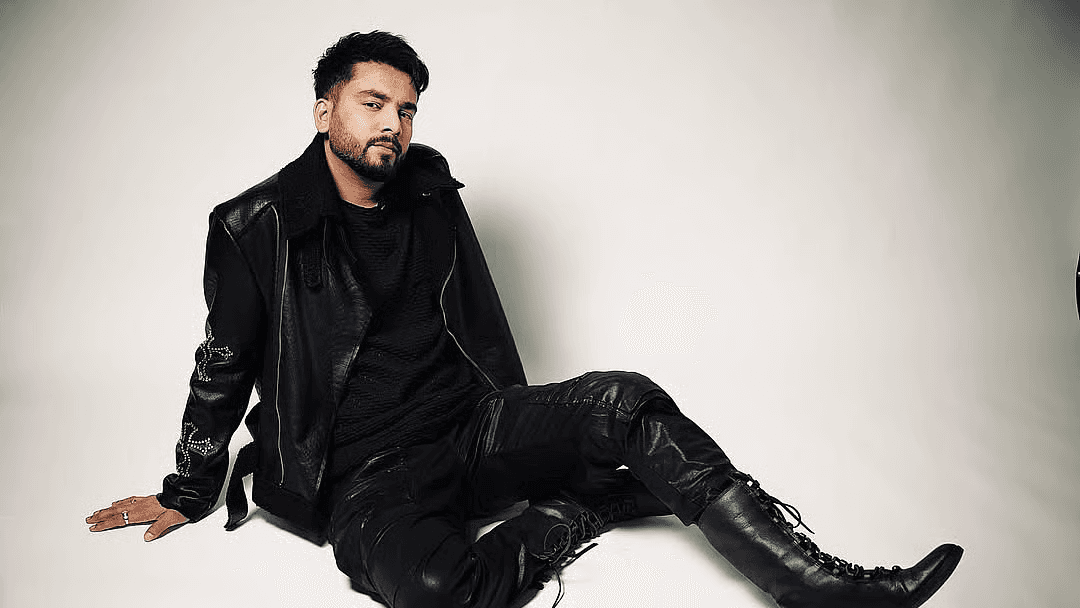
Elvish Yadav, Youtuber. Image Courtsey: Indulgeexpress
And then there is the apology itself. Pranit More wrote: "I've seen the criticism regarding a recent crowdwork clip. The comments made by the audience member do not reflect my views. Looking back, I should have challenged the remark instead of laughing and moving on. That was a lapse in judgment on my part." The phrase "do not reflect my views" is doing very specific work, creating distance, positioning More as a man whose personal beliefs were somehow running parallel to rather than expressed through his behaviour on a stage with a camera on it. As though laughing at a story about a woman being coerced, handing its teller ₹5,000, editing the clip, and distributing it to millions of followers were somehow a minor footnote rather than a fairly comprehensive expression of one's views. Respecting a woman is not an advanced ethical concept that requires years of careful arrival. Her body was never a recoverable expense. Her reluctance was never a negotiating position. Packaging her experience for social media without her knowledge only compounds the original violation. This isn't nuanced moral terrain; it's the floor. And yet here is a 35-year-old man with an MBA and a prime-time reality show victory, telling us in the careful language of a managed statement that he is still working his way toward understanding this. Convenient, then, that the understanding arrived at exactly the moment not knowing became too expensive to maintain.
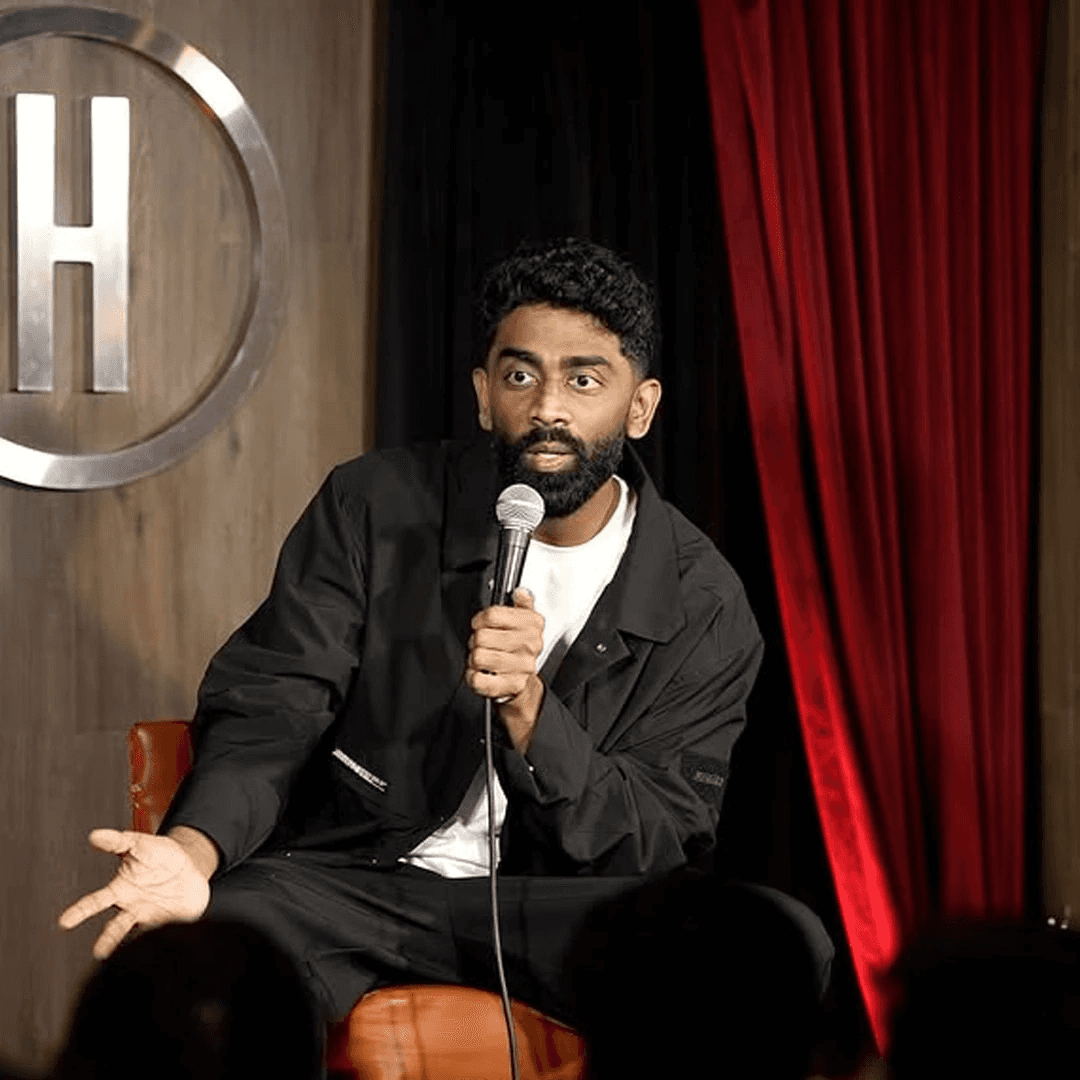
Pranit More, Comedian. Image Courtsey: India Today
I reached out to several comedians for this piece. The responses have been limited, and that restraint says something about who is calculating the cost of speaking up against the comfort of waiting for the news cycle to move on. Here is what the numbers reveal in the meantime: Himanshu Jangra lost his job within 48 hours, with his employer publicly stating that mistakes have consequences. Pranit More lost his Instagram for the duration of a news cycle. The clubs that host his shows, the platforms that carry his specials, the ticketing infrastructure still processing his bookings, not a word. A 23-year-old web developer paid with his livelihood. A 35-year-old comedian paid with his wifi, and that asymmetry, if you sit with it, lays bare almost everything about where accountability actually lives versus where it is merely performed.
What this episode keeps returning to, underneath all of it, is the question of what kind of culture produces a man so certain, so entirely unafraid, that he will describe what he did to a woman in a dark park, into a microphone, in front of a room full of people, and expect to walk away with ₹5,000 and a round of applause. Not a culture that is still learning, a culture that already knows, and has decided that knowing is optional when the room is laughing.
A woman said no. She said it with her words, then again when she asked to be taken home, and then again in whatever way a woman communicates 'no' when she is in a dark park with a man who has already decided she owes him something. She said no at least three times across one evening, and every person in that chain, the man who told the story, the audience that cheered, the comedian who laughed, the hand that edited the clip, the finger that pressed upload- found a way to make it irrelevant.
That is not peak Gurgaon content.
That is the country we live in, and the very least we can do, the absolute minimum, is stop calling it a punchline.
TO BE CONTINUED, FOR SUBSCRIBERS ONLY.
This is where the surface ends and the reporting begins.
The complete piece, the full archive, and access to The French Press Circle. Reporting answerable only to its readers.
Already a subscriber ?
Login
Read these on the house, with our compliments.
A selection from the current issue, open to all readers. Read them in full. The rest is one decision away.



The moment Pranit More heard Himanshu Jangra's story, a 23-year-old describing how he had spent ₹370 on chicken biryani for a woman, how she asked to go home afterwards, how he took her to a dark park instead because he intended to "recover" what he had spent, and responded by calling it "peak Gurgaon content," he didn't simply fail to intervene. He provided the cultural cover. He gave that room permission, told every person sitting in those seats that what they had just heard was not a window into how women are made to feel unsafe in this country every single day, but a regional personality trait, a postcode problem, a bit. And then the clip was edited, reviewed, captioned, and uploaded, running freely on an algorithm built to reward exactly this. Someone watched that footage back. Someone read the caption before it went live. Someone pressed upload. That is not an accident. That is a content pipeline with a woman's dignity at its core.
Kusha Kapila, Comedian and Digital Creator. Image Courtsey: The influencer Times
Kusha Kapila said exactly that: “ uploading the clip was a conscious choice, not a live broadcast that slipped through any cracks, but a deliberate act of content creation that treated a woman's repeated reluctance as material worth packaging for an audience.” That single word, conscious, undoes most of the work the subsequent apology tried so hard to do.
What the "peak Gurgaon content" designation did was not simply excuse Jangra's behaviour; it located it, made it geography, gave the audience a frame inside which they could laugh without implicating themselves, as though the mindset being described belonged to a particular type of man from a particular type of city rather than to the room they were sitting in. And this is where the audience deserves its own examination, because the crowd that night was not some fringe gathering of unreconstructed men. It was a paying crowd at a contemporary stand-up show, the same demographic that fills comment sections with takes on consent, reposts feminist infographics, and will tell you, without irony, that they are one of the good ones. That room heard a man describe coercing a woman and did not go quiet. It cheered. It validated. It made Himanshu Jangra feel, in that specific moment, like a man who had done something worth celebrating, and that collective permission is as much a part of this story as anything that happened on stage.
The transaction at the centre of Jangra's story, money spent on a woman equals something owed by her, is neither new nor specific to Gurgaon. It is the oldest entry in patriarchy's ledger, inherited through decades of cinema that romanticised pursuit as persistence, through the casual language of male friendship, where this kind of story has always landed as comedy rather than confession. Himanshu Jangra did not invent this belief system in a comedy club. He walked in carrying it, having almost certainly told some version of this story in smaller rooms where it also landed, where someone also laughed, where no one also said anything, and the comedy club was simply the largest and most public room he had told it in yet.
Dolly Singh, Comedian and Digital Creator. Image Courtsey: Comedian and Digital Creator
Dolly Singh named the specific hypocrisy at the heart of this: that male creators who have built public identities on progressive values abandon them entirely the moment they are standing before a live audience that wants a different kind of comedy. The version of these men who post about consent on Instagram and the version who laughs at its absence on stage are not two different people; they are the same person making two different calculations about what each moment costs him. Elvish Yadav, writing on X, produced the most economical dismantling of the episode: "₹370 ki biryani ne do cheezein expose kar di: Ek aadmi ko laga consent ka MRP hota hai. Aur ek comedian ko laga har uncomfortable silence ko laughter track se bachaya ja sakta hai." One man thought consent had a price tag. One comedian thought every uncomfortable silence could be rescued with a laugh track, and both of those things, laid flat like that, are more devastating than anything a long editorial can do. Sutapa Sikdar went further, sharing rape statistics alongside More's apology and refusing to accept it, writing that accepting such apologies without consequence is precisely how nothing ever changes.
Supata Sikdar. Image Courtsey: Instagram: (@sikdarsupata)
Elvish Yadav, Youtuber. Image Courtsey: Indulgeexpress
And then there is the apology itself. Pranit More wrote: "I've seen the criticism regarding a recent crowdwork clip. The comments made by the audience member do not reflect my views. Looking back, I should have challenged the remark instead of laughing and moving on. That was a lapse in judgment on my part." The phrase "do not reflect my views" is doing very specific work, creating distance, positioning More as a man whose personal beliefs were somehow running parallel to rather than expressed through his behaviour on a stage with a camera on it. As though laughing at a story about a woman being coerced, handing its teller ₹5,000, editing the clip, and distributing it to millions of followers were somehow a minor footnote rather than a fairly comprehensive expression of one's views. Respecting a woman is not an advanced ethical concept that requires years of careful arrival. Her body was never a recoverable expense. Her reluctance was never a negotiating position. Packaging her experience for social media without her knowledge only compounds the original violation. This isn't nuanced moral terrain; it's the floor. And yet here is a 35-year-old man with an MBA and a prime-time reality show victory, telling us in the careful language of a managed statement that he is still working his way toward understanding this. Convenient, then, that the understanding arrived at exactly the moment not knowing became too expensive to maintain.
Pranit More, Comedian. Image Courtsey: India Today
I reached out to several comedians for this piece. The responses have been limited, and that restraint says something about who is calculating the cost of speaking up against the comfort of waiting for the news cycle to move on. Here is what the numbers reveal in the meantime: Himanshu Jangra lost his job within 48 hours, with his employer publicly stating that mistakes have consequences. Pranit More lost his Instagram for the duration of a news cycle. The clubs that host his shows, the platforms that carry his specials, the ticketing infrastructure still processing his bookings, not a word. A 23-year-old web developer paid with his livelihood. A 35-year-old comedian paid with his wifi, and that asymmetry, if you sit with it, lays bare almost everything about where accountability actually lives versus where it is merely performed.
What this episode keeps returning to, underneath all of it, is the question of what kind of culture produces a man so certain, so entirely unafraid, that he will describe what he did to a woman in a dark park, into a microphone, in front of a room full of people, and expect to walk away with ₹5,000 and a round of applause. Not a culture that is still learning, a culture that already knows, and has decided that knowing is optional when the room is laughing.
A woman said no. She said it with her words, then again when she asked to be taken home, and then again in whatever way a woman communicates 'no' when she is in a dark park with a man who has already decided she owes him something. She said no at least three times across one evening, and every person in that chain, the man who told the story, the audience that cheered, the comedian who laughed, the hand that edited the clip, the finger that pressed upload- found a way to make it irrelevant.
That is not peak Gurgaon content.
That is the country we live in, and the very least we can do, the absolute minimum, is stop calling it a punchline.
TO BE CONTINUED, FOR SUBSCRIBERS ONLY.
This is where the surface ends and the reporting begins.
The complete piece, the full archive, and access to The French Press Circle. Reporting answerable only to its readers.
Already a subscriber ?
Login
Read these on the house, with our compliments.
A selection from the current issue, open to all readers. Read them in full. The rest is one decision away.