
For most of its industrial life, fashion has hidden its workers behind distance. The seamstress in Dhaka, the dye worker in Tirupur, the pattern cutter in Guangzhou existed at the far end of a supply chain built so the consumer would never have to meet them. The industry's newest efficiency goes further. It removes the worker from the image itself. The model, the photographer, the stylist, the make-up artist, the lighting technician: all of them can now be rendered unnecessary by a text prompt. The question in 2026 is whether the public will accept a fashion image with no human being behind it. The early evidence suggests they will not go without a fight.
A GRANDMOTHER MADE OF PIXELS
In the days before its PRIMAVERA show at Milan Fashion Week 2026, Gucci released a series of AI-generated promotional images across Instagram and X. The set was eclectic to the point of incoherence: a satellite in orbit, a horse on a beach, a sports car styled like a video game render, an older woman in a fur coat at a café, all posted without explanation alongside the house's real campaign photography. The images were labelled "created with AI," and critics dismissed them as "AI slop," internet shorthand for the flood of low-quality machine-made content saturating social platforms.
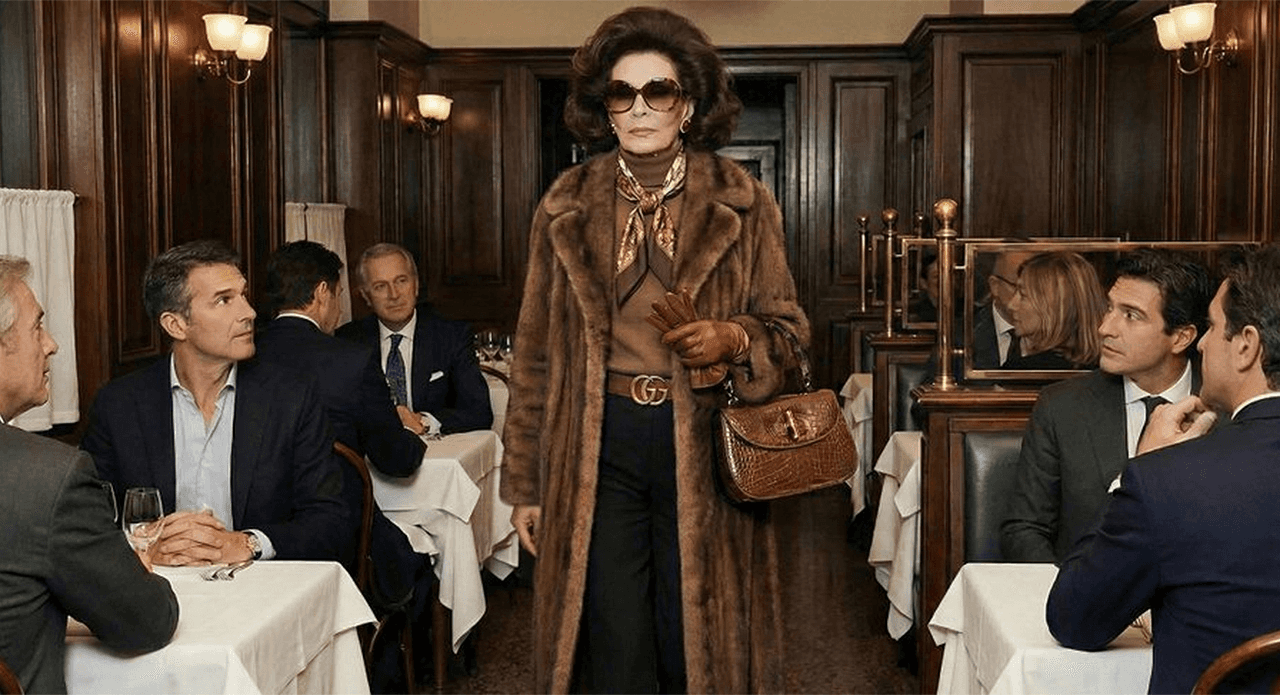
An AI-generated image from Gucci's PRIMAVERA promotional series, posted ahead of Milan Fashion Week 2026 and labelled "created with AI." Credit: Gucci / Instagram
One image drew the sharpest response. In reply to the AI-generated portrait of an elegant older Italian woman in a vintage look, a commenter wrote: "Bleak days when Gucci can't find a real human Milanese grandmother to wear an outfit from 1976." The line travelled because Milan contains actual grandmothers who wore actual Gucci in 1976. The brand chose to synthesise one instead.
Users asked how replacing human models and photographers with AI squared with Gucci's stated commitment to creativity and Italian craftsmanship. Luxury pricing rests on the claim that human hands, human taste and human time are embedded in the product. The stakes rise when AI displaces photographers, make-up artists, stylists, models and production teams from core marketing campaigns, particularly for a brand selling handbags at four-figure prices.
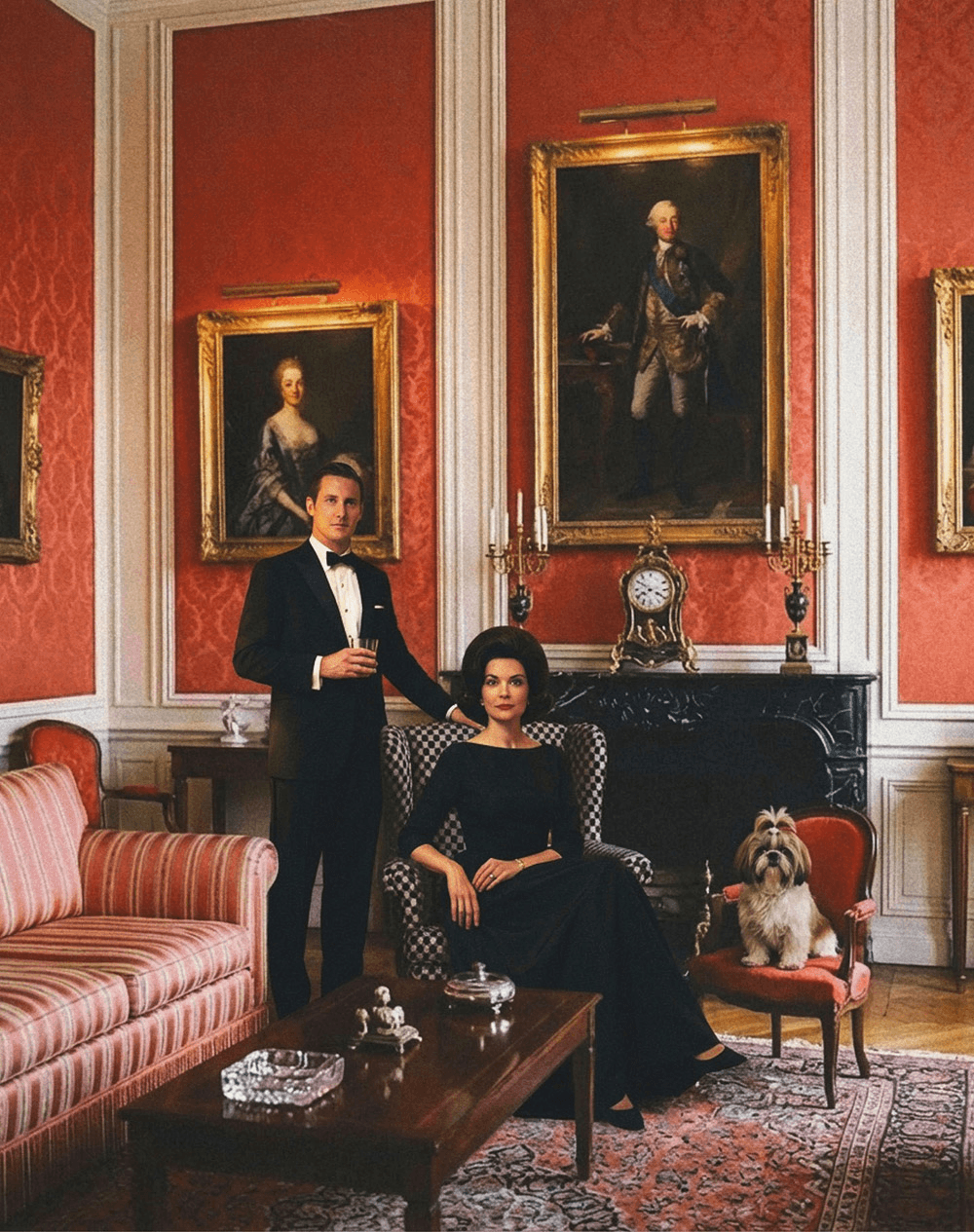
Gucci’s AI models in the campaign for PRIMAVERA
The reception split. Some users felt Gucci had captured the essence of "Milano glam" without betraying its identity. Photographer Tati Bruening, who has 2.4 million TikTok followers, read the campaign as possible provocation, saying she did not feel it "was necessarily made to reflect luxury but create commentary on what luxury actually is". By one account, the four days of online fighting made Gucci the most anticipated show of Fashion Month before a single look dropped, converting outrage into attention and attention into social capital. On that reading the backlash was priced in. The workers who would have been hired for a conventional campaign were priced out either way.

Comments under the announcement of the campaign on Instagram
Dr Priscilla Chan, senior lecturer at Manchester Metropolitan University's Fashion Institute, observed that earlier technological experiments earned brands considerable free positive publicity, whereas AI risks generating substantial negative publicity instead. Her framing treats the controversy as a reputational calculation. The commenters treated it as a moral one. That gap between how brands and publics understand the same event runs through every case that follows.
SIX WORDS IN SMALL PRINT
In Vogue's August 2025 print issue, a two-page Guess advertisement carried six discreet words: "Produced by Seraphinne Vallora on AI." The hyper-symmetrical blond model in the spread, pictured with a coffee cup in one frame and against a blue wall in another, did not exist. Seraphinne Vallora's founders, Valentina Gonzalez and Andreea Petrescu, said Guess co-founder Paul Marciano had commissioned the AI model via an Instagram message, and that the production required no casting director, no green room and no retoucher.
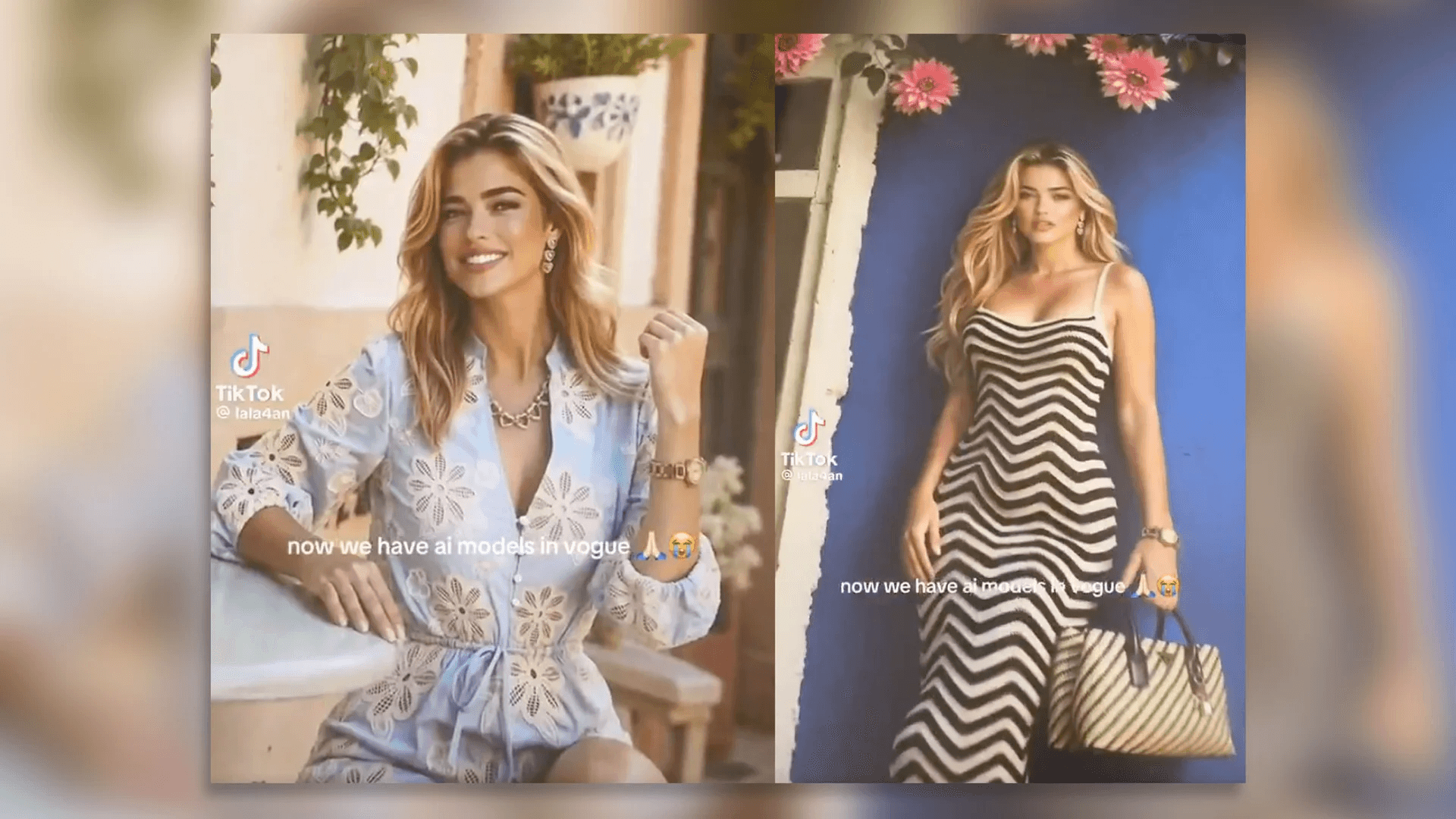
The Guess advertisement from Vogue's August 2025 print issue, marked in small type "Produced by Seraphinne Vallora on AI."
The reaction was swift and unusually material. One long-time reader posted that they had cancelled a Vogue subscription held for years because the magazine had run AI models. The backlash spread globally, with critics arguing the synthetic model threatened models' livelihoods and reversed hard-won diversity gains, since the AI figure conformed to a narrow, idealised beauty standard. Plus-size model Felicity Hayward told the BBC the campaign felt "lazy and cheap". Vogue maintained that the ad was a paid placement rather than an editorial decision, a distinction that did little to slow the criticism.
A fashion photograph has always been a fiction: lit, styled, retouched, arranged. Readers accepted the fiction because a person stood at its centre, and the image documented, however loosely, an encounter between that person and a garment. The Guess spread severed that link. Fashion-tech journalist Maghan McDowell pushed back against the reflex that any AI-touched art is inherently bad, while conceding that consumer-facing AI in these early days needs transparent disclosure because "our eyes are not trained to accept that". Precedent existed: Vogue Portugal ran an AI-generated cover model in June 2024, and Vogue Italia used AI for the background of a 2023 Bella Hadid cover, projects received as creative experiments rather than betrayals. Context is the whole game. AI framed as art reads as imagination. AI framed as advertising reads as a payroll decision.
THE CONSENSUAL CLONE
If Gucci and Guess represent the blunt version of synthetic fashion, H&M offers the sophisticated one. In March 2025 the retailer told CNN it planned to create thirty "digital twins" of real models, with the models owning the rights to their replicas and receiving payment for each use, structured like any campaign production. The company partnered with Swedish tech firm Uncut and said the technology would complement its human-centric approach.
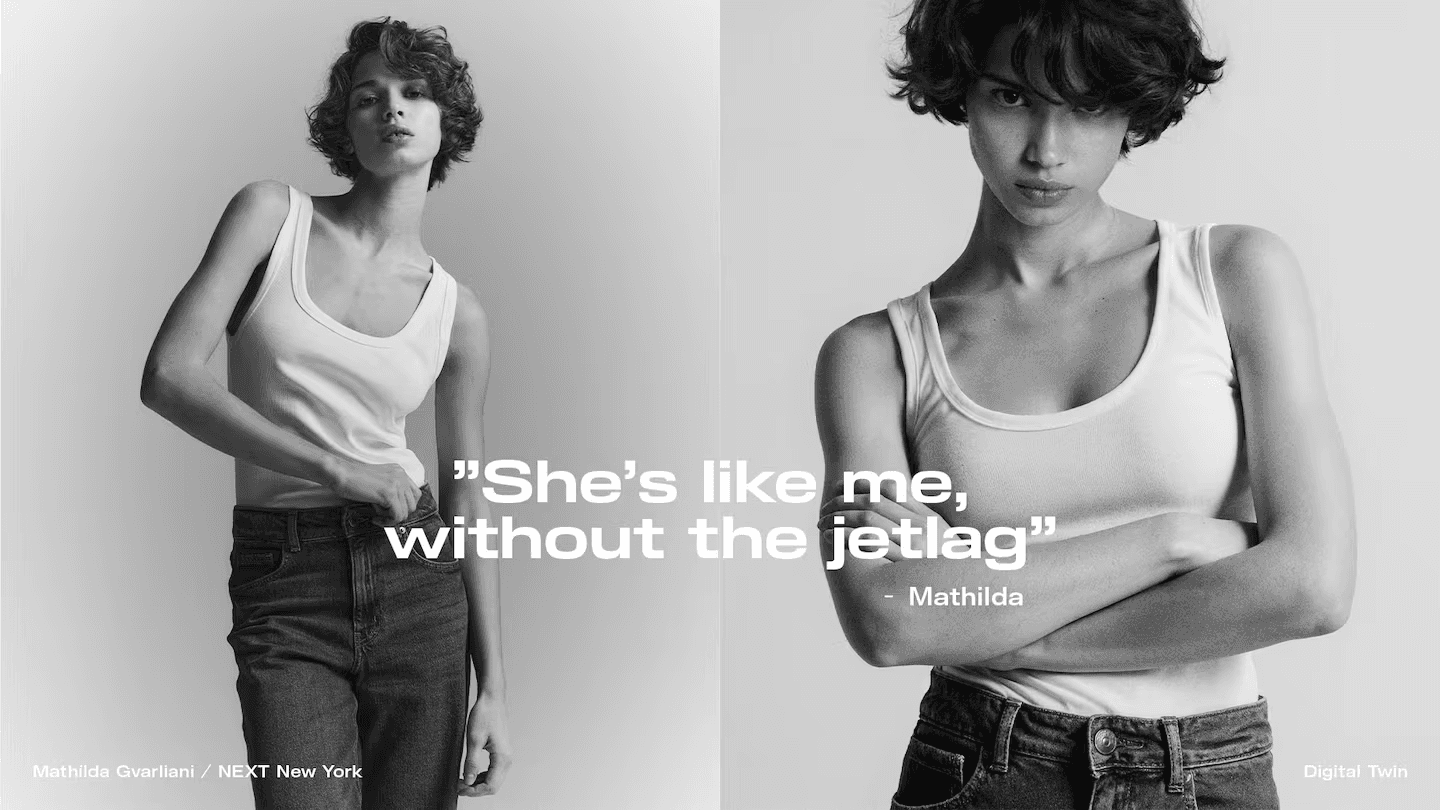
Model Mathilda Gvarliani alongside her AI-generated digital twin, part of H&M's plan to clone thirty of its models for marketing use. Credit: H&M
On paper this is the ethical template: consent, ownership, per-use compensation. The objections that followed were more layered than simple outrage. Paul W. Fleming, general secretary of the UK performing arts union Equity, welcomed the payment pledge while insisting it must be backed by AI protections in union agreements and legislation, few of which exist, adding that the race to innovate "must also not be a race to the bottom". Sara Ziff, founder of the Model Alliance, raised serious concerns about the absence of protections around consent and fair compensation, and argued the technology could displace the wider network of professionals who make fashion imagery, beyond the models themselves. Influencer Morgan Riddle called the move "shameful," writing "RIP to all the other jobs on shoot sets".
The model is compensated because the model's likeness is the raw material. The hairstylist, the lighting crew, the location scout and the caterer contribute labour rather than likeness, and labour, unlike likeness, is simply no longer required. The models themselves are divided: Mathilda Gvarliani described her twin as "like me, without the jet-lag," while casting agent Chloe Rosolek warned that for lesser-known models doing e-commerce work, AI poses a serious job threat on top of losses already absorbed. Model and technologist Sinead Bovell had anticipated the deeper problem years earlier, warning that every consented likeness enhances the AI systems themselves and could accelerate automation, leaving models more exploited rather than less. Consent, in this analysis, functions simultaneously as protection and as feedstock.
Zara, Zalando, Mango and Levi's already operate AI model imagery at production scale. Zara has been contacting models who previously worked for the brand, asking permission to digitally alter their existing photos to dress them in new clothes, and 69 per cent of British retailers plan heavy AI investment in 2026 to cut costs. McKinsey estimates generative AI could add between £120 billion and £220 billion to apparel and luxury operating profits over three to five years. Against numbers like these, aesthetic objections are a rounding error.
THE OLD DISAPPEARANCE, UPGRADED
A garment worker in a collapsing factory faces physical danger and poverty wages; a displaced e-commerce model faces income loss inside a wealthy industry. The hierarchies of suffering are real. So is the structural rhyme. Offshoring worked by moving labour beyond the sightline of the consumer, so a garment appeared in a shop as if it had no maker. The Rana Plaza collapse of 2013, which killed more than 1,100 garment workers in Bangladesh, forced that maker briefly into view and produced a decade of transparency initiatives. Synthetic imagery performs the same disappearance one layer up the value chain. The clothes still need makers. The images, increasingly, do not. Fashion spent thirty years learning to answer the question of who made my clothes. It now faces a second question it helped invent: who made my image, and was anyone paid.
The industry's defence runs on two tracks. Digital production cuts travel, logistics and the carbon cost of physical shoots, supporting sustainability targets. Levi's cited inclusivity as a motivation for its AI partnership, arguing synthetic models let the same garment be shown across ages, body shapes and skin tones. Efficiency arguments built the modern fashion industry, and every prior technological transition in the sector arrived wearing similar clothes. The sharper critique targets distribution rather than technology: who captures the gains, and who absorbs the losses.
THE LAW ARRIVES, UNEVENLY
Regulation is no longer hypothetical, though it remains a patchwork. New York's Fashion Workers Act, effective 19 June 2025, requires clients to obtain clear written approval from a model before creating or using a digital replica, with the approval detailing scope, purpose, rate of pay and duration of use. Power of attorney agreements between agencies and models can no longer bundle in digital replica rights, and pre-existing agreements that did so are now void. New York went further in December 2025, when Governor Hochul signed the Synthetic Performer Disclosure law, effective 9 June 2026, requiring conspicuous disclosure whenever an advertisement knowingly features a synthetic performer, across any medium. California's parallel statutes, in force since January 2025, require affirmative consent for digital replicas of a person's voice or likeness and prohibit replicas of deceased personalities without estate permission.
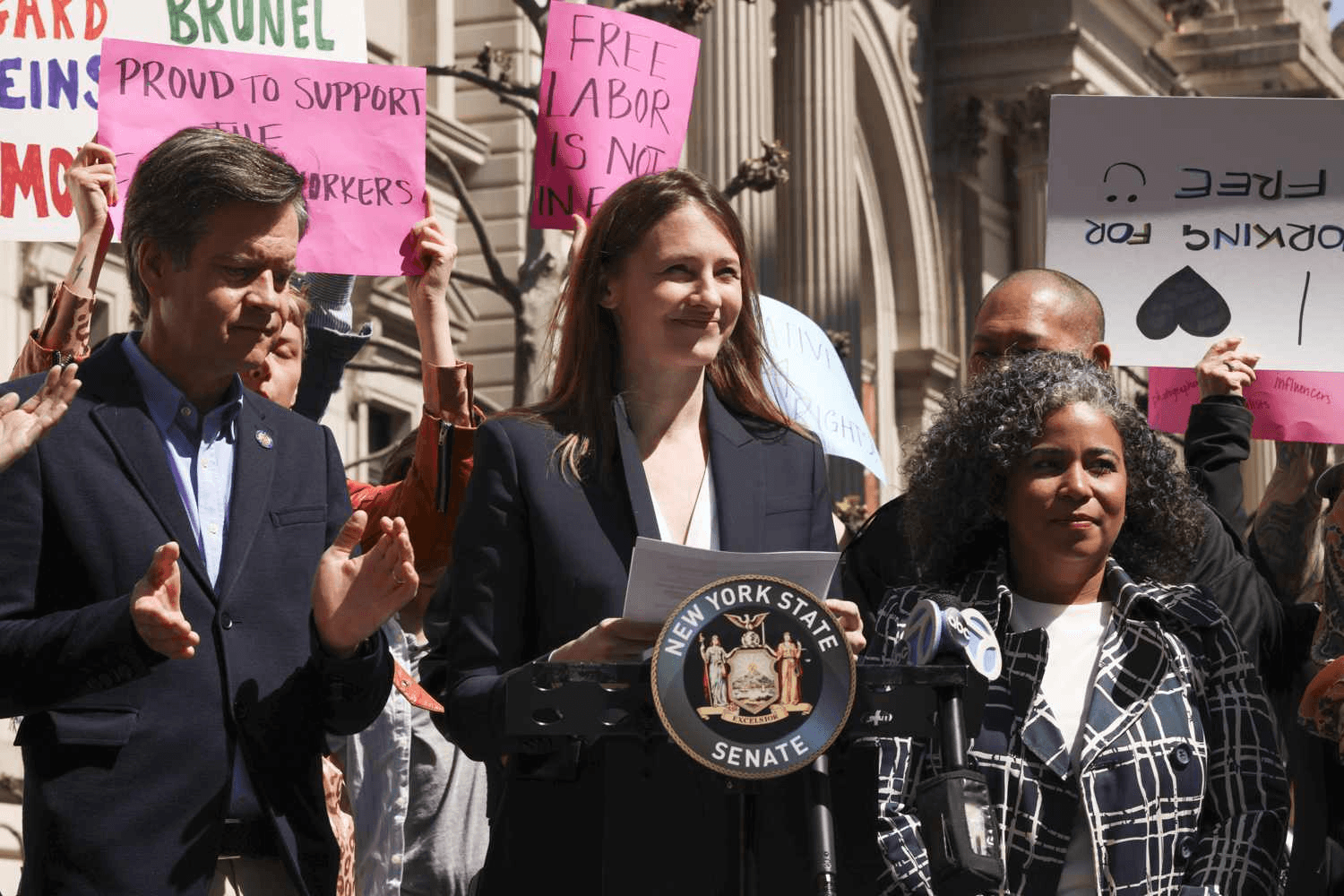
The Model Alliance, founded by Sara Ziff, campaigned for New York's Fashion Workers Act, which since June 2025 requires written consent before a model's digital replica can be created or used. Credit: Reed Young
Across the Atlantic, the approach is transparency rather than consent. Article 50 of the EU AI Act obliges those who generate or substantially manipulate images to ensure the content is clearly identifiable as artificial, meaning AI-generated campaign imagery in the EU must carry visible or metadata-level disclosure. The transparency rules take effect in August 2026, and the European Commission published its Code of Practice on marking and labelling AI-generated content in June 2026, including a proposed standardised "AI" visual label and a taxonomy distinguishing fully AI-generated from AI-assisted content.
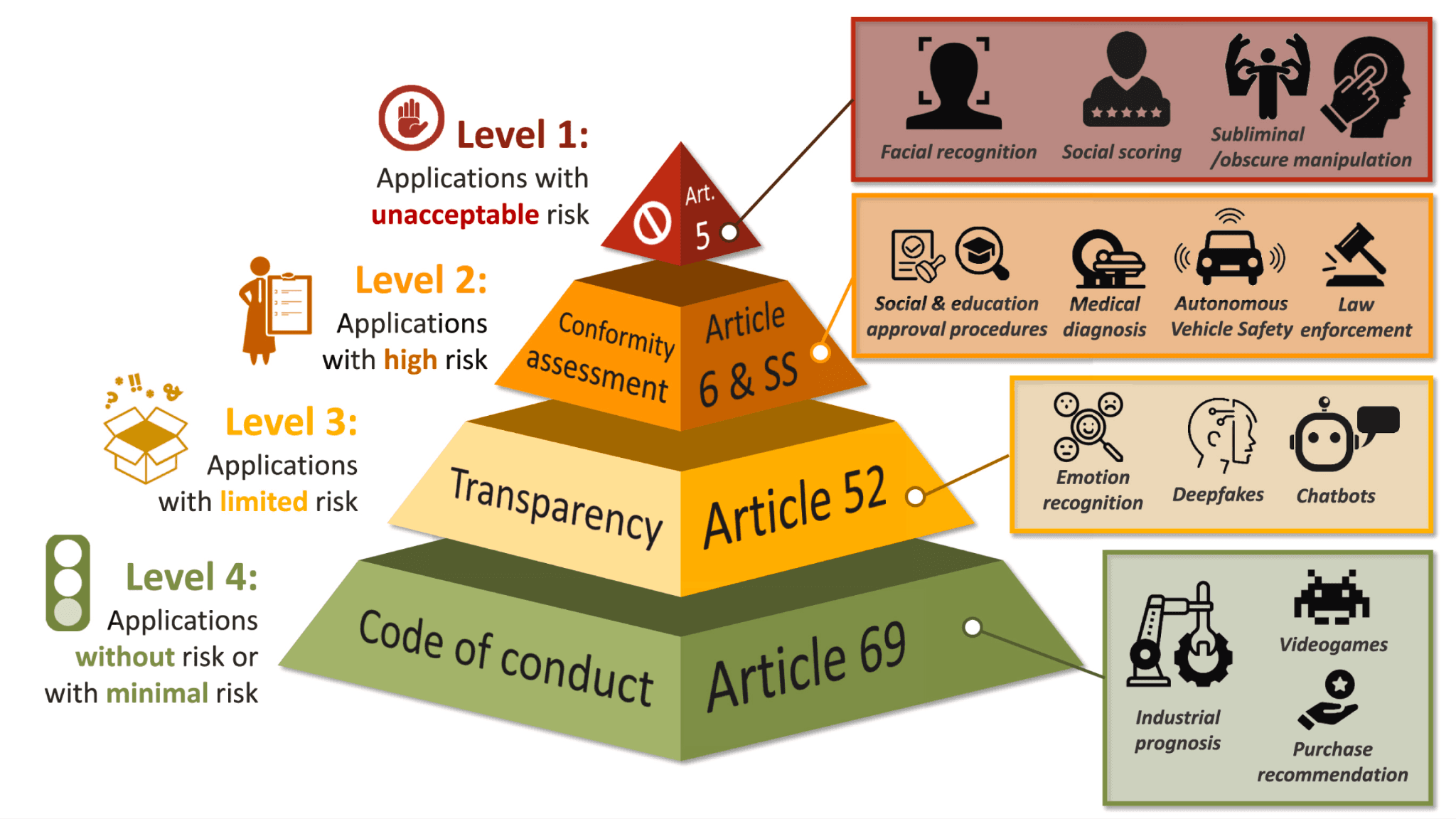
Natalia Díaz-Rodríguez, Javier Del Ser, Mark Coeckelbergh, Marcos López de Prado, Enrique Herrera-Viedma, Francisco Herrera, Connecting the dots in trustworthy Artificial Intelligence: From AI principles, ethics, and key requirements to responsible AI systems and regulation, Information Fusion, Volume 99
Disclosure laws protect the viewer from deception. Consent laws protect the model whose likeness is captured. Neither protects the photographer, stylist or set worker whose job evaporates when the shoot itself does. Analysts increasingly argue the cases reveal a need for broader likeness protections and ethical frameworks across creative industries, and the throughline of transparency, consent, compensation and control echoes the principles pushed by SAG-AFTRA and the Writers Guild, whose 2023 strikes were the first mass labour actions of the AI era. Fashion's crews have no equivalent contract.
THE LAST PEOPLE IN THE FRAME
Read together, the three cases sketch a public more discerning than either boosters or doomers allow. Audiences tolerated AI on a Vogue Portugal cover and revolted at an AI advertisement inside Vogue's pages. They shrugged at Gucci's NFT experiments and erupted at a synthetic grandmother. The pattern suggests people are drawing a line between AI as a medium of imagination and AI as a substitute for employment, and drawing it faster than the industry expected. Whether that line holds is uncertain. H&M's digital twin images were realistic enough that most viewers scrolled past without registering anything synthetic. Outrage requires detection, and detection is a diminishing resource.
The Milanese grandmother that Gucci generated has no name, no rent, no pension and no past, which is exactly what makes her economical. Every fashion image the industry publishes from here on carries an implicit answer to a single question: was a human being worth hiring for this. The sweatshop era taught fashion how to make that answer invisible. The server era makes it unnecessary to ask. Readers cancelling subscriptions and commenters mourning imaginary grandmothers are, in their own scattered way, insisting the question stay open. They are the last people in the frame.
*Disclaimer: Cover image is AI Generated via OpenAI.
TO BE CONTINUED, FOR SUBSCRIBERS ONLY.
This is where the surface ends and the reporting begins.
The complete piece, the full archive, and access to The French Press Circle. Reporting answerable only to its readers.
Already a subscriber ?
Login
Read these on the house, with our compliments.
A selection from the current issue, open to all readers. Read them in full. The rest is one decision away.

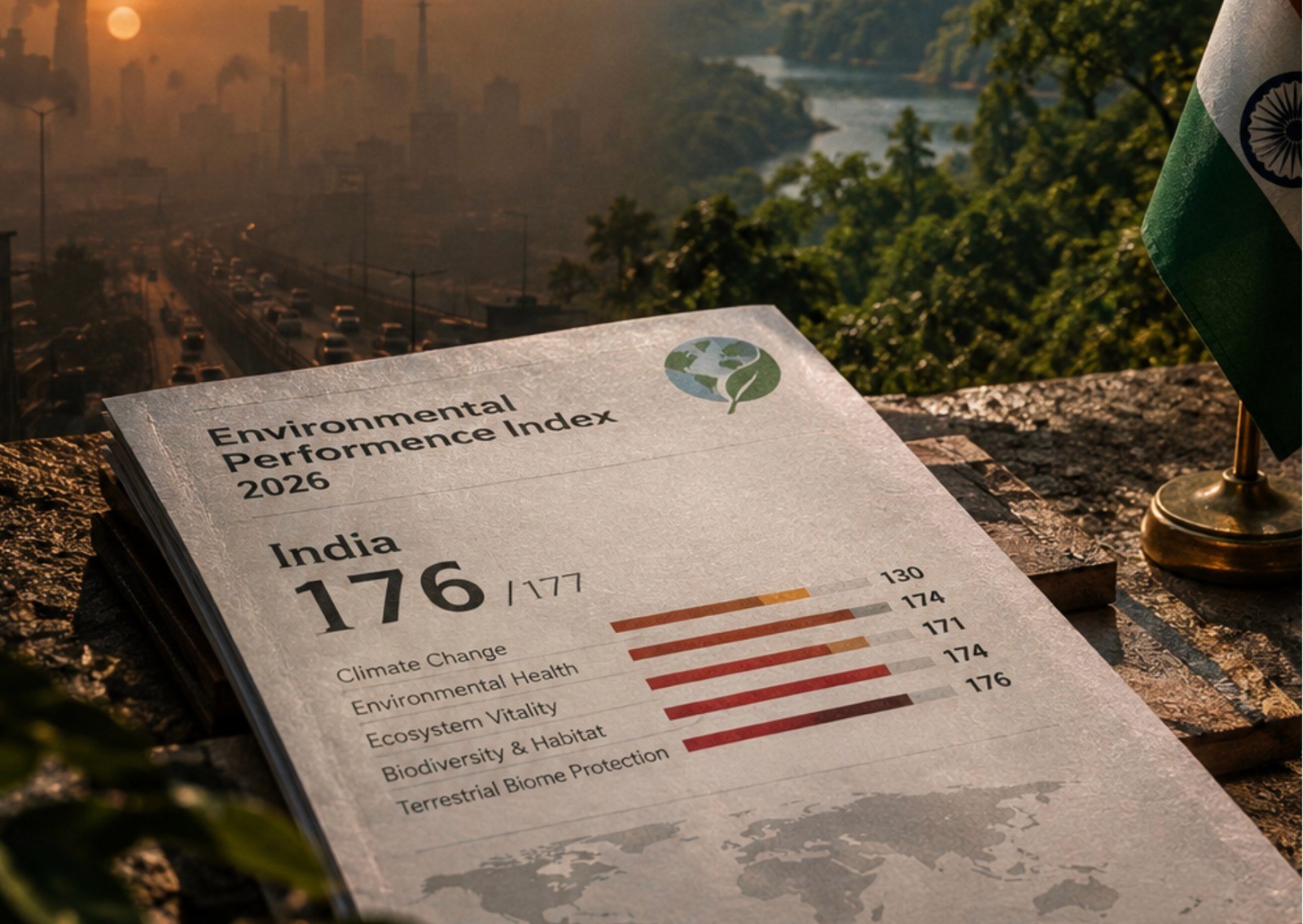


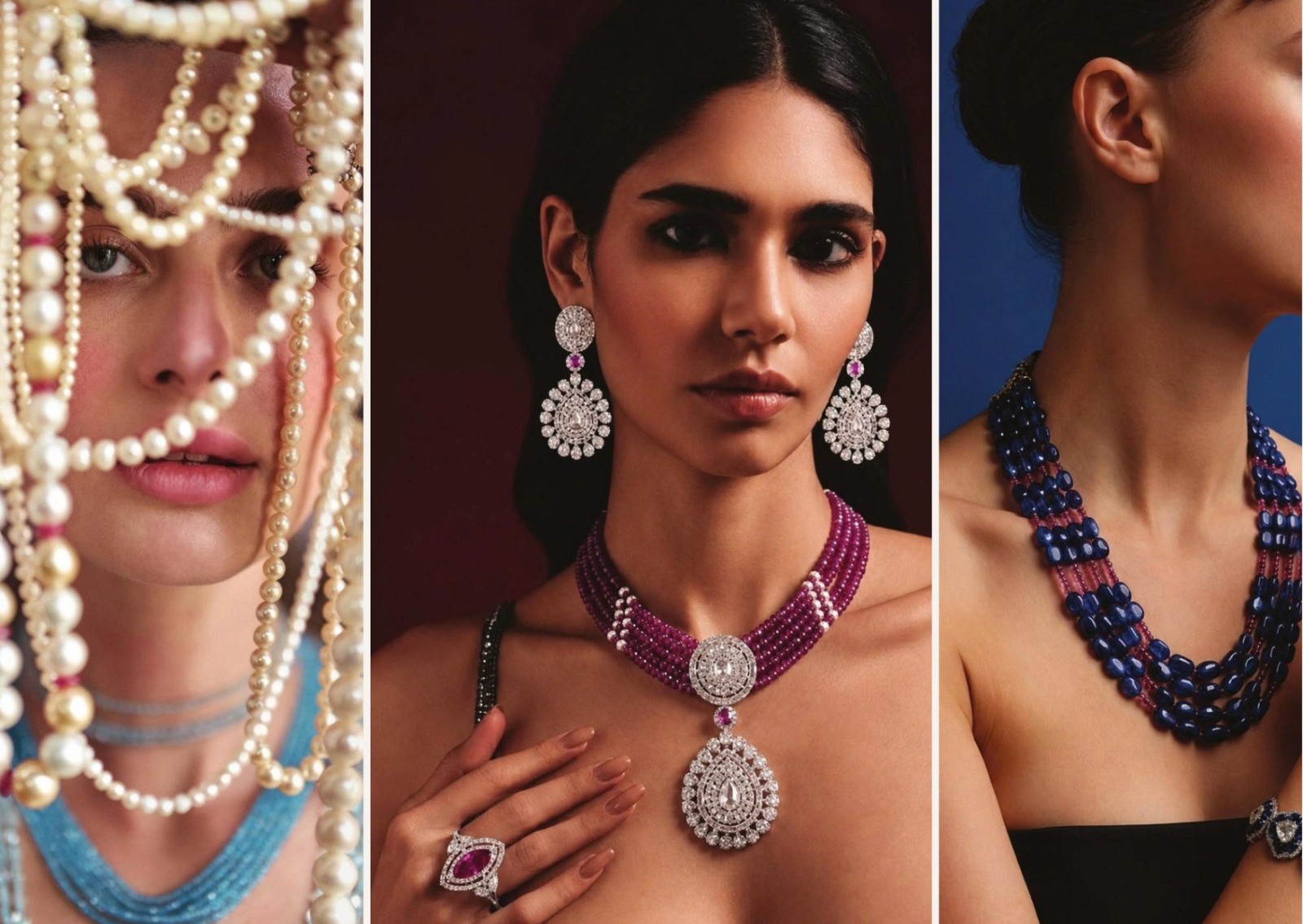
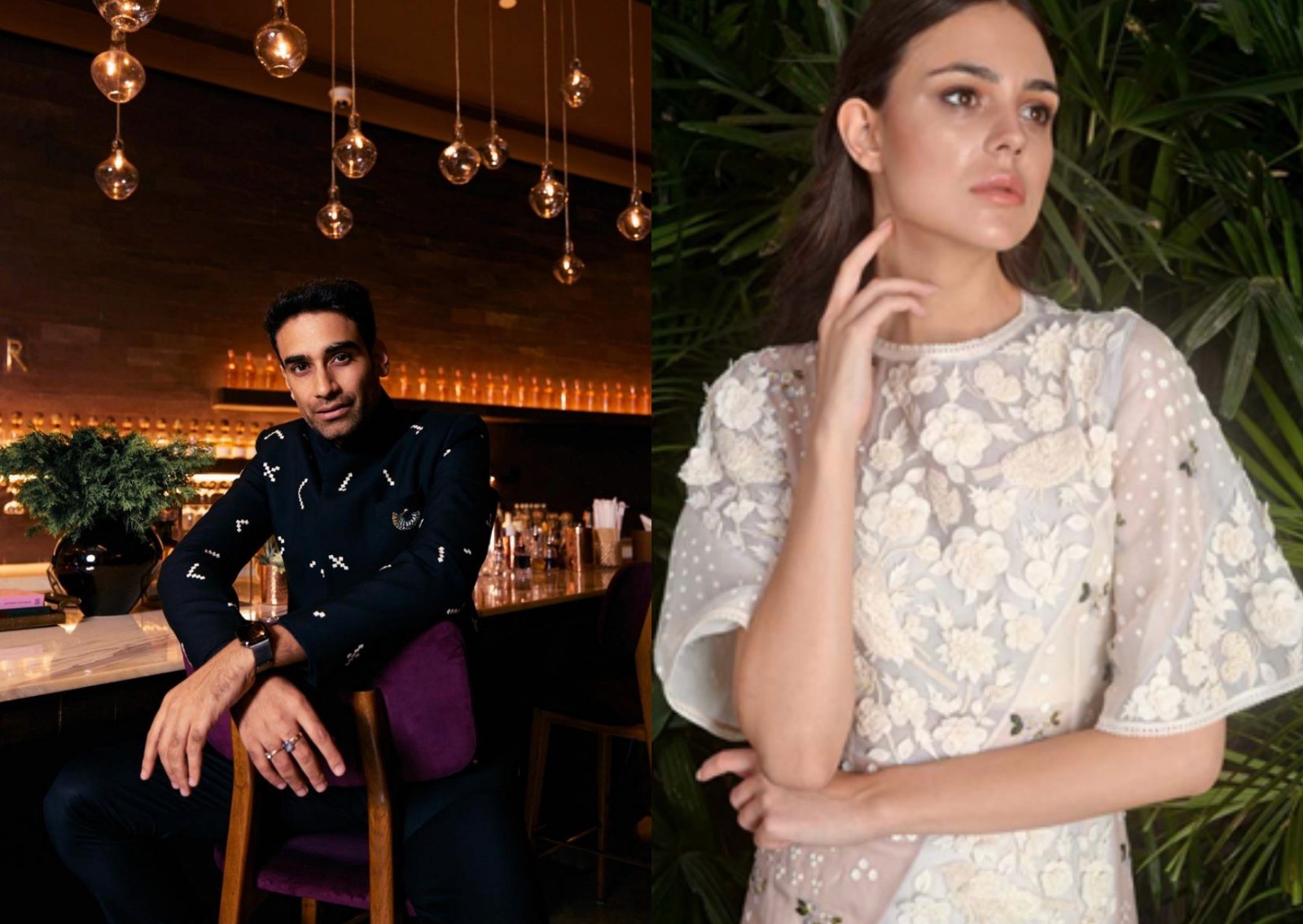

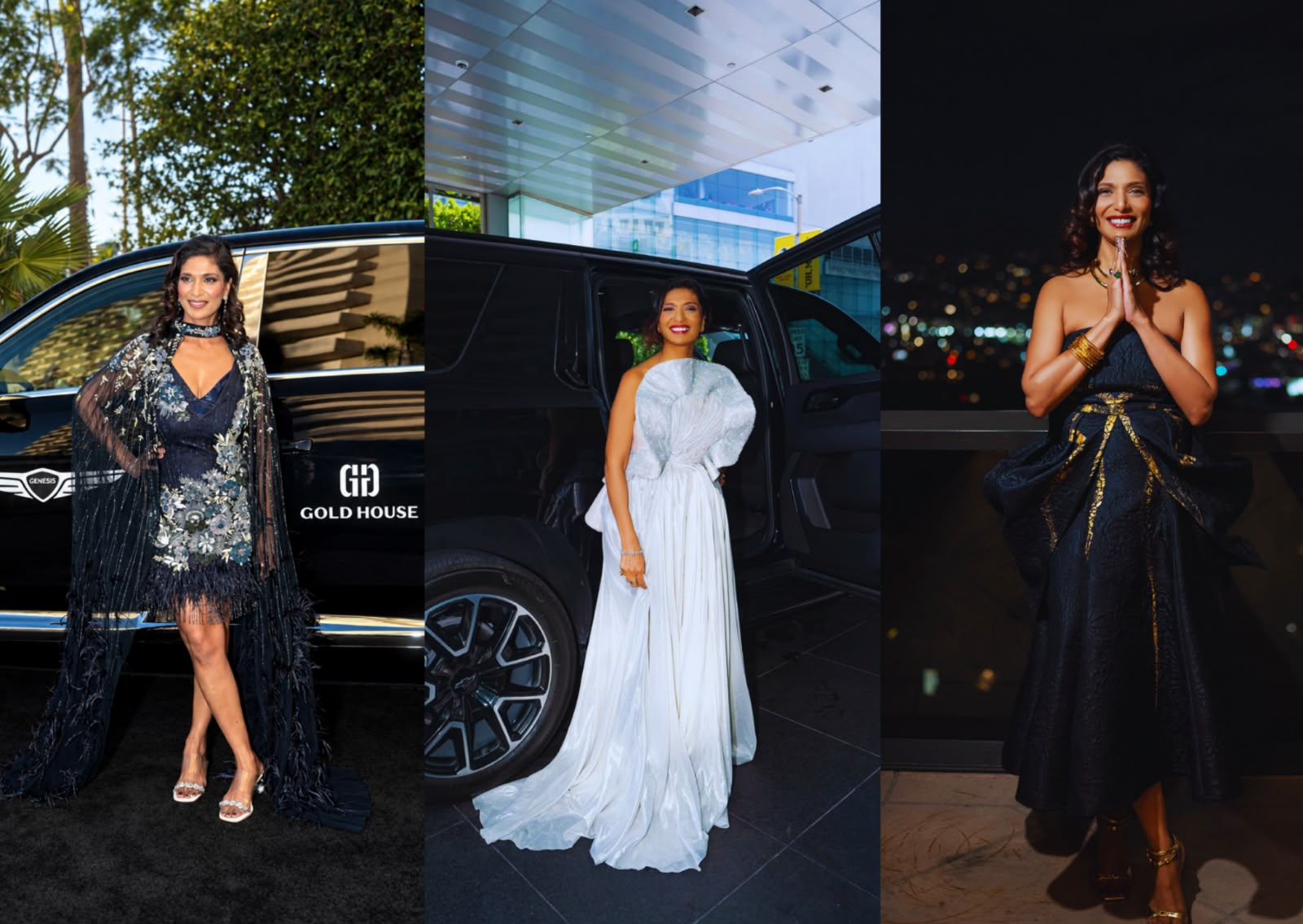


For most of its industrial life, fashion has hidden its workers behind distance. The seamstress in Dhaka, the dye worker in Tirupur, the pattern cutter in Guangzhou existed at the far end of a supply chain built so the consumer would never have to meet them. The industry's newest efficiency goes further. It removes the worker from the image itself. The model, the photographer, the stylist, the make-up artist, the lighting technician: all of them can now be rendered unnecessary by a text prompt. The question in 2026 is whether the public will accept a fashion image with no human being behind it. The early evidence suggests they will not go without a fight.
A GRANDMOTHER MADE OF PIXELS
In the days before its PRIMAVERA show at Milan Fashion Week 2026, Gucci released a series of AI-generated promotional images across Instagram and X. The set was eclectic to the point of incoherence: a satellite in orbit, a horse on a beach, a sports car styled like a video game render, an older woman in a fur coat at a café, all posted without explanation alongside the house's real campaign photography. The images were labelled "created with AI," and critics dismissed them as "AI slop," internet shorthand for the flood of low-quality machine-made content saturating social platforms.
An AI-generated image from Gucci's PRIMAVERA promotional series, posted ahead of Milan Fashion Week 2026 and labelled "created with AI." Credit: Gucci / Instagram
One image drew the sharpest response. In reply to the AI-generated portrait of an elegant older Italian woman in a vintage look, a commenter wrote: "Bleak days when Gucci can't find a real human Milanese grandmother to wear an outfit from 1976." The line travelled because Milan contains actual grandmothers who wore actual Gucci in 1976. The brand chose to synthesise one instead.
Users asked how replacing human models and photographers with AI squared with Gucci's stated commitment to creativity and Italian craftsmanship. Luxury pricing rests on the claim that human hands, human taste and human time are embedded in the product. The stakes rise when AI displaces photographers, make-up artists, stylists, models and production teams from core marketing campaigns, particularly for a brand selling handbags at four-figure prices.
Gucci’s AI models in the campaign for PRIMAVERA
The reception split. Some users felt Gucci had captured the essence of "Milano glam" without betraying its identity. Photographer Tati Bruening, who has 2.4 million TikTok followers, read the campaign as possible provocation, saying she did not feel it "was necessarily made to reflect luxury but create commentary on what luxury actually is". By one account, the four days of online fighting made Gucci the most anticipated show of Fashion Month before a single look dropped, converting outrage into attention and attention into social capital. On that reading the backlash was priced in. The workers who would have been hired for a conventional campaign were priced out either way.
Comments under the announcement of the campaign on Instagram
Dr Priscilla Chan, senior lecturer at Manchester Metropolitan University's Fashion Institute, observed that earlier technological experiments earned brands considerable free positive publicity, whereas AI risks generating substantial negative publicity instead. Her framing treats the controversy as a reputational calculation. The commenters treated it as a moral one. That gap between how brands and publics understand the same event runs through every case that follows.
SIX WORDS IN SMALL PRINT
In Vogue's August 2025 print issue, a two-page Guess advertisement carried six discreet words: "Produced by Seraphinne Vallora on AI." The hyper-symmetrical blond model in the spread, pictured with a coffee cup in one frame and against a blue wall in another, did not exist. Seraphinne Vallora's founders, Valentina Gonzalez and Andreea Petrescu, said Guess co-founder Paul Marciano had commissioned the AI model via an Instagram message, and that the production required no casting director, no green room and no retoucher.
The Guess advertisement from Vogue's August 2025 print issue, marked in small type "Produced by Seraphinne Vallora on AI."
The reaction was swift and unusually material. One long-time reader posted that they had cancelled a Vogue subscription held for years because the magazine had run AI models. The backlash spread globally, with critics arguing the synthetic model threatened models' livelihoods and reversed hard-won diversity gains, since the AI figure conformed to a narrow, idealised beauty standard. Plus-size model Felicity Hayward told the BBC the campaign felt "lazy and cheap". Vogue maintained that the ad was a paid placement rather than an editorial decision, a distinction that did little to slow the criticism.
A fashion photograph has always been a fiction: lit, styled, retouched, arranged. Readers accepted the fiction because a person stood at its centre, and the image documented, however loosely, an encounter between that person and a garment. The Guess spread severed that link. Fashion-tech journalist Maghan McDowell pushed back against the reflex that any AI-touched art is inherently bad, while conceding that consumer-facing AI in these early days needs transparent disclosure because "our eyes are not trained to accept that". Precedent existed: Vogue Portugal ran an AI-generated cover model in June 2024, and Vogue Italia used AI for the background of a 2023 Bella Hadid cover, projects received as creative experiments rather than betrayals. Context is the whole game. AI framed as art reads as imagination. AI framed as advertising reads as a payroll decision.
THE CONSENSUAL CLONE
If Gucci and Guess represent the blunt version of synthetic fashion, H&M offers the sophisticated one. In March 2025 the retailer told CNN it planned to create thirty "digital twins" of real models, with the models owning the rights to their replicas and receiving payment for each use, structured like any campaign production. The company partnered with Swedish tech firm Uncut and said the technology would complement its human-centric approach.
Model Mathilda Gvarliani alongside her AI-generated digital twin, part of H&M's plan to clone thirty of its models for marketing use. Credit: H&M
On paper this is the ethical template: consent, ownership, per-use compensation. The objections that followed were more layered than simple outrage. Paul W. Fleming, general secretary of the UK performing arts union Equity, welcomed the payment pledge while insisting it must be backed by AI protections in union agreements and legislation, few of which exist, adding that the race to innovate "must also not be a race to the bottom". Sara Ziff, founder of the Model Alliance, raised serious concerns about the absence of protections around consent and fair compensation, and argued the technology could displace the wider network of professionals who make fashion imagery, beyond the models themselves. Influencer Morgan Riddle called the move "shameful," writing "RIP to all the other jobs on shoot sets".
The model is compensated because the model's likeness is the raw material. The hairstylist, the lighting crew, the location scout and the caterer contribute labour rather than likeness, and labour, unlike likeness, is simply no longer required. The models themselves are divided: Mathilda Gvarliani described her twin as "like me, without the jet-lag," while casting agent Chloe Rosolek warned that for lesser-known models doing e-commerce work, AI poses a serious job threat on top of losses already absorbed. Model and technologist Sinead Bovell had anticipated the deeper problem years earlier, warning that every consented likeness enhances the AI systems themselves and could accelerate automation, leaving models more exploited rather than less. Consent, in this analysis, functions simultaneously as protection and as feedstock.
Zara, Zalando, Mango and Levi's already operate AI model imagery at production scale. Zara has been contacting models who previously worked for the brand, asking permission to digitally alter their existing photos to dress them in new clothes, and 69 per cent of British retailers plan heavy AI investment in 2026 to cut costs. McKinsey estimates generative AI could add between £120 billion and £220 billion to apparel and luxury operating profits over three to five years. Against numbers like these, aesthetic objections are a rounding error.
THE OLD DISAPPEARANCE, UPGRADED
A garment worker in a collapsing factory faces physical danger and poverty wages; a displaced e-commerce model faces income loss inside a wealthy industry. The hierarchies of suffering are real. So is the structural rhyme. Offshoring worked by moving labour beyond the sightline of the consumer, so a garment appeared in a shop as if it had no maker. The Rana Plaza collapse of 2013, which killed more than 1,100 garment workers in Bangladesh, forced that maker briefly into view and produced a decade of transparency initiatives. Synthetic imagery performs the same disappearance one layer up the value chain. The clothes still need makers. The images, increasingly, do not. Fashion spent thirty years learning to answer the question of who made my clothes. It now faces a second question it helped invent: who made my image, and was anyone paid.
The industry's defence runs on two tracks. Digital production cuts travel, logistics and the carbon cost of physical shoots, supporting sustainability targets. Levi's cited inclusivity as a motivation for its AI partnership, arguing synthetic models let the same garment be shown across ages, body shapes and skin tones. Efficiency arguments built the modern fashion industry, and every prior technological transition in the sector arrived wearing similar clothes. The sharper critique targets distribution rather than technology: who captures the gains, and who absorbs the losses.
THE LAW ARRIVES, UNEVENLY
Regulation is no longer hypothetical, though it remains a patchwork. New York's Fashion Workers Act, effective 19 June 2025, requires clients to obtain clear written approval from a model before creating or using a digital replica, with the approval detailing scope, purpose, rate of pay and duration of use. Power of attorney agreements between agencies and models can no longer bundle in digital replica rights, and pre-existing agreements that did so are now void. New York went further in December 2025, when Governor Hochul signed the Synthetic Performer Disclosure law, effective 9 June 2026, requiring conspicuous disclosure whenever an advertisement knowingly features a synthetic performer, across any medium. California's parallel statutes, in force since January 2025, require affirmative consent for digital replicas of a person's voice or likeness and prohibit replicas of deceased personalities without estate permission.
The Model Alliance, founded by Sara Ziff, campaigned for New York's Fashion Workers Act, which since June 2025 requires written consent before a model's digital replica can be created or used. Credit: Reed Young
Across the Atlantic, the approach is transparency rather than consent. Article 50 of the EU AI Act obliges those who generate or substantially manipulate images to ensure the content is clearly identifiable as artificial, meaning AI-generated campaign imagery in the EU must carry visible or metadata-level disclosure. The transparency rules take effect in August 2026, and the European Commission published its Code of Practice on marking and labelling AI-generated content in June 2026, including a proposed standardised "AI" visual label and a taxonomy distinguishing fully AI-generated from AI-assisted content.
Natalia Díaz-Rodríguez, Javier Del Ser, Mark Coeckelbergh, Marcos López de Prado, Enrique Herrera-Viedma, Francisco Herrera, Connecting the dots in trustworthy Artificial Intelligence: From AI principles, ethics, and key requirements to responsible AI systems and regulation, Information Fusion, Volume 99
Disclosure laws protect the viewer from deception. Consent laws protect the model whose likeness is captured. Neither protects the photographer, stylist or set worker whose job evaporates when the shoot itself does. Analysts increasingly argue the cases reveal a need for broader likeness protections and ethical frameworks across creative industries, and the throughline of transparency, consent, compensation and control echoes the principles pushed by SAG-AFTRA and the Writers Guild, whose 2023 strikes were the first mass labour actions of the AI era. Fashion's crews have no equivalent contract.
THE LAST PEOPLE IN THE FRAME
Read together, the three cases sketch a public more discerning than either boosters or doomers allow. Audiences tolerated AI on a Vogue Portugal cover and revolted at an AI advertisement inside Vogue's pages. They shrugged at Gucci's NFT experiments and erupted at a synthetic grandmother. The pattern suggests people are drawing a line between AI as a medium of imagination and AI as a substitute for employment, and drawing it faster than the industry expected. Whether that line holds is uncertain. H&M's digital twin images were realistic enough that most viewers scrolled past without registering anything synthetic. Outrage requires detection, and detection is a diminishing resource.
The Milanese grandmother that Gucci generated has no name, no rent, no pension and no past, which is exactly what makes her economical. Every fashion image the industry publishes from here on carries an implicit answer to a single question: was a human being worth hiring for this. The sweatshop era taught fashion how to make that answer invisible. The server era makes it unnecessary to ask. Readers cancelling subscriptions and commenters mourning imaginary grandmothers are, in their own scattered way, insisting the question stay open. They are the last people in the frame.
*Disclaimer: Cover image is AI Generated via OpenAI.
TO BE CONTINUED, FOR SUBSCRIBERS ONLY.
This is where the surface ends and the reporting begins.
The complete piece, the full archive, and access to The French Press Circle. Reporting answerable only to its readers.
Already a subscriber ?
Login
Read these on the house, with our compliments.
A selection from the current issue, open to all readers. Read them in full. The rest is one decision away.