
India has taken the baton. On the closing night at Glasgow’s Hydro, the Commonwealth Flag passed from Scotland into Indian hands, and Ahmedabad now carries the weight and the joy of hosting the centenary Commonwealth Games in 2030, a hundred years after the movement began. The city that already holds the world’s largest cricket stadium will now build a stage for the world’s oldest multi-nation sporting family, and Gujarat becomes the ground on which that century turns.
The number that matters first is thirty-nine. India finished the Commonwealth Games 2026 with 39 medals, thirteen gold, seventeen silver and nine bronze, placing fourth in the standings. Read that fourth-place finish for what it actually represents, because India competed in a significantly reduced programme that excluded traditional medal-rich sports such as wrestling, badminton, table tennis, hockey and shooting, the very disciplines that have historically filled India’s medal cabinet at these Games. To land fourth without those sports in the mix is a different kind of achievement, one built on a depth the country is only now fully revealing.
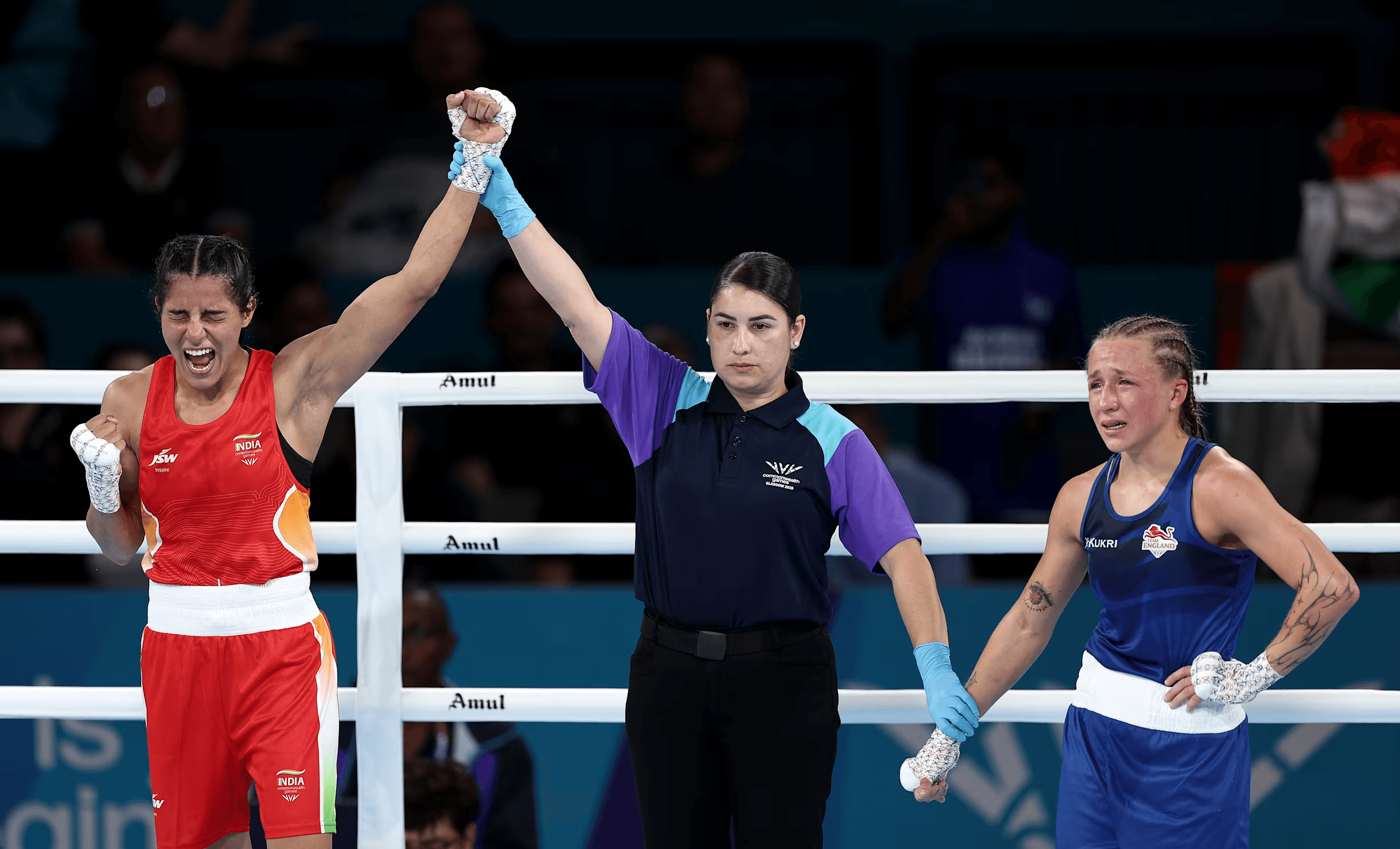
Picture by 2026 Getty Images | Sakshi Chaudhary ended Ruby White's streak of winning 68 straight matches.
Boxing carried that depth on its shoulders. The sport delivered a record ten medals for India, including an unprecedented seven golds, the most any nation has won in boxing at a single Commonwealth Games. Sakshi Chaudhary emerged as one of the standout performers of the entire Games, and Olympic medallist Lovlina Borgohain added a silver in the women’s 75kg category, proof that Tokyo was a beginning and not a peak. Weightlifter Mirabai Chanu made her own kind of history too, winning her third Commonwealth gold and becoming only the second Indian ever to string together three successive titles at the Games, a run that now sits alongside her Olympic legacy as one long, unbroken argument for her greatness.
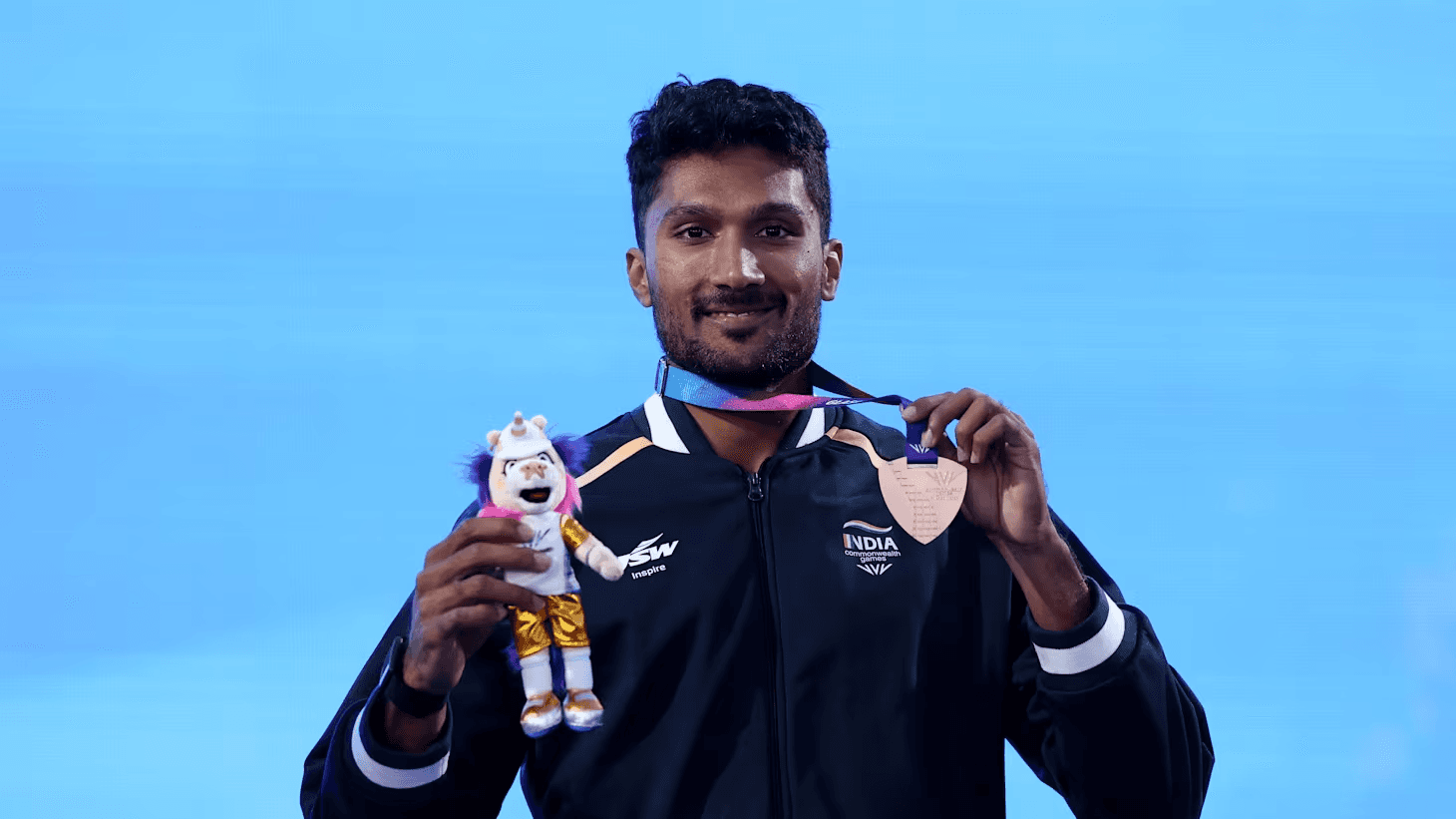
Commonwealth Games 2026: Tejaswin Shankar wins India's first-ever medal in decathlon
Now for the piece worth celebrating slowly. Tejaswin Shankar stepped into the decathlon, ten events spread across two punishing days that test speed, strength, height and endurance all in the same body, and he walked away with bronze, becoming the first Indian in the history of the Commonwealth Games to win a decathlon medal. This is the kind of first that arrives quietly, since the decathlon rarely claims the primetime slot that boxing or athletics finals command, yet it demands more from an athlete’s body and calendar than almost any other event on the programme. Shankar’s bronze belongs to every quiet, unglamorous training block that led to it, and it opens a door that Indian athletics can now walk through with intention rather than hope.
Judo gave India a first of its own: two Commonwealth Games gold medals in a single campaign, the country’s best-ever showing in the sport at one edition of the Games. And the para contingent gave Glasgow its most moving arithmetic: India’s para athletes matched the nation’s combined medal tally from every previous Commonwealth Games edition by winning seven medals in this one alone, three gold, two silver and two bronze, with para athletics accounting for six of them and ending a twenty-year wait for an Indian para athletics podium at these Games. That wait spanned a generation, and it closed with three separate double podium finishes, athletes standing together rather than alone.
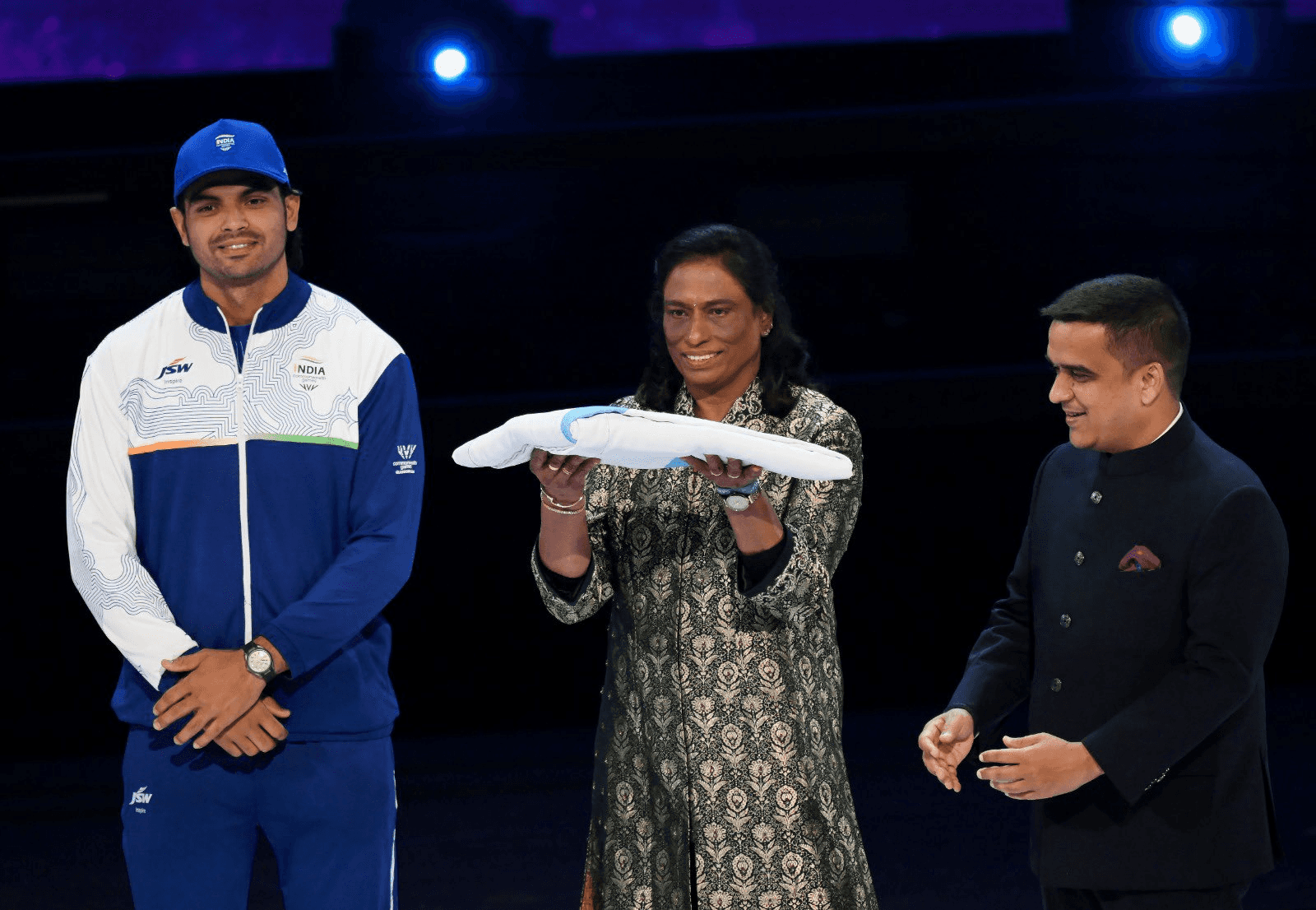
Olympic champion Neeraj Chopra and Indian Olympic Association (IOA) President P T Usha received the flag and ceremonial baton on India’s behalf.
The closing ceremony matched the scale of what the athletes had built. Glasgow handed the flag to India in front of Tokyo Olympic champion Neeraj Chopra and Indian Olympic Association president PT Usha, and then India answered with a twenty-minute showcase that felt like an invitation to the whole Commonwealth to come see what Ahmedabad is preparing to build. Manushi Chhillar led a sweeping ensemble through a theatrical opening marking one hundred and fifty years of Vande Mataram, and from there the evening moved into its most tender act, sitar virtuoso Rishab Rikhiram Sharma trading phrases with Scottish piper Ross Ainslie, Indian classical music folding into Highland sound until the two traditions became, briefly, one conversation. Shankar Mahadevan closed the segment with his sons Siddharth and Shivam beside him, joined by Gujarat’s own Bhoomi Trivedi, a tribute to the state that will carry the Games next, staged with the kind of choreography and scale that made clear India was already rehearsing for the party it intends to throw.
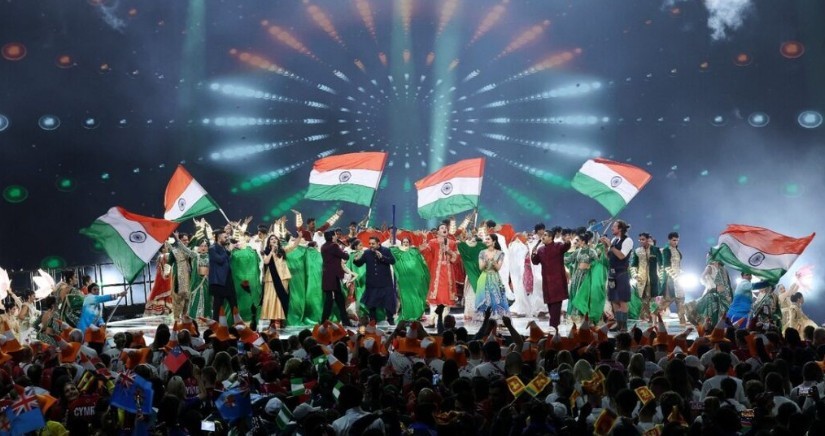
The official flag handover and cultural presentation during the closing ceremony of the 2026 Commonwealth Games in Glasgow, Scotland.
There is a particular satisfaction in watching a country win in disciplines it has never won in before, in a decathlon bronze that ends decades of absence and a para campaign that closes twenty years of waiting in eleven days. Glasgow closes as a Games where India arrived fourth on paper and first in the parts of the story that will matter longest. Ahmedabad has four years now to answer the invitation it just made to the world, and on the evidence of Glasgow, India is already running toward it.
TO BE CONTINUED, FOR SUBSCRIBERS ONLY.
This is where the surface ends and the reporting begins.
The complete piece, the full archive, and access to The French Press Circle. Reporting answerable only to its readers.
Already a subscriber ?
Login
Read these on the house, with our compliments.
A selection from the current issue, open to all readers. Read them in full. The rest is one decision away.


India has taken the baton. On the closing night at Glasgow’s Hydro, the Commonwealth Flag passed from Scotland into Indian hands, and Ahmedabad now carries the weight and the joy of hosting the centenary Commonwealth Games in 2030, a hundred years after the movement began. The city that already holds the world’s largest cricket stadium will now build a stage for the world’s oldest multi-nation sporting family, and Gujarat becomes the ground on which that century turns.
The number that matters first is thirty-nine. India finished the Commonwealth Games 2026 with 39 medals, thirteen gold, seventeen silver and nine bronze, placing fourth in the standings. Read that fourth-place finish for what it actually represents, because India competed in a significantly reduced programme that excluded traditional medal-rich sports such as wrestling, badminton, table tennis, hockey and shooting, the very disciplines that have historically filled India’s medal cabinet at these Games. To land fourth without those sports in the mix is a different kind of achievement, one built on a depth the country is only now fully revealing.
Picture by 2026 Getty Images | Sakshi Chaudhary ended Ruby White's streak of winning 68 straight matches.
Boxing carried that depth on its shoulders. The sport delivered a record ten medals for India, including an unprecedented seven golds, the most any nation has won in boxing at a single Commonwealth Games. Sakshi Chaudhary emerged as one of the standout performers of the entire Games, and Olympic medallist Lovlina Borgohain added a silver in the women’s 75kg category, proof that Tokyo was a beginning and not a peak. Weightlifter Mirabai Chanu made her own kind of history too, winning her third Commonwealth gold and becoming only the second Indian ever to string together three successive titles at the Games, a run that now sits alongside her Olympic legacy as one long, unbroken argument for her greatness.
Commonwealth Games 2026: Tejaswin Shankar wins India's first-ever medal in decathlon
Now for the piece worth celebrating slowly. Tejaswin Shankar stepped into the decathlon, ten events spread across two punishing days that test speed, strength, height and endurance all in the same body, and he walked away with bronze, becoming the first Indian in the history of the Commonwealth Games to win a decathlon medal. This is the kind of first that arrives quietly, since the decathlon rarely claims the primetime slot that boxing or athletics finals command, yet it demands more from an athlete’s body and calendar than almost any other event on the programme. Shankar’s bronze belongs to every quiet, unglamorous training block that led to it, and it opens a door that Indian athletics can now walk through with intention rather than hope.
Judo gave India a first of its own: two Commonwealth Games gold medals in a single campaign, the country’s best-ever showing in the sport at one edition of the Games. And the para contingent gave Glasgow its most moving arithmetic: India’s para athletes matched the nation’s combined medal tally from every previous Commonwealth Games edition by winning seven medals in this one alone, three gold, two silver and two bronze, with para athletics accounting for six of them and ending a twenty-year wait for an Indian para athletics podium at these Games. That wait spanned a generation, and it closed with three separate double podium finishes, athletes standing together rather than alone.
Olympic champion Neeraj Chopra and Indian Olympic Association (IOA) President P T Usha received the flag and ceremonial baton on India’s behalf.
The closing ceremony matched the scale of what the athletes had built. Glasgow handed the flag to India in front of Tokyo Olympic champion Neeraj Chopra and Indian Olympic Association president PT Usha, and then India answered with a twenty-minute showcase that felt like an invitation to the whole Commonwealth to come see what Ahmedabad is preparing to build. Manushi Chhillar led a sweeping ensemble through a theatrical opening marking one hundred and fifty years of Vande Mataram, and from there the evening moved into its most tender act, sitar virtuoso Rishab Rikhiram Sharma trading phrases with Scottish piper Ross Ainslie, Indian classical music folding into Highland sound until the two traditions became, briefly, one conversation. Shankar Mahadevan closed the segment with his sons Siddharth and Shivam beside him, joined by Gujarat’s own Bhoomi Trivedi, a tribute to the state that will carry the Games next, staged with the kind of choreography and scale that made clear India was already rehearsing for the party it intends to throw.
The official flag handover and cultural presentation during the closing ceremony of the 2026 Commonwealth Games in Glasgow, Scotland.
There is a particular satisfaction in watching a country win in disciplines it has never won in before, in a decathlon bronze that ends decades of absence and a para campaign that closes twenty years of waiting in eleven days. Glasgow closes as a Games where India arrived fourth on paper and first in the parts of the story that will matter longest. Ahmedabad has four years now to answer the invitation it just made to the world, and on the evidence of Glasgow, India is already running toward it.
TO BE CONTINUED, FOR SUBSCRIBERS ONLY.
This is where the surface ends and the reporting begins.
The complete piece, the full archive, and access to The French Press Circle. Reporting answerable only to its readers.
Already a subscriber ?
Login
Read these on the house, with our compliments.
A selection from the current issue, open to all readers. Read them in full. The rest is one decision away.