Pageants have always understood the power of spectacle. The gowns get bigger, the stage brighter, the introductions longer. Indian culture has often been part of that visual language too, though usually through the familiar vocabulary of festival aesthetics, national costume dressing, or surface-level symbolism.
Vishwa Sutra at Femina Miss India 2026 attempted to expand that vocabulary. Created in collaboration with the Ministry of Textiles and DC Handloom, with garments designed by Vaishali S and the segment directed by Anu Ahuja, the showcase placed Indian textiles at the centre of the conversation, not just the stage.
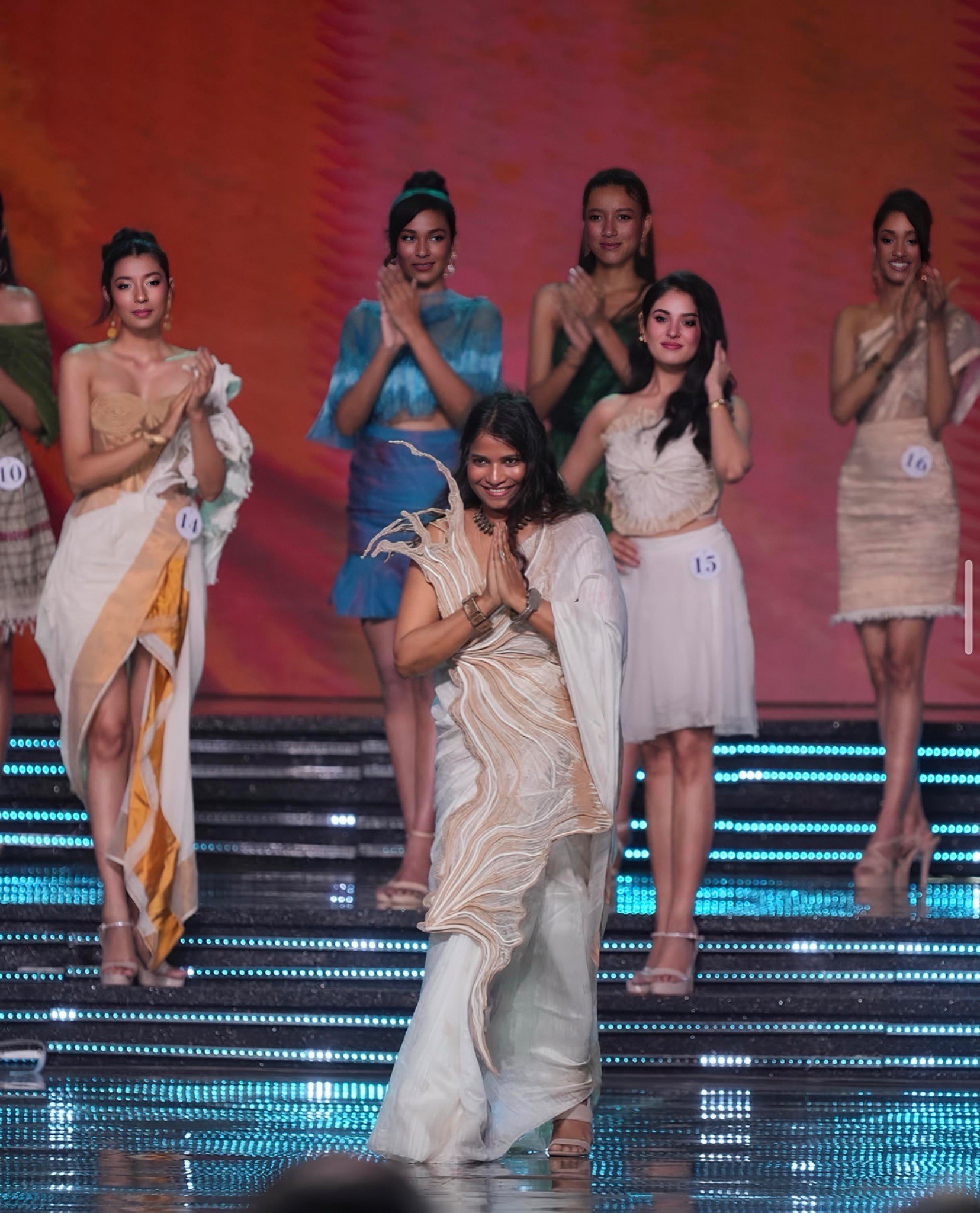
Vaishali S. on the Femina miss india stage. Credit: Missindiaorg, Instagram
The idea began with a structural change within the pageant itself. A few years ago, Femina Miss India shifted toward a state-representation format, allowing contestants from across the country to compete through mini state-level selections rather than a largely metro-centric applicant pool. “If it’s called Miss India, then India should be represented,” Anu Ahuja said while speaking about the evolution of the platform.
The logic extended naturally into Vishwa Sutra. Once every contestant began representing a specific state, the textiles, crafts, and visual languages associated with those regions became part of the conversation too. What emerged was not a typical “Indian wear” showcase. Each garment is rooted in a particular textile tradition, community, and geography.
During fittings, Ahuja recalled contestants responding emotionally to garments tied to their own states, often sharing histories and details about the textiles themselves. “There was a feeling of kinship and belonging,” she said. “This entire concept of loyalty with their state and pride came forward.”
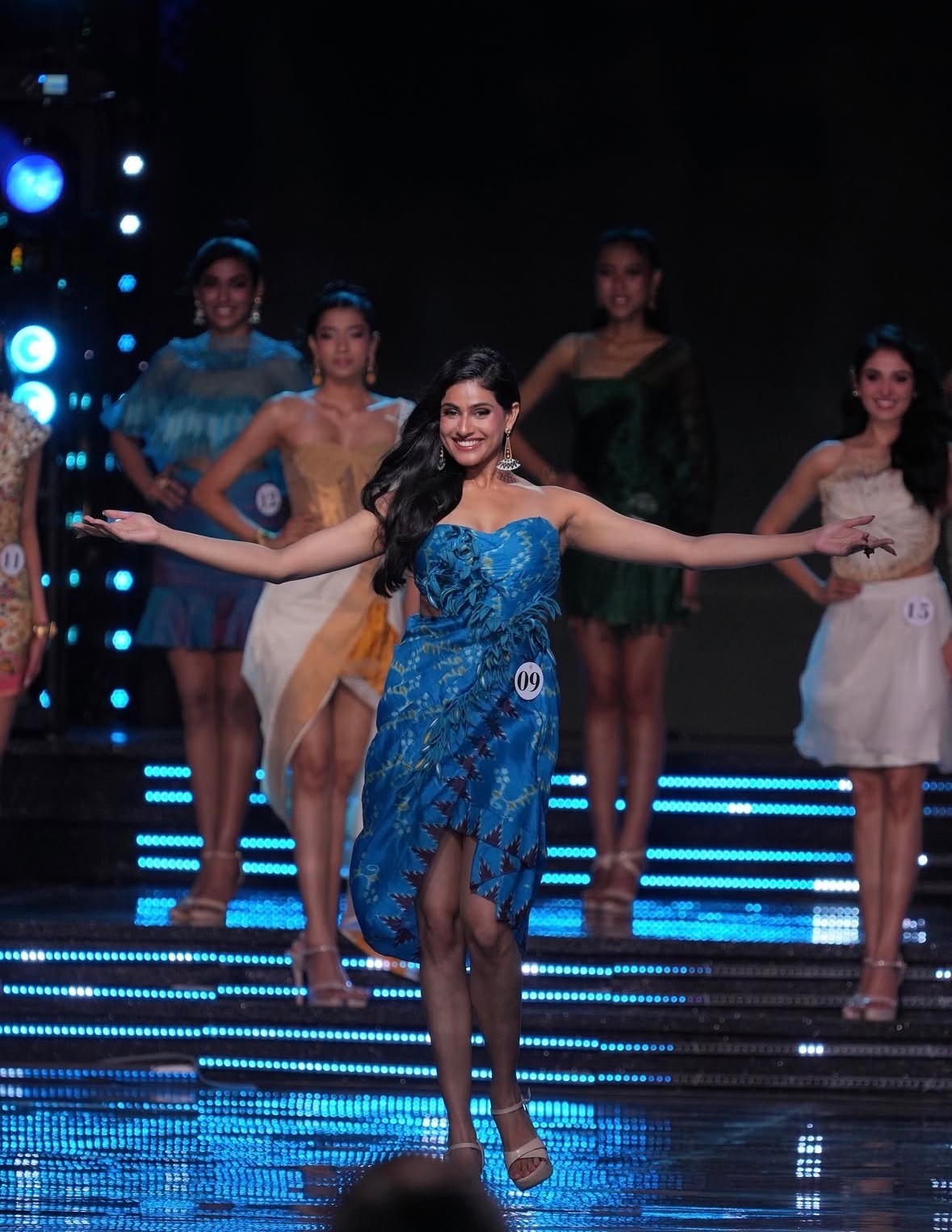
Miss india Odisha in Ikat inspired by greece. Credit: Missindiaorg, Instagram
Khadi, Ikat, handloom weaving, and regional craft. None of these are things people traditionally associate with pageantry. Certainly not with the kind of high-glamour visual environment Femina Miss India operates within. Vaishali S approached Vishwa Sutra differently. “I believe the soul of a craft should never be disturbed,” she said. “What can evolve is the language around it, the silhouette, styling, context, or presentation.” Vaishali’s idea sounds straightforward until it is placed inside a pageant. A garment can hold nuance in a fitting room. On stage, it has seconds. The audience sees movement first. Shape second and meaning somewhere after that, if at all.
That was the problem Anu Ahuja kept returning to while directing. “Sometimes the shows go so fast it’s very hard to digest so much of the information you want to give to the audience,” she said. The segment opened in zones before eventually introducing contestants individually by state. Textile references appeared across the LED screens behind them while weaving processes played through moving visuals. Each contestant’s state and craft was introduced both visually and vocally, a decision Ahuja made very deliberately. “We made sure that the message was very loud and clear,” she said.
Miss India West Bengal in Jamdani inspired by Romania. Credit: Missindiaorg, Instagram
In the midst of all this, a state stopped being just a caption under a contestant’s name. It became the thing people in the room could recognise before the crown entered the picture. Ahuja has watched that recognition gather force over the years, especially online, where people track the girl from their own state with the seriousness usually reserved for cricket, “You have to see how people are gunning for their own girl of their own state,” she said. A contestant walks out in a textile from her community, and somewhere, a room of relatives, school friends, neighbours, and strangers with the same PIN code, decide she belongs to them.
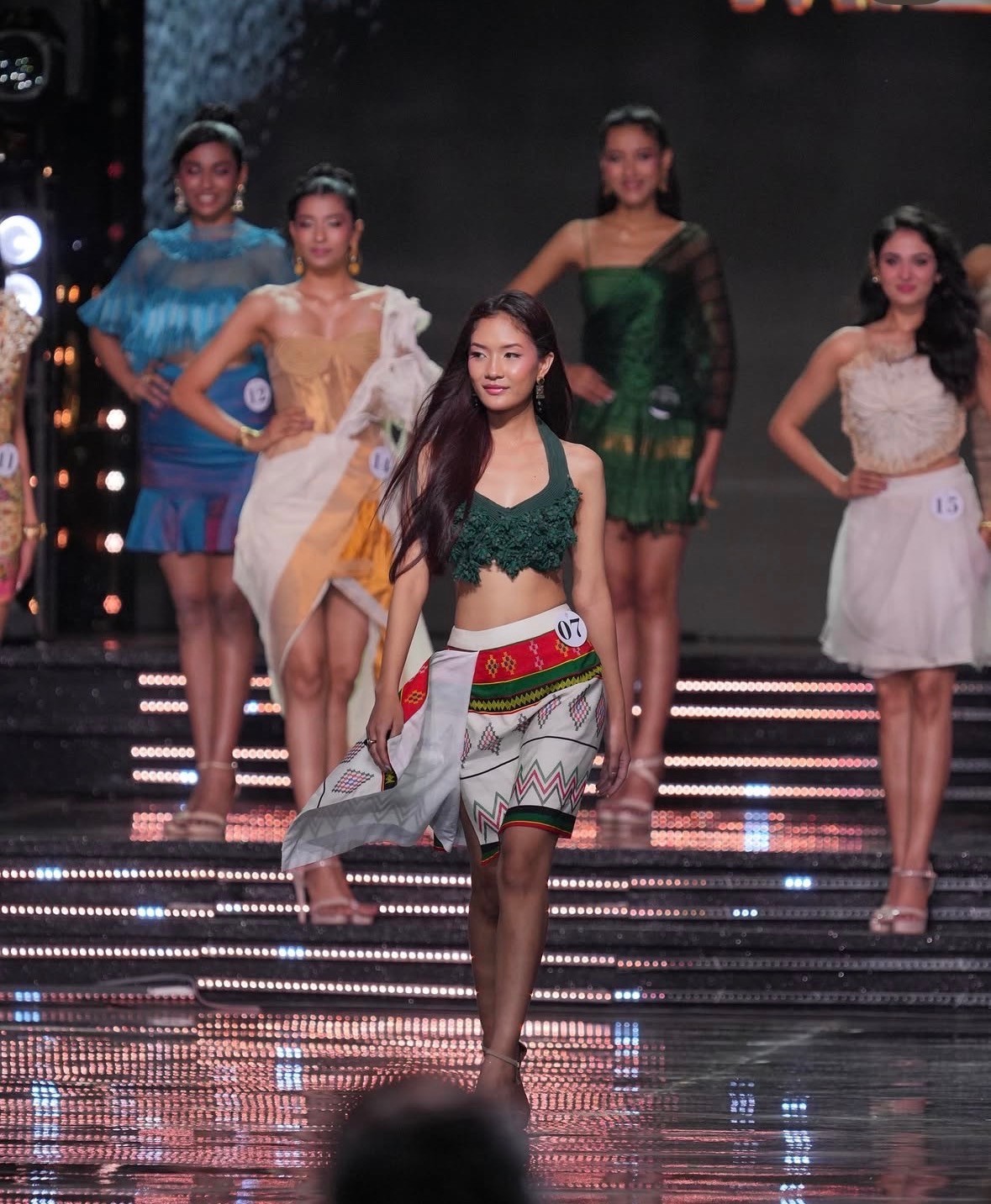
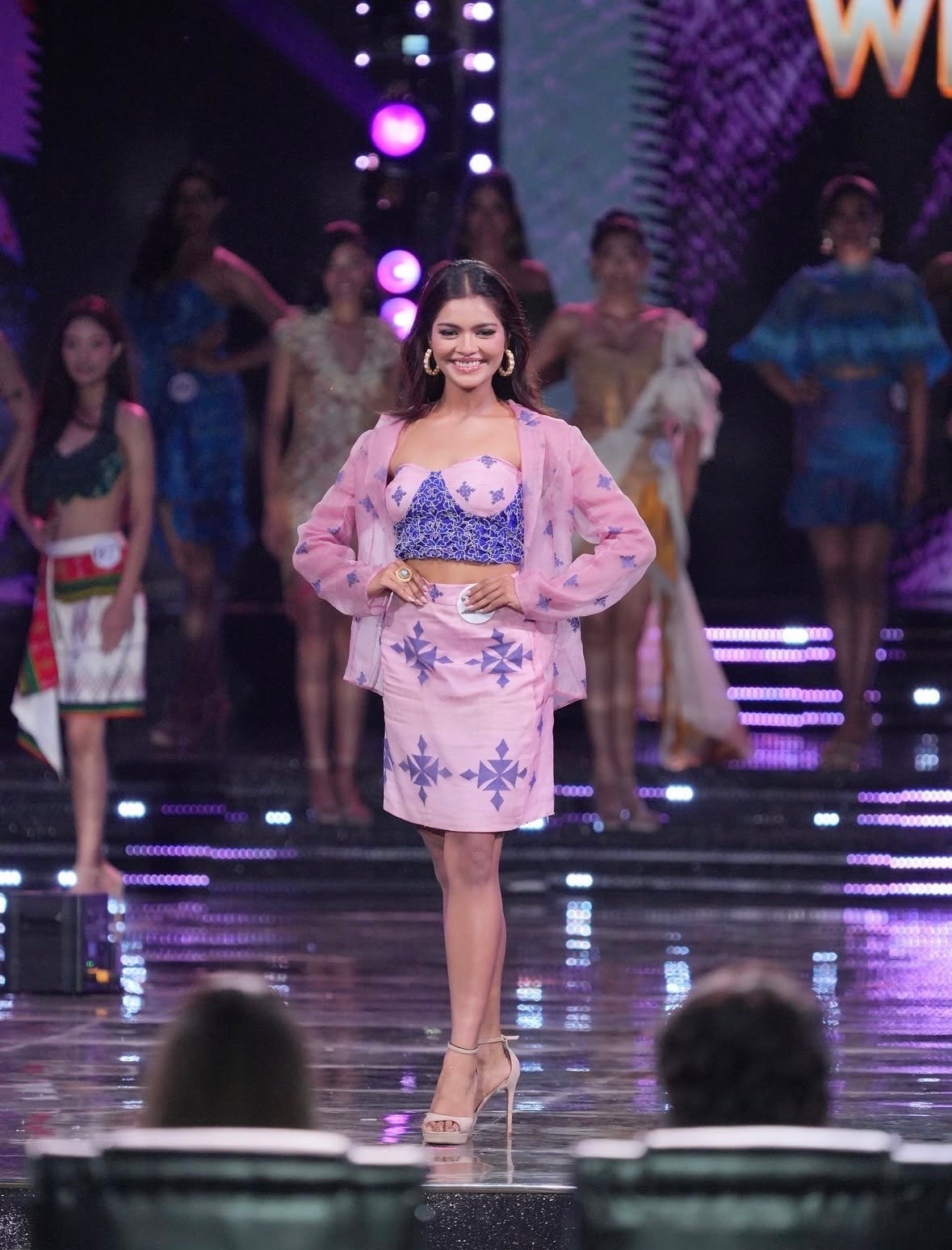
Miss India Mizoram in Puan inspired by Peru. Credit: Missindiaorg, Instagram
The sense of connection that the audience felt also meant the garments had to do far more than simply look good on stage. They had to communicate quickly, hold visual impact inside a pageant environment, and still retain enough of the original textile language to feel recognisable to the people watching them. “For me, visual impact should come from authenticity, not excess,” Vaishali S said. “When a textile carries history and craftsmanship, it already has presence. My role is to create a stage where the textile can breathe and speak, without overpowering its essence.”
Vishwa Sutra never approached Indian textiles through the usual pageant vocabulary of folklore and costume. The garments were not designed as literal representations of states. Vaishali S approached them more instinctively than symbolically. “I approached each weave almost like a conversation,” she said. “Some textiles naturally carried a sculptural quality, some felt fluid, some architectural, some deeply spiritual.” The garments felt contemporary without disconnecting from the textile itself.
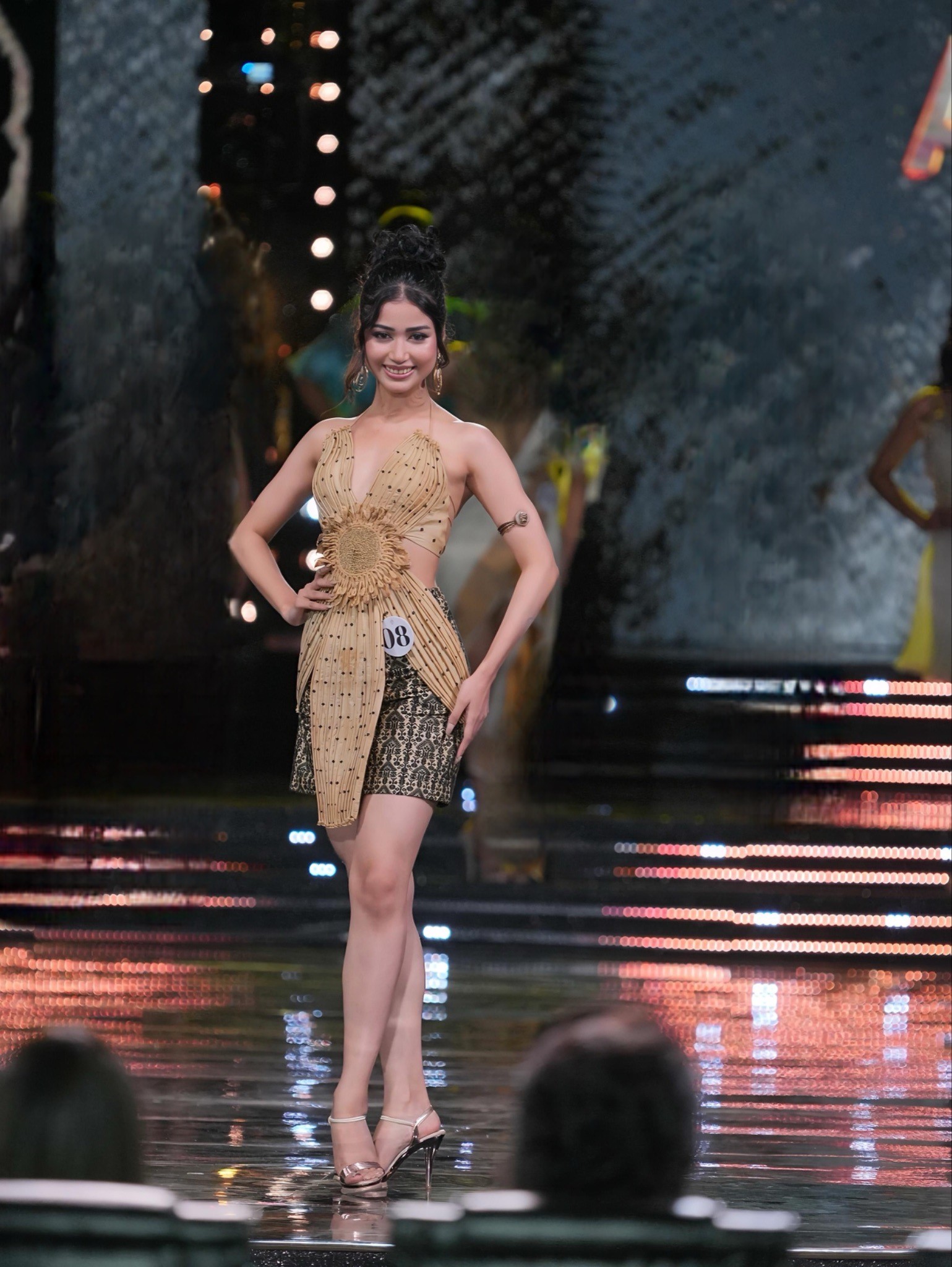
Miss India Assam in Muga Silk inspired by Egypt. Credit: Missindiaorg, Instagram
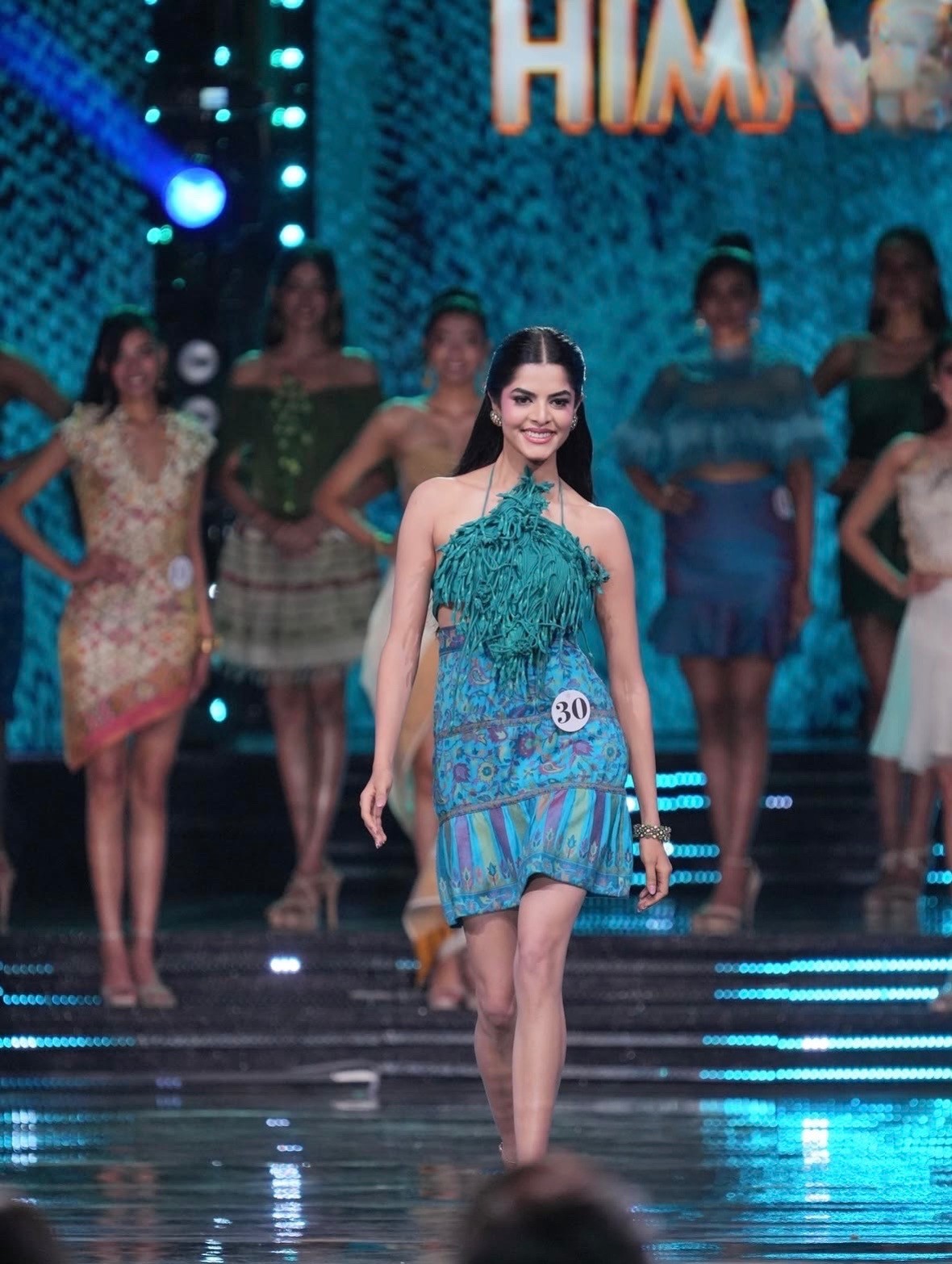
Miss India Himachal Pradesh in Kullu motifs inspired by Colombia. Credit: Missindiaorg, Instagram
Rather than recreating textiles through expected or traditionally styled silhouettes, many garments borrowed from global fashion references instead. Kullu motifs appeared through a fringed silhouette inspired by Colombian costume detailing, Kosa silk moved toward layered resort-style draping influenced by Chilean aesthetics, while Phulkari was reconstructed into a sharply fitted contemporary silhouette drawing from Hungarian folk references. Muga silk, meanwhile, took on a sculptural form inspired by Egyptian visual motifs and ornamentation. The textiles remained rooted in Indian craft traditions, but the visual language around them felt intentionally international. Instead of treating handloom as something preserved only through nostalgia or costume, Vishwa Sutra presented it as material capable of adapting across silhouettes, geographies, and contemporary fashion aesthetics.
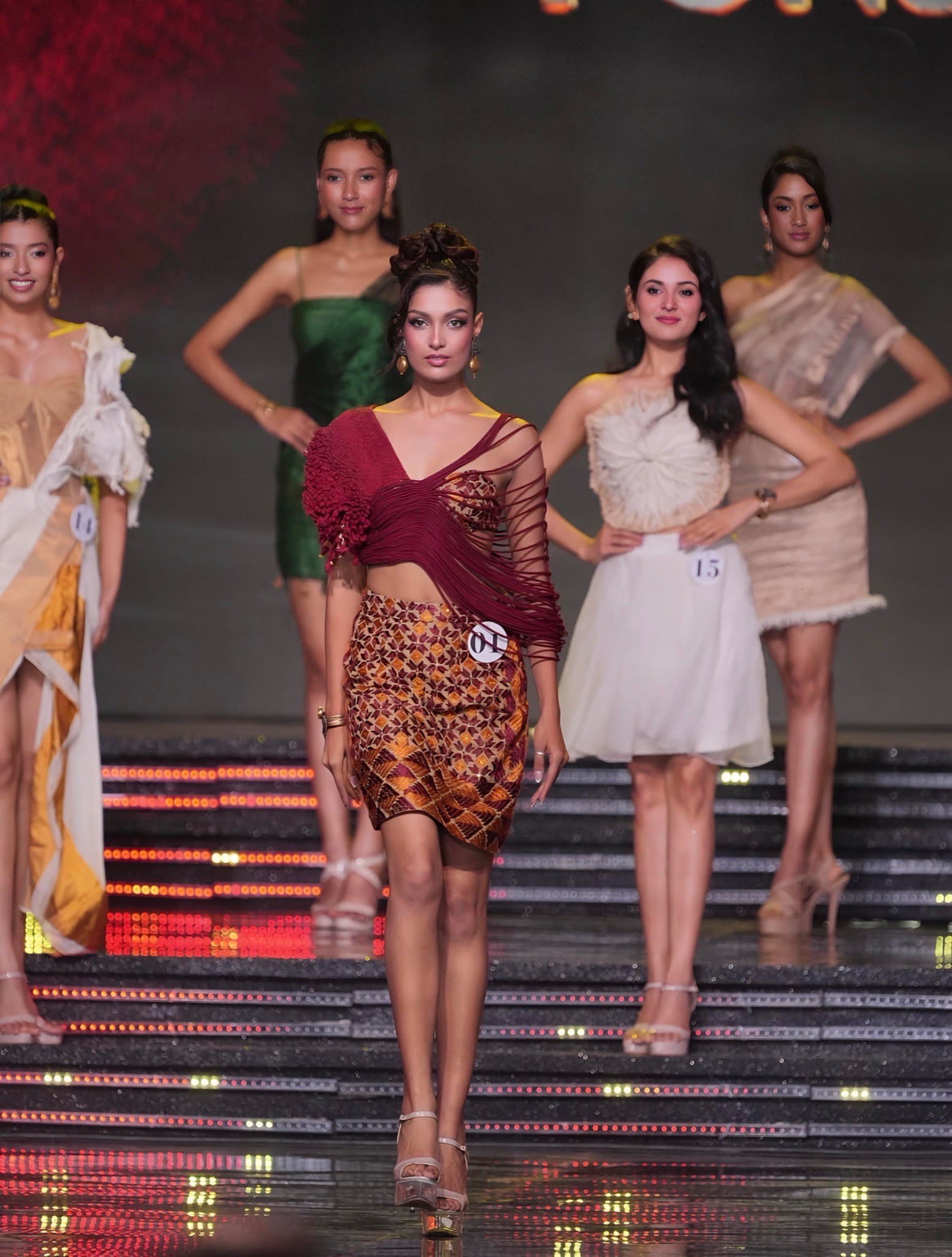
Miss India Punjab in Phulkari inspired by Hungary. Credit: Missindiaorg, Instagram
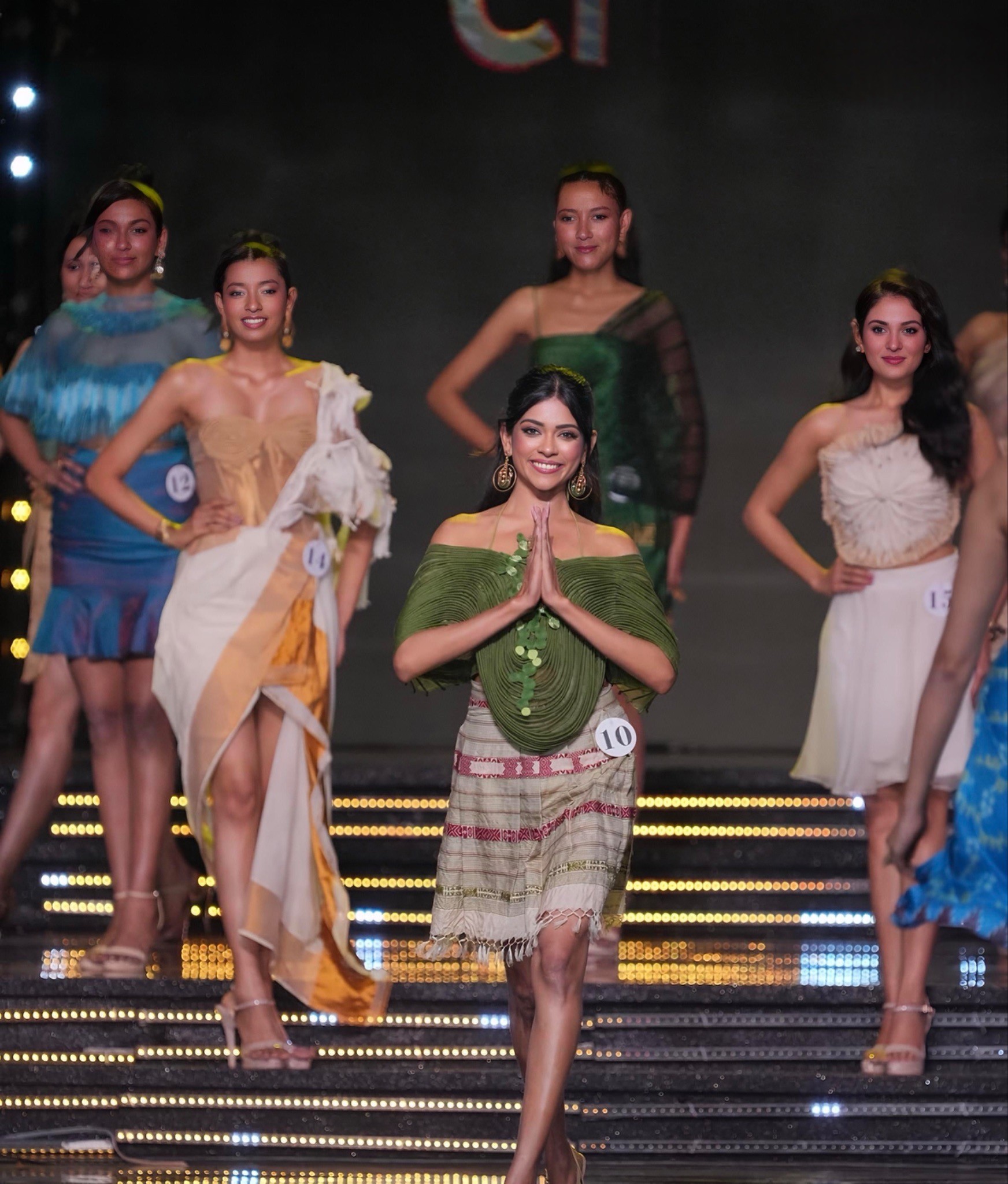
Miss India Chhattisgarh in Kosa Silk inspired by Chile. Credit: Missindiaorg, Instagram
This distinction mattered because it pushed away from the narrative of culture being rooted in costume dressing or “ethnic” rounds of pageantry. Instead of presenting craft as heritage frozen in time, it presented it as fashion capable of movement, glamour, and modernity without needing to detach itself from where it came from.
Anu Ahuja understood the importance of that balance while directing the segment. “We wanted people in other countries to understand the strong heritage and craft that comes from India,” she said, “and that it can be used in any silhouette, in any form.” Which is perhaps where Vishwa Sutra felt genuinely different from the way pageants have traditionally handled culture. The textiles were not entering the stage as decorative symbols around the contestants. They were entering as part of the fashion conversation itself.
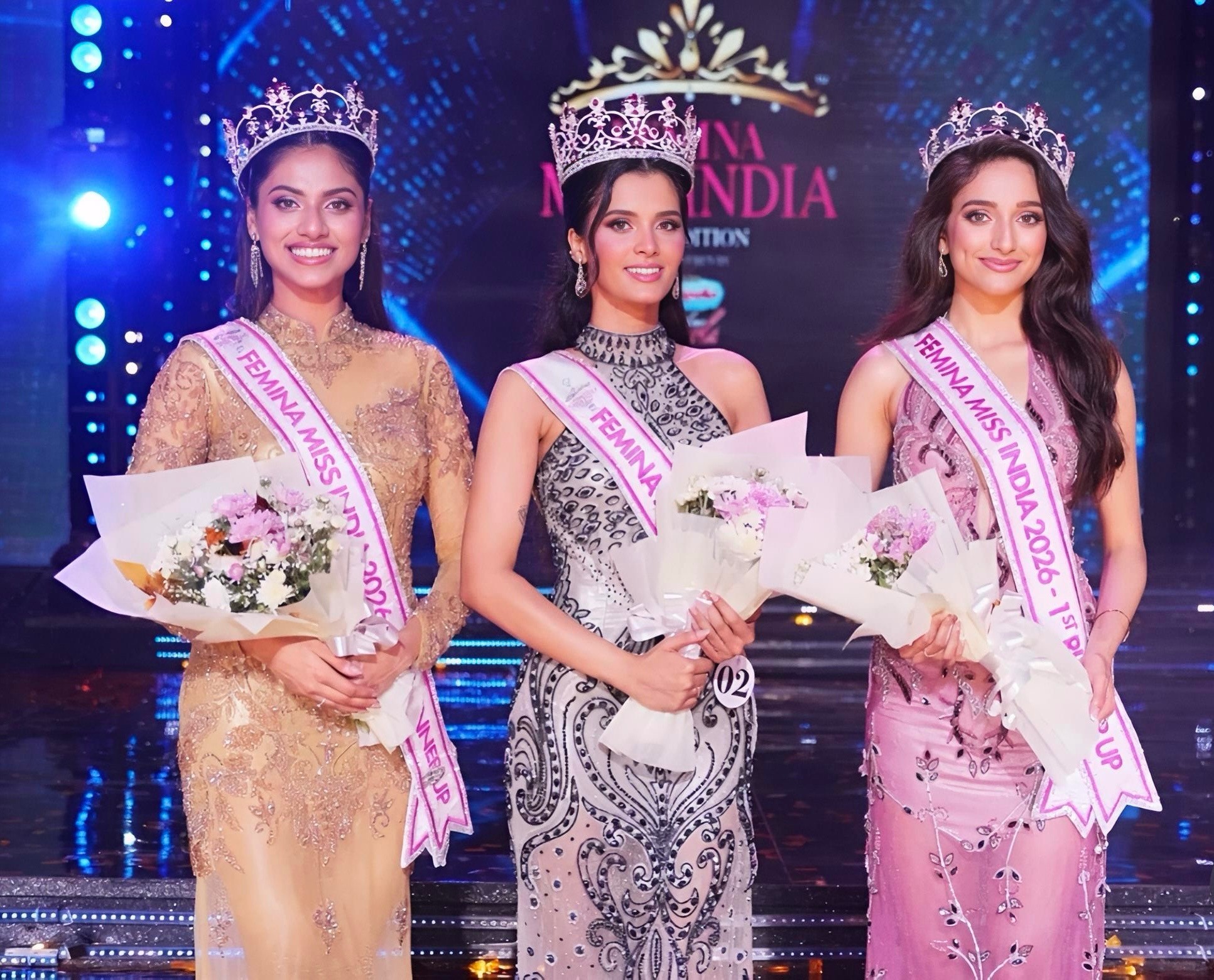
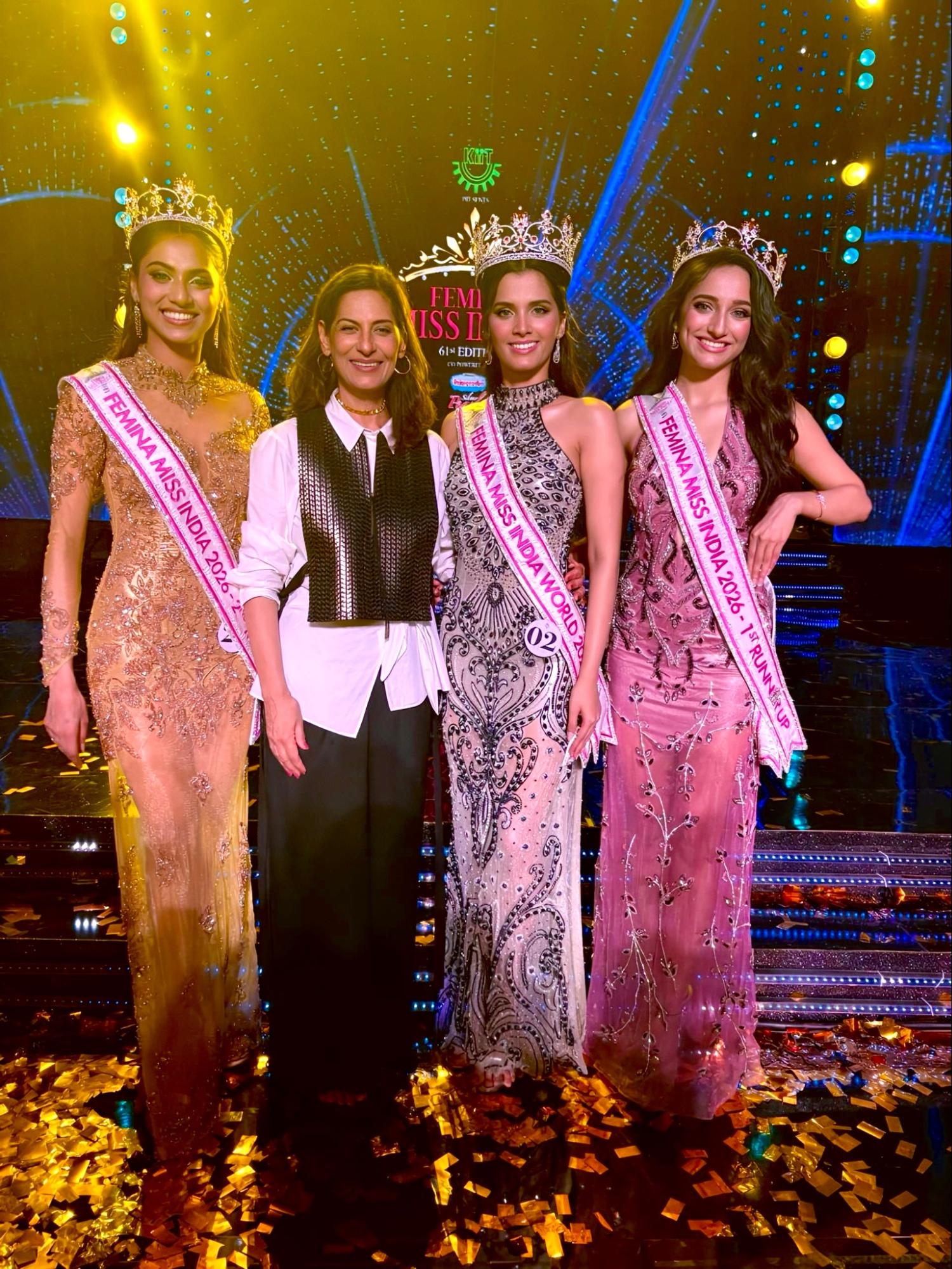
Winners of Femina Miss India 2026. Credit: Missindiaorg, Instagram
TO BE CONTINUED, FOR SUBSCRIBERS ONLY.
This is where the surface ends and the reporting begins.
The complete piece, the full archive, and access to The French Press Circle. Reporting answerable only to its readers.
Already a subscriber ?
Login
Read these on the house, with our compliments.
A selection from the current issue, open to all readers. Read them in full. The rest is one decision away.



Pageants have always understood the power of spectacle. The gowns get bigger, the stage brighter, the introductions longer. Indian culture has often been part of that visual language too, though usually through the familiar vocabulary of festival aesthetics, national costume dressing, or surface-level symbolism.
Vishwa Sutra at Femina Miss India 2026 attempted to expand that vocabulary. Created in collaboration with the Ministry of Textiles and DC Handloom, with garments designed by Vaishali S and the segment directed by Anu Ahuja, the showcase placed Indian textiles at the centre of the conversation, not just the stage.
Vaishali S. on the Femina miss india stage. Credit: Missindiaorg, Instagram
The idea began with a structural change within the pageant itself. A few years ago, Femina Miss India shifted toward a state-representation format, allowing contestants from across the country to compete through mini state-level selections rather than a largely metro-centric applicant pool. “If it’s called Miss India, then India should be represented,” Anu Ahuja said while speaking about the evolution of the platform.
The logic extended naturally into Vishwa Sutra. Once every contestant began representing a specific state, the textiles, crafts, and visual languages associated with those regions became part of the conversation too. What emerged was not a typical “Indian wear” showcase. Each garment is rooted in a particular textile tradition, community, and geography.
During fittings, Ahuja recalled contestants responding emotionally to garments tied to their own states, often sharing histories and details about the textiles themselves. “There was a feeling of kinship and belonging,” she said. “This entire concept of loyalty with their state and pride came forward.”
Miss india Odisha in Ikat inspired by greece. Credit: Missindiaorg, Instagram
Khadi, Ikat, handloom weaving, and regional craft. None of these are things people traditionally associate with pageantry. Certainly not with the kind of high-glamour visual environment Femina Miss India operates within. Vaishali S approached Vishwa Sutra differently. “I believe the soul of a craft should never be disturbed,” she said. “What can evolve is the language around it, the silhouette, styling, context, or presentation.” Vaishali’s idea sounds straightforward until it is placed inside a pageant. A garment can hold nuance in a fitting room. On stage, it has seconds. The audience sees movement first. Shape second and meaning somewhere after that, if at all.
That was the problem Anu Ahuja kept returning to while directing. “Sometimes the shows go so fast it’s very hard to digest so much of the information you want to give to the audience,” she said. The segment opened in zones before eventually introducing contestants individually by state. Textile references appeared across the LED screens behind them while weaving processes played through moving visuals. Each contestant’s state and craft was introduced both visually and vocally, a decision Ahuja made very deliberately. “We made sure that the message was very loud and clear,” she said.
Miss India West Bengal in Jamdani inspired by Romania. Credit: Missindiaorg, Instagram
In the midst of all this, a state stopped being just a caption under a contestant’s name. It became the thing people in the room could recognise before the crown entered the picture. Ahuja has watched that recognition gather force over the years, especially online, where people track the girl from their own state with the seriousness usually reserved for cricket, “You have to see how people are gunning for their own girl of their own state,” she said. A contestant walks out in a textile from her community, and somewhere, a room of relatives, school friends, neighbours, and strangers with the same PIN code, decide she belongs to them.
Miss India Mizoram in Puan inspired by Peru. Credit: Missindiaorg, Instagram
The sense of connection that the audience felt also meant the garments had to do far more than simply look good on stage. They had to communicate quickly, hold visual impact inside a pageant environment, and still retain enough of the original textile language to feel recognisable to the people watching them. “For me, visual impact should come from authenticity, not excess,” Vaishali S said. “When a textile carries history and craftsmanship, it already has presence. My role is to create a stage where the textile can breathe and speak, without overpowering its essence.”
Vishwa Sutra never approached Indian textiles through the usual pageant vocabulary of folklore and costume. The garments were not designed as literal representations of states. Vaishali S approached them more instinctively than symbolically. “I approached each weave almost like a conversation,” she said. “Some textiles naturally carried a sculptural quality, some felt fluid, some architectural, some deeply spiritual.” The garments felt contemporary without disconnecting from the textile itself.
Miss India Assam in Muga Silk inspired by Egypt. Credit: Missindiaorg, Instagram
Miss India Himachal Pradesh in Kullu motifs inspired by Colombia. Credit: Missindiaorg, Instagram
Rather than recreating textiles through expected or traditionally styled silhouettes, many garments borrowed from global fashion references instead. Kullu motifs appeared through a fringed silhouette inspired by Colombian costume detailing, Kosa silk moved toward layered resort-style draping influenced by Chilean aesthetics, while Phulkari was reconstructed into a sharply fitted contemporary silhouette drawing from Hungarian folk references. Muga silk, meanwhile, took on a sculptural form inspired by Egyptian visual motifs and ornamentation. The textiles remained rooted in Indian craft traditions, but the visual language around them felt intentionally international. Instead of treating handloom as something preserved only through nostalgia or costume, Vishwa Sutra presented it as material capable of adapting across silhouettes, geographies, and contemporary fashion aesthetics.
Miss India Punjab in Phulkari inspired by Hungary. Credit: Missindiaorg, Instagram
Miss India Chhattisgarh in Kosa Silk inspired by Chile. Credit: Missindiaorg, Instagram
This distinction mattered because it pushed away from the narrative of culture being rooted in costume dressing or “ethnic” rounds of pageantry. Instead of presenting craft as heritage frozen in time, it presented it as fashion capable of movement, glamour, and modernity without needing to detach itself from where it came from.
Anu Ahuja understood the importance of that balance while directing the segment. “We wanted people in other countries to understand the strong heritage and craft that comes from India,” she said, “and that it can be used in any silhouette, in any form.” Which is perhaps where Vishwa Sutra felt genuinely different from the way pageants have traditionally handled culture. The textiles were not entering the stage as decorative symbols around the contestants. They were entering as part of the fashion conversation itself.
Winners of Femina Miss India 2026. Credit: Missindiaorg, Instagram
TO BE CONTINUED, FOR SUBSCRIBERS ONLY.
This is where the surface ends and the reporting begins.
The complete piece, the full archive, and access to The French Press Circle. Reporting answerable only to its readers.
Already a subscriber ?
Login
Read these on the house, with our compliments.
A selection from the current issue, open to all readers. Read them in full. The rest is one decision away.