The world waits for the first Monday in May. What was once a quiet and intimate affair for society elites and select names in fashion has now become a giant global spectacle. The who’s who of fashion, film, television, politics, and business gather on the steps of the Metropolitan Museum of Art in New York for what is famously known as the Met Gala.
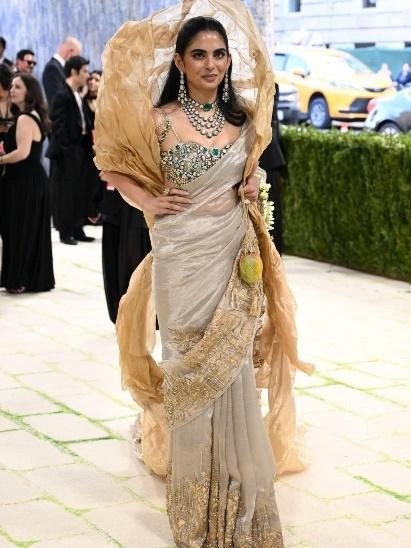
Indian businesswoman and Billionaire Isha Ambani in Gaurav Gupta
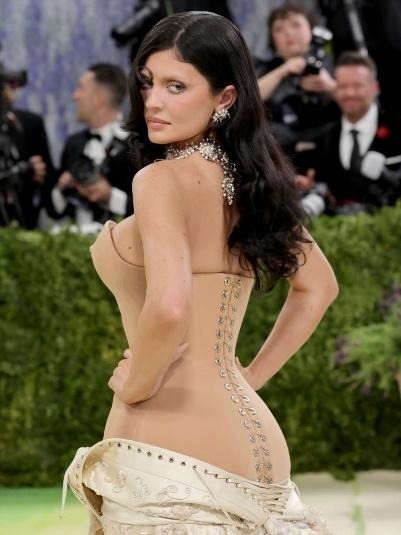
Beauty mogul, socialite and reality tv star Kylie Jenner in Schiaparelli
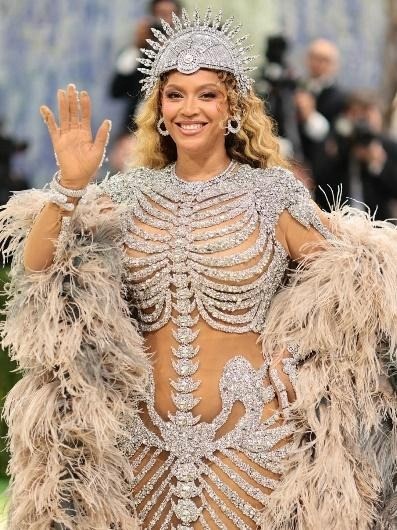
Singer and Musician Beyonce in Balmain
Images Via Instagram | @metgalaofficial_
The gala marks the opening of the Costume Institute’s annual exhibition and raises funds for the department.
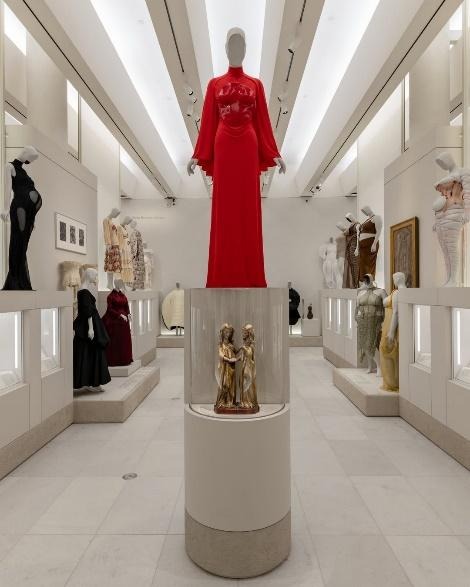
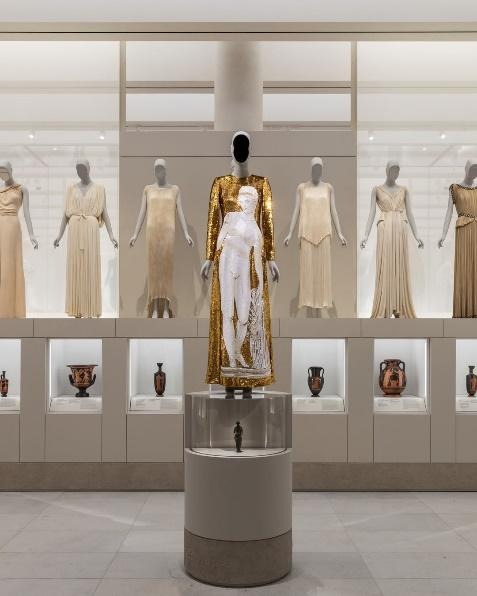
‘Costume Art’ inside the new exhibition at the MET museum of Art. Images Via Instagram | @metcostumeinstitute
This year, the highly anticipated exhibition Fashion is Art had the world excited to see what their favourite stars would wear and what the exhibition had in store for its hundreds of visitors. But one particular name left many people upset for all the right reasons.
Jeff Bezos, owner of online retail giant Amazon, was one of the biggest sponsors of the gala and was even given the honorary chair position alongside his wife, Lauren Sanchez, a television host turned socialite who recently tied the knot with the billionaire entrepreneur.
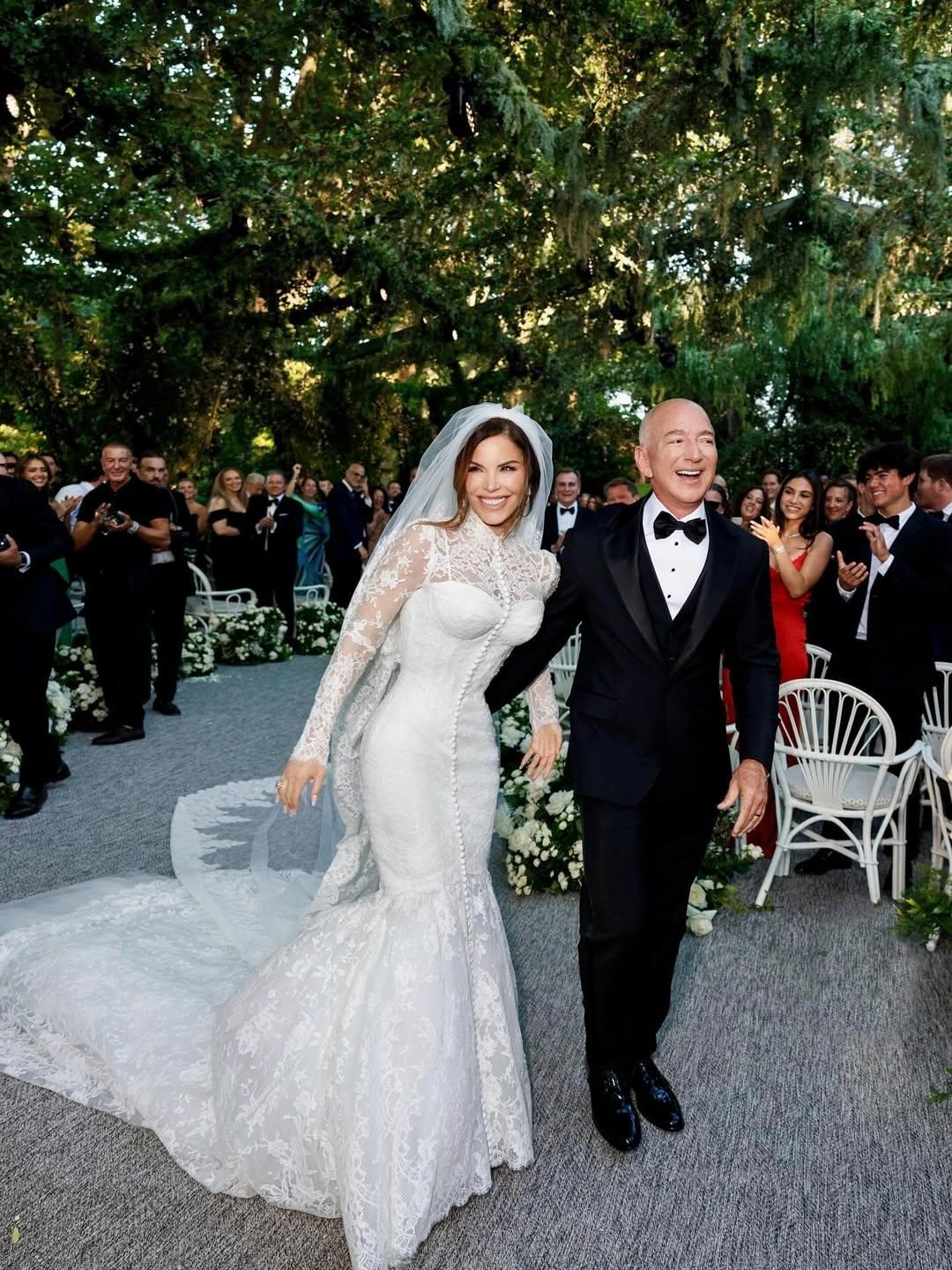
Lauren Sanchez with husband Jeff Bezos at their wedding last year. The wedding was also featured in American Vogue as a special cover story is June 2025 issue. Images Via Instagram | @laaurensanchezbezos
The backlash stemmed from multiple allegations surrounding unethical treatment and overworking of employees at Amazon facilities around the world — from reports of extreme overtime to workers allegedly being denied bathroom breaks.
This resulted in protests across New York, with posters, projections, and even tiny bottles filled with urine urging people to boycott what many called “The Bezos Gala.”
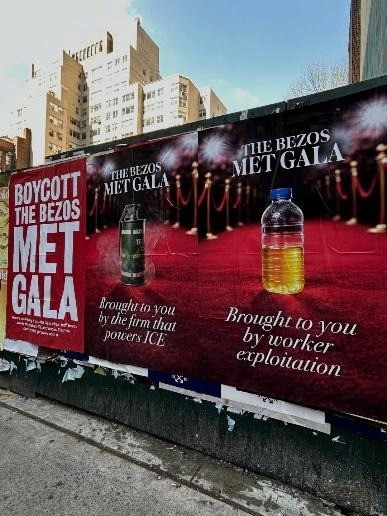
Posters around New York calling for boycott of “the Bezos Met Gala”,
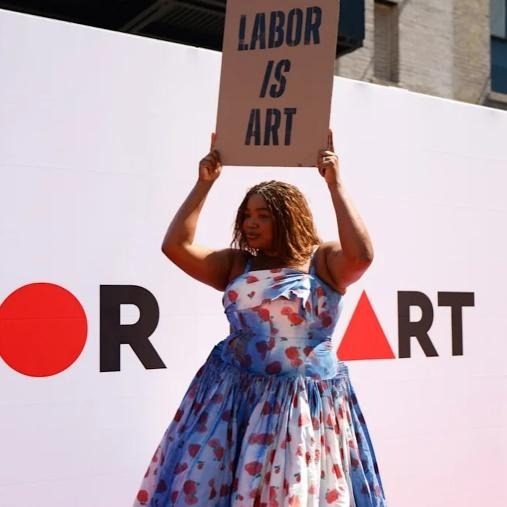
Several fashion workers union also held a separate fashion ball where they protested against the Met Gala
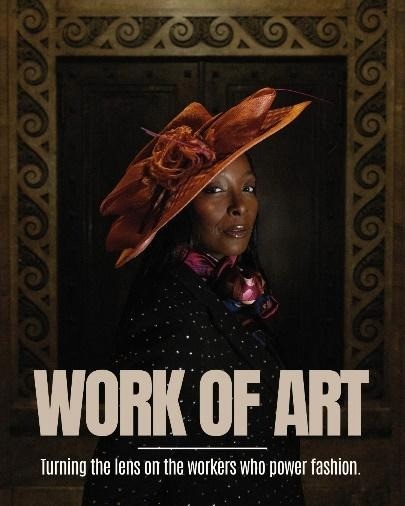
Mayor Mamdani’s post drawing attention to how the fashion business runs on immigrant workers, acknowledging their hard work and contribution.
The controversy sparked larger conversations about the treatment of workers within the global fashion industry.
India, home to one of the world’s largest fashion workforces, powers much of the global luxury industry. Tailors, karigars (embroiderers), masterjis (pattern makers), seamstresses, dyers, and runners form the backbone of fashion production. From something as basic as a T-shirt to an intricately embroidered Chanel jacket, traces of their craftsmanship often lead back to India.
Renowned designer Manish Malhotra emerged as one of India’s breakout stars at this year’s Met Gala. He not only dressed himself but also designed looks for several major celebrities attending the gala, including Karan Johar, Camila Mendes, Dwayne “The Rock” Johnson, and Sudha Reddy. His creations extensively showcased Indian karigari, taking Indian craftsmanship to fashion’s biggest stage.
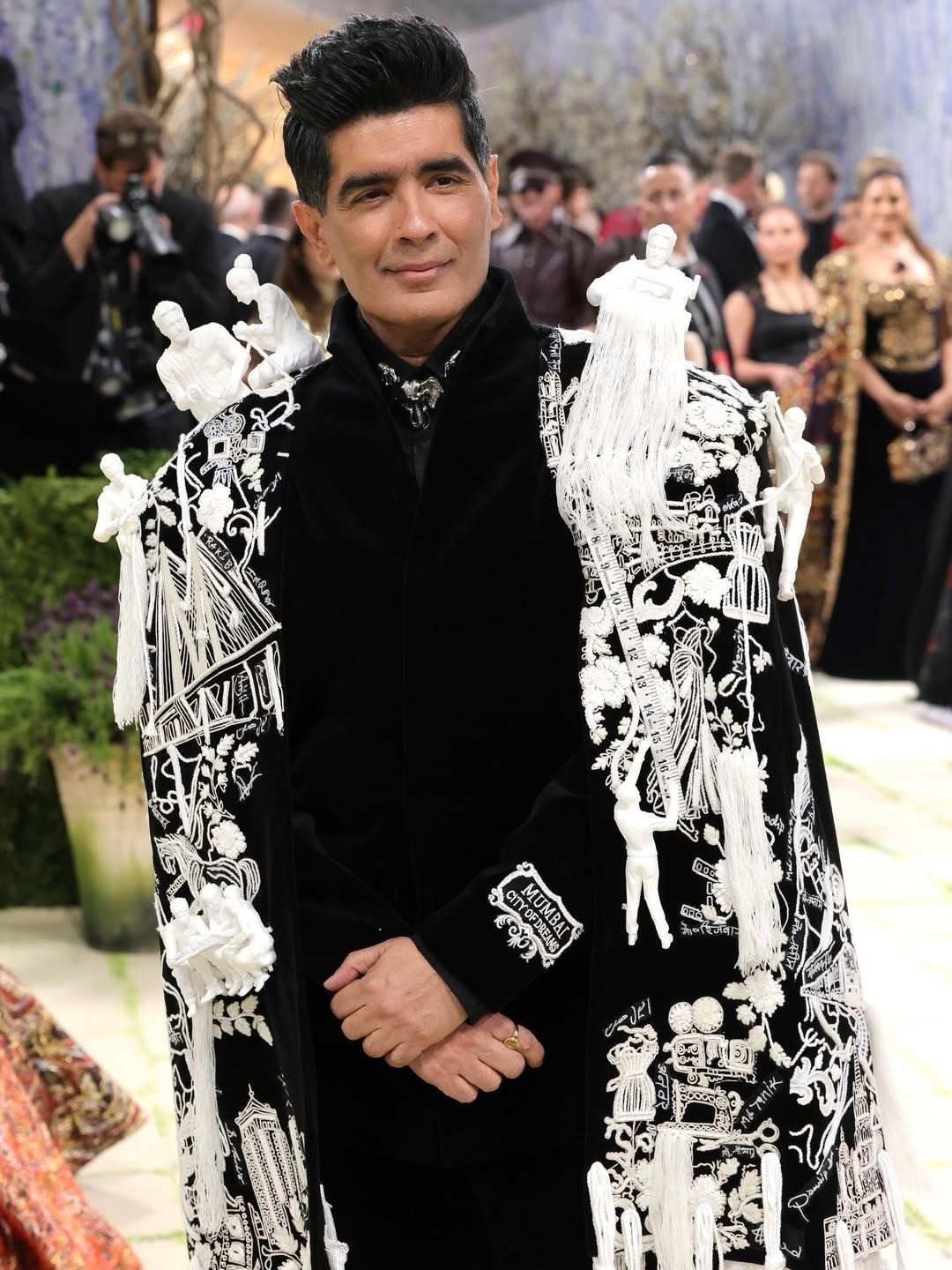
Fashion Designer Manish Malhotra wearing his own design at the MET gala 2026
For his personal look, Malhotra wore a heavily detailed jacket that caught everyone’s attention as it highlighted the work of his artisans, his team, and the city of Mumbai itself.
“For me as a designer today, it is very important to take Made in India — our Indian heritage, our culture, our embroiderers, and our skilled artisans — to the global stage,” Malhotra said.
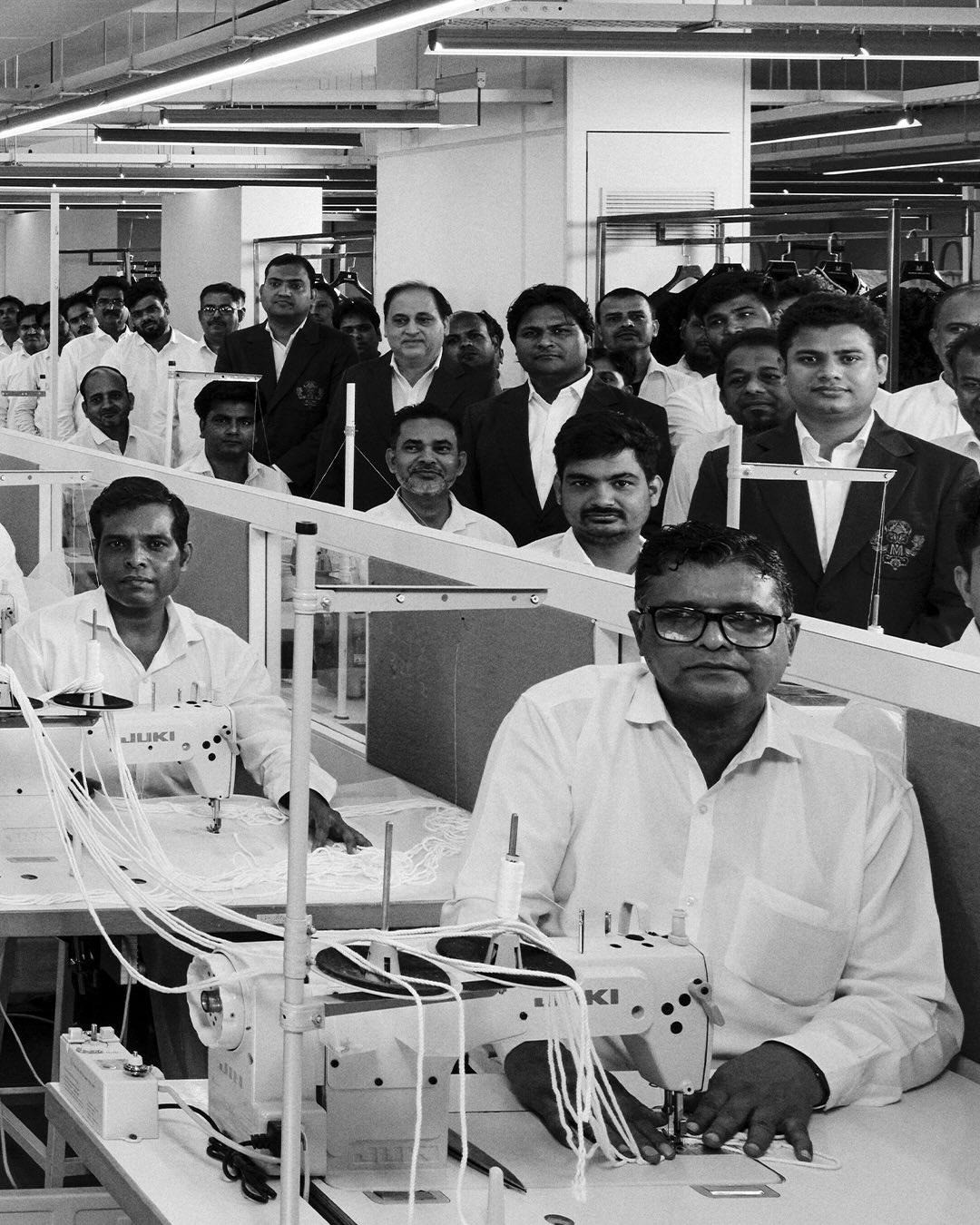
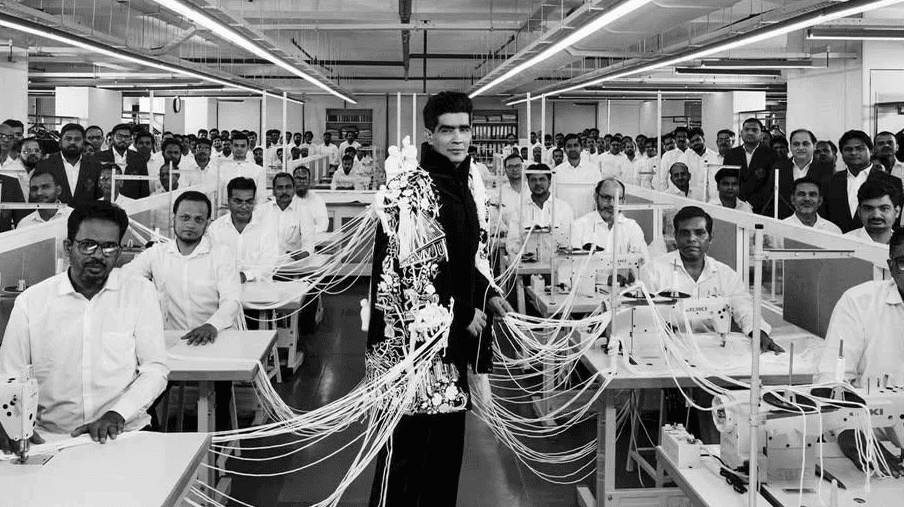
The atelier of Manish Malhotra
“When it came to my look, I wanted to carry my artisans with me, literally on my shoulders.”
Away from the glitz and rush of Mumbai and Bollywood, Manipur-based designer duo Reena Ahanthem and Jayshree Koijam run the sustainable luxury label 11 Tareng, deeply rooted in Manipuri craft and weaving traditions. A brand that they say “was born out of conflict” (The state of Manipur has been politically and socially disturbed, with cases of ethnic violence since year 2023) In their community, weavers are not only closely connected but also deeply respected.
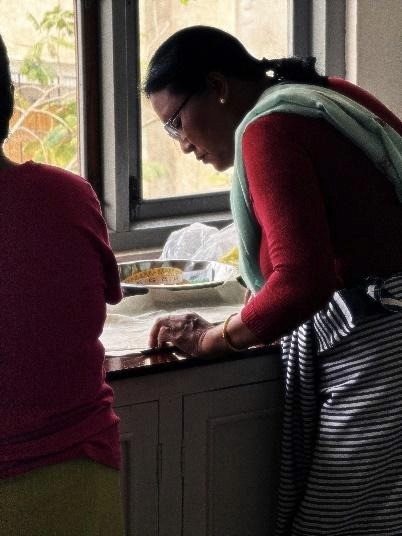
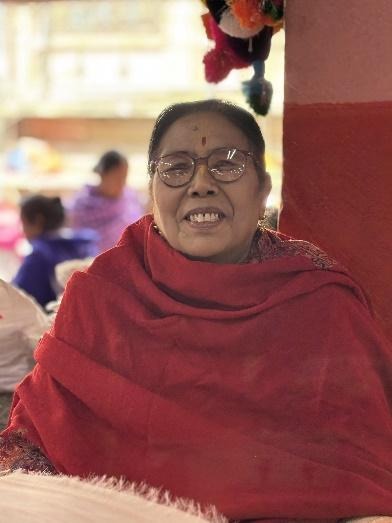
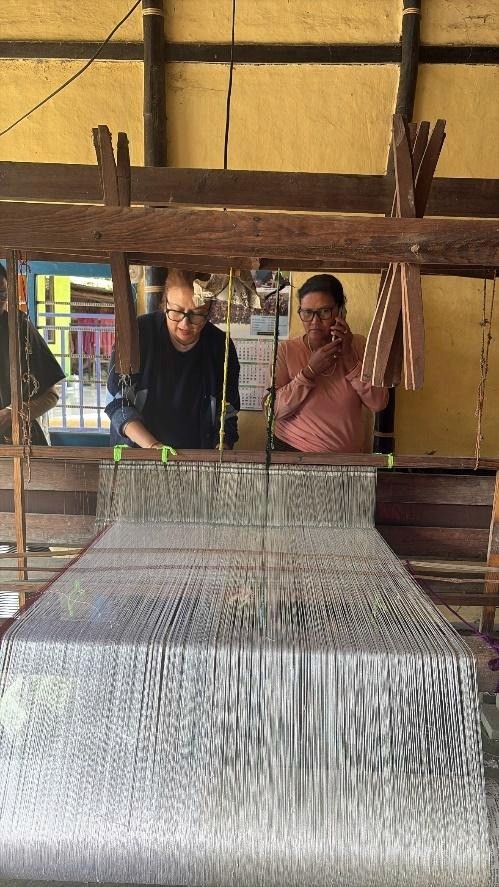
The Manipuri weavers of 11 Tareng
“As designers and brand owners, we have to respect the boundaries, time, and space that go into making our garments. The weavers work on looms set up in their homes, take anywhere between six to nine months, and quote us the market price. Without negotiating or pleading, we accept all of it because we know we cannot rush them or bargain with them — they hold the power to their craft,” said Reena.
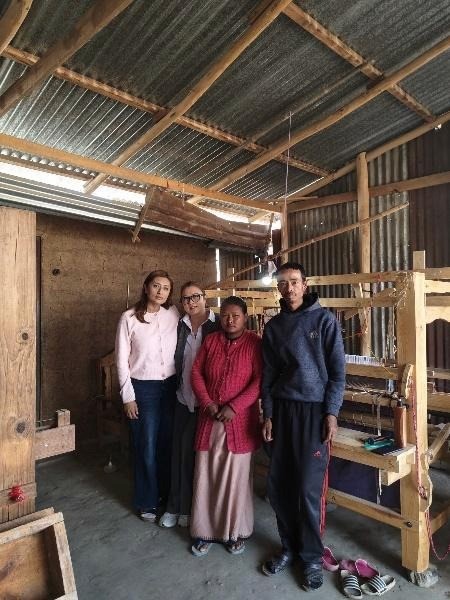
Designers Reena and Jayshree with weavers in Manipur
When asked about losing orders due to long production timelines, she added:
“Our clients understand this very well, and that is what makes our products special. I believe it is the unending hunger for consumption that is driving Amazon workers to push their limits. It all comes back to the consumer. If we consume consciously and mindfully, the ultra-rich will eventually have to fall in line.”
Artisan-owned company Rangsutra Crafts, which works with nearly 2,200 artisan shareholders across the country, says its craft centres are carefully and ethically designed.
Shruti Jagota, Head of Retail and Marketing at Rangsutra, explained:
“From ensuring clean water to well-ventilated open spaces, these are mandatory at our centres. But even before that, ensuring artisans are paid fair wages for their time and effort is most important.”
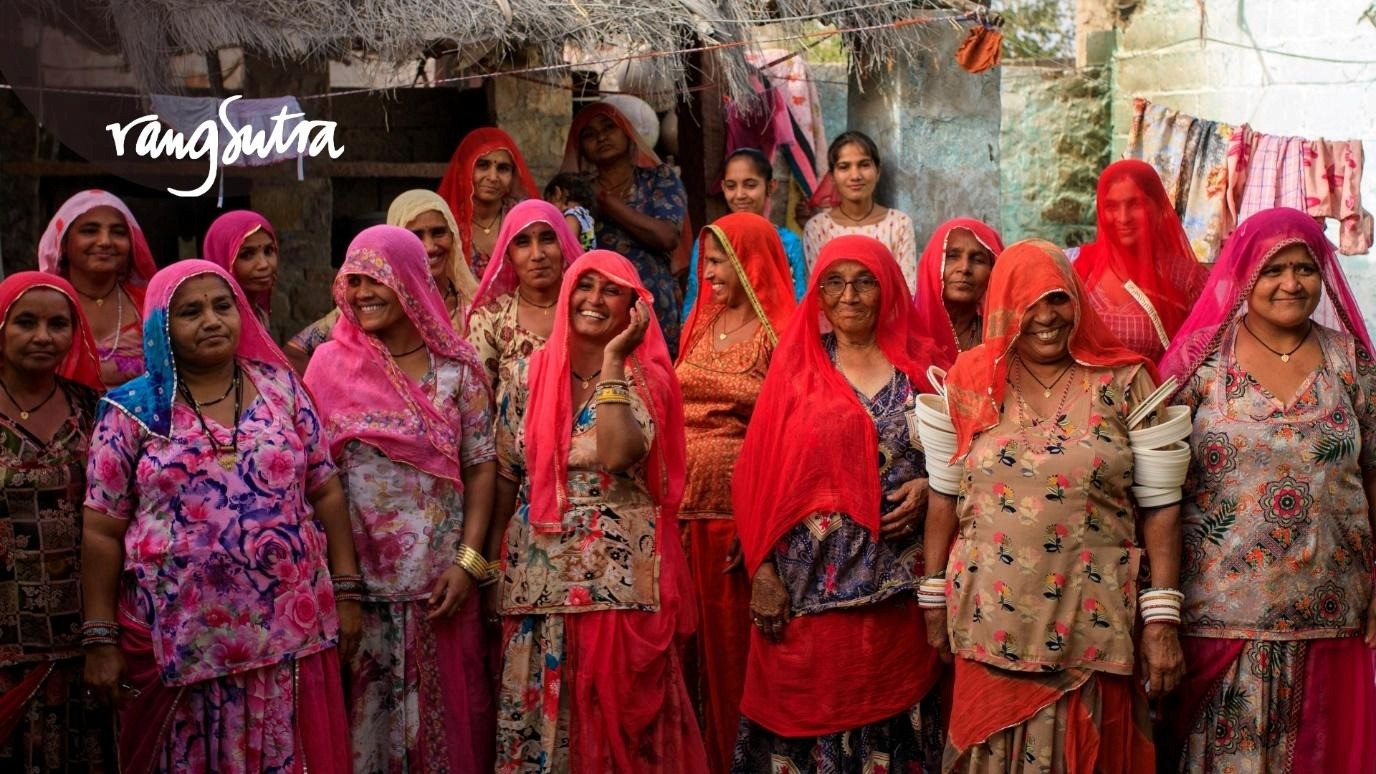
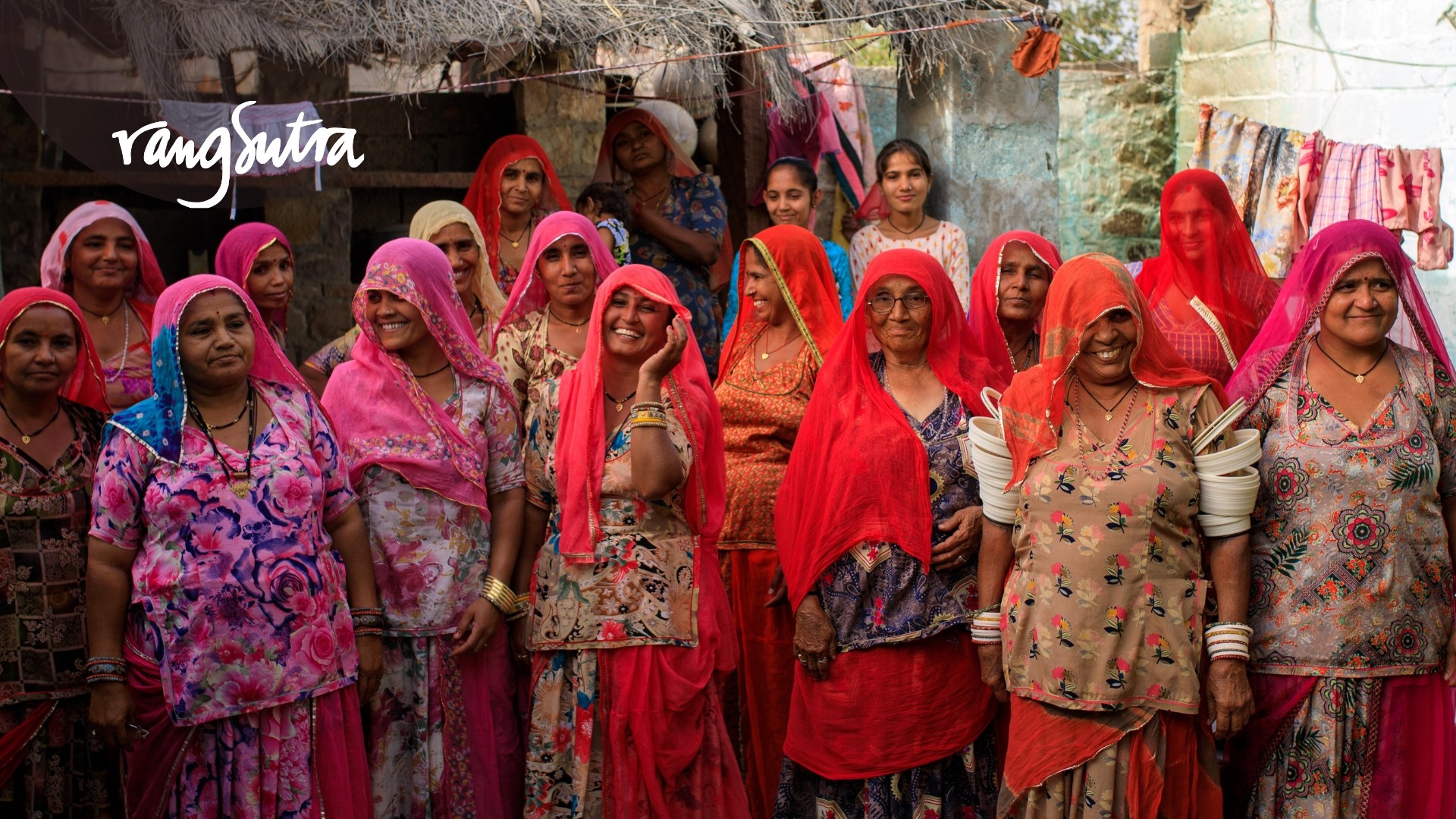
Women artisans at Rangsutra’s Bikaner craft cluster
“We work as one big family. It is important that we grow together holistically. Many mass-market fashion brands choose to keep their artisans and workers hidden. Their identity and visibility are extremely important.”
Rangsutra regularly supplies to brands such as IKEA and Fabindia, among others. Jagota said that whenever large orders are placed, clients are made fully aware of the time and space required for handcrafted production.
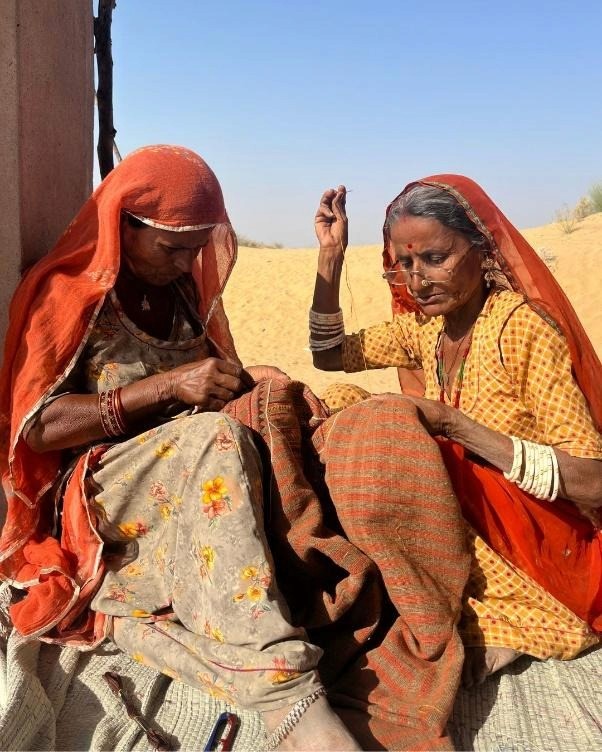
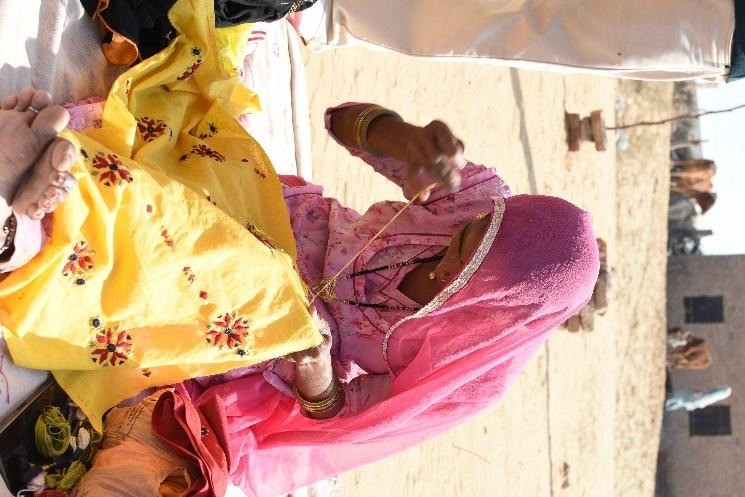
Embroiders in Poogal, Rajasthan
She added that many luxury fashion brands “are highly exploitative and function on sheer greed. They operate purely on profit models and soothe themselves by saying, ‘Hum kaam toh de rahe hain’ (we are providing jobs) — but at what cost?”
Apart from workers directly employed under brands, India’s national capital, New Delhi, is home to several independent fashion studios that supply garments to designers. These studios are often run by master pattern makers who work with teams of tailors and seamstresses.
Md. Wasim, popularly known as Wasim Masterji, has worked as a tailor in Delhi since the age of 14. Today, he runs a small studio employing nearly 20 tailors and supplies around 20–25 orders a month during a good season.
“During wedding and festive seasons, we are constantly working overtime to fulfil orders,” he said. “Some workers even continue after finishing their regular 9-to-5 jobs because this becomes their second source of income.”
“Seeing the rising prices of everything, our rates and payments barely cover our costs anymore.”
Many workers like Wasim have migrated from Bihar, Bengal, and parts of Uttar Pradesh in search of better opportunities. They often live and work in cramped colonies around Delhi’s famous fashion hub, Shahpur Jat.
The issue is not simply about Bezos or the ultra-rich walking the steps of the Met Gala. After all, if one can write a large enough cheque, they will likely get a seat at Anna Wintour’s famous table. Art needs funding.
But if that cheque is written in ink mixed with blood, sweat, tears, and piss, then it becomes a problem.
Fair wages, healthy workplaces, and ethical working conditions are non-negotiable in any industry.
Ironically, this year’s Met Gala failed to deliver the fashion spectacle it is traditionally known for. Instead, it achieved something perhaps even more significant, prompting several high-profile names, including Zendaya, Sarah Jessica Parker, Meryl Streep, Lady Gaga, and newly elected New York mayor Zohran Mamdani, to reportedly skip the ball.
For a party everyone wants to be invited to, many chose not to attend.
TO BE CONTINUED, FOR SUBSCRIBERS ONLY.
This is where the surface ends and the reporting begins.
The complete piece, the full archive, and access to The French Press Circle. Reporting answerable only to its readers.
Already a subscriber ?
Login
Read these on the house, with our compliments.
A selection from the current issue, open to all readers. Read them in full. The rest is one decision away.






The world waits for the first Monday in May. What was once a quiet and intimate affair for society elites and select names in fashion has now become a giant global spectacle. The who’s who of fashion, film, television, politics, and business gather on the steps of the Metropolitan Museum of Art in New York for what is famously known as the Met Gala.
Indian businesswoman and Billionaire Isha Ambani in Gaurav Gupta
Beauty mogul, socialite and reality tv star Kylie Jenner in Schiaparelli
Singer and Musician Beyonce in Balmain
Images Via Instagram | @metgalaofficial_
The gala marks the opening of the Costume Institute’s annual exhibition and raises funds for the department.
‘Costume Art’ inside the new exhibition at the MET museum of Art. Images Via Instagram | @metcostumeinstitute
This year, the highly anticipated exhibition Fashion is Art had the world excited to see what their favourite stars would wear and what the exhibition had in store for its hundreds of visitors. But one particular name left many people upset for all the right reasons.
Jeff Bezos, owner of online retail giant Amazon, was one of the biggest sponsors of the gala and was even given the honorary chair position alongside his wife, Lauren Sanchez, a television host turned socialite who recently tied the knot with the billionaire entrepreneur.
Lauren Sanchez with husband Jeff Bezos at their wedding last year. The wedding was also featured in American Vogue as a special cover story is June 2025 issue. Images Via Instagram | @laaurensanchezbezos
The backlash stemmed from multiple allegations surrounding unethical treatment and overworking of employees at Amazon facilities around the world — from reports of extreme overtime to workers allegedly being denied bathroom breaks.
This resulted in protests across New York, with posters, projections, and even tiny bottles filled with urine urging people to boycott what many called “The Bezos Gala.”
Posters around New York calling for boycott of “the Bezos Met Gala”,
Several fashion workers union also held a separate fashion ball where they protested against the Met Gala
Mayor Mamdani’s post drawing attention to how the fashion business runs on immigrant workers, acknowledging their hard work and contribution.
The controversy sparked larger conversations about the treatment of workers within the global fashion industry.
India, home to one of the world’s largest fashion workforces, powers much of the global luxury industry. Tailors, karigars (embroiderers), masterjis (pattern makers), seamstresses, dyers, and runners form the backbone of fashion production. From something as basic as a T-shirt to an intricately embroidered Chanel jacket, traces of their craftsmanship often lead back to India.
Renowned designer Manish Malhotra emerged as one of India’s breakout stars at this year’s Met Gala. He not only dressed himself but also designed looks for several major celebrities attending the gala, including Karan Johar, Camila Mendes, Dwayne “The Rock” Johnson, and Sudha Reddy. His creations extensively showcased Indian karigari, taking Indian craftsmanship to fashion’s biggest stage.
Fashion Designer Manish Malhotra wearing his own design at the MET gala 2026
For his personal look, Malhotra wore a heavily detailed jacket that caught everyone’s attention as it highlighted the work of his artisans, his team, and the city of Mumbai itself.
“For me as a designer today, it is very important to take Made in India — our Indian heritage, our culture, our embroiderers, and our skilled artisans — to the global stage,” Malhotra said.
The atelier of Manish Malhotra
“When it came to my look, I wanted to carry my artisans with me, literally on my shoulders.”
Away from the glitz and rush of Mumbai and Bollywood, Manipur-based designer duo Reena Ahanthem and Jayshree Koijam run the sustainable luxury label 11 Tareng, deeply rooted in Manipuri craft and weaving traditions. A brand that they say “was born out of conflict” (The state of Manipur has been politically and socially disturbed, with cases of ethnic violence since year 2023) In their community, weavers are not only closely connected but also deeply respected.
The Manipuri weavers of 11 Tareng
“As designers and brand owners, we have to respect the boundaries, time, and space that go into making our garments. The weavers work on looms set up in their homes, take anywhere between six to nine months, and quote us the market price. Without negotiating or pleading, we accept all of it because we know we cannot rush them or bargain with them — they hold the power to their craft,” said Reena.
Designers Reena and Jayshree with weavers in Manipur
When asked about losing orders due to long production timelines, she added:
“Our clients understand this very well, and that is what makes our products special. I believe it is the unending hunger for consumption that is driving Amazon workers to push their limits. It all comes back to the consumer. If we consume consciously and mindfully, the ultra-rich will eventually have to fall in line.”
Artisan-owned company Rangsutra Crafts, which works with nearly 2,200 artisan shareholders across the country, says its craft centres are carefully and ethically designed.
Shruti Jagota, Head of Retail and Marketing at Rangsutra, explained:
“From ensuring clean water to well-ventilated open spaces, these are mandatory at our centres. But even before that, ensuring artisans are paid fair wages for their time and effort is most important.”
Women artisans at Rangsutra’s Bikaner craft cluster
“We work as one big family. It is important that we grow together holistically. Many mass-market fashion brands choose to keep their artisans and workers hidden. Their identity and visibility are extremely important.”
Rangsutra regularly supplies to brands such as IKEA and Fabindia, among others. Jagota said that whenever large orders are placed, clients are made fully aware of the time and space required for handcrafted production.
Embroiders in Poogal, Rajasthan
She added that many luxury fashion brands “are highly exploitative and function on sheer greed. They operate purely on profit models and soothe themselves by saying, ‘Hum kaam toh de rahe hain’ (we are providing jobs) — but at what cost?”
Apart from workers directly employed under brands, India’s national capital, New Delhi, is home to several independent fashion studios that supply garments to designers. These studios are often run by master pattern makers who work with teams of tailors and seamstresses.
Md. Wasim, popularly known as Wasim Masterji, has worked as a tailor in Delhi since the age of 14. Today, he runs a small studio employing nearly 20 tailors and supplies around 20–25 orders a month during a good season.
“During wedding and festive seasons, we are constantly working overtime to fulfil orders,” he said. “Some workers even continue after finishing their regular 9-to-5 jobs because this becomes their second source of income.”
“Seeing the rising prices of everything, our rates and payments barely cover our costs anymore.”
Many workers like Wasim have migrated from Bihar, Bengal, and parts of Uttar Pradesh in search of better opportunities. They often live and work in cramped colonies around Delhi’s famous fashion hub, Shahpur Jat.
The issue is not simply about Bezos or the ultra-rich walking the steps of the Met Gala. After all, if one can write a large enough cheque, they will likely get a seat at Anna Wintour’s famous table. Art needs funding.
But if that cheque is written in ink mixed with blood, sweat, tears, and piss, then it becomes a problem.
Fair wages, healthy workplaces, and ethical working conditions are non-negotiable in any industry.
Ironically, this year’s Met Gala failed to deliver the fashion spectacle it is traditionally known for. Instead, it achieved something perhaps even more significant, prompting several high-profile names, including Zendaya, Sarah Jessica Parker, Meryl Streep, Lady Gaga, and newly elected New York mayor Zohran Mamdani, to reportedly skip the ball.
For a party everyone wants to be invited to, many chose not to attend.
TO BE CONTINUED, FOR SUBSCRIBERS ONLY.
This is where the surface ends and the reporting begins.
The complete piece, the full archive, and access to The French Press Circle. Reporting answerable only to its readers.
Already a subscriber ?
Login
Read these on the house, with our compliments.
A selection from the current issue, open to all readers. Read them in full. The rest is one decision away.