Reporting once required legwork. I still remember my early days at CNBC TV18, where we were made to do a lot of investigative journalism stories, and the manner in which we had to approach them, verify them, sit with the then National News Editor in meetings and over multiple black coffees at the newsroom cafe understanding how financial irregularities are reported and get a huge kick out of all that legwork when that one impactful and responsible story went on air. We saw and felt the impact it created and the responsibility that it came with along with the satisfaction of serving the people the truth they deserved through our reportage. Because my early days were spent in newsrooms of business news channels… a natural extension of that was always lifestyle reporting for weekend shows. A natural extension of a political news channel is never lifestyle reporting, but for business, it was always that and the way we went about it and, the manner in which we went about reporting on art, cinema, fashion and tech (which all came under a lifestyle beat at that point of time), really captured the cultural zeitgeist of the nation at that point. Today it often requires WiFi and a blue tick.
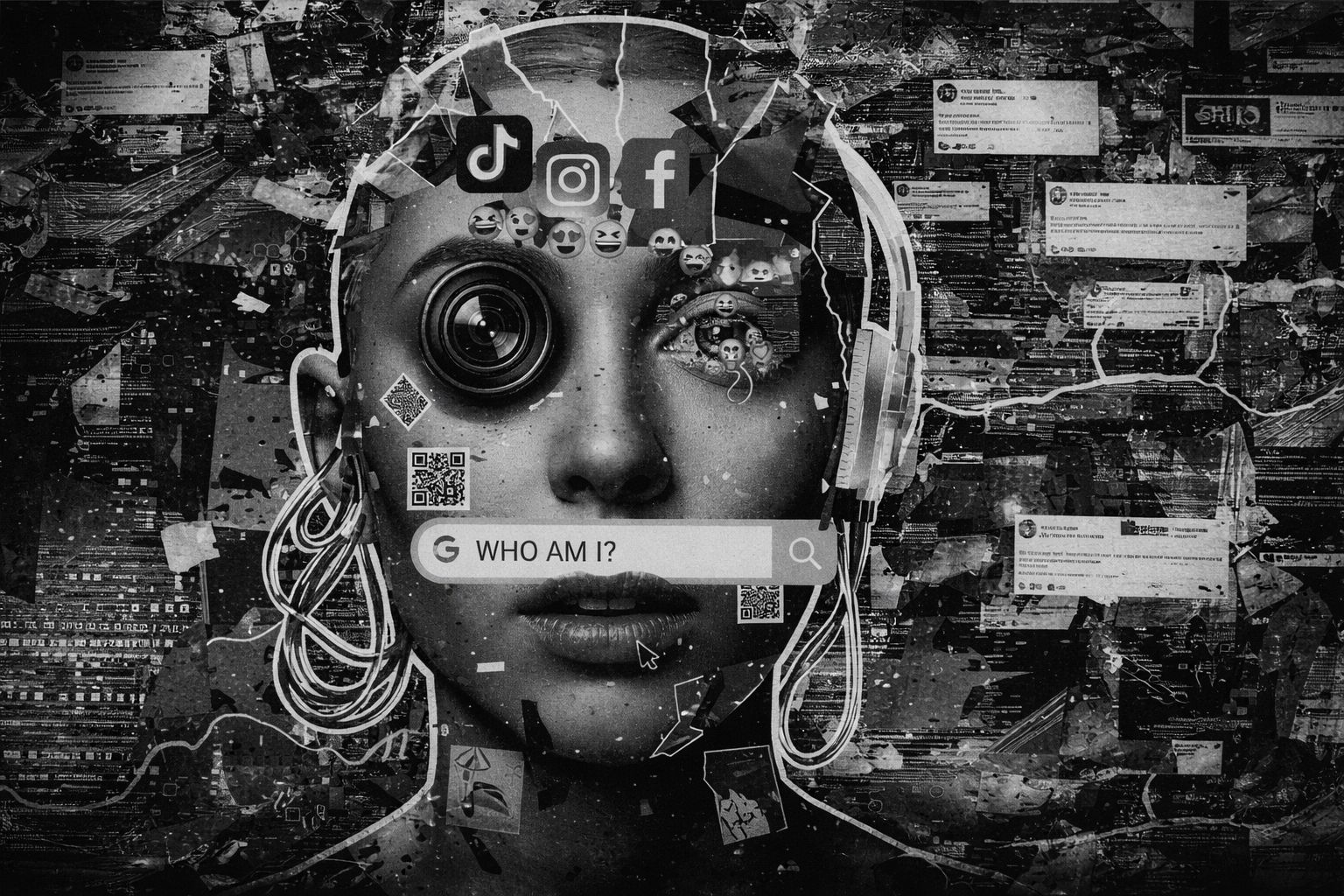
Lifestyle and pop culture journalism that sits at the intersection of fashion, art, celebrity, and politics has diluted gradually. It has become repetitive, PR-dependent, algorithm-obsessed, and structurally reluctant to engage with the realities shaping society.
Journalism simply became comfortable over the years, and gradually stopped admitting that it is bending.
Today, the economic pressure is real. Advertising has migrated to Big Tech. Print circulation numbers are shrinking by the day. Condé Nast executed global layoffs in 2023 despite being one of the most recognisable publishing groups in the world. BuzzFeed News shut down after years of losses. Vice Media filed for bankruptcy with liabilities exceeding $1 billion. Even legacy institutions with billionaire owners have cut newsroom staff. The P and L dictates survival.
When revenue tightens, editorial independence becomes a tad expensive.
So publications pivot. Native advertising expands. Sponsored content integrates into editorial feeds. Brand collaborations appear as features. Access journalism replaces interrogation. The line between reporting and promotion blurs quietly and then permanently.
This is a structural reality and not any moral accusation.
Lifestyle and pop culture journalism now circulates inside an echo chamber. The same celebrity wedding appears everywhere. The same designer show receives identical praise across platforms. The same influencer is profiled in slightly rearranged paragraphs. Visibility is mistaken for relevance and number of impressions are mistaken for authority.
We are told how many views something generated. We are rarely told what it revealed. Pray tell in which world that is journalism.
Information moves instantly. Instagram accounts “break” news before reporters verify it. X amplifies speculation before facts settle. A following substitutes for expertise. Democratisation of voice is often not matched by democratisation of accountability. Algorithms reward virality over verification of facts.
Can access without interpretation masquerade as journalism? Same for influence without verification and metrics without context. Not journalism. At least not by definition.
And yet much of what passes for lifestyle reporting today is precisely that. PR copy dressed as coverage. Brand launches framed as societal turning points. Sponsored posts styled as editorial endorsement. Paparazzi culture replacing reportage. Propaganda circulating comfortably under the label of entertainment.
There is another shift that concerns me deeply. Covers.
Magazine covers were once editorial statements. They were not about who was famous that week. They were about what the publication believed represented the zeitgeist of that moment. The choice of subject, the styling, the hair, the makeup, the garment, the posture, the typography, the mood. Everything came together to reflect a larger societal narrative.
Today, the question is often reduced to who will sell copies or generate clicks. Rarely do we ask why this person is on the cover. What does this cover say about society. Why is this silhouette being chosen. Why is this aesthetic leading. Why does the hair look this way. What is the statement.
Covers have become expensive exercises in visibility rather than arguments about the moment.
If media houses invested the same financial and creative intensity into investigative or analytical content as they invest into celebrity covers, the industry would command far greater respect. Spectacle can’t be mistaken for substance. And increasingly I’m gathering that the reader cannot be infantilised. One primary market research exercise with a focus group will give you this data. I’ve done it and the findings have been really cool. The reader is done with old wine in a new bottle.
Let me also be transparent about something.
I operate inside this ecosystem. My brand architecture arm, Maison French Press, works with many of the same media platforms I am critiquing here. We build narratives. We secure placements. We construct visibility. That is part of the business.
But here is what has changed.
Over the last year, something remarkable has happened. Our clients have become more discerning than the platforms themselves. Increasingly, they do not want to be everywhere. They do not want mass impressions for the sake of numbers. They are selective. They ask about editorial integrity. They ask about readership quality. They prefer depth over ubiquity.
More than once, I have had clients say, “We would rather be featured in X or Y because their substance is stronger than appearing on the largest impression-driven platforms.”
That shift is significant. It tells me that the market is not as naive as we assume. Founders, designers, entrepreneurs, and cultural leaders understand that appearing everywhere can dilute brand equity. They understand that credibility compounds differently from virality.
Except for one or two outliers, almost every client on our roster has expressed some version of this sentiment. That feedback along with our focus group survey gives me an insight and indicates hope for more authentic and in depth content.
Which brings me to the paradox.
I am a small company. French Press Global was built from my personal savings accumulated over twenty years of work. No investor money. No family capital. No institutional funding. I am not positioning myself as a martyr. I am simply explaining the structure.
Maison French Press exists to build brands and architect positioning. It does so commercially and unapologetically. Marketing has its place. Brand storytelling has its place. Economic ecosystems depend on it.
French Press Global exists to report, analyse, question, and document the zeitgeist. It is funded through subscriptions and internal accruals from the broader business model. Even the advertising hangs on a thin rope. We are finding ways to integrate it such where a proper value add is given to the advertiser and not let it interfere with content. We don’t wish to become an organisation where you are written about and paid attention to if you are either a client of our sister arm or are advertising with us. For us, the editorial integrity will never ever be compromised explicitly or implicitly.
Yes, there is a paradox. We generate revenue through brand architecture and insist on editorial independence. But the distinction is deliberate. Marketing remains marketing. Journalism remains journalism. One does not masquerade as the other.
I have been a political news anchor. I have completed a master’s degree in journalism. I have worked in media for two decades. I have experienced newsroom pressure, advertiser expectations, and the compromises that creep in quietly. This is lived experience.
Have the rules changed? Of course. Subscription matters. Reach matters. Partnerships matter. But clarity must not collapse.
If a piece is paid for, mark it. If it is sponsored, label it clearly. Treat citizens and consumers as intelligent.
The younger generation growing up on pop culture content does not need to be conditioned to believe that reposting equals reporting. They deserve platforms that encourage curiosity, context, and critical thinking.
Lifestyle and pop culture journalism shapes aspiration. It shapes aesthetic codes. It shapes public conversation. When it refuses to interrogate labour, class, caste, governance, economic disparity, and lived political realities, it contributes to intellectual laziness.
When reporting becomes reposting, society loses depth.
This is an opinion. Take it or leave it.But if journalism continues to confuse virality with value and access with accountability, it will lose trust. It has already started losing revenue.
And trust, once diluted, is far harder to rebuild than any balance sheet.
TO BE CONTINUED, FOR SUBSCRIBERS ONLY.
This is where the surface ends and the reporting begins.
The complete piece, the full archive, and access to The French Press Circle. Reporting answerable only to its readers.
Already a subscriber ?
Login
Read these on the house, with our compliments.
A selection from the current issue, open to all readers. Read them in full. The rest is one decision away.









Reporting once required legwork. I still remember my early days at CNBC TV18, where we were made to do a lot of investigative journalism stories, and the manner in which we had to approach them, verify them, sit with the then National News Editor in meetings and over multiple black coffees at the newsroom cafe understanding how financial irregularities are reported and get a huge kick out of all that legwork when that one impactful and responsible story went on air. We saw and felt the impact it created and the responsibility that it came with along with the satisfaction of serving the people the truth they deserved through our reportage. Because my early days were spent in newsrooms of business news channels… a natural extension of that was always lifestyle reporting for weekend shows. A natural extension of a political news channel is never lifestyle reporting, but for business, it was always that and the way we went about it and, the manner in which we went about reporting on art, cinema, fashion and tech (which all came under a lifestyle beat at that point of time), really captured the cultural zeitgeist of the nation at that point. Today it often requires WiFi and a blue tick.
Lifestyle and pop culture journalism that sits at the intersection of fashion, art, celebrity, and politics has diluted gradually. It has become repetitive, PR-dependent, algorithm-obsessed, and structurally reluctant to engage with the realities shaping society.
Journalism simply became comfortable over the years, and gradually stopped admitting that it is bending.
Today, the economic pressure is real. Advertising has migrated to Big Tech. Print circulation numbers are shrinking by the day. Condé Nast executed global layoffs in 2023 despite being one of the most recognisable publishing groups in the world. BuzzFeed News shut down after years of losses. Vice Media filed for bankruptcy with liabilities exceeding $1 billion. Even legacy institutions with billionaire owners have cut newsroom staff. The P and L dictates survival.
When revenue tightens, editorial independence becomes a tad expensive.
So publications pivot. Native advertising expands. Sponsored content integrates into editorial feeds. Brand collaborations appear as features. Access journalism replaces interrogation. The line between reporting and promotion blurs quietly and then permanently.
This is a structural reality and not any moral accusation.
Lifestyle and pop culture journalism now circulates inside an echo chamber. The same celebrity wedding appears everywhere. The same designer show receives identical praise across platforms. The same influencer is profiled in slightly rearranged paragraphs. Visibility is mistaken for relevance and number of impressions are mistaken for authority.
We are told how many views something generated. We are rarely told what it revealed. Pray tell in which world that is journalism.
Information moves instantly. Instagram accounts “break” news before reporters verify it. X amplifies speculation before facts settle. A following substitutes for expertise. Democratisation of voice is often not matched by democratisation of accountability. Algorithms reward virality over verification of facts.
Can access without interpretation masquerade as journalism? Same for influence without verification and metrics without context. Not journalism. At least not by definition.
And yet much of what passes for lifestyle reporting today is precisely that. PR copy dressed as coverage. Brand launches framed as societal turning points. Sponsored posts styled as editorial endorsement. Paparazzi culture replacing reportage. Propaganda circulating comfortably under the label of entertainment.
There is another shift that concerns me deeply. Covers.
Magazine covers were once editorial statements. They were not about who was famous that week. They were about what the publication believed represented the zeitgeist of that moment. The choice of subject, the styling, the hair, the makeup, the garment, the posture, the typography, the mood. Everything came together to reflect a larger societal narrative.
Today, the question is often reduced to who will sell copies or generate clicks. Rarely do we ask why this person is on the cover. What does this cover say about society. Why is this silhouette being chosen. Why is this aesthetic leading. Why does the hair look this way. What is the statement.
Covers have become expensive exercises in visibility rather than arguments about the moment.
If media houses invested the same financial and creative intensity into investigative or analytical content as they invest into celebrity covers, the industry would command far greater respect. Spectacle can’t be mistaken for substance. And increasingly I’m gathering that the reader cannot be infantilised. One primary market research exercise with a focus group will give you this data. I’ve done it and the findings have been really cool. The reader is done with old wine in a new bottle.
Let me also be transparent about something.
I operate inside this ecosystem. My brand architecture arm, Maison French Press, works with many of the same media platforms I am critiquing here. We build narratives. We secure placements. We construct visibility. That is part of the business.
But here is what has changed.
Over the last year, something remarkable has happened. Our clients have become more discerning than the platforms themselves. Increasingly, they do not want to be everywhere. They do not want mass impressions for the sake of numbers. They are selective. They ask about editorial integrity. They ask about readership quality. They prefer depth over ubiquity.
More than once, I have had clients say, “We would rather be featured in X or Y because their substance is stronger than appearing on the largest impression-driven platforms.”
That shift is significant. It tells me that the market is not as naive as we assume. Founders, designers, entrepreneurs, and cultural leaders understand that appearing everywhere can dilute brand equity. They understand that credibility compounds differently from virality.
Except for one or two outliers, almost every client on our roster has expressed some version of this sentiment. That feedback along with our focus group survey gives me an insight and indicates hope for more authentic and in depth content.
Which brings me to the paradox.
I am a small company. French Press Global was built from my personal savings accumulated over twenty years of work. No investor money. No family capital. No institutional funding. I am not positioning myself as a martyr. I am simply explaining the structure.
Maison French Press exists to build brands and architect positioning. It does so commercially and unapologetically. Marketing has its place. Brand storytelling has its place. Economic ecosystems depend on it.
French Press Global exists to report, analyse, question, and document the zeitgeist. It is funded through subscriptions and internal accruals from the broader business model. Even the advertising hangs on a thin rope. We are finding ways to integrate it such where a proper value add is given to the advertiser and not let it interfere with content. We don’t wish to become an organisation where you are written about and paid attention to if you are either a client of our sister arm or are advertising with us. For us, the editorial integrity will never ever be compromised explicitly or implicitly.
Yes, there is a paradox. We generate revenue through brand architecture and insist on editorial independence. But the distinction is deliberate. Marketing remains marketing. Journalism remains journalism. One does not masquerade as the other.
I have been a political news anchor. I have completed a master’s degree in journalism. I have worked in media for two decades. I have experienced newsroom pressure, advertiser expectations, and the compromises that creep in quietly. This is lived experience.
Have the rules changed? Of course. Subscription matters. Reach matters. Partnerships matter. But clarity must not collapse.
If a piece is paid for, mark it. If it is sponsored, label it clearly. Treat citizens and consumers as intelligent.
The younger generation growing up on pop culture content does not need to be conditioned to believe that reposting equals reporting. They deserve platforms that encourage curiosity, context, and critical thinking.
Lifestyle and pop culture journalism shapes aspiration. It shapes aesthetic codes. It shapes public conversation. When it refuses to interrogate labour, class, caste, governance, economic disparity, and lived political realities, it contributes to intellectual laziness.
When reporting becomes reposting, society loses depth.
This is an opinion. Take it or leave it.But if journalism continues to confuse virality with value and access with accountability, it will lose trust. It has already started losing revenue.
And trust, once diluted, is far harder to rebuild than any balance sheet.
TO BE CONTINUED, FOR SUBSCRIBERS ONLY.
This is where the surface ends and the reporting begins.
The complete piece, the full archive, and access to The French Press Circle. Reporting answerable only to its readers.
Already a subscriber ?
Login
Read these on the house, with our compliments.
A selection from the current issue, open to all readers. Read them in full. The rest is one decision away.