I remember the sound of certain objects before I remember the object itself. My grandfather’s clock is one of them. It stood in our dining room, its pendulum moving back and forth with a steady, almost grounding rhythm. During dinner, it would disappear into the noise of conversation, plates, utensils, people getting up and walking in and out. But as the evening settled and the house grew quieter, the sound would return. Clearer, more distinct. The tick-tock filling the room in a way that felt constant, rhythmic, almost reassuring.
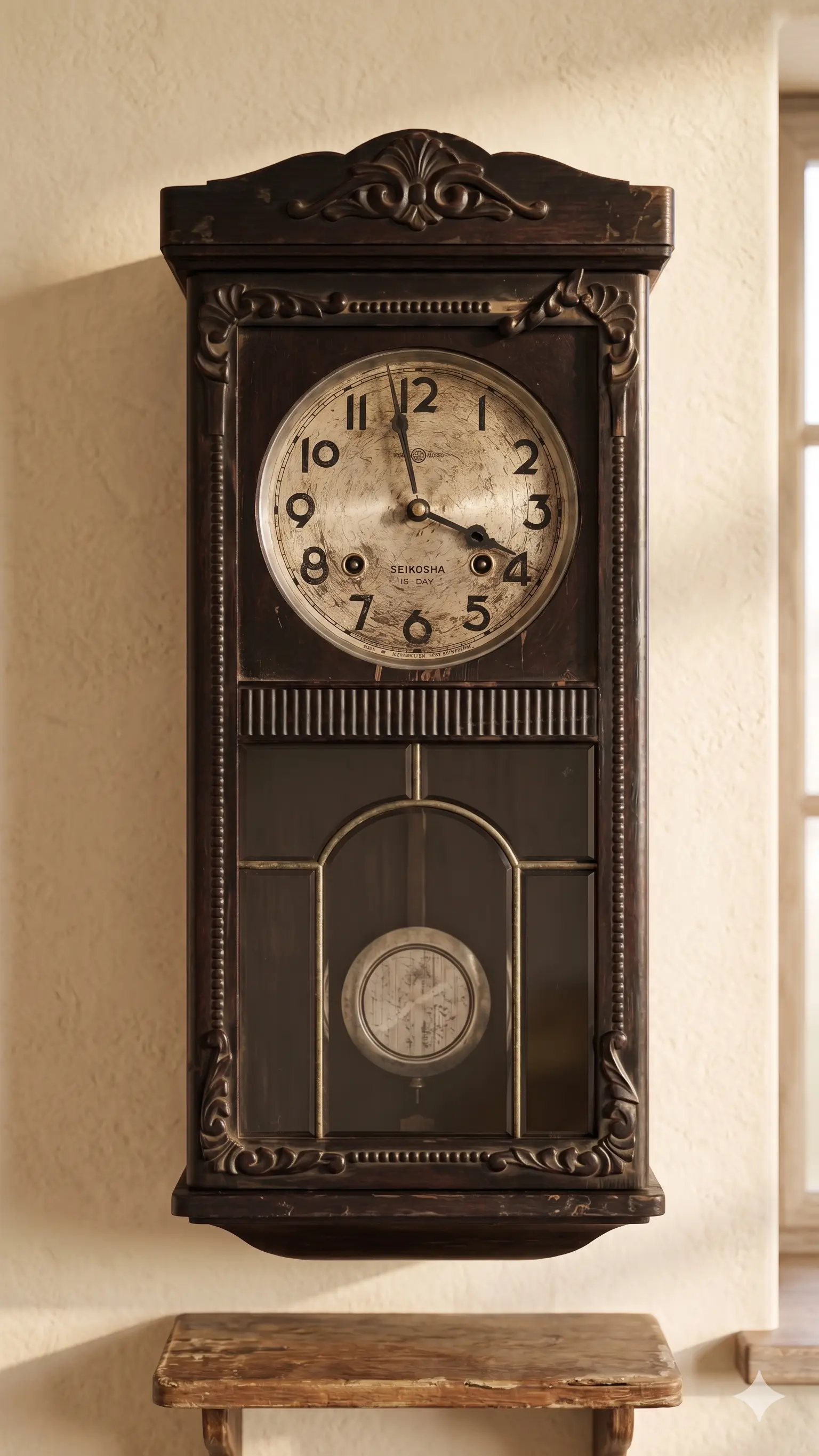
Grandfather's Clock
I had grown up around another kind of repetition, quieter but just as constant. The process of hand block printing. The steady placement of blocks, the layering of colour, the discipline of getting it right, again and again.
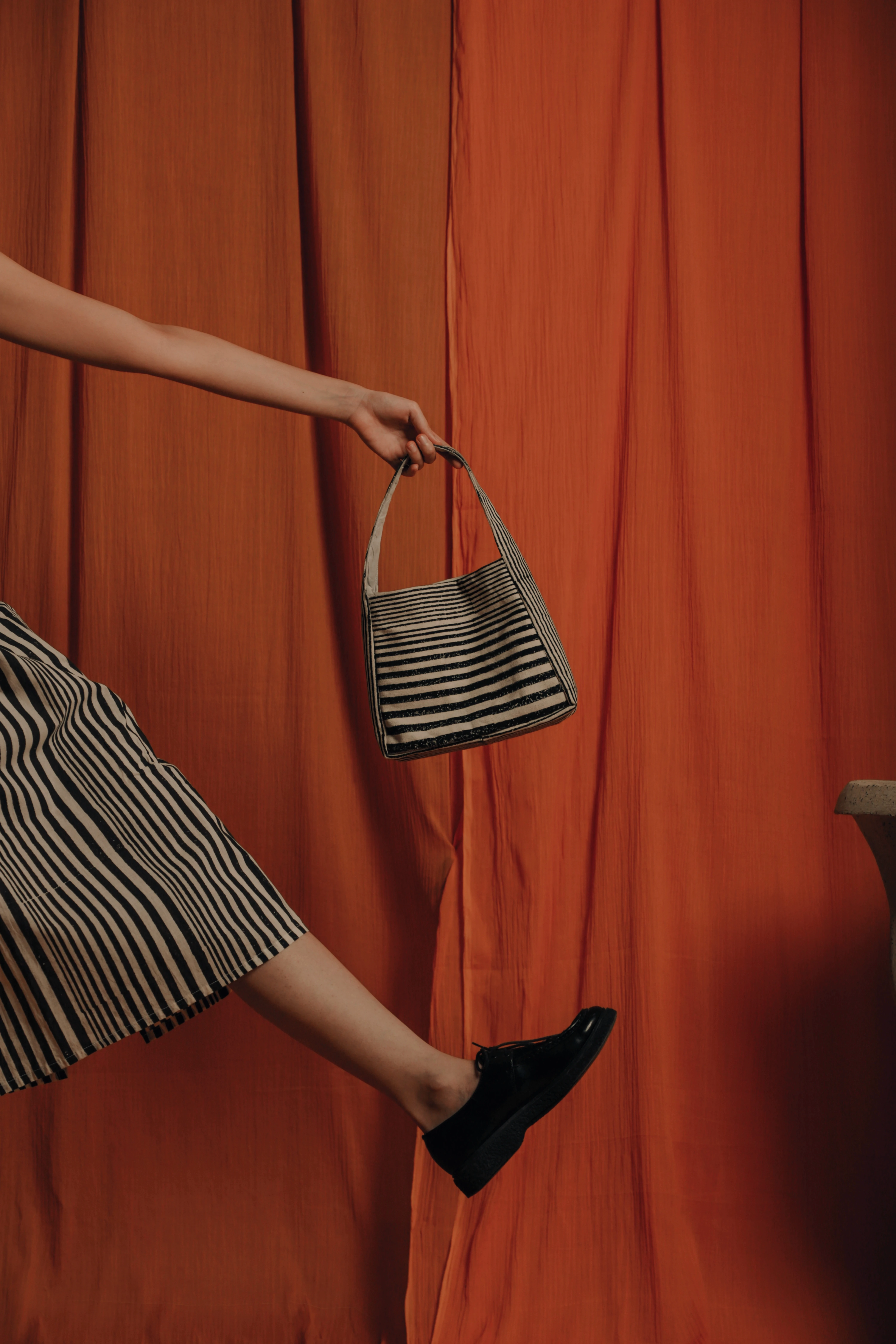
In our family, objects have always held value in a very lived-in way. Not as things to be put away or preserved from a distance, but as things to be used, repaired, and kept close. Over time, we’ve held on to as much as we could by restoring, refurbishing, and making these objects part of our homes again. They’ve moved with us across spaces and generations, not as relics, but as continuations of a way of living. In many ways, this is exactly what BANANA labs does. Craft is not something to be placed on a pedestal or confined to a museum. It is meant to be lived in, worn every day, and become part of people’s lives in the same way these objects have been part of ours.
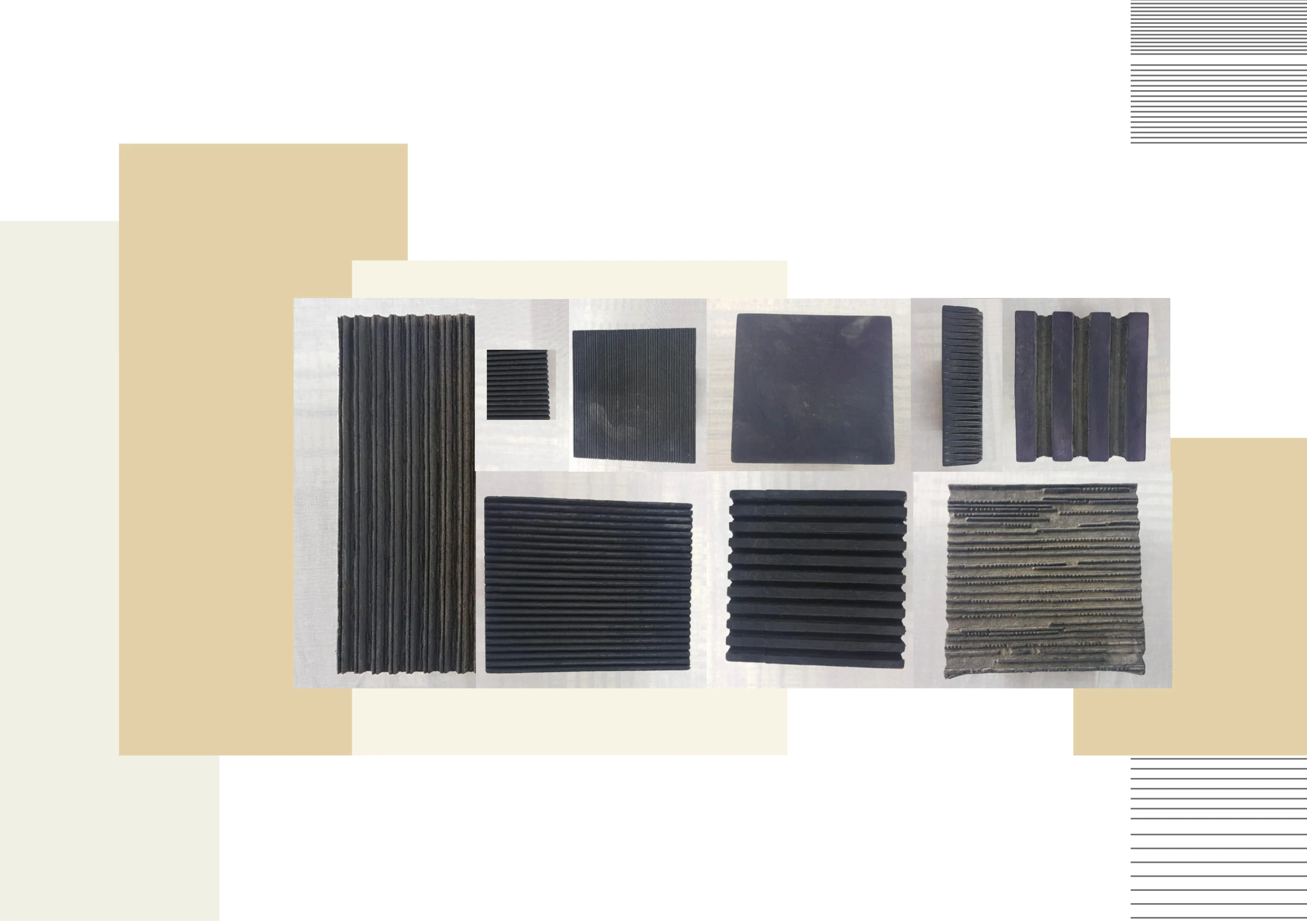
Blocks of BANANA LABS
Growing up, I didn’t think of any of this as special. It was just the environment I was in. A typewriter placed in one corner, my grandmother’s sewing machine that was always in use, she would sew blankets and stitch clothes for us, books that passed through hands without much thought, tools that existed without explanation. No one paused to tell me why they mattered. They were just there. And in many ways, I think that is where my inclination towards fashion began, without me even realising it, it shaped me.
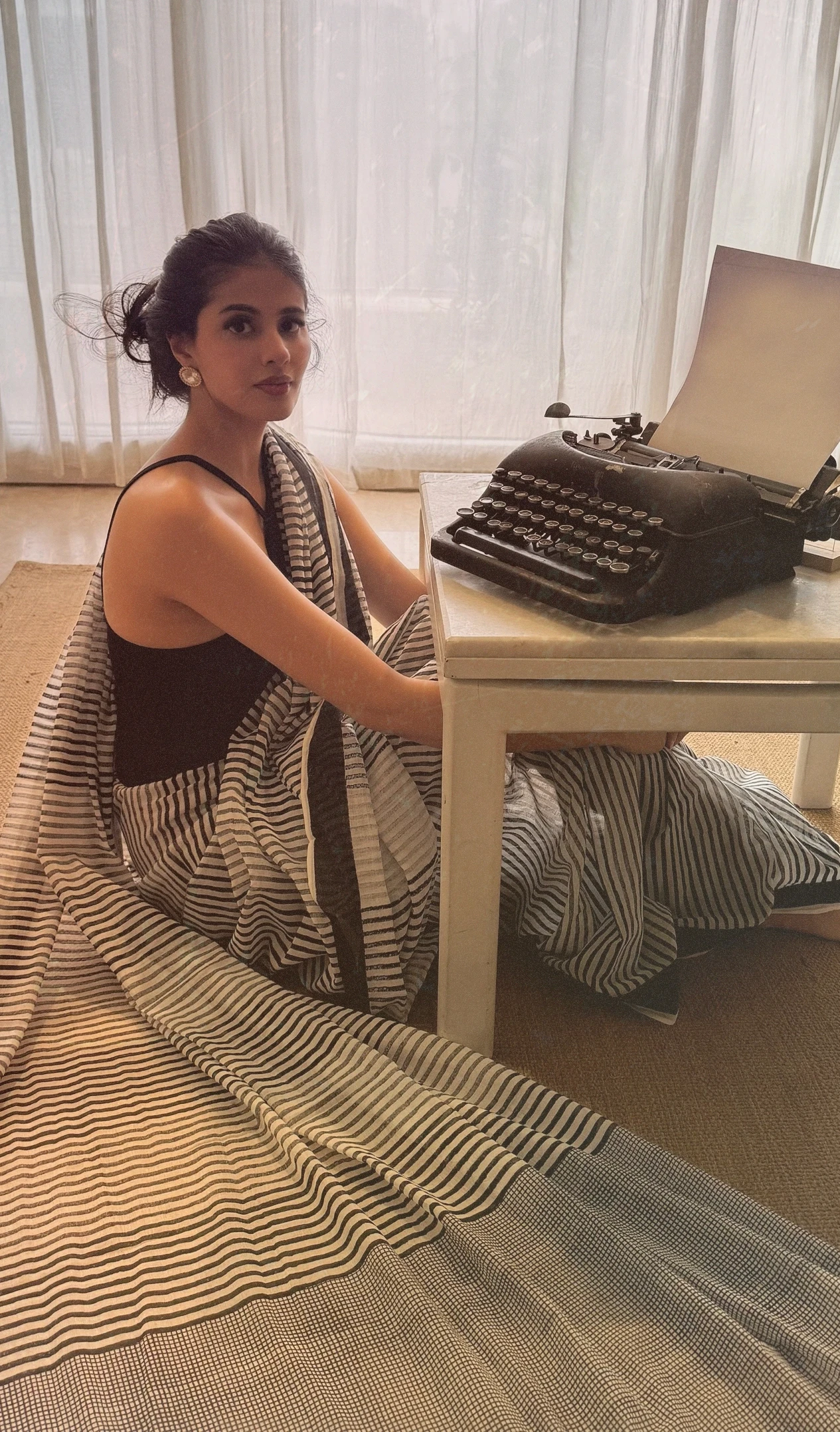
Mariyam with her Heirloom Typewriter
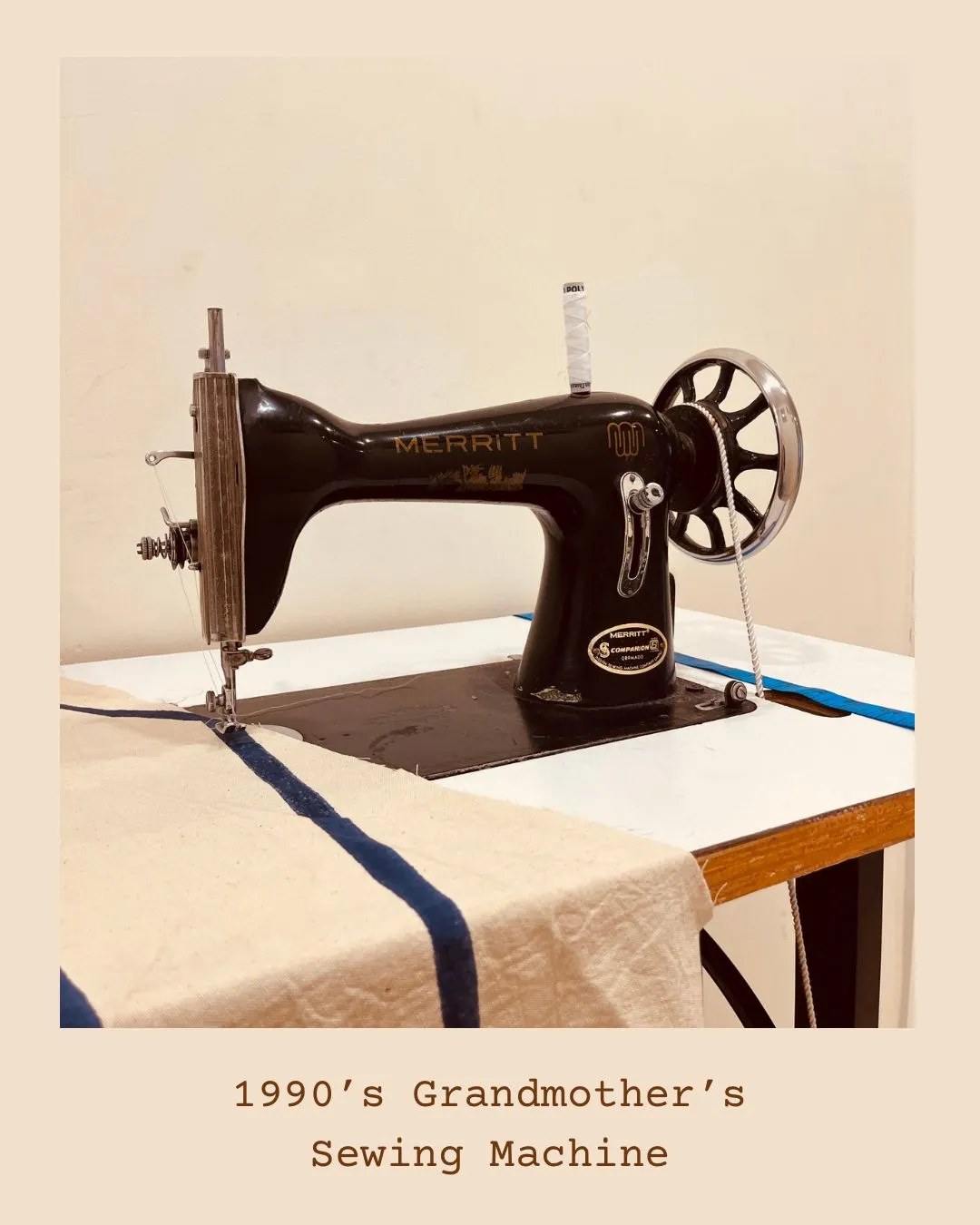
The typewriter becomes about intention. You cannot rush through it. Every word requires effort. The colour proportion checker starts to represent judgement, the kind that comes from the eye, not a screen. My grandmother’s sewing machine holds something else entirely, a kind of patience and repetition that you do not fully understand until you begin working yourself.
None of these things were made for speed. They were made to be used, over and over again.
It feels very far from how we function today.
Everything now is designed to move faster. Faster production, faster decisions, faster consumption and faster deliveries. It makes things easier, but it also changes your relationship with the process. You skip steps without noticing. You arrive at outcomes without always understanding how you got there.
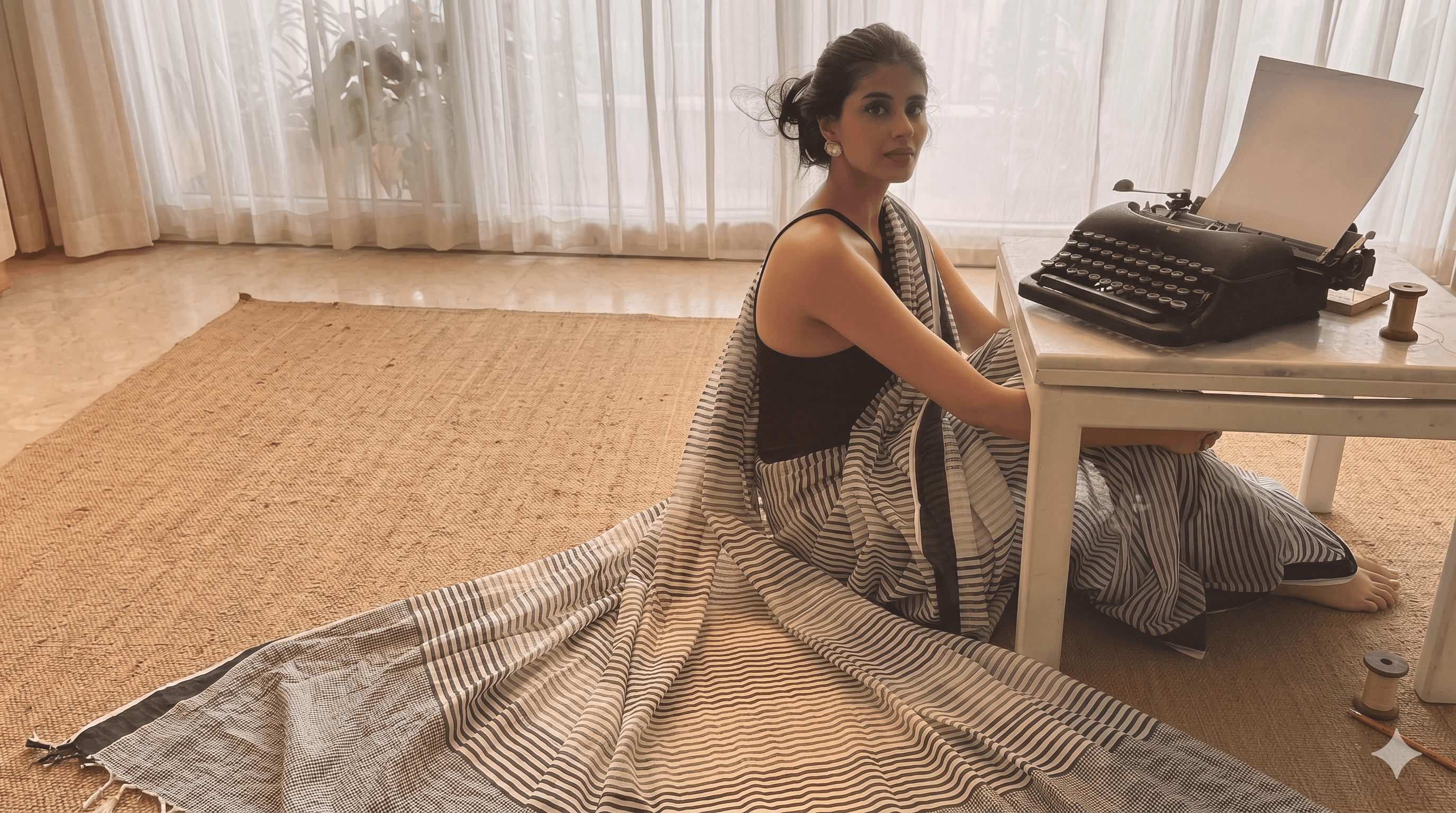
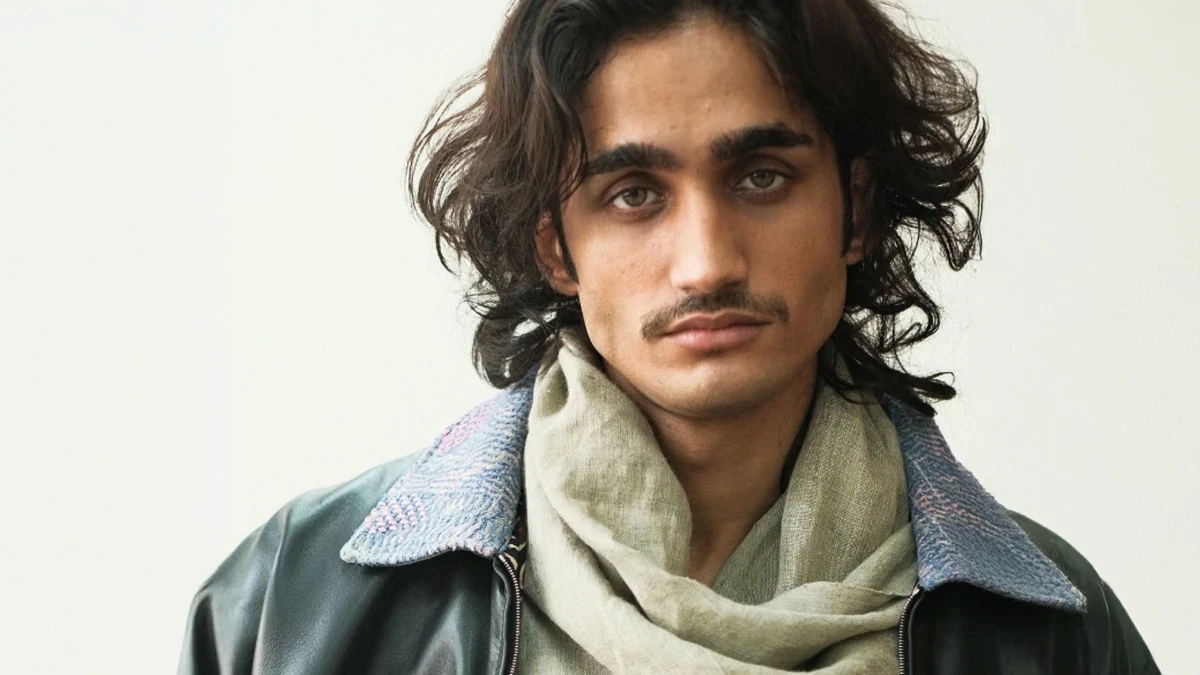
What I really inherited was not just these objects. It was a way of approaching work that allows time to play its role. BANANA labs visual language holds that same balance. Old-school imagery, familiar and rooted, but reinterpreted through modern silhouettes and a more contemporary way of dressing.
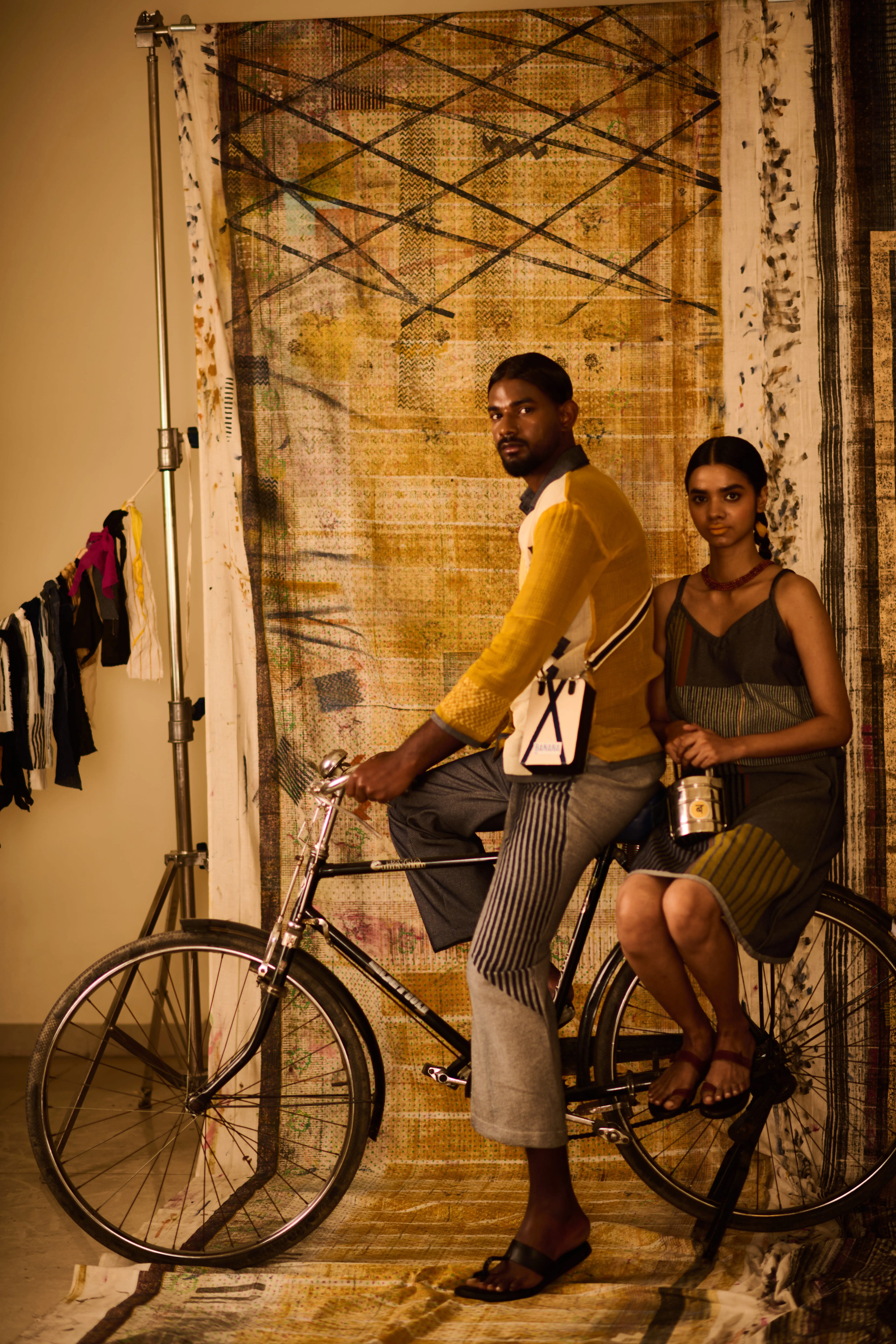
BANANA LABS S/S 26 Campaign
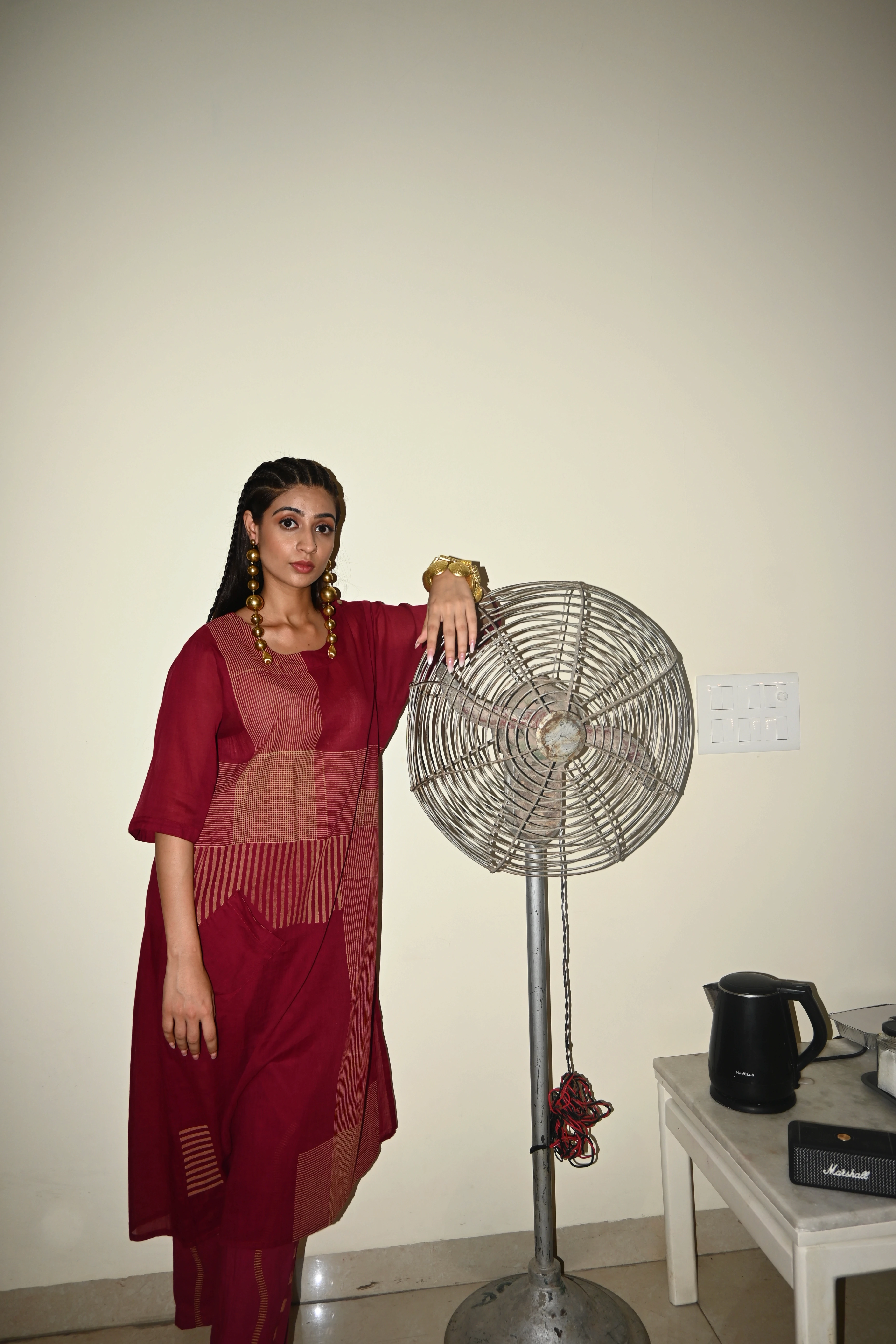
BANANA LABS Campaign Imagery
At BANANA Labs, this shows up more than I expected. The reality is, the world we are building in does not naturally support this pace. Fashion demands consistency, scale, and speed.
Many times, I keep coming back to the colour proportion checker often which is my favourite object from the past. The way it helped create and balance colours. It taught you how to see colour in its purest form.
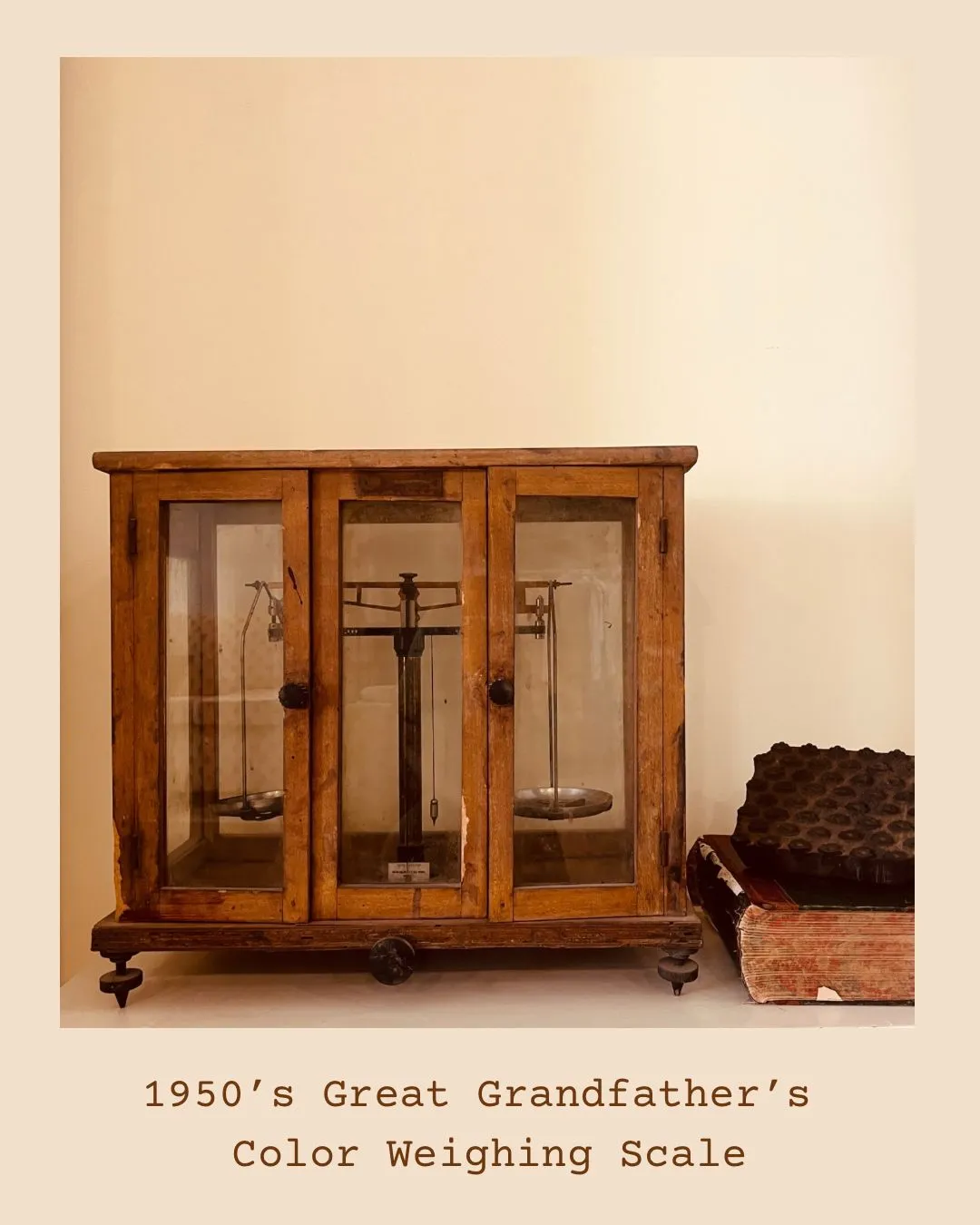
In many ways, that is what I am still learning. How to balance what came before with what exists today. Not to choose between old and new, but to let them evolve together. That small tool taught me something I understand more clearly now that balance is not static. It keeps shifting.
Most of the objects I grew up around have outlived the time they were made in. They have seen different people, different routines, different ways of working. And they are still here. Not because anyone tried to preserve them carefully, but because they were always in use.
I think about that a lot.
Because the moment something stops being used, it slowly starts disappearing.
Maybe that is what inheritance really is. Not holding on to something, but continuing it. Keeping it in motion…
TO BE CONTINUED, FOR SUBSCRIBERS ONLY.
This is where the surface ends and the reporting begins.
The complete piece, the full archive, and access to The French Press Circle. Reporting answerable only to its readers.
Already a subscriber ?
Login
Read these on the house, with our compliments.
A selection from the current issue, open to all readers. Read them in full. The rest is one decision away.



I remember the sound of certain objects before I remember the object itself. My grandfather’s clock is one of them. It stood in our dining room, its pendulum moving back and forth with a steady, almost grounding rhythm. During dinner, it would disappear into the noise of conversation, plates, utensils, people getting up and walking in and out. But as the evening settled and the house grew quieter, the sound would return. Clearer, more distinct. The tick-tock filling the room in a way that felt constant, rhythmic, almost reassuring.
Grandfather's Clock
I had grown up around another kind of repetition, quieter but just as constant. The process of hand block printing. The steady placement of blocks, the layering of colour, the discipline of getting it right, again and again.
In our family, objects have always held value in a very lived-in way. Not as things to be put away or preserved from a distance, but as things to be used, repaired, and kept close. Over time, we’ve held on to as much as we could by restoring, refurbishing, and making these objects part of our homes again. They’ve moved with us across spaces and generations, not as relics, but as continuations of a way of living. In many ways, this is exactly what BANANA labs does. Craft is not something to be placed on a pedestal or confined to a museum. It is meant to be lived in, worn every day, and become part of people’s lives in the same way these objects have been part of ours.
Blocks of BANANA LABS
Growing up, I didn’t think of any of this as special. It was just the environment I was in. A typewriter placed in one corner, my grandmother’s sewing machine that was always in use, she would sew blankets and stitch clothes for us, books that passed through hands without much thought, tools that existed without explanation. No one paused to tell me why they mattered. They were just there. And in many ways, I think that is where my inclination towards fashion began, without me even realising it, it shaped me.
Mariyam with her Heirloom Typewriter
The typewriter becomes about intention. You cannot rush through it. Every word requires effort. The colour proportion checker starts to represent judgement, the kind that comes from the eye, not a screen. My grandmother’s sewing machine holds something else entirely, a kind of patience and repetition that you do not fully understand until you begin working yourself.
None of these things were made for speed. They were made to be used, over and over again.
It feels very far from how we function today.
Everything now is designed to move faster. Faster production, faster decisions, faster consumption and faster deliveries. It makes things easier, but it also changes your relationship with the process. You skip steps without noticing. You arrive at outcomes without always understanding how you got there.
What I really inherited was not just these objects. It was a way of approaching work that allows time to play its role. BANANA labs visual language holds that same balance. Old-school imagery, familiar and rooted, but reinterpreted through modern silhouettes and a more contemporary way of dressing.
BANANA LABS S/S 26 Campaign
BANANA LABS Campaign Imagery
At BANANA Labs, this shows up more than I expected. The reality is, the world we are building in does not naturally support this pace. Fashion demands consistency, scale, and speed.
Many times, I keep coming back to the colour proportion checker often which is my favourite object from the past. The way it helped create and balance colours. It taught you how to see colour in its purest form.
In many ways, that is what I am still learning. How to balance what came before with what exists today. Not to choose between old and new, but to let them evolve together. That small tool taught me something I understand more clearly now that balance is not static. It keeps shifting.
Most of the objects I grew up around have outlived the time they were made in. They have seen different people, different routines, different ways of working. And they are still here. Not because anyone tried to preserve them carefully, but because they were always in use.
I think about that a lot.
Because the moment something stops being used, it slowly starts disappearing.
Maybe that is what inheritance really is. Not holding on to something, but continuing it. Keeping it in motion…
TO BE CONTINUED, FOR SUBSCRIBERS ONLY.
This is where the surface ends and the reporting begins.
The complete piece, the full archive, and access to The French Press Circle. Reporting answerable only to its readers.
Already a subscriber ?
Login
Read these on the house, with our compliments.
A selection from the current issue, open to all readers. Read them in full. The rest is one decision away.