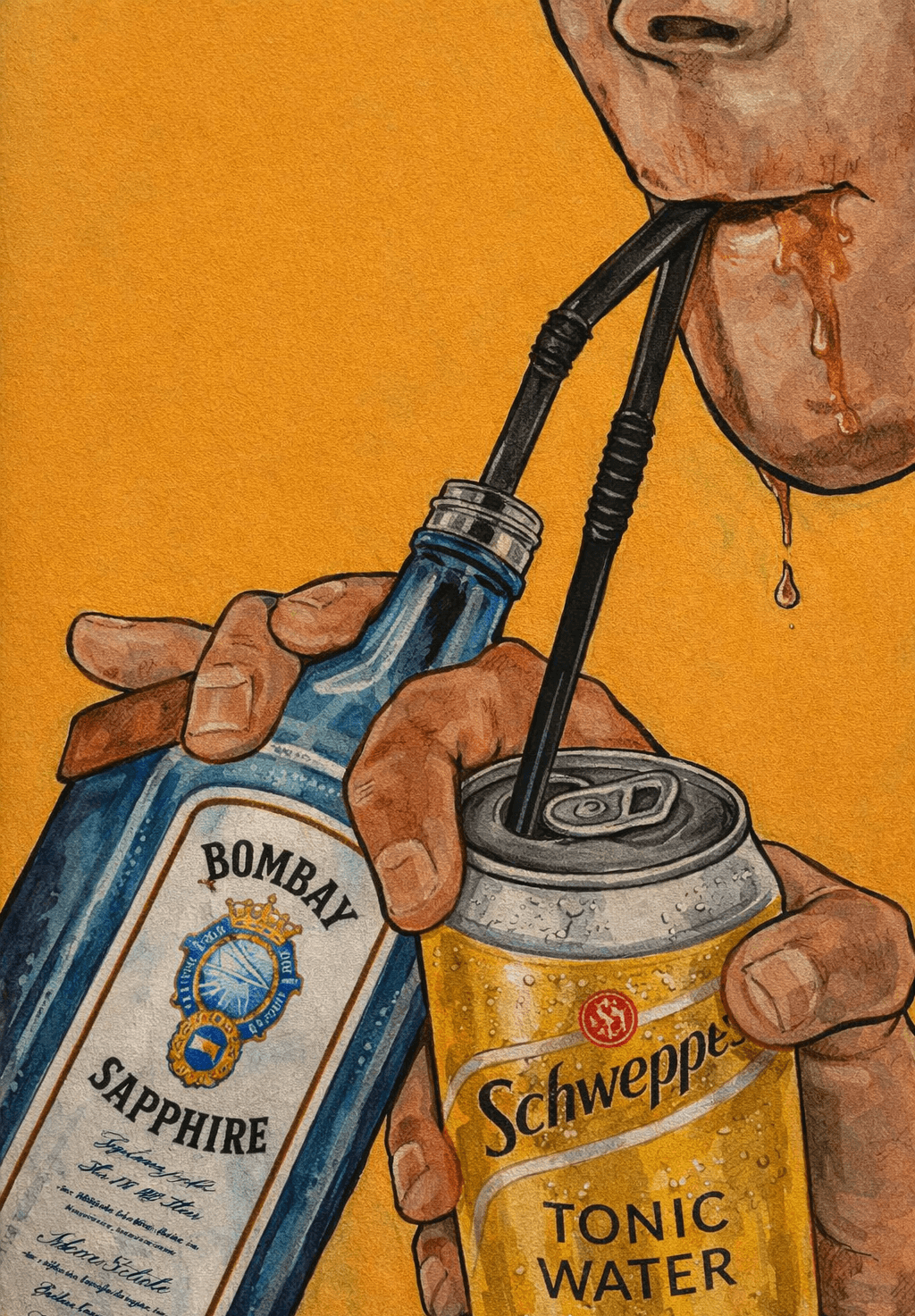
Across bars from Bandra to Vasant Vihar to Assagao, the menu used to read like a craft gin catalogue. Twenty-odd labels from Goa to Nagpur organised by botanical profile. Today, that same menu devotes a full page to agave. A new bar opens somewhere in the neighbourhood roughly every fortnight, each one announcing itself through 'bespoke' cocktails, curated glassware, and a tequila list that anchors the premium tier. The gins haven't disappeared, but they've been quietly repositioned, moved toward the middle of the card, where the dependable choices live.

AUTHOR - Jatin Dev Bobb
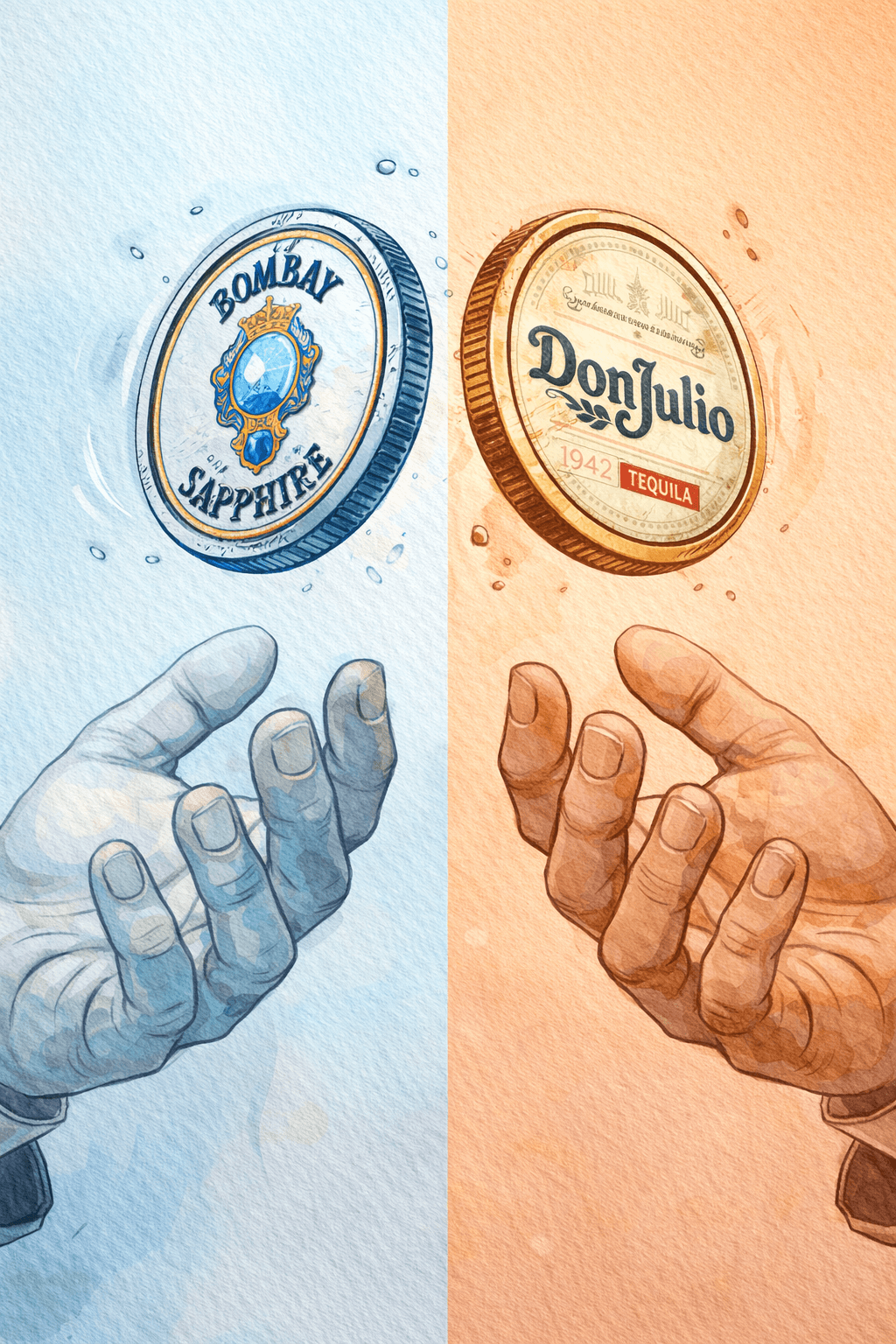
This is not a dramatic story of one spirit killing another. It is something quieter, and more revealing: a case study in how India's premium drinking culture actually evolves - who shapes it, what drives it, and whether the next big pour is ever really about taste.
Spirits trends in India are rarely born in the glass. They are born in aspiration.
The Gin Moment: What it was Really About
India's craft gin boom, which gained serious trajectory between 2019 and 2023, was not simply a product story. It was an identity story. A young, urban, upwardly mobile class was rejecting whisky - the spirit of their fathers, of corner-room power and corporate dinners and reaching for something that felt chosen rather than inherited.
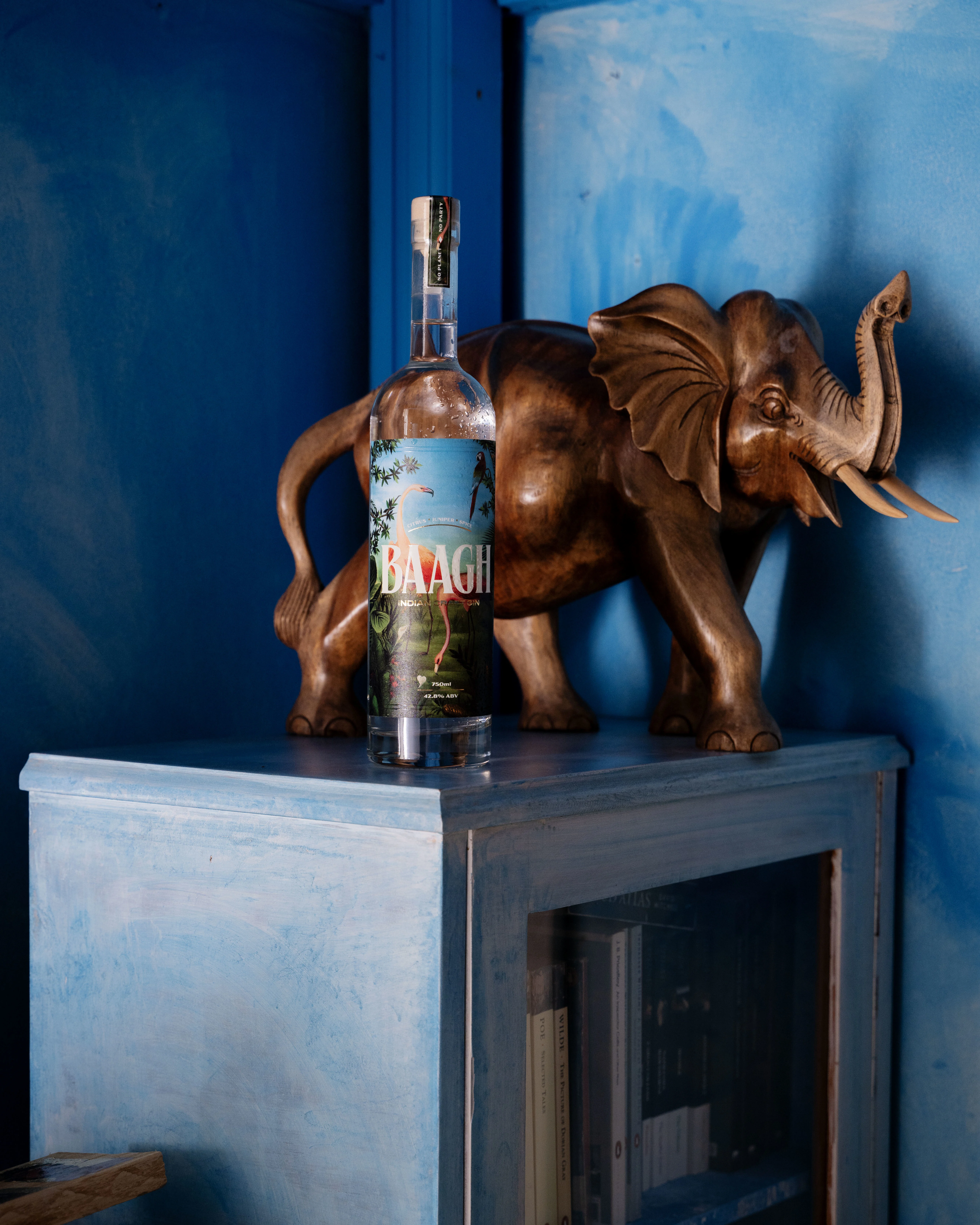
Gin offered exactly that. It was local but globally legible. Brands like Stranger & Sons, Jaisalmer, and Baagh were selling Nagpur orange peel, Darjeeling cardamom, and hand-selected native botanicals as bona fides, but what they were really selling was a version of Indian sophistication that didn't require looking westward. You could be a gin drinker in Delhi and feel as culturally fluent as one in London, without pretending to be one.
The economics aligned neatly. Craft distilling in India could produce gin competitively because gin requires no ageing, or suffer from locational advantages. You could go from concept to shelf in under a year. This dramatically lowered the barriers to entry compared to whisky, allowing a proliferation of regional labels, limited editions, and bartender collaborations that generated the kind of ongoing cultural conversation no mass-market spirit could manufacture. By 2021, there were over 15 craft gin labels in the Indian market; by the mid-2020s, that number had crossed 30, with brands spanning Rajasthan, the Nilgiris, Goa, Nagpur and the Himalayas.
Not all of them survived. That is the part the category conversation tends to skip. Of the brands that launched in the first wave of post-2017 enthusiasm, roughly a third to half of early entrants have either gone silent, discontinued distribution, or been quietly absorbed into larger portfolios. Diageo's 2025 acquisition - effectively a take-over of NAO Spirits, the company behind Greater Than and Hapusa marks the end of the category's first purely independent, founder-led chapter, even as it validates its commercial legitimacy.
The Tequila wave: louder, more expensive - and built mainly on one cocktail
Tequila’s rise feels categorically different. Where gin was experimental and artisanal, tequila is loud, status-coded, and nightlife-native. Its arrival in urban India tracks closely with the return of post-pandemic hospitality; the pent-up ‘live now’ spending that reshaped bar culture from 2022 onwards. India’s cocktail bar scene, particularly in Delhi, Goa, Mumbai, and Bengaluru - has become the real engine of category discovery, and right now, that engine runs almost entirely on one drink.
The Picante is the cocktail that has carried tequila into mainstream Indian consciousness. By 2025, senior bartenders across the country's top bars were voting it drink of the year, with industry surveys suggesting one in five tequila orders at peak was a Picante.
There is something worth pausing on here. The Picante is, at its core, a beautifully calibrated vehicle for Indian taste preferences: spicy, citrusy, chatpata. Think of it as Mexico’s Jaljeera, dressed up for a ₹900-a-glass occasion and given a salt rim. Its genius is that it made tequila feel familiar before Indian consumers had actually learned to appreciate good tequila as a spirit. The category arrived inside a cocktail that felt almost native, a very different entry point from gin, which was embraced as a spirit first and a cocktail ingredient second.
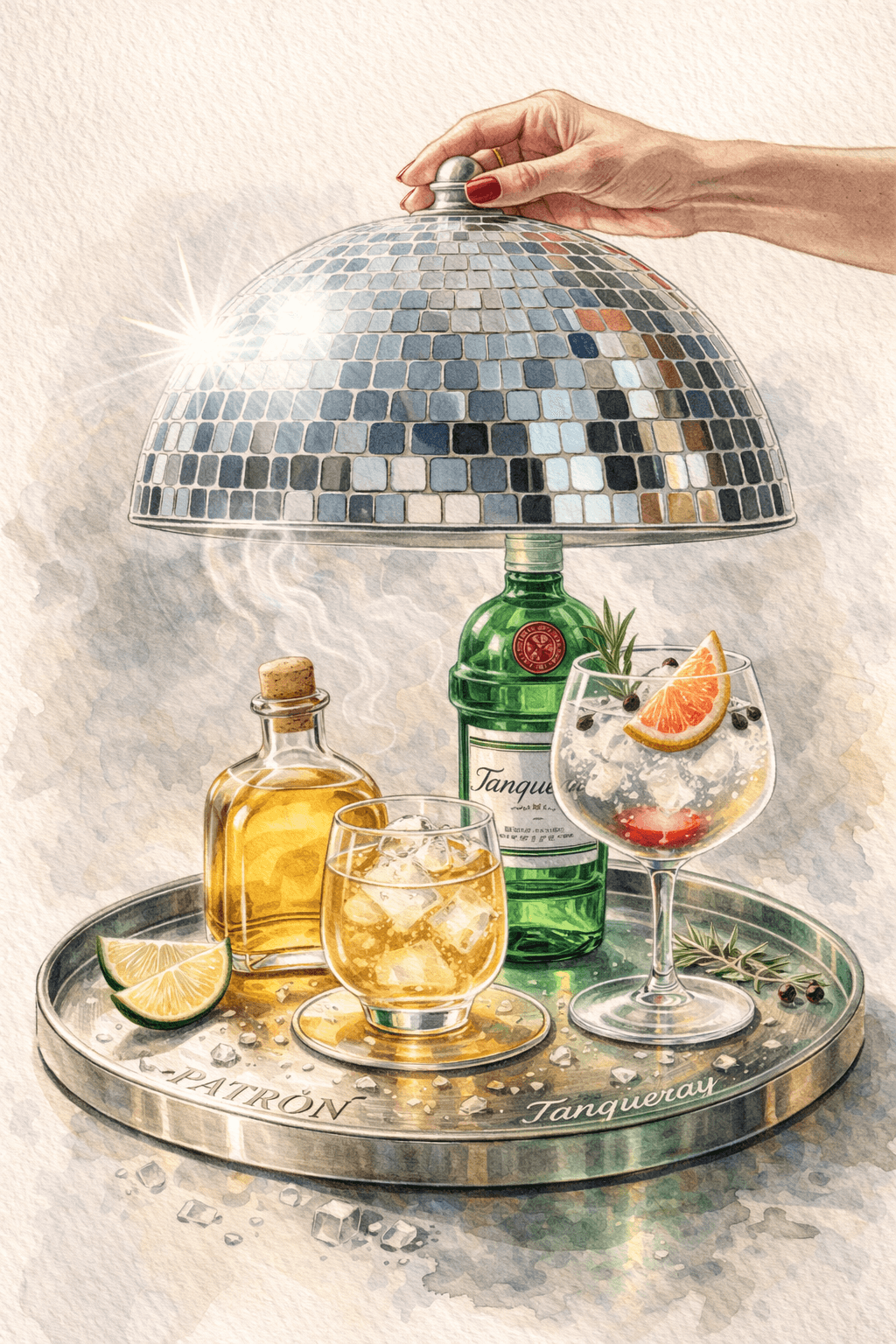
This is both tequila’s strength and its structural risk. Every cocktail trend has its moment in the sun; the Cosmopolitan, the Long Island Iced Tea, the Mojito, the Espresso Martini, the Aperol Spritz. Some, like the Martini and the Old Fashioned, earn permanence by outlasting the hype and becoming part of a bartender’s permanent architecture. Most peak and recede, leaving the spirit they championed in a more complicated position than before. The question the Indian alcobev industry should be asking is not whether tequila is hot right now. It is whether tequila has the category depth to survive the Picante’s inevitable cooling.
Tequila arrived in India the way the Cosmopolitan arrived everywhere else; through a single, perfectly designed cocktail that required very little knowledge of the base spirit to order confidently.
The broader forces driving demand are real. A cultural wave that once took a decade to travel from its origin to Indian bar menus now arrives in two years or less. Streaming media, relentless social feeds saturated with nightlife content, bar-tender cross pollination, and a younger affluent class that is more internationally connected than any generation before it have collapsed the lag. Indian urban consumers are travelling more; tequila is ambient across the US, Mexico, and Europe. Celebrity ownership - George Clooney's Casamigos, Dwayne Johnson’s Teremana, Kendall Jenner’s 818 has collapsed the distance between the global culture industry and the Indian bar counter. And India’s upper middle class in 2025 is meaningfully wealthier than a decade ago. The premium spirits segment, which captured 42% of market value in 2019, had reached 49% by 2023, tracking a CAGR of approximately 8% in value terms against a broader alcobev market growing at under 3% in volume; a clear value-over-volume structural shift.
If gin was aspirational domesticity, tequila is aspirational borderlessness. You are not just drinking a spirit. You are performing a version of yourself that moves in certain circles.
A necessary caveat, though: tequila's momentum is real, but its footprint is narrow. This is, in practice, a story of six cities - Delhi, Gurgaon, Mumbai, Bengaluru, Hyderabad, with Goa operating as an honorary sixth on weekends. Within those cities, it is the top one percent of the top one percent driving the category: expensive ‘speakeasy’ bars, high-spend nightlife tables, the well-travelled tier that drinks by what is globally current. Tequila will never approach gin’s spread in urban India. Gin will never approach vodka’s in volume terms. The premium agave conversation, for all its cultural energy, is happening in a very small room and anyone building a business on the assumption that it will leave that room soon is working from the wrong model.
The regulatory reality: why this is harder than it looks
India’s state excise system remains among the most structurally complex in the world for beverage alcohol. India does not have a liquor market. It has 36 different ones. A brand that cracks Maharashtra starts over in Haryana.
For tequila specifically, there is an additional absurdity that would be comedic if it didn’t carry real commercial consequences: Delhi’s excise policy archaic in ways difficult to justify for the capital of a country with India’s ambitions does not recognise tequila as a distinct spirits category at all. It is clubbed alongside whisky and rum under a broad classification that treats all brown spirits as equal offenders. This affects licence costs, taxes and how the trade accounts for the spirit operationally. A city that is supposedly leading India's tequila moment doesn’t formally know what tequila is.
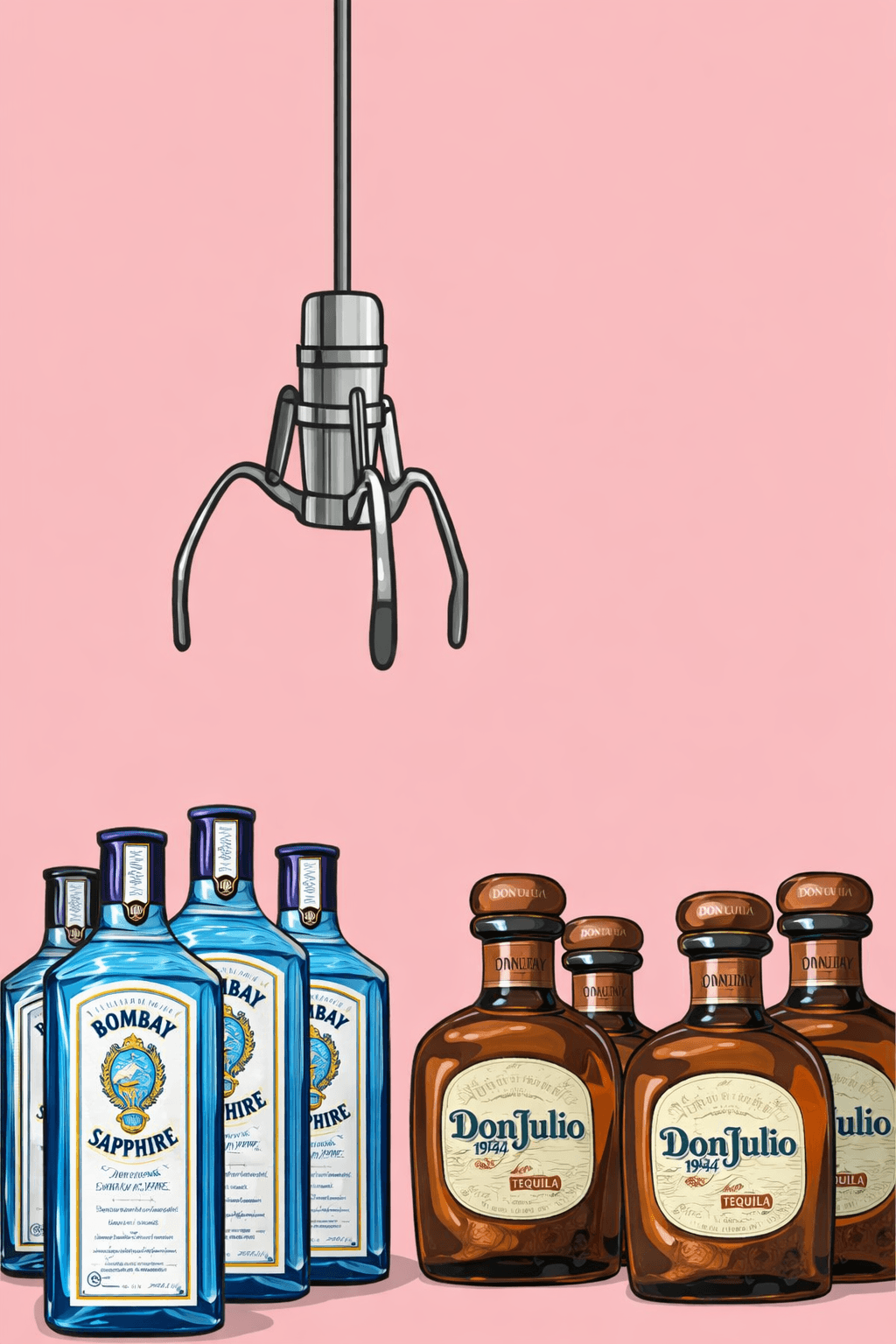
Import economics compound the difficulty further. A bottle of mid-range tequila wholesale at $25-30 in the United States arrives in India after duties and taxes at a retail price that places it firmly in the super-premium segment even if that was never its domestic positioning abroad. There is no accessible mid-market for good tequila here. Its only viable commercial trajectory in India is upward, which suits the current narrative but makes building real volume structurally impossible.
Can India grow its own agave industry ?
The answer, perhaps surprisingly, is yes and the groundwork is more advanced than most people in the mainstream world realise. The story begins not in some recent entrepreneurial enthusiasm, but in 2011, when Desmond Nazareth identified Agave Americana growing semi-wild on the volcanic soils of the Deccan Plateau and set up India's first craft agave distillery in Chittoor, Andhra Pradesh. Nazareth’s brand, DesmondJi, quietly pioneered the category for over a decade before anyone in mainstream hospitality was paying serious attention. It was Pistola, founded by Rakshay and Radhika Dhariwal of Passcode Hospitality, working directly with Nazareth’s Agave India operation as their supply source that brought the story into public consciousness. DesmondJi built the foundation. Pistola mainstreamed it. That is how categories actually get made; quiet conviction followed by smart commercialisation.
Which makes what is now happening all the more troubling. The surge in agave interest has attracted the full complement of opportunists: traditional spirits distributors who want a piece of the premium action without the patience it demands, celebrity backers chasing association with a trend they have no real knowledge of, and business owners with neither the conviction nor the craft rigour to do the work properly. The temptation to cut corners is acute; bulk imported agave spirit tipped into bottles with evocative labels, additives used to manufacture the flavour and body that only honest production earns, and a cavalier attitude toward then standards that give the category its integrity in the first place.
This is not a theoretical concern. Tequila’s own troubled relationship with additives, glycerine for body, caramel for colour, vanilla and oak extract to simulate ageing is an open industry secret that has been litigated publicly in the US market for years. In India’s nascent agave category, without even the basic protections of a geographic indication or established regulatory standards, the risk is that the default simply becomes the shortcut. And when that happens, what gets damaged is not just a brand. It is the credibility of the entire category that Desmond Nazareth spent fourteen years building.
The view from the craft gin side: competition or expansion?
For those who built India’s craft gin industry, the tequila wave is worth watching carefully, but not with alarm. The honest read is that the overall premium spirits market is expanding, not simply rotating. The consumer who orders tequila at a bar on Friday is often the same consumer who reaches for a G & T or Negroni on Saturday. These are not substitutions. They are expressions of the same underlying shift in how a segment of urban India thinks about drinking; as an experience to curate, not a habit to repeat.
The caution comes from watching the Picante moment. Cocktail trends are by nature temporary. What concerns the more clear-eyed founders in this space is not whether tequila will eat gin’s lunch, it won’t; they serve different occasions and different consumer registers but whether bars and consumers currently discovering tequila through the Picante will develop genuine category knowledge and brand loyalty, or whether they will simply move to the next cocktail trend when it arrives. Rum-based cocktails are already being flagged by bartenders as the next wave. The cycle is not a prediction. It’s a pattern.
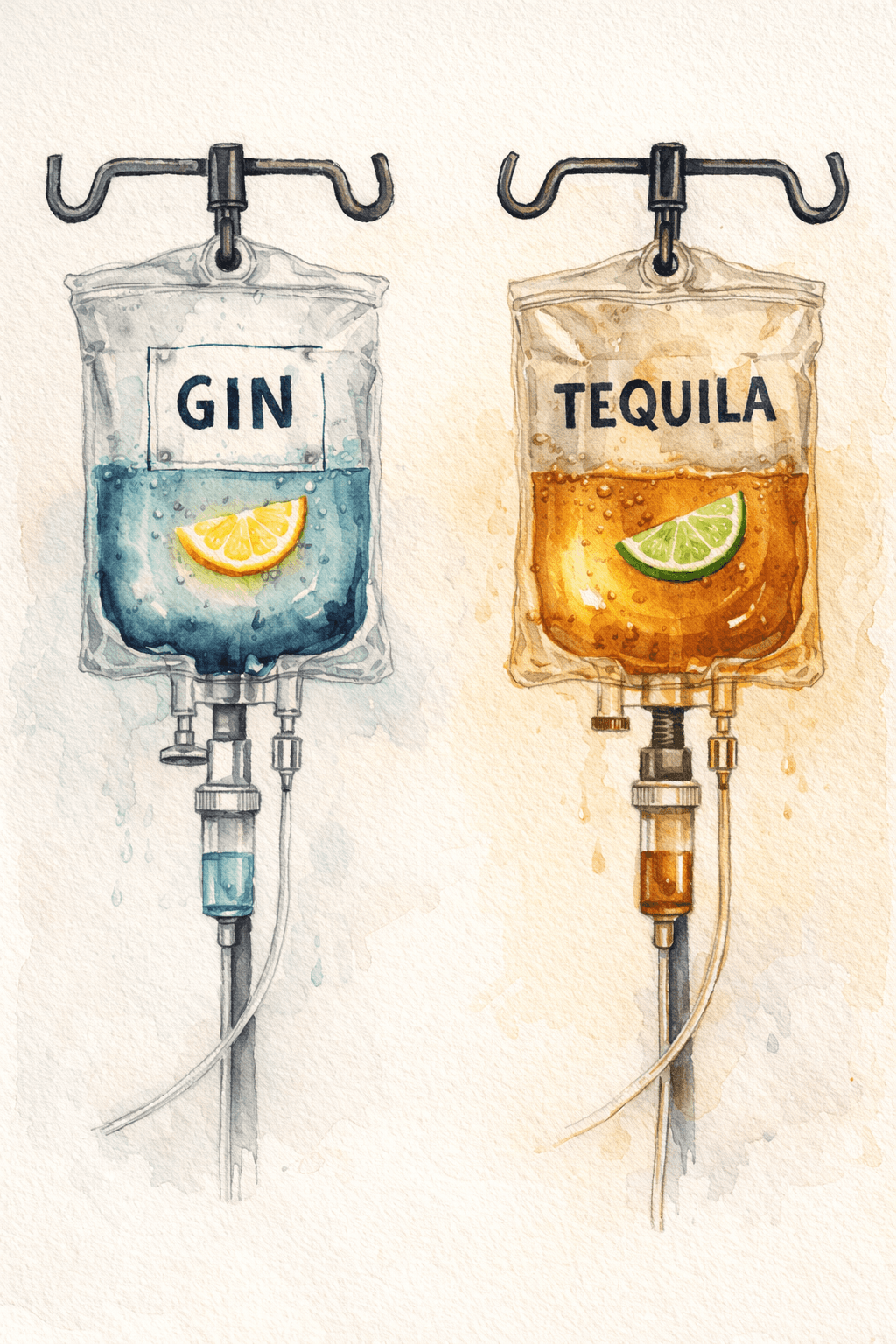
Building a craft spirits brand in India is a long game. The brands that survived gin’s first decade did so by building occasions, not just products, by creating a reason to return that was independent of trend cycles. The harder question for tequila’s advocates is what tequila looks like when it is ordered neat, or in a simple serve, by someone who knows why they’re ordering it. That’s the category depth test. Tequila in India, right now, hasn’t passed it yet.
On the broader question of whether tequila’s rise is zero-sum or expansionary; my view is expansionary. India’s premium spirits market is structurally growing, with IWSR projecting a +8% CAGR in total beverage alcohol value between 2024 and 2029. The consumer who orders a Picante tonight and discovers a genuine affinity for tequila’s flavour profile is a more adventurous drinker than they were before and adventurous consumers are good for every premium category, including craft gin. The overall pie is expanding. The question is who baked enough of it to last.
The more significant competitive dynamic, though, is with Scotch whisky and premium rum, categories that have long anchored the status-signalling premium tier in India. If craft gin and tequila together are beginning to displace brown spirits as the aspirational pour for a segment of the country’s wealthier urban drinkers, that is the shift worth tracking. Gin versus tequila is the wrong frame. Both versus the old guard is the more structurally interesting one. Albeit a long road.
What the cycle tells us
Every spirits trend in a market like India reveals something about the society consuming it. Gin told us that India’s urban class was ready to embrace domestically crafted sophistication that Indian-made could mean premium, could mean considered. Tequila is telling us something different: that a slice of that same class is now wealthy enough, and connected enough, to access global trends in near real- time, and to pay for imported aspiration without needing to justify it.
But the deeper question for anyone building in this space is whether the work being done now is category-building or hype-chasing. The two look identical at the peak of a curve. They only diverge on the way down. India has the soil, the plant, and the genuine craft knowledge, as Desmond Nazareth proved to build something real in agave spirits. Whether that opportunity survives the opportunists currently crowding in, with their bulk imports and their additive-forward ‘craft’ products and their celebrity endorsements, is the industry’s real test right now.
The bar menu will keep changing. A new one opens every fortnight in Vasant Vihar alone. The question for everyone building in this space is not whether you’re on it it’s whether you’ll still be on it when the next thing arrives.
TO BE CONTINUED, FOR SUBSCRIBERS ONLY.
This is where the surface ends and the reporting begins.
The complete piece, the full archive, and access to The French Press Circle. Reporting answerable only to its readers.
Already a subscriber ?
Login
Read these on the house, with our compliments.
A selection from the current issue, open to all readers. Read them in full. The rest is one decision away.









Across bars from Bandra to Vasant Vihar to Assagao, the menu used to read like a craft gin catalogue. Twenty-odd labels from Goa to Nagpur organised by botanical profile. Today, that same menu devotes a full page to agave. A new bar opens somewhere in the neighbourhood roughly every fortnight, each one announcing itself through 'bespoke' cocktails, curated glassware, and a tequila list that anchors the premium tier. The gins haven't disappeared, but they've been quietly repositioned, moved toward the middle of the card, where the dependable choices live.
AUTHOR - Jatin Dev Bobb
This is not a dramatic story of one spirit killing another. It is something quieter, and more revealing: a case study in how India's premium drinking culture actually evolves - who shapes it, what drives it, and whether the next big pour is ever really about taste.
Spirits trends in India are rarely born in the glass. They are born in aspiration.
The Gin Moment: What it was Really About
India's craft gin boom, which gained serious trajectory between 2019 and 2023, was not simply a product story. It was an identity story. A young, urban, upwardly mobile class was rejecting whisky - the spirit of their fathers, of corner-room power and corporate dinners and reaching for something that felt chosen rather than inherited.
Gin offered exactly that. It was local but globally legible. Brands like Stranger & Sons, Jaisalmer, and Baagh were selling Nagpur orange peel, Darjeeling cardamom, and hand-selected native botanicals as bona fides, but what they were really selling was a version of Indian sophistication that didn't require looking westward. You could be a gin drinker in Delhi and feel as culturally fluent as one in London, without pretending to be one.
The economics aligned neatly. Craft distilling in India could produce gin competitively because gin requires no ageing, or suffer from locational advantages. You could go from concept to shelf in under a year. This dramatically lowered the barriers to entry compared to whisky, allowing a proliferation of regional labels, limited editions, and bartender collaborations that generated the kind of ongoing cultural conversation no mass-market spirit could manufacture. By 2021, there were over 15 craft gin labels in the Indian market; by the mid-2020s, that number had crossed 30, with brands spanning Rajasthan, the Nilgiris, Goa, Nagpur and the Himalayas.
Not all of them survived. That is the part the category conversation tends to skip. Of the brands that launched in the first wave of post-2017 enthusiasm, roughly a third to half of early entrants have either gone silent, discontinued distribution, or been quietly absorbed into larger portfolios. Diageo's 2025 acquisition - effectively a take-over of NAO Spirits, the company behind Greater Than and Hapusa marks the end of the category's first purely independent, founder-led chapter, even as it validates its commercial legitimacy.
The Tequila wave: louder, more expensive - and built mainly on one cocktail
Tequila’s rise feels categorically different. Where gin was experimental and artisanal, tequila is loud, status-coded, and nightlife-native. Its arrival in urban India tracks closely with the return of post-pandemic hospitality; the pent-up ‘live now’ spending that reshaped bar culture from 2022 onwards. India’s cocktail bar scene, particularly in Delhi, Goa, Mumbai, and Bengaluru - has become the real engine of category discovery, and right now, that engine runs almost entirely on one drink.
The Picante is the cocktail that has carried tequila into mainstream Indian consciousness. By 2025, senior bartenders across the country's top bars were voting it drink of the year, with industry surveys suggesting one in five tequila orders at peak was a Picante.
There is something worth pausing on here. The Picante is, at its core, a beautifully calibrated vehicle for Indian taste preferences: spicy, citrusy, chatpata. Think of it as Mexico’s Jaljeera, dressed up for a ₹900-a-glass occasion and given a salt rim. Its genius is that it made tequila feel familiar before Indian consumers had actually learned to appreciate good tequila as a spirit. The category arrived inside a cocktail that felt almost native, a very different entry point from gin, which was embraced as a spirit first and a cocktail ingredient second.
This is both tequila’s strength and its structural risk. Every cocktail trend has its moment in the sun; the Cosmopolitan, the Long Island Iced Tea, the Mojito, the Espresso Martini, the Aperol Spritz. Some, like the Martini and the Old Fashioned, earn permanence by outlasting the hype and becoming part of a bartender’s permanent architecture. Most peak and recede, leaving the spirit they championed in a more complicated position than before. The question the Indian alcobev industry should be asking is not whether tequila is hot right now. It is whether tequila has the category depth to survive the Picante’s inevitable cooling.
Tequila arrived in India the way the Cosmopolitan arrived everywhere else; through a single, perfectly designed cocktail that required very little knowledge of the base spirit to order confidently.
The broader forces driving demand are real. A cultural wave that once took a decade to travel from its origin to Indian bar menus now arrives in two years or less. Streaming media, relentless social feeds saturated with nightlife content, bar-tender cross pollination, and a younger affluent class that is more internationally connected than any generation before it have collapsed the lag. Indian urban consumers are travelling more; tequila is ambient across the US, Mexico, and Europe. Celebrity ownership - George Clooney's Casamigos, Dwayne Johnson’s Teremana, Kendall Jenner’s 818 has collapsed the distance between the global culture industry and the Indian bar counter. And India’s upper middle class in 2025 is meaningfully wealthier than a decade ago. The premium spirits segment, which captured 42% of market value in 2019, had reached 49% by 2023, tracking a CAGR of approximately 8% in value terms against a broader alcobev market growing at under 3% in volume; a clear value-over-volume structural shift.
If gin was aspirational domesticity, tequila is aspirational borderlessness. You are not just drinking a spirit. You are performing a version of yourself that moves in certain circles.
A necessary caveat, though: tequila's momentum is real, but its footprint is narrow. This is, in practice, a story of six cities - Delhi, Gurgaon, Mumbai, Bengaluru, Hyderabad, with Goa operating as an honorary sixth on weekends. Within those cities, it is the top one percent of the top one percent driving the category: expensive ‘speakeasy’ bars, high-spend nightlife tables, the well-travelled tier that drinks by what is globally current. Tequila will never approach gin’s spread in urban India. Gin will never approach vodka’s in volume terms. The premium agave conversation, for all its cultural energy, is happening in a very small room and anyone building a business on the assumption that it will leave that room soon is working from the wrong model.
The regulatory reality: why this is harder than it looks
India’s state excise system remains among the most structurally complex in the world for beverage alcohol. India does not have a liquor market. It has 36 different ones. A brand that cracks Maharashtra starts over in Haryana.
For tequila specifically, there is an additional absurdity that would be comedic if it didn’t carry real commercial consequences: Delhi’s excise policy archaic in ways difficult to justify for the capital of a country with India’s ambitions does not recognise tequila as a distinct spirits category at all. It is clubbed alongside whisky and rum under a broad classification that treats all brown spirits as equal offenders. This affects licence costs, taxes and how the trade accounts for the spirit operationally. A city that is supposedly leading India's tequila moment doesn’t formally know what tequila is.
Import economics compound the difficulty further. A bottle of mid-range tequila wholesale at $25-30 in the United States arrives in India after duties and taxes at a retail price that places it firmly in the super-premium segment even if that was never its domestic positioning abroad. There is no accessible mid-market for good tequila here. Its only viable commercial trajectory in India is upward, which suits the current narrative but makes building real volume structurally impossible.
Can India grow its own agave industry ?
The answer, perhaps surprisingly, is yes and the groundwork is more advanced than most people in the mainstream world realise. The story begins not in some recent entrepreneurial enthusiasm, but in 2011, when Desmond Nazareth identified Agave Americana growing semi-wild on the volcanic soils of the Deccan Plateau and set up India's first craft agave distillery in Chittoor, Andhra Pradesh. Nazareth’s brand, DesmondJi, quietly pioneered the category for over a decade before anyone in mainstream hospitality was paying serious attention. It was Pistola, founded by Rakshay and Radhika Dhariwal of Passcode Hospitality, working directly with Nazareth’s Agave India operation as their supply source that brought the story into public consciousness. DesmondJi built the foundation. Pistola mainstreamed it. That is how categories actually get made; quiet conviction followed by smart commercialisation.
Which makes what is now happening all the more troubling. The surge in agave interest has attracted the full complement of opportunists: traditional spirits distributors who want a piece of the premium action without the patience it demands, celebrity backers chasing association with a trend they have no real knowledge of, and business owners with neither the conviction nor the craft rigour to do the work properly. The temptation to cut corners is acute; bulk imported agave spirit tipped into bottles with evocative labels, additives used to manufacture the flavour and body that only honest production earns, and a cavalier attitude toward then standards that give the category its integrity in the first place.
This is not a theoretical concern. Tequila’s own troubled relationship with additives, glycerine for body, caramel for colour, vanilla and oak extract to simulate ageing is an open industry secret that has been litigated publicly in the US market for years. In India’s nascent agave category, without even the basic protections of a geographic indication or established regulatory standards, the risk is that the default simply becomes the shortcut. And when that happens, what gets damaged is not just a brand. It is the credibility of the entire category that Desmond Nazareth spent fourteen years building.
The view from the craft gin side: competition or expansion?
For those who built India’s craft gin industry, the tequila wave is worth watching carefully, but not with alarm. The honest read is that the overall premium spirits market is expanding, not simply rotating. The consumer who orders tequila at a bar on Friday is often the same consumer who reaches for a G & T or Negroni on Saturday. These are not substitutions. They are expressions of the same underlying shift in how a segment of urban India thinks about drinking; as an experience to curate, not a habit to repeat.
The caution comes from watching the Picante moment. Cocktail trends are by nature temporary. What concerns the more clear-eyed founders in this space is not whether tequila will eat gin’s lunch, it won’t; they serve different occasions and different consumer registers but whether bars and consumers currently discovering tequila through the Picante will develop genuine category knowledge and brand loyalty, or whether they will simply move to the next cocktail trend when it arrives. Rum-based cocktails are already being flagged by bartenders as the next wave. The cycle is not a prediction. It’s a pattern.
Building a craft spirits brand in India is a long game. The brands that survived gin’s first decade did so by building occasions, not just products, by creating a reason to return that was independent of trend cycles. The harder question for tequila’s advocates is what tequila looks like when it is ordered neat, or in a simple serve, by someone who knows why they’re ordering it. That’s the category depth test. Tequila in India, right now, hasn’t passed it yet.
On the broader question of whether tequila’s rise is zero-sum or expansionary; my view is expansionary. India’s premium spirits market is structurally growing, with IWSR projecting a +8% CAGR in total beverage alcohol value between 2024 and 2029. The consumer who orders a Picante tonight and discovers a genuine affinity for tequila’s flavour profile is a more adventurous drinker than they were before and adventurous consumers are good for every premium category, including craft gin. The overall pie is expanding. The question is who baked enough of it to last.
The more significant competitive dynamic, though, is with Scotch whisky and premium rum, categories that have long anchored the status-signalling premium tier in India. If craft gin and tequila together are beginning to displace brown spirits as the aspirational pour for a segment of the country’s wealthier urban drinkers, that is the shift worth tracking. Gin versus tequila is the wrong frame. Both versus the old guard is the more structurally interesting one. Albeit a long road.
What the cycle tells us
Every spirits trend in a market like India reveals something about the society consuming it. Gin told us that India’s urban class was ready to embrace domestically crafted sophistication that Indian-made could mean premium, could mean considered. Tequila is telling us something different: that a slice of that same class is now wealthy enough, and connected enough, to access global trends in near real- time, and to pay for imported aspiration without needing to justify it.
But the deeper question for anyone building in this space is whether the work being done now is category-building or hype-chasing. The two look identical at the peak of a curve. They only diverge on the way down. India has the soil, the plant, and the genuine craft knowledge, as Desmond Nazareth proved to build something real in agave spirits. Whether that opportunity survives the opportunists currently crowding in, with their bulk imports and their additive-forward ‘craft’ products and their celebrity endorsements, is the industry’s real test right now.
The bar menu will keep changing. A new one opens every fortnight in Vasant Vihar alone. The question for everyone building in this space is not whether you’re on it it’s whether you’ll still be on it when the next thing arrives.
TO BE CONTINUED, FOR SUBSCRIBERS ONLY.
This is where the surface ends and the reporting begins.
The complete piece, the full archive, and access to The French Press Circle. Reporting answerable only to its readers.
Already a subscriber ?
Login
Read these on the house, with our compliments.
A selection from the current issue, open to all readers. Read them in full. The rest is one decision away.