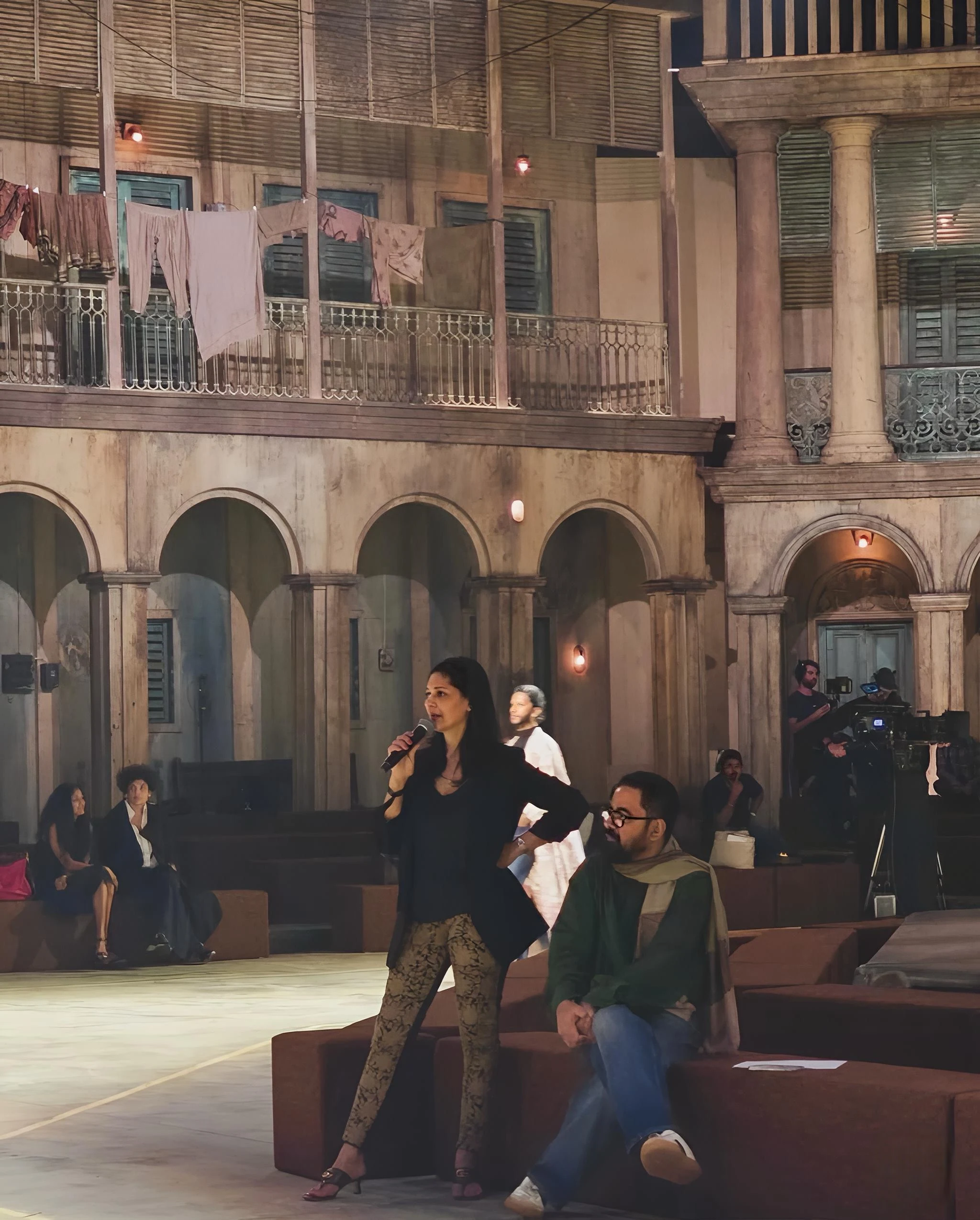
On January 29, 2026, Louis Vuitton staged its Men’s Trunk Show in Mumbai. It was a tightly controlled evening. Unless your name was already printed on a seat, you weren’t getting in.
Inside the venue, the atmosphere carried that familiar pre-show tension. Lighting cues were being tested one last time while production teams moved quickly across the floor, adjusting details the audience would never notice. Pharrell Williams’ soundtrack sat in the show sequence, waiting to take over the room.
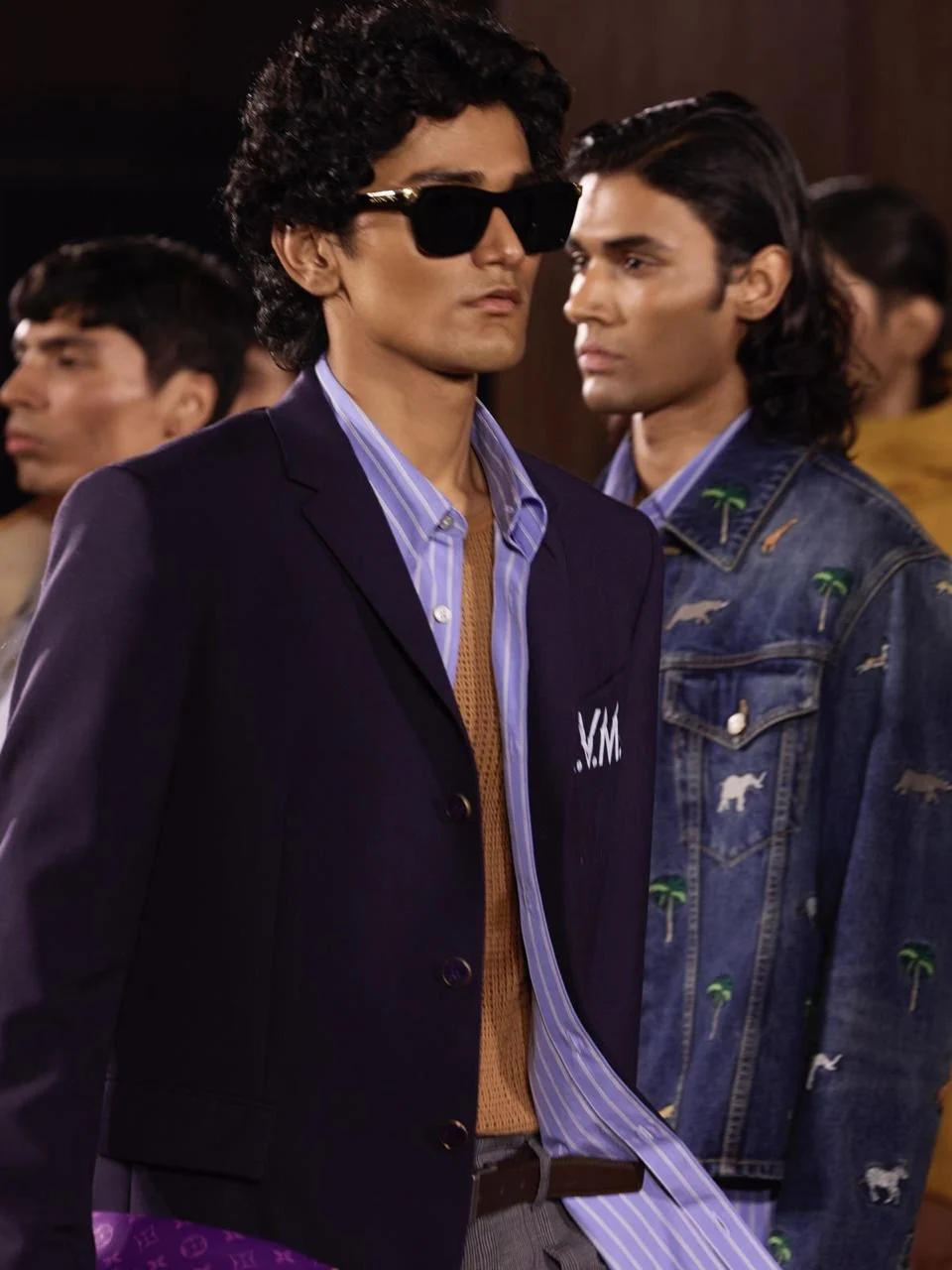
Inside Louis Vuitton trunk show, Mumbai
Fashion shows live in memory as flashes. A celebrity appearing where no one expects them or the final walk that makes the room’s breath stop. What most people don’t notice is the person holding those moments together.
In Indian fashion, that role has often belonged to Anu Ahuja. You may not see her, but every turn, every pause, every cue, every shift in space comes down to her call.
For nearly three decades, Ahuja has orchestrated runway shows across India, collaborating with designers who rarely repeat themselves. One day it’s Sabyasachi, then Gaurav Gupta, Anamika Khanna, Falguni Shane Peacock, and Amit Aggarwal. The brief evolves, and every show starts from scratch.
Ask her what directing a runway looks like, and she reaches for food, not fashion. “In my head, a show is like a dish. You’re the chef, and you need the right ingredients for it to be delicious.” A rare admission in an industry that prefers a single name taking centre stage. Ahuja doesn’t work that way; she’s not interested in pretending she did it alone. She credits the lighting directors, music composers, stylists and makeup and hair teams for holding the show together alongside her.
Months of work. Fifteen minutes under the lights. As Ahuja puts it, “it literally takes a village.”
Her perspective comes from having seen the runway from both sides. Before directing shows, Ahuja was walking them herself. Fashion entered her life through a chance encounter: she bumped into photographer Shantanu Sheorey in a hotel elevator, where he asked to photograph her for the menswear brand Raymonds. They were looking for the next Raymond Girl. Anu agreed; and before she could even decide whether fashion was something she wanted to pursue, she was selected.
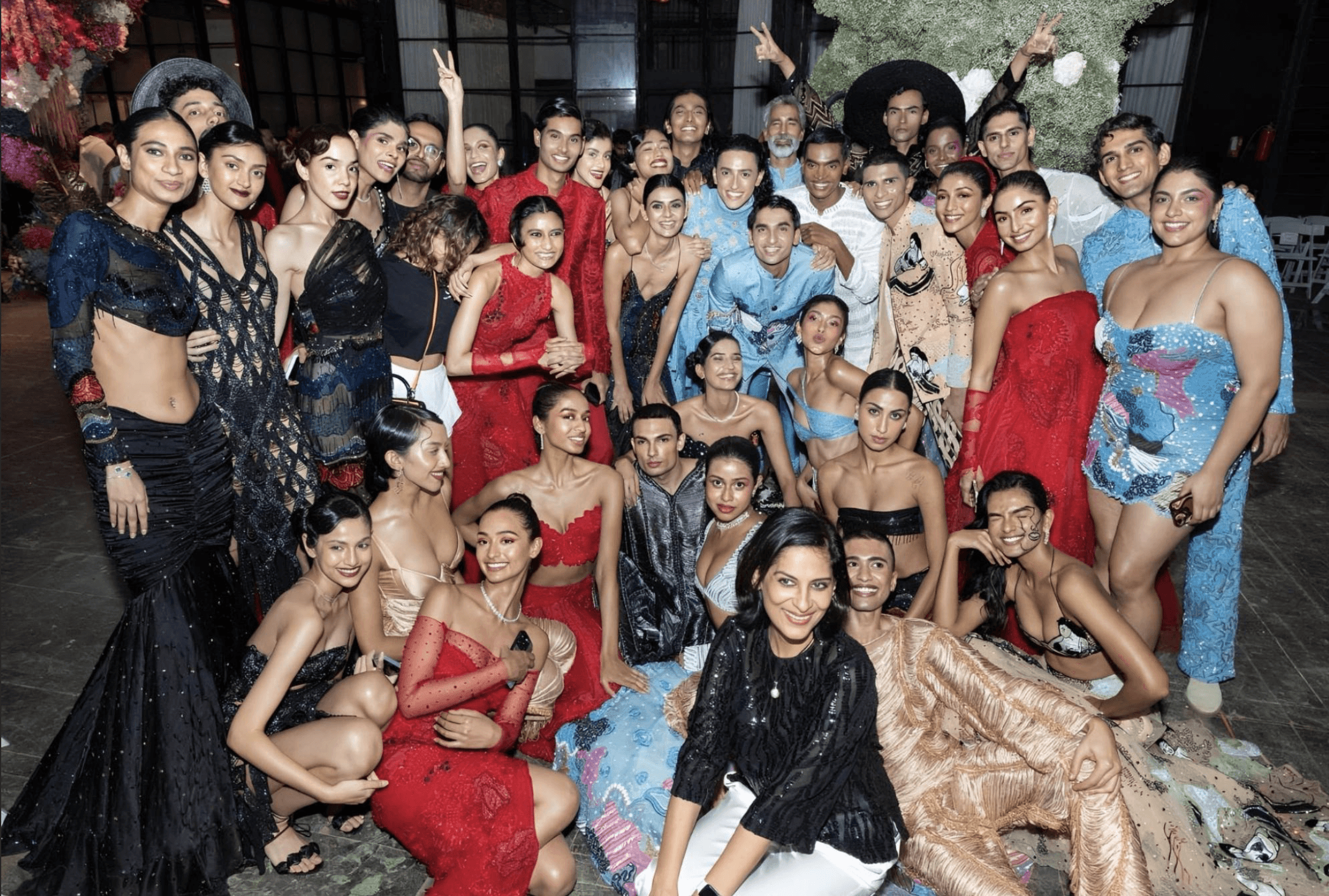
Anu Ahuja with models backstage post-show.
Years later, Raymonds appeared again in Ahuja’s story. This time, not for a campaign. The brand was planning a runway show and needed someone to run it. Ahuja stepped in. She was still modelling then, so it didn’t feel like a career move so much as helping friends pull a show together.
What followed was a surreal role reversal. The models she was now directing backstage were the same friends she had spent years laughing with between shows. Only now she was the one holding the microphone, calling their cues.
"I kept thinking I should just leave the mic and walk," she reflects. Modelling felt easier and familiar; direction demanded new skills.
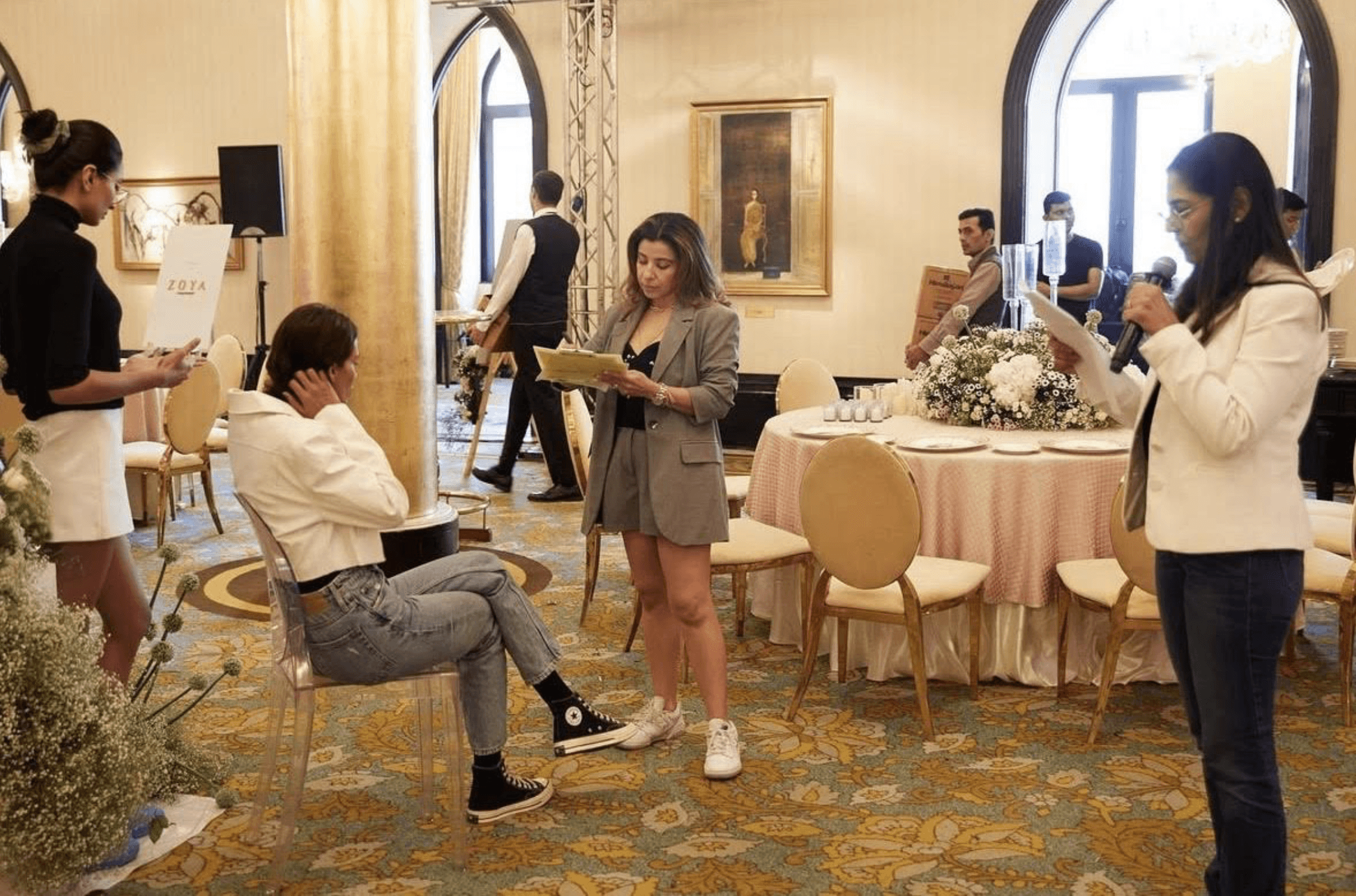
Anu Ahuja in her element
"I realised the scope extended well beyond show direction," she says. Set design became integral. "I absolutely love it," she adds. "I’ve created sets for many of my shows myself."
The result was anything but ordinary. “Anu has an incredible ability to translate the soul of a collection into a living, breathing experience,” says Falguni Shane Peacock. “The pacing of the walk, the music, the energy of the show. Everything feels intentional. It never feels like just a sequence of looks. It feels like a story unfolding.”
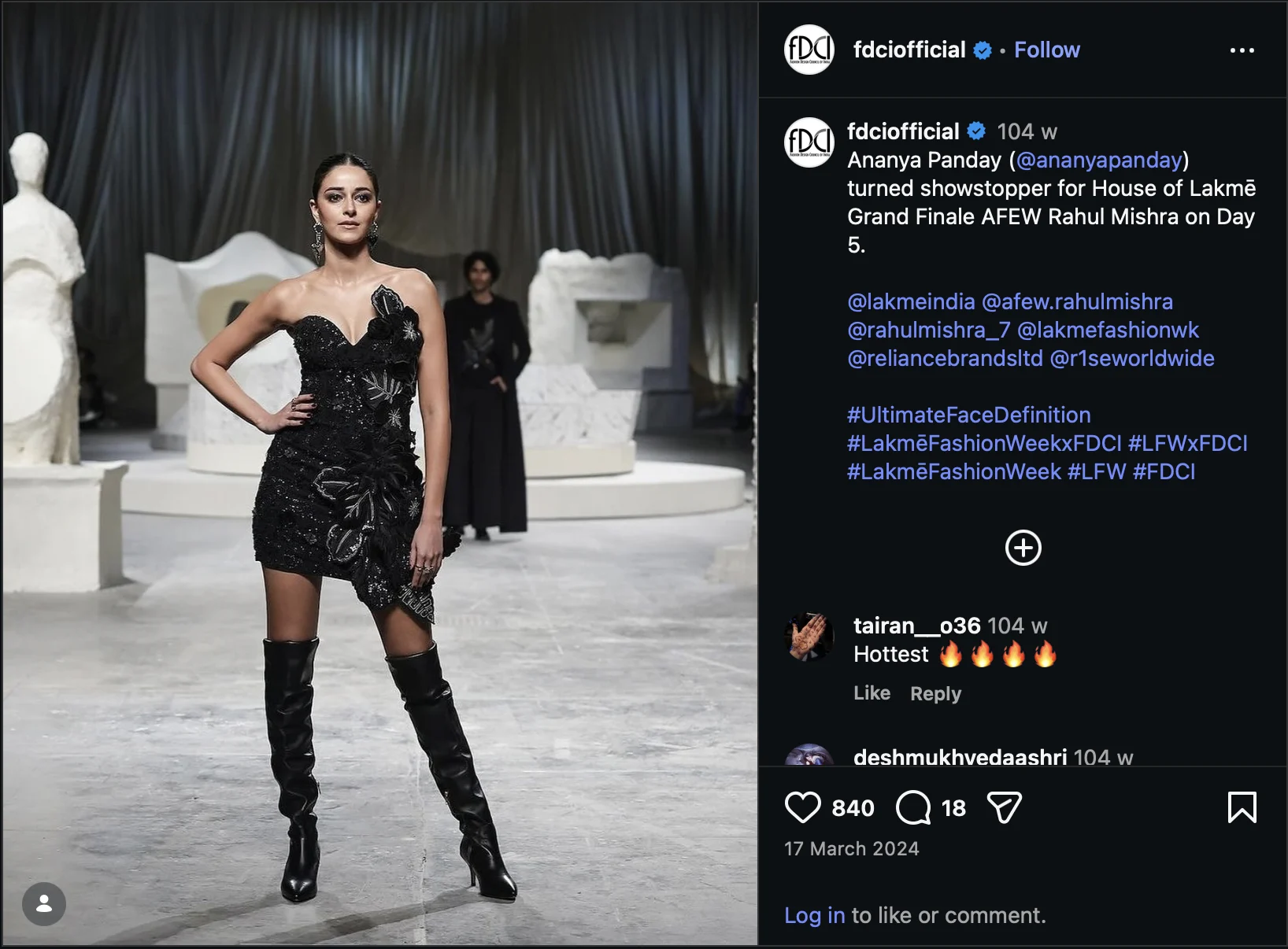
INSTAGRAM LINK : https://www.instagram.com/p/C4n-XnPoGs_/
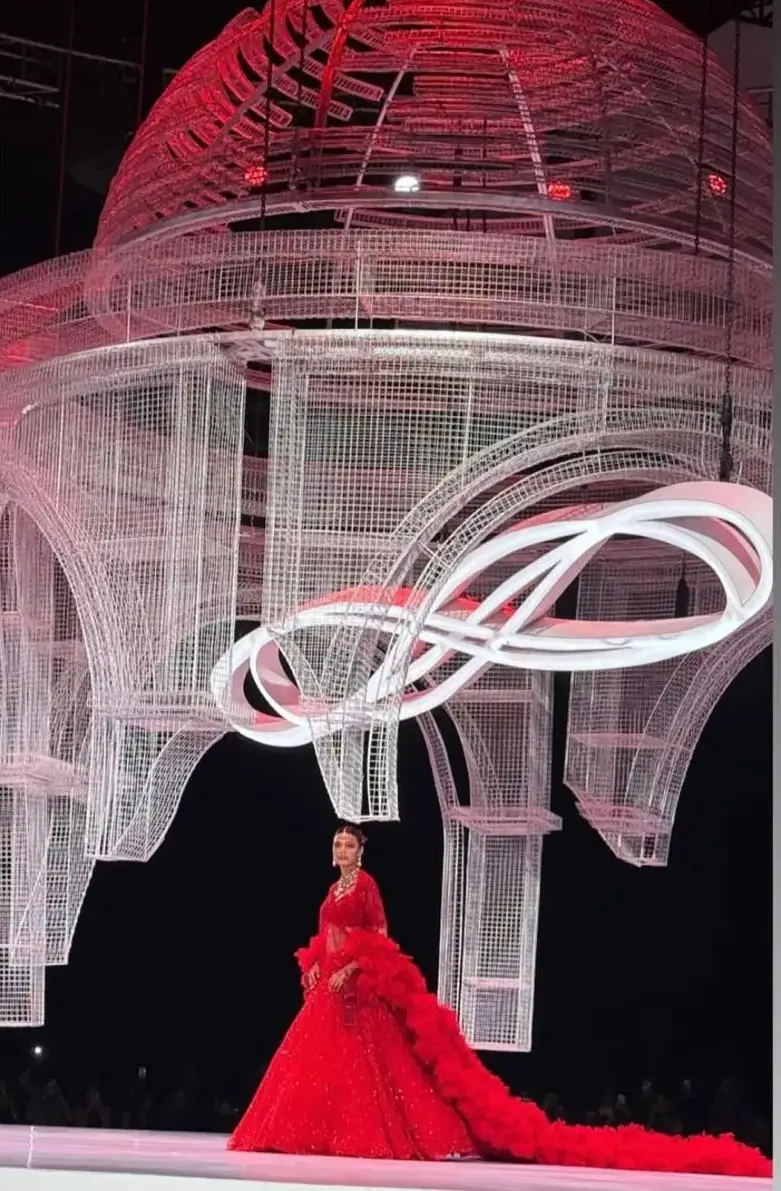
Gaurav Gupta’s first-ever bridal collection with his iconic infinity sign
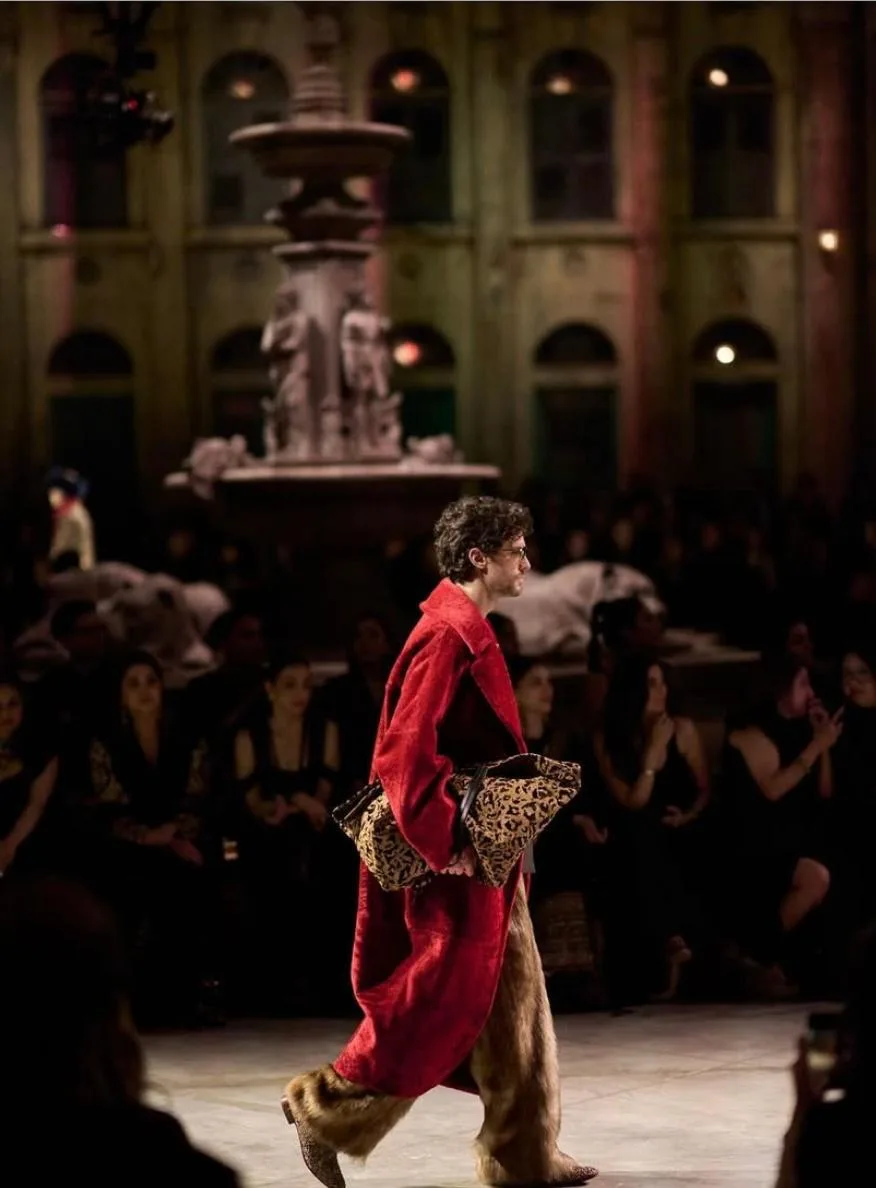
Sabyasachi's 25th Anniversary show, directed by Anu Ahuja
Each designer Anu works with has a distinct identity, whether it's Sabyasachi, Gaurav Gupta, or Amit Aggarwal. She understands their brand and translates their vision into reality with finesse. “What is interesting is her versatility,” says Anamika Khanna, “whether it’s an all-out Indian Anamika show or the quirkiest AK-OK show. She knows her job, people listen, and the best part is she is not afraid to ruffle feathers to get the job done.” from it.
Anu with Sabyasachi ahead of his show.
Image credits: Anu Ahuja
Designers always trust her with their milestone shows. “They go all out. It’s not just the show. It’s the entire evening.” She mentions, reflecting on some iconic anniversary shows she has directed. Like Sabyasachi’s 20th and 25th anniversaries, which focused on his cultural roots and brought familiar faces such as Christy Turlington back to the runway. Gaurav Gupta’s 20-year anniversary, on the other hand, debuted bridal couture in a celebration of modern love.
Over the years, Ahuja has also directed shows across the country’s most recognisable locations. From the Red Fort to the Asiatic steps, the banks of the Sabarmati. Each of these shows carries cultural weight. “I’ve had the pleasure of directing shows in some of the most iconic locations” she says. She is also quick to recall a Shivan & Narresh anniversary show staged in the snow. Scale shifts on nights like these. The show becomes part of something larger, a full environment, not just a runway.
Her ability to hold everything together is what keeps designers coming back. “Working with Anu ensures the show reaches its end in perfection,” says Anamika Khanna.
She’s aware of her perfectionism and laughs at her habit, calling it a “double-edged sword”. At one level, it pushes her to get everything right, but it can also be a curse. “An absolutely fantastic show can be dulled by me noticing one small imperfection”, she adds.
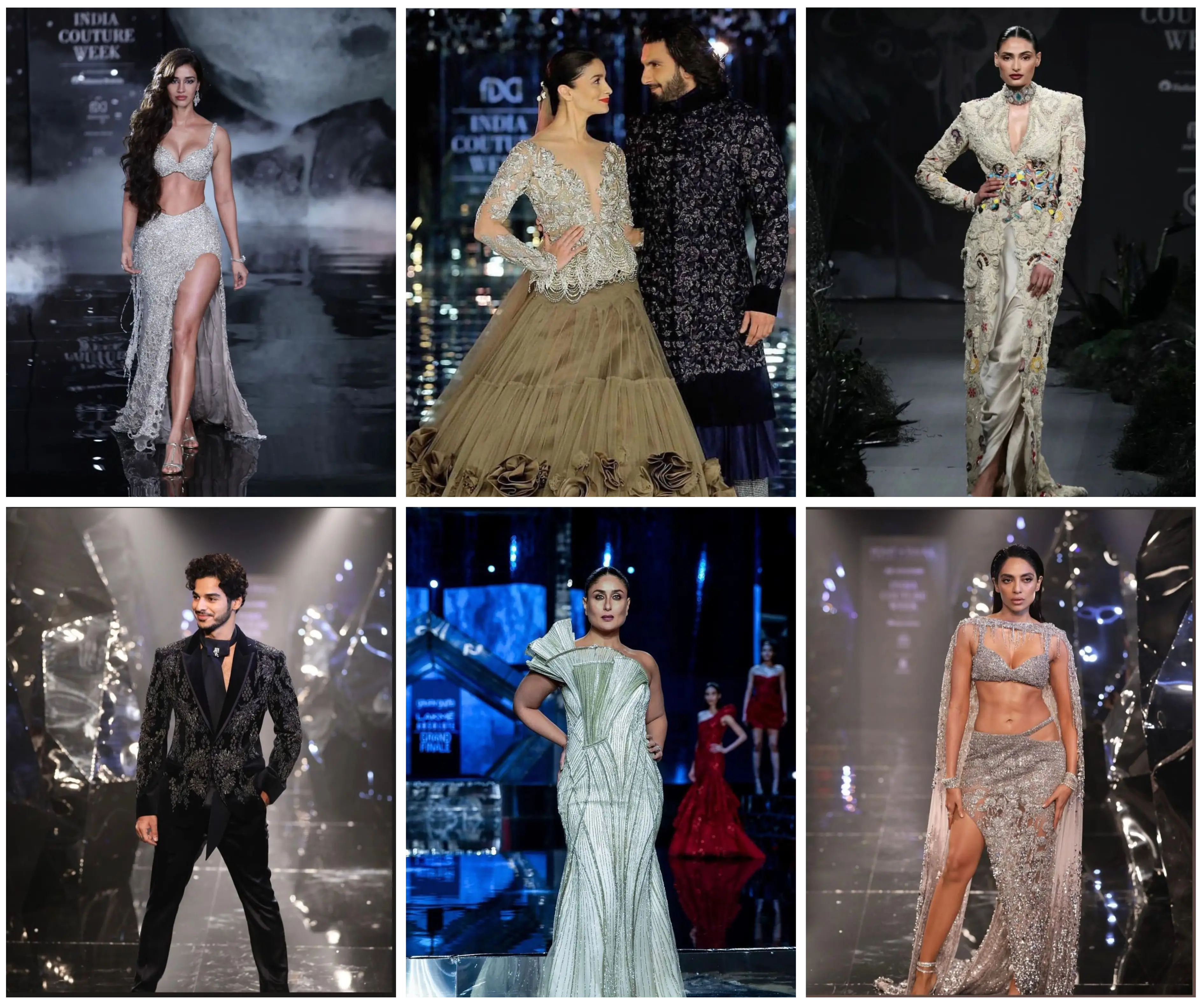
Anu Ahuja’s work with Bollywood’s finest over the years
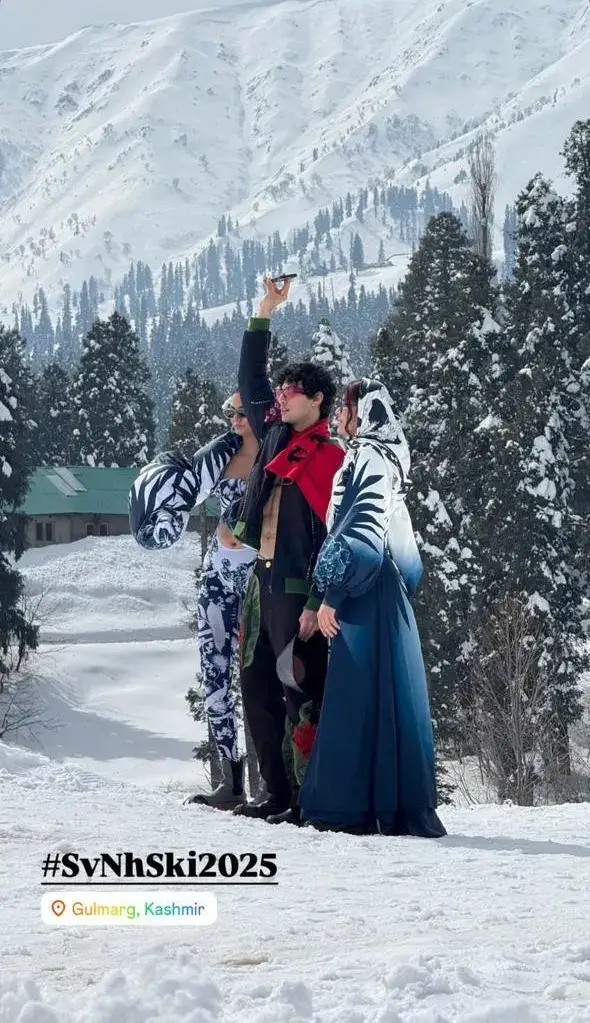
Shivan & Naresh showcase in the snow
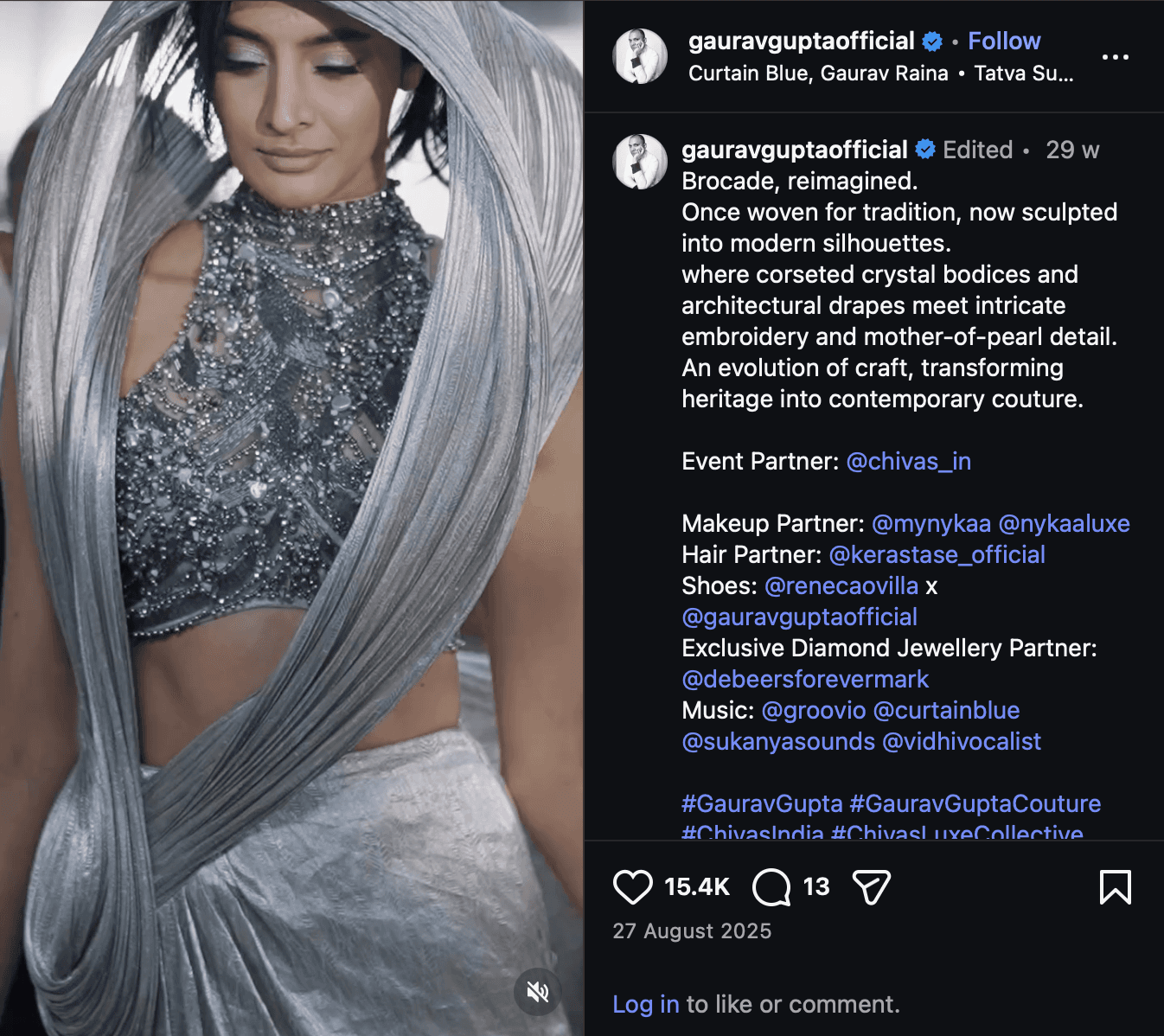
INSTAGRAM : https://www.instagram.com/p/DN3YlgpUtZK/
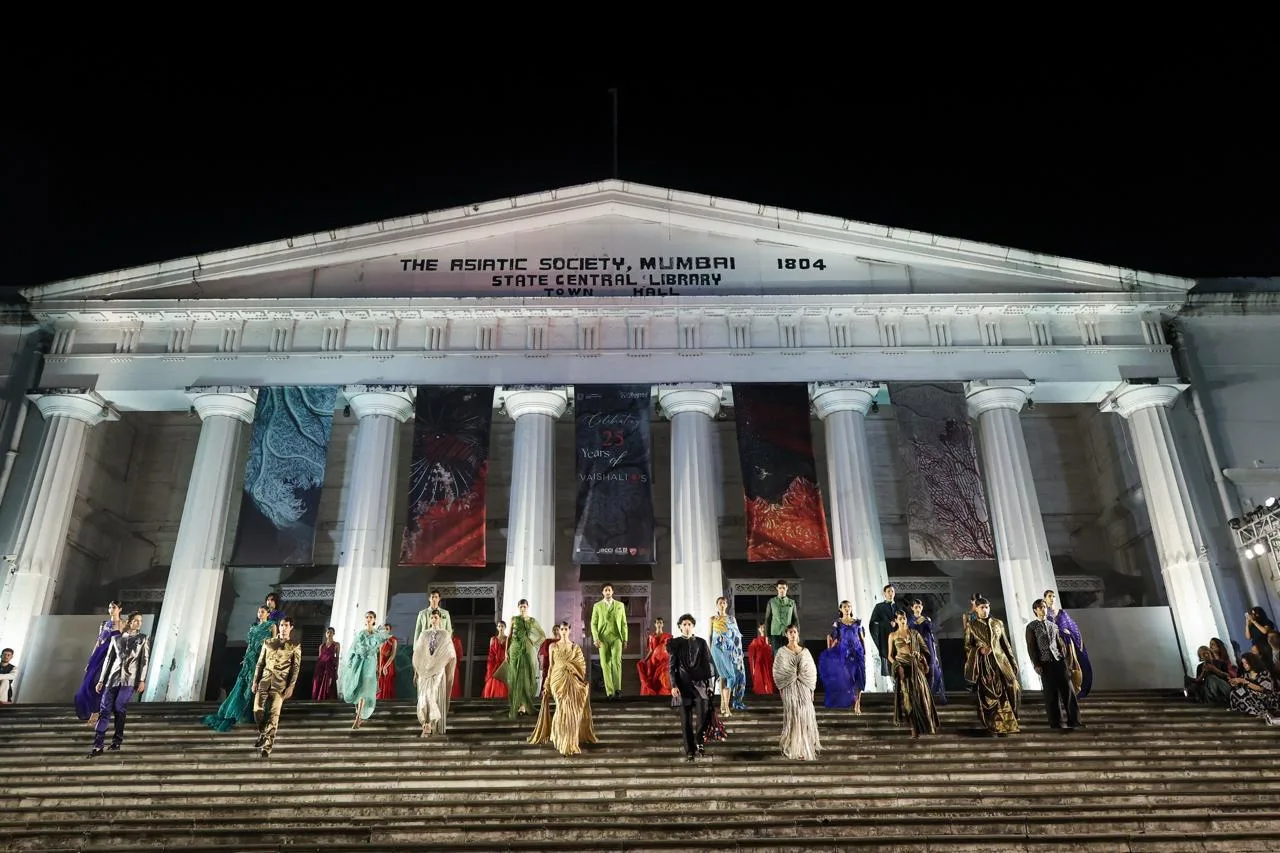
Celebrating 25 years of Vaishali S at the iconic Asiatic Society.
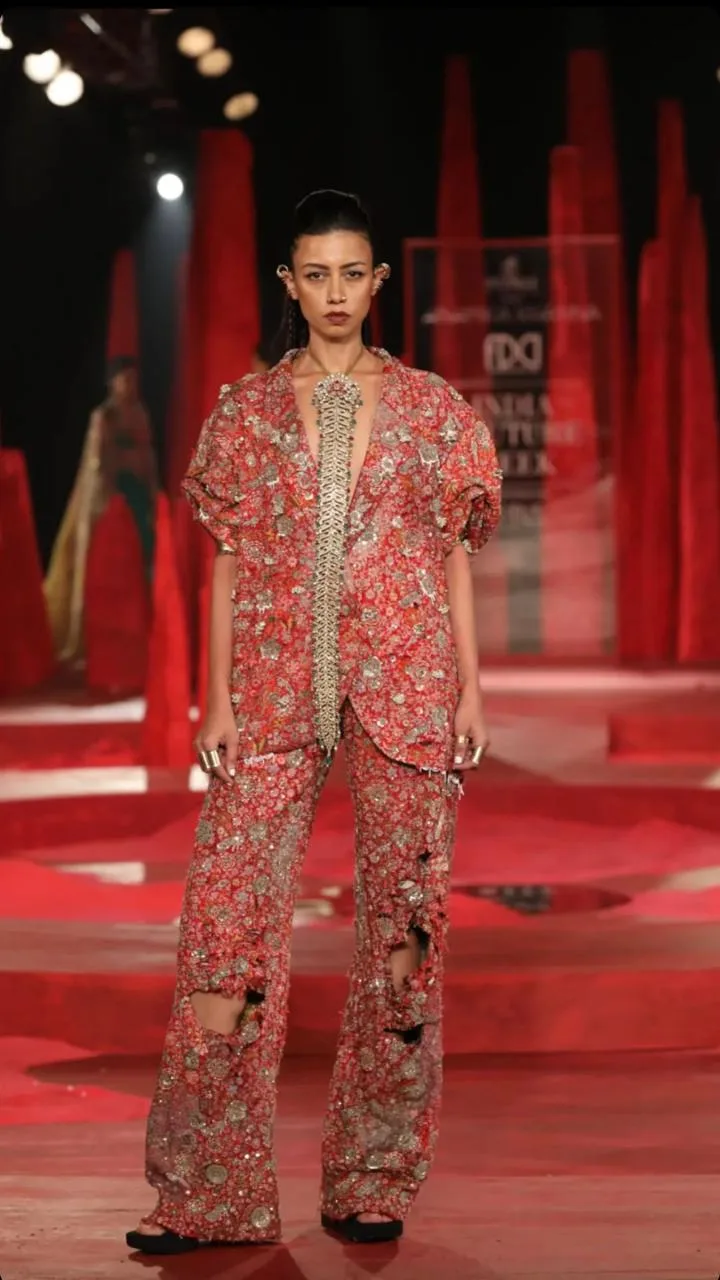
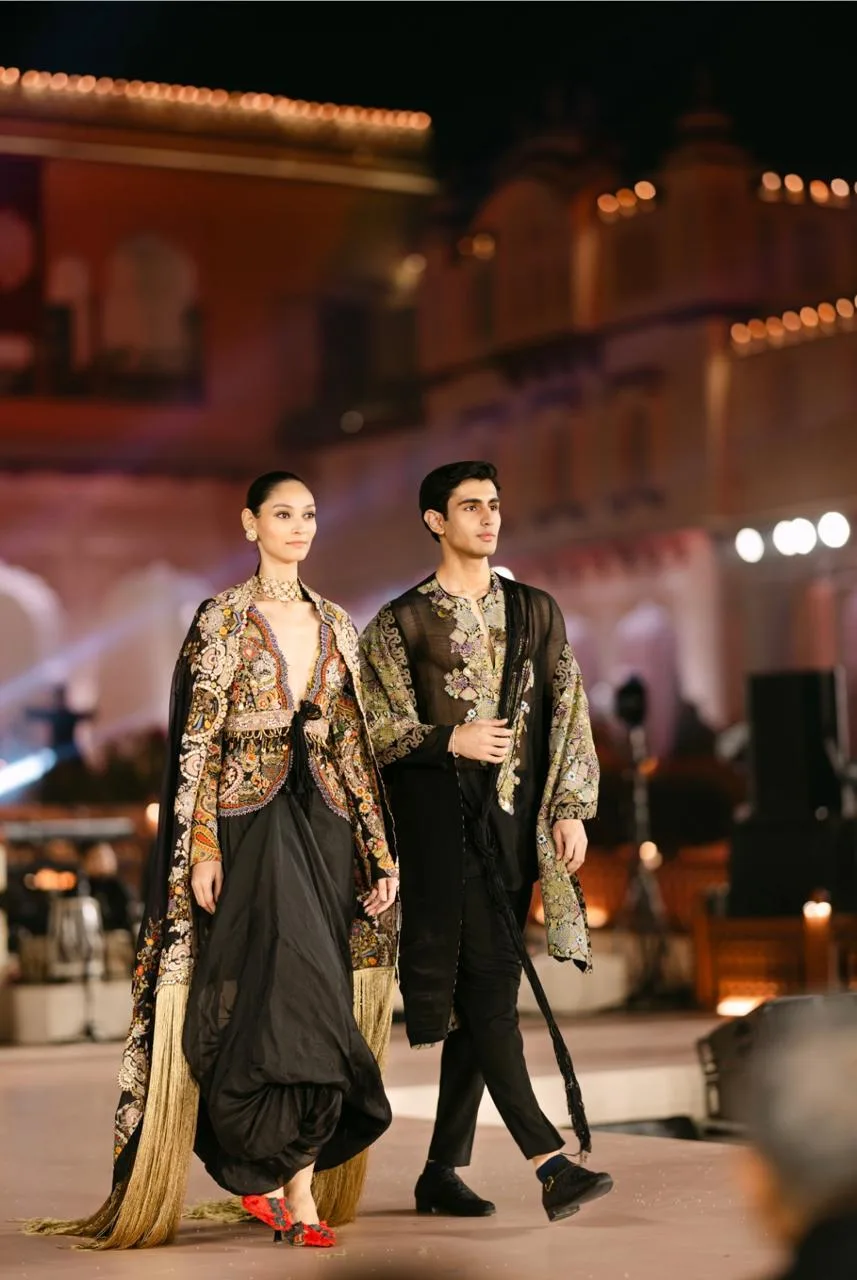
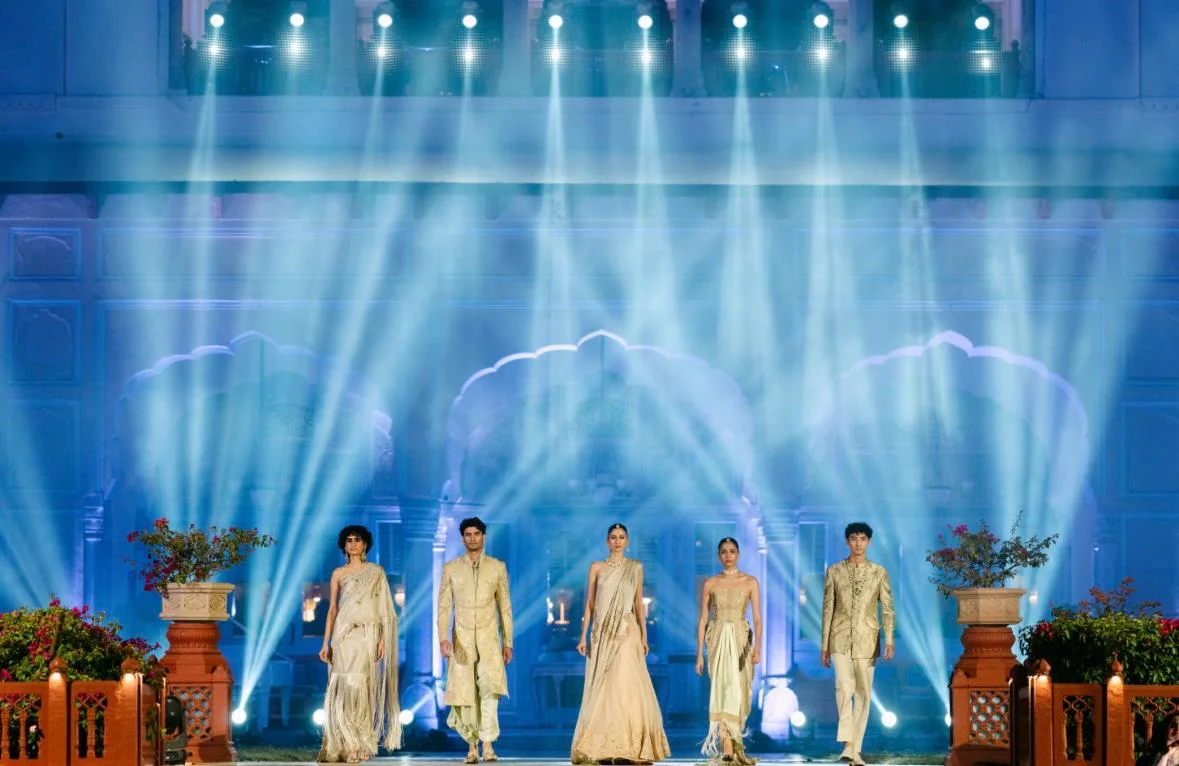
Inside Anamika Khanna’s shows directed by Anu Ahuja.
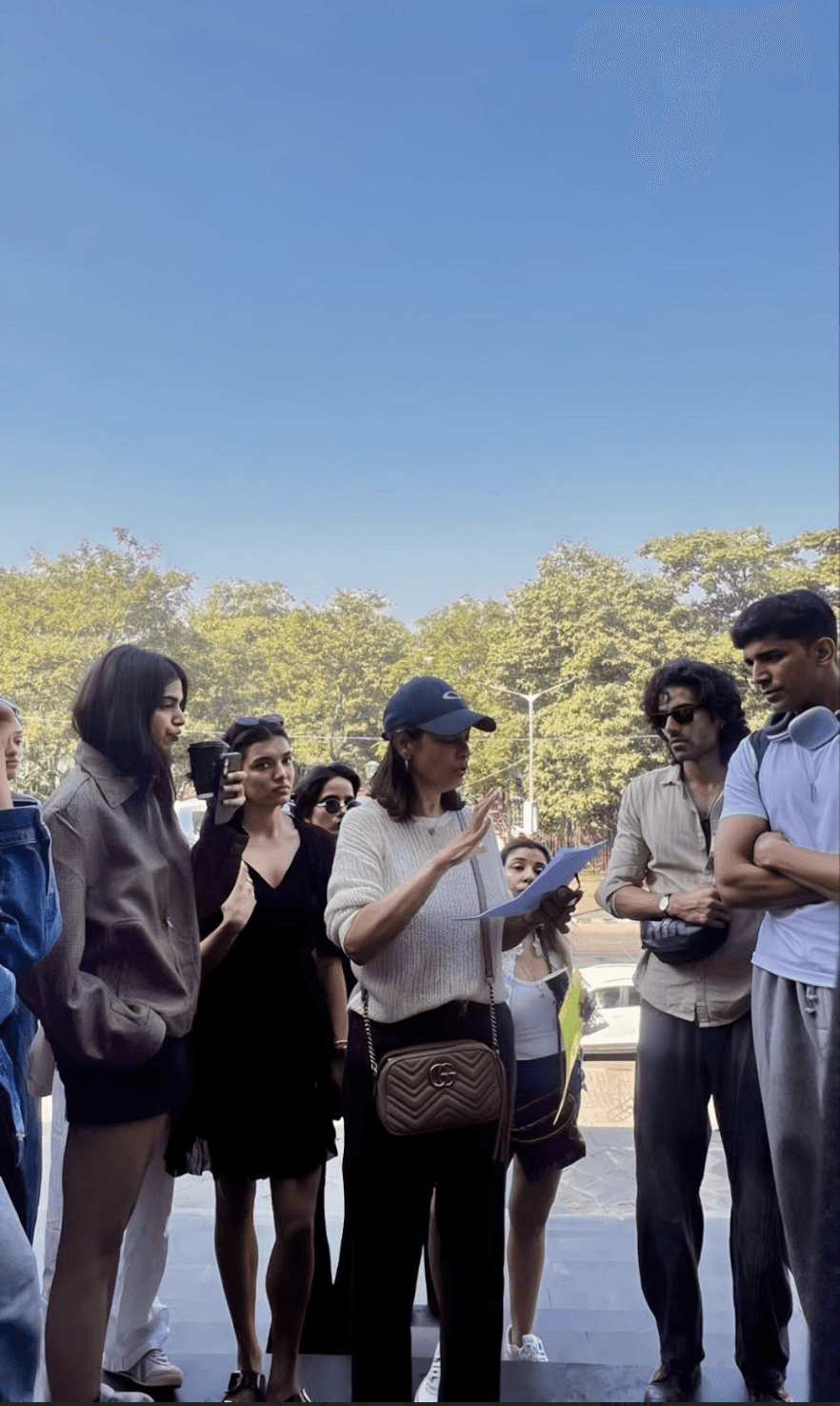
Anu Ahuja at rehearsals
Image credit: Anu Ahuja
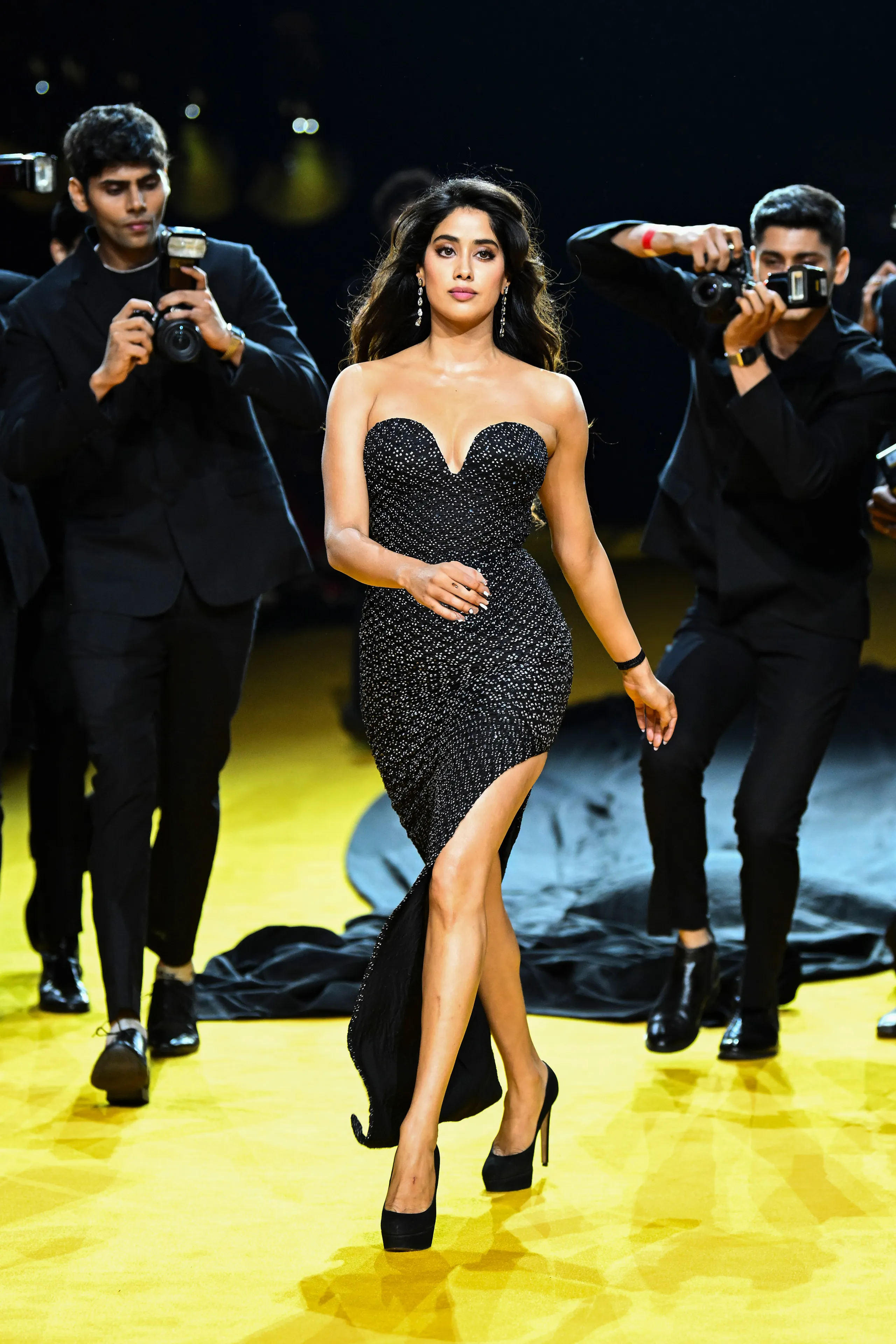
Jhanvi Kapoor for Rahul Mishra, 2025
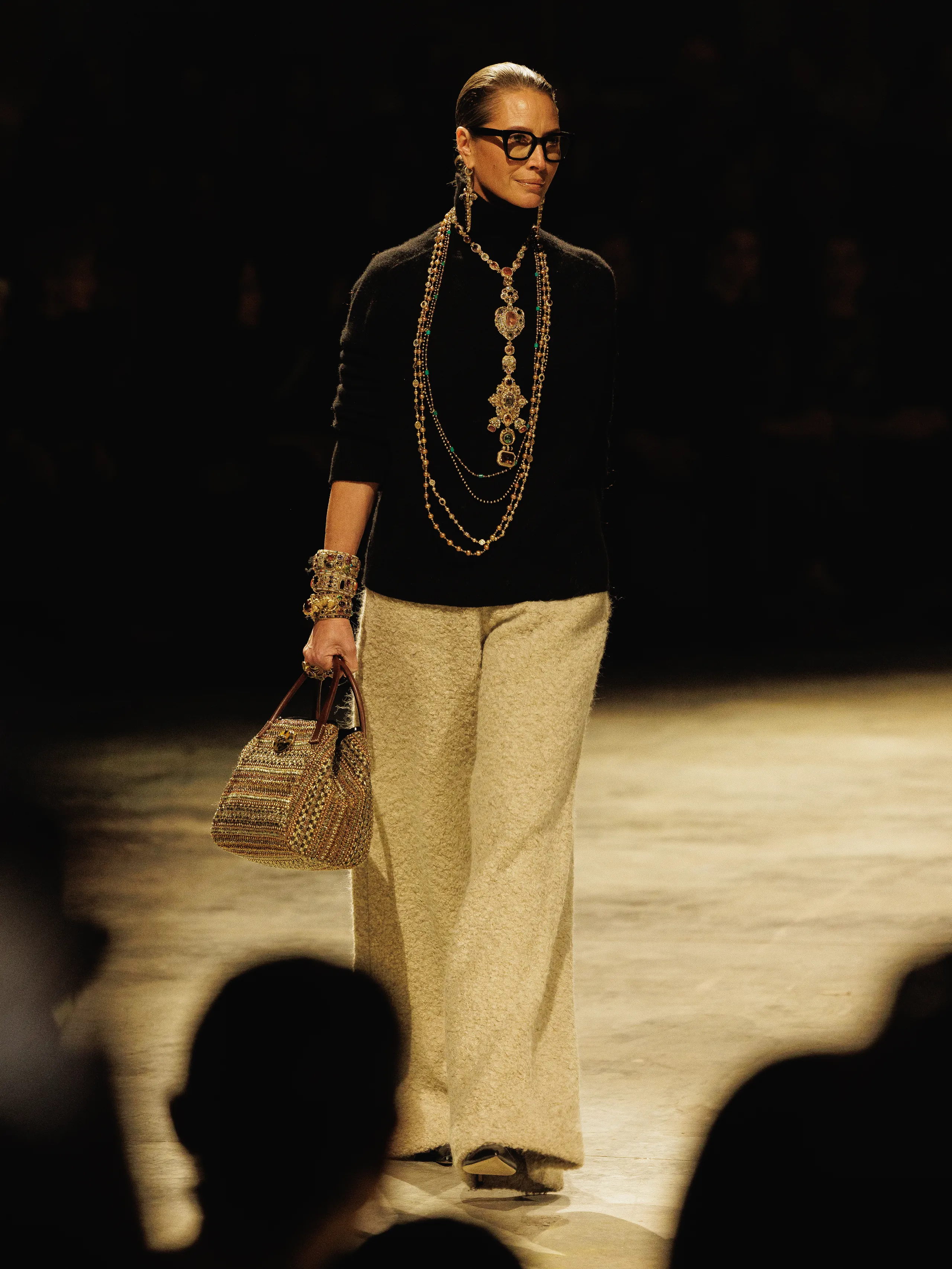
Supermodel Christy Turlington for 25 years of Sabyasachi
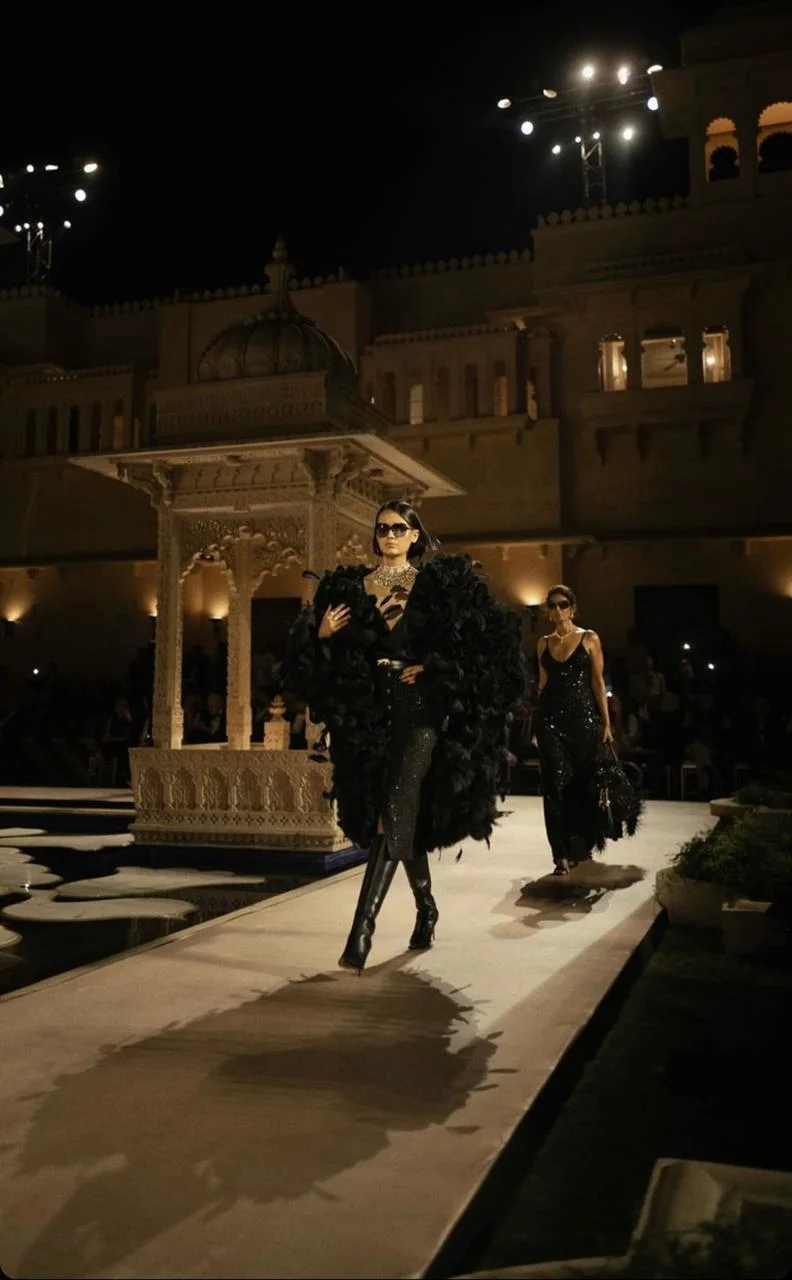
25 years of Sabyasachi
Supermodels are one thing. First-timers are a whole different ball game. For over a decade, Ahuja directed the Femina Miss India pageant. “You’re working with complete newcomers,” she says. “It’s not just about a walk. Everything is rehearsed. " It’s very Bollywood,” she adds. “A full masala entertainment show.”
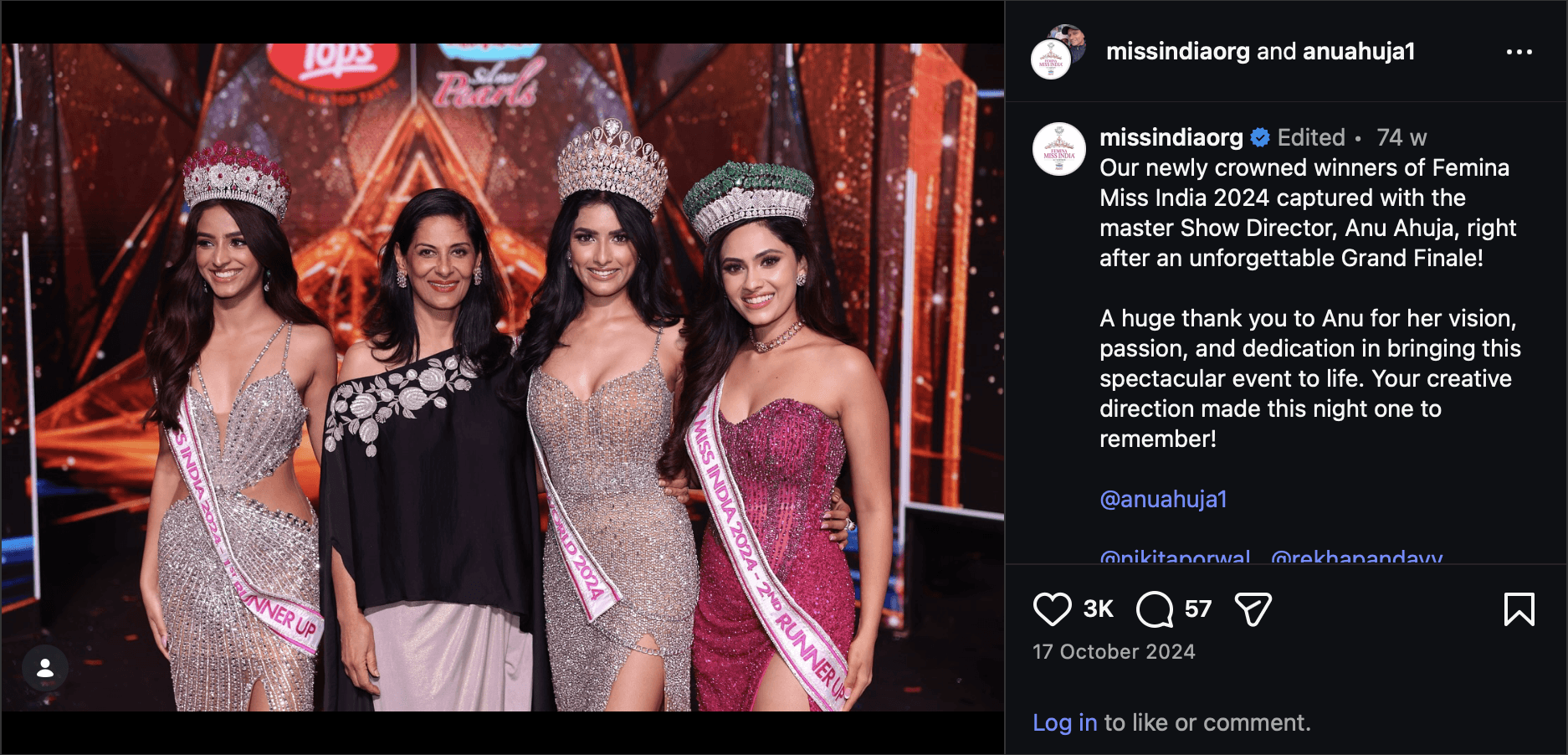
Instagram : https://www.instagram.com/p/DBOsYjENpMJ/
By the time Louis Vuitton came calling, that range of experience spoke for itself. Still, the process was hardly casual. “They went through a series of CVs, interviewed a few directors,” Ahuja says. “When they saw my work, they decided to go with me.”
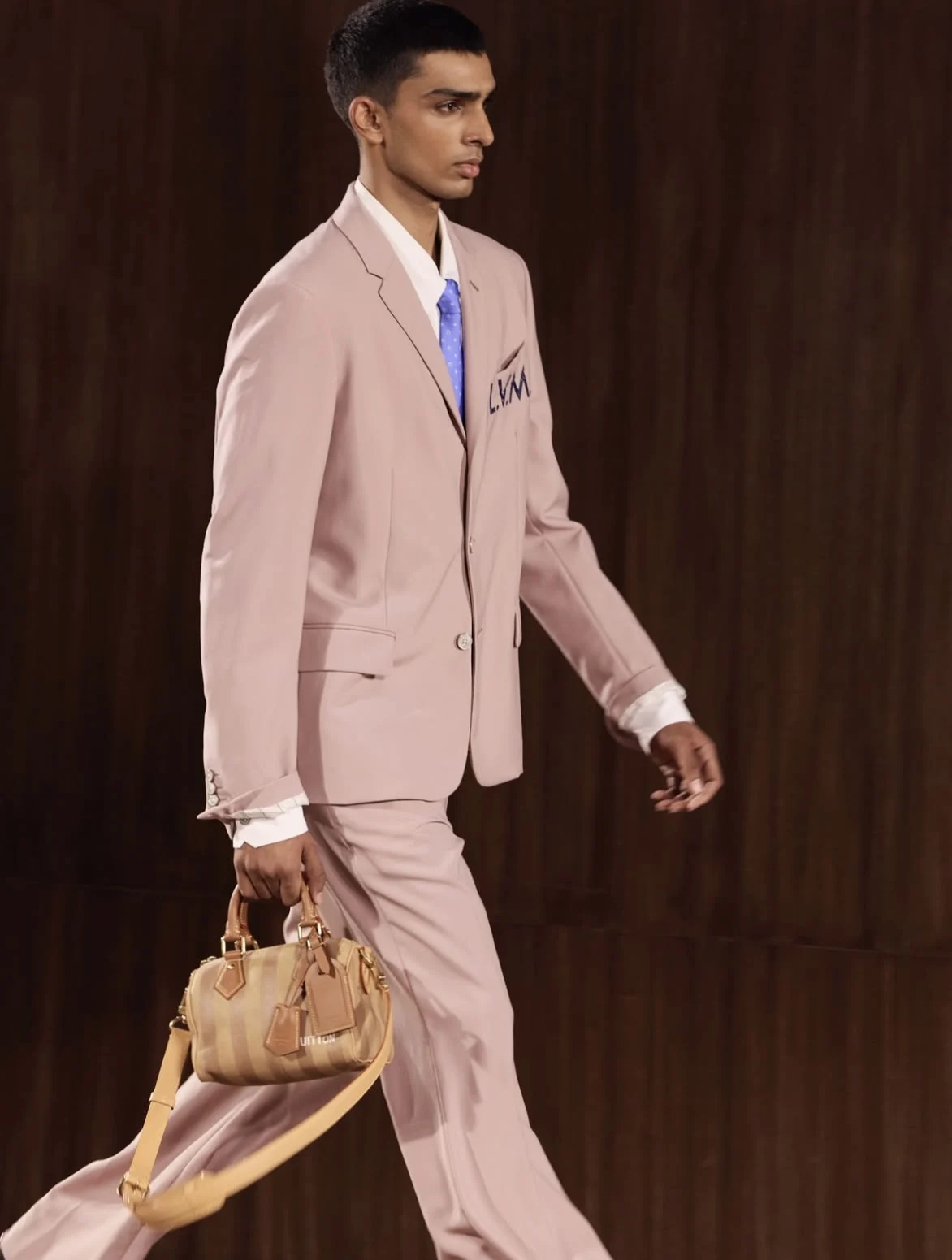
Model stuns for the LV trunk show in Mumbai
The Mumbai presentation was shorter, which meant the music had to change. Ahuja wasn’t afraid to put on her music producer hat: “I edited the music literally bar to bar.” Pharrell had already used a Punjabi track in the international show. For Mumbai, they kept it for the finale. “I was nervous,” Anu admits. “I said, I hope it’s not too performative… too cheesy.”
A no-brainer in hindsight because when has Mumbai ever complained about Punjabi music? “You learn things very subtly,” she says of working with the Louis Vuitton team. “You realise how differently something can be done.”
Fashion loves a front row. But the real action is usually happening twenty steps behind it. Ahuja knows that better than anyone. After nearly three decades, the list of people who trusted her with their shows reads like a roll call of Indian fashion: Sabyasachi, Gaurav Gupta, Anamika Khanna, Rohit Bal, Amit Aggarwal, Rahul Mishra, Tarun Tahiliani, Anita Dongre, Manish Malhotra, Shivan & Narresh, Rimzim Dadu, Falguni Shane Peacock.
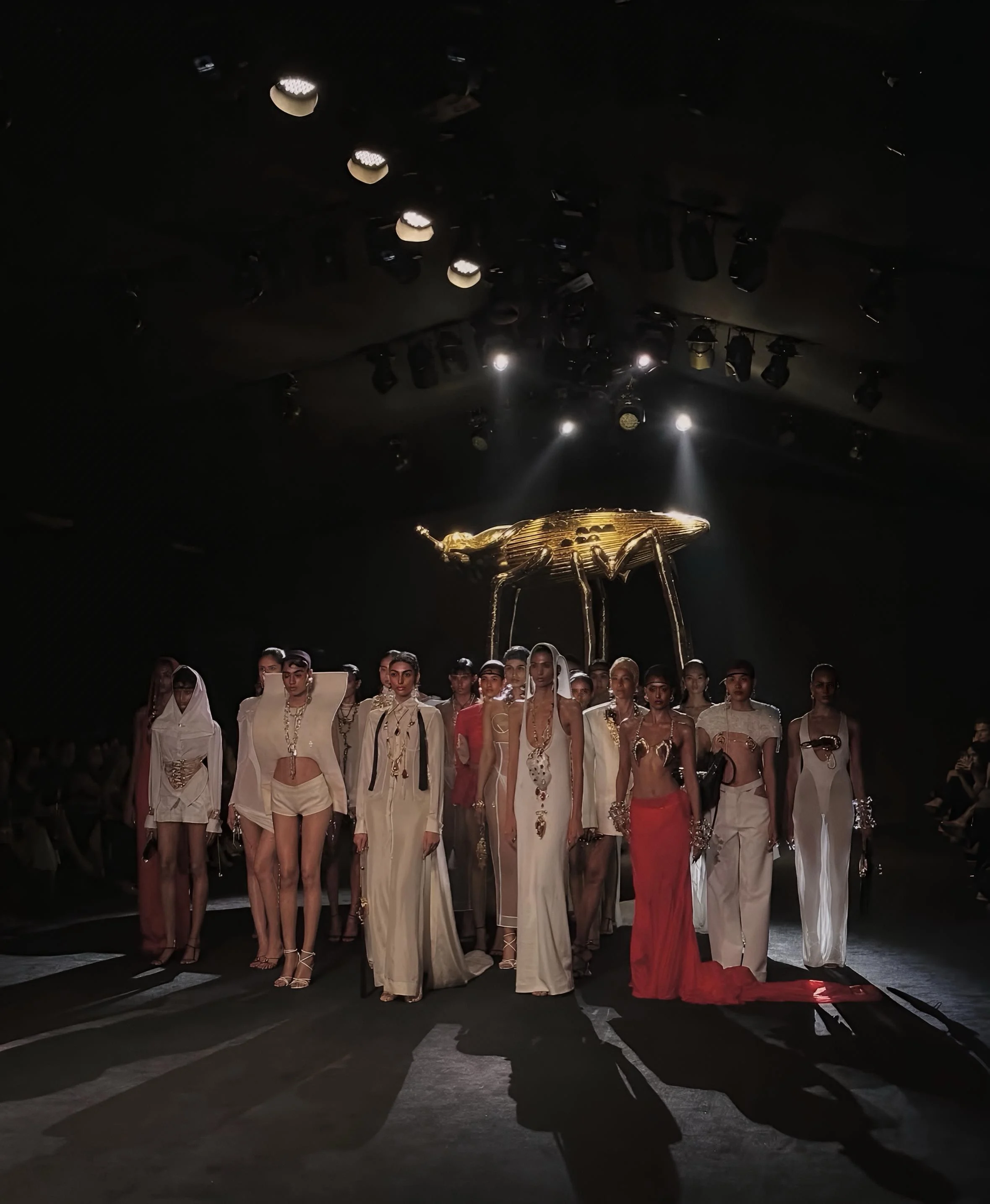
The Koko runway show by Outhouse
Image Credit: Anu Ahuja
She credits her success to many who helped her, including the establishments that built the stage itself. She gives special mention to Mr Sunil Sethi, Chairman of FDCI, Lakme Fashion Week, and the designers who believed in her and gave her opportunities while she was still learning.
“I wouldn’t be where I am without them,” she says. “Designers are the foundation of the fashion industry, and none of us would have a job if it weren't for them”
Behind the scenes, the work still looks deceptively simple. A microphone. A lineup. A final glance at the lights before the room fills. Then the music begins. And somewhere just out of sight, Anu Ahuja is doing what she has done for nearly three decades: making sure everything happens exactly when it should.
TO BE CONTINUED, FOR SUBSCRIBERS ONLY.
This is where the surface ends and the reporting begins.
The complete piece, the full archive, and access to The French Press Circle. Reporting answerable only to its readers.
Already a subscriber ?
Login
Read these on the house, with our compliments.
A selection from the current issue, open to all readers. Read them in full. The rest is one decision away.




On January 29, 2026, Louis Vuitton staged its Men’s Trunk Show in Mumbai. It was a tightly controlled evening. Unless your name was already printed on a seat, you weren’t getting in.
Inside the venue, the atmosphere carried that familiar pre-show tension. Lighting cues were being tested one last time while production teams moved quickly across the floor, adjusting details the audience would never notice. Pharrell Williams’ soundtrack sat in the show sequence, waiting to take over the room.
Inside Louis Vuitton trunk show, Mumbai
Fashion shows live in memory as flashes. A celebrity appearing where no one expects them or the final walk that makes the room’s breath stop. What most people don’t notice is the person holding those moments together.
In Indian fashion, that role has often belonged to Anu Ahuja. You may not see her, but every turn, every pause, every cue, every shift in space comes down to her call.
For nearly three decades, Ahuja has orchestrated runway shows across India, collaborating with designers who rarely repeat themselves. One day it’s Sabyasachi, then Gaurav Gupta, Anamika Khanna, Falguni Shane Peacock, and Amit Aggarwal. The brief evolves, and every show starts from scratch.
Ask her what directing a runway looks like, and she reaches for food, not fashion. “In my head, a show is like a dish. You’re the chef, and you need the right ingredients for it to be delicious.” A rare admission in an industry that prefers a single name taking centre stage. Ahuja doesn’t work that way; she’s not interested in pretending she did it alone. She credits the lighting directors, music composers, stylists and makeup and hair teams for holding the show together alongside her.
Months of work. Fifteen minutes under the lights. As Ahuja puts it, “it literally takes a village.”
Her perspective comes from having seen the runway from both sides. Before directing shows, Ahuja was walking them herself. Fashion entered her life through a chance encounter: she bumped into photographer Shantanu Sheorey in a hotel elevator, where he asked to photograph her for the menswear brand Raymonds. They were looking for the next Raymond Girl. Anu agreed; and before she could even decide whether fashion was something she wanted to pursue, she was selected.
Anu Ahuja with models backstage post-show.
Years later, Raymonds appeared again in Ahuja’s story. This time, not for a campaign. The brand was planning a runway show and needed someone to run it. Ahuja stepped in. She was still modelling then, so it didn’t feel like a career move so much as helping friends pull a show together.
What followed was a surreal role reversal. The models she was now directing backstage were the same friends she had spent years laughing with between shows. Only now she was the one holding the microphone, calling their cues.
"I kept thinking I should just leave the mic and walk," she reflects. Modelling felt easier and familiar; direction demanded new skills.
Anu Ahuja in her element
"I realised the scope extended well beyond show direction," she says. Set design became integral. "I absolutely love it," she adds. "I’ve created sets for many of my shows myself."
The result was anything but ordinary. “Anu has an incredible ability to translate the soul of a collection into a living, breathing experience,” says Falguni Shane Peacock. “The pacing of the walk, the music, the energy of the show. Everything feels intentional. It never feels like just a sequence of looks. It feels like a story unfolding.”
INSTAGRAM LINK : https://www.instagram.com/p/C4n-XnPoGs_/
Gaurav Gupta’s first-ever bridal collection with his iconic infinity sign
Sabyasachi's 25th Anniversary show, directed by Anu Ahuja
Each designer Anu works with has a distinct identity, whether it's Sabyasachi, Gaurav Gupta, or Amit Aggarwal. She understands their brand and translates their vision into reality with finesse. “What is interesting is her versatility,” says Anamika Khanna, “whether it’s an all-out Indian Anamika show or the quirkiest AK-OK show. She knows her job, people listen, and the best part is she is not afraid to ruffle feathers to get the job done.” from it.
Anu with Sabyasachi ahead of his show.
Image credits: Anu Ahuja
Designers always trust her with their milestone shows. “They go all out. It’s not just the show. It’s the entire evening.” She mentions, reflecting on some iconic anniversary shows she has directed. Like Sabyasachi’s 20th and 25th anniversaries, which focused on his cultural roots and brought familiar faces such as Christy Turlington back to the runway. Gaurav Gupta’s 20-year anniversary, on the other hand, debuted bridal couture in a celebration of modern love.
Over the years, Ahuja has also directed shows across the country’s most recognisable locations. From the Red Fort to the Asiatic steps, the banks of the Sabarmati. Each of these shows carries cultural weight. “I’ve had the pleasure of directing shows in some of the most iconic locations” she says. She is also quick to recall a Shivan & Narresh anniversary show staged in the snow. Scale shifts on nights like these. The show becomes part of something larger, a full environment, not just a runway.
Her ability to hold everything together is what keeps designers coming back. “Working with Anu ensures the show reaches its end in perfection,” says Anamika Khanna.
She’s aware of her perfectionism and laughs at her habit, calling it a “double-edged sword”. At one level, it pushes her to get everything right, but it can also be a curse. “An absolutely fantastic show can be dulled by me noticing one small imperfection”, she adds.
Anu Ahuja’s work with Bollywood’s finest over the years
Shivan & Naresh showcase in the snow
INSTAGRAM : https://www.instagram.com/p/DN3YlgpUtZK/
Celebrating 25 years of Vaishali S at the iconic Asiatic Society.
Inside Anamika Khanna’s shows directed by Anu Ahuja.
Anu Ahuja at rehearsals
Image credit: Anu Ahuja
Jhanvi Kapoor for Rahul Mishra, 2025
Supermodel Christy Turlington for 25 years of Sabyasachi
25 years of Sabyasachi
Supermodels are one thing. First-timers are a whole different ball game. For over a decade, Ahuja directed the Femina Miss India pageant. “You’re working with complete newcomers,” she says. “It’s not just about a walk. Everything is rehearsed. " It’s very Bollywood,” she adds. “A full masala entertainment show.”
Instagram : https://www.instagram.com/p/DBOsYjENpMJ/
By the time Louis Vuitton came calling, that range of experience spoke for itself. Still, the process was hardly casual. “They went through a series of CVs, interviewed a few directors,” Ahuja says. “When they saw my work, they decided to go with me.”
Model stuns for the LV trunk show in Mumbai
The Mumbai presentation was shorter, which meant the music had to change. Ahuja wasn’t afraid to put on her music producer hat: “I edited the music literally bar to bar.” Pharrell had already used a Punjabi track in the international show. For Mumbai, they kept it for the finale. “I was nervous,” Anu admits. “I said, I hope it’s not too performative… too cheesy.”
A no-brainer in hindsight because when has Mumbai ever complained about Punjabi music? “You learn things very subtly,” she says of working with the Louis Vuitton team. “You realise how differently something can be done.”
Fashion loves a front row. But the real action is usually happening twenty steps behind it. Ahuja knows that better than anyone. After nearly three decades, the list of people who trusted her with their shows reads like a roll call of Indian fashion: Sabyasachi, Gaurav Gupta, Anamika Khanna, Rohit Bal, Amit Aggarwal, Rahul Mishra, Tarun Tahiliani, Anita Dongre, Manish Malhotra, Shivan & Narresh, Rimzim Dadu, Falguni Shane Peacock.
The Koko runway show by Outhouse
Image Credit: Anu Ahuja
She credits her success to many who helped her, including the establishments that built the stage itself. She gives special mention to Mr Sunil Sethi, Chairman of FDCI, Lakme Fashion Week, and the designers who believed in her and gave her opportunities while she was still learning.
“I wouldn’t be where I am without them,” she says. “Designers are the foundation of the fashion industry, and none of us would have a job if it weren't for them”
Behind the scenes, the work still looks deceptively simple. A microphone. A lineup. A final glance at the lights before the room fills. Then the music begins. And somewhere just out of sight, Anu Ahuja is doing what she has done for nearly three decades: making sure everything happens exactly when it should.
TO BE CONTINUED, FOR SUBSCRIBERS ONLY.
This is where the surface ends and the reporting begins.
The complete piece, the full archive, and access to The French Press Circle. Reporting answerable only to its readers.
Already a subscriber ?
Login
Read these on the house, with our compliments.
A selection from the current issue, open to all readers. Read them in full. The rest is one decision away.