The Archive That Prints the Future
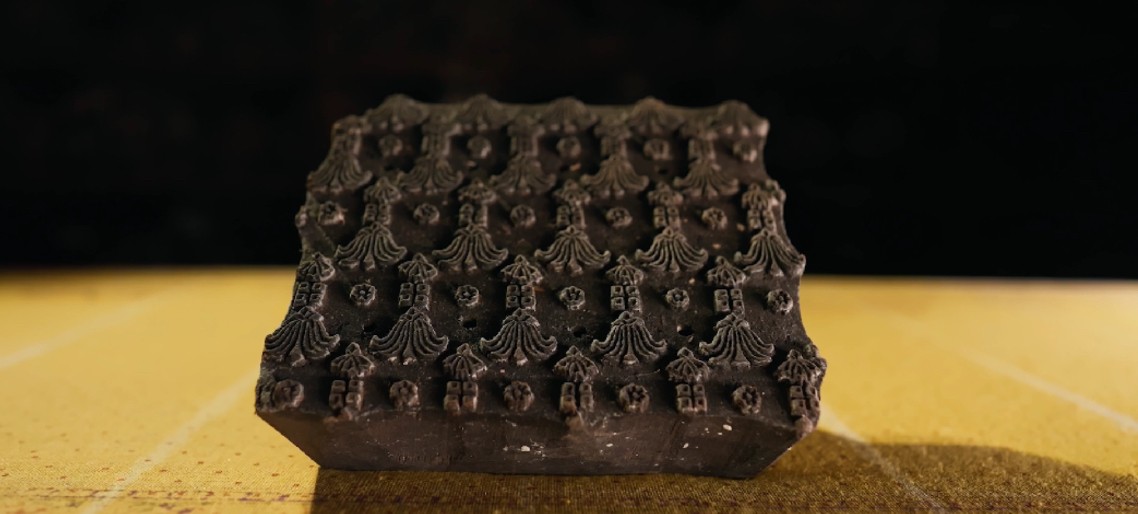
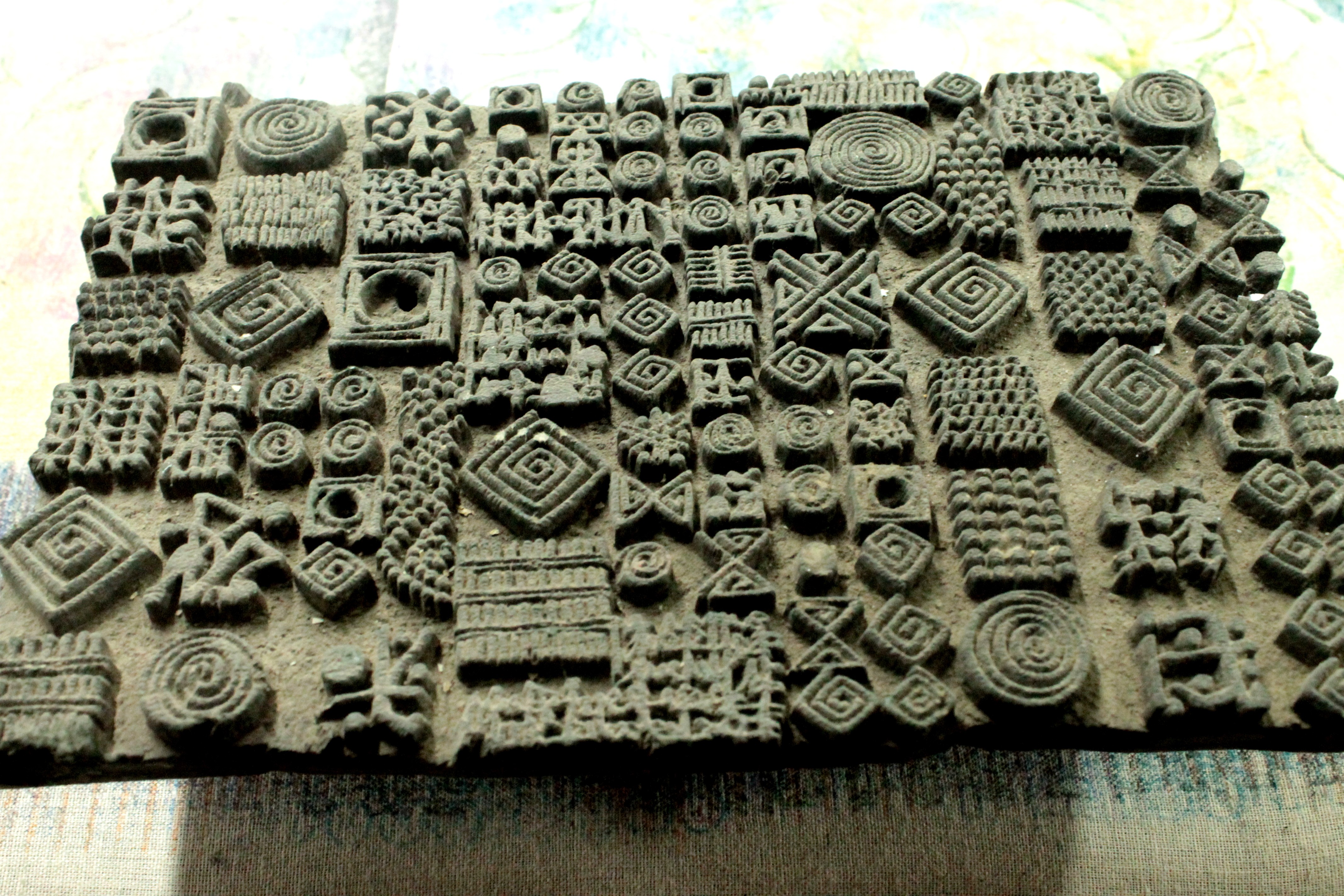
My father can still identify many of our printing blocks entirely from memory. Each design in our archive is coded, and he remembers them almost instinctively. My father, Daddu, as I call him, will pick one up and immediately recognise whether it belongs to the A series of borders, the Z series of geometric patterns, or the “+” marked codes of older floral repeats.
For him, these blocks extend far beyond objects. They form a visual language he has lived with his entire life, a discreet family lingo that only we fully understand.
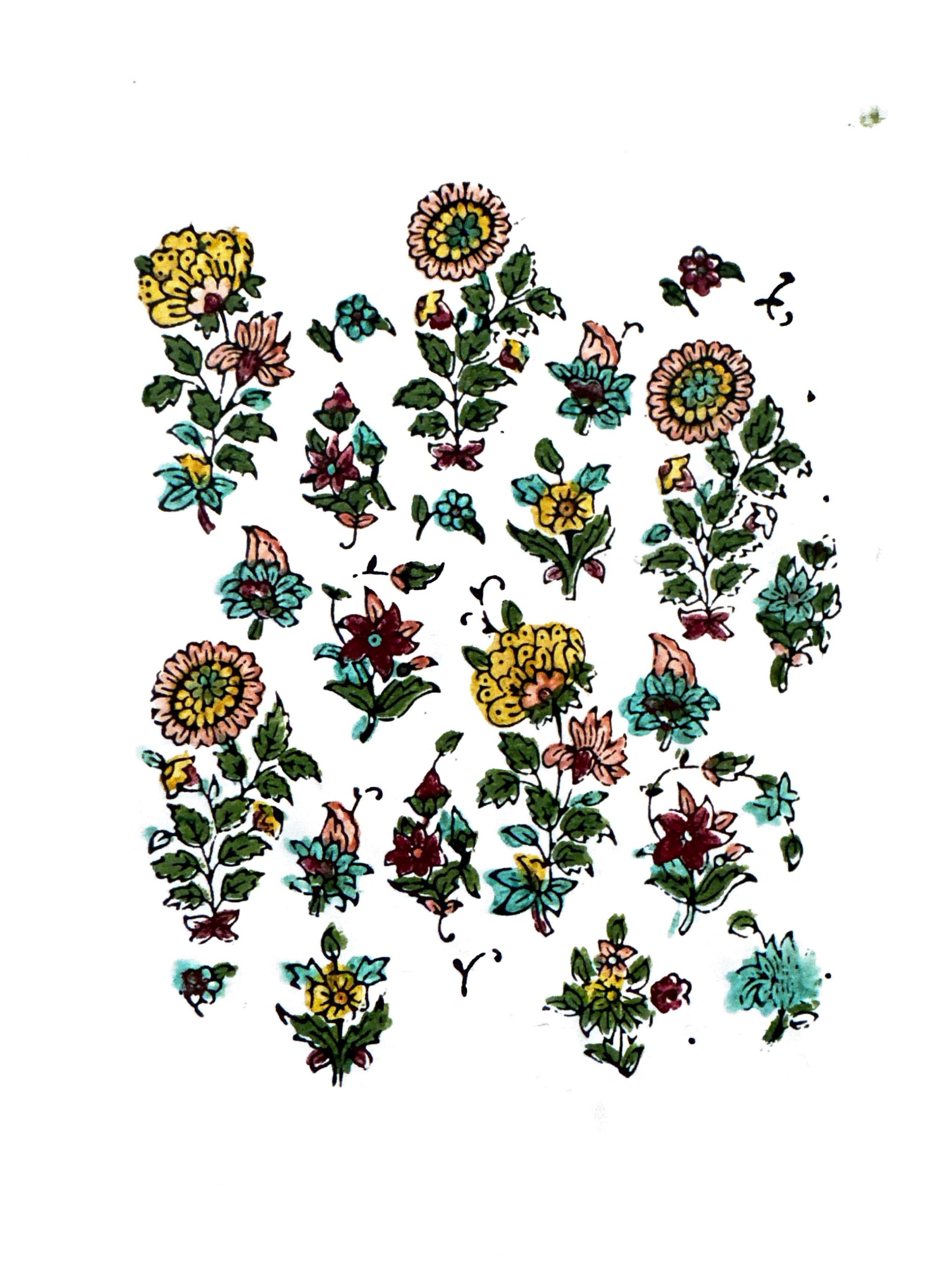
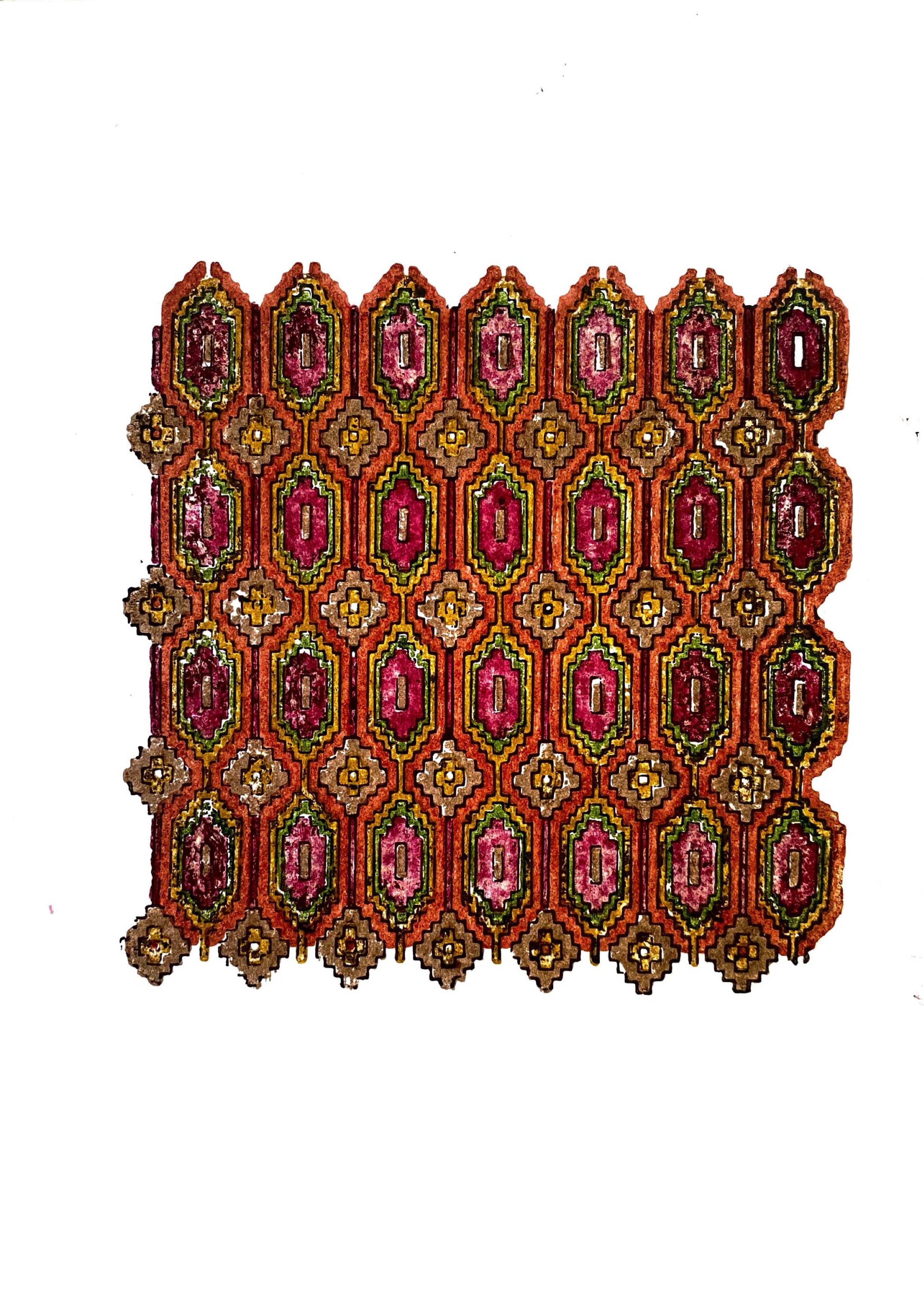
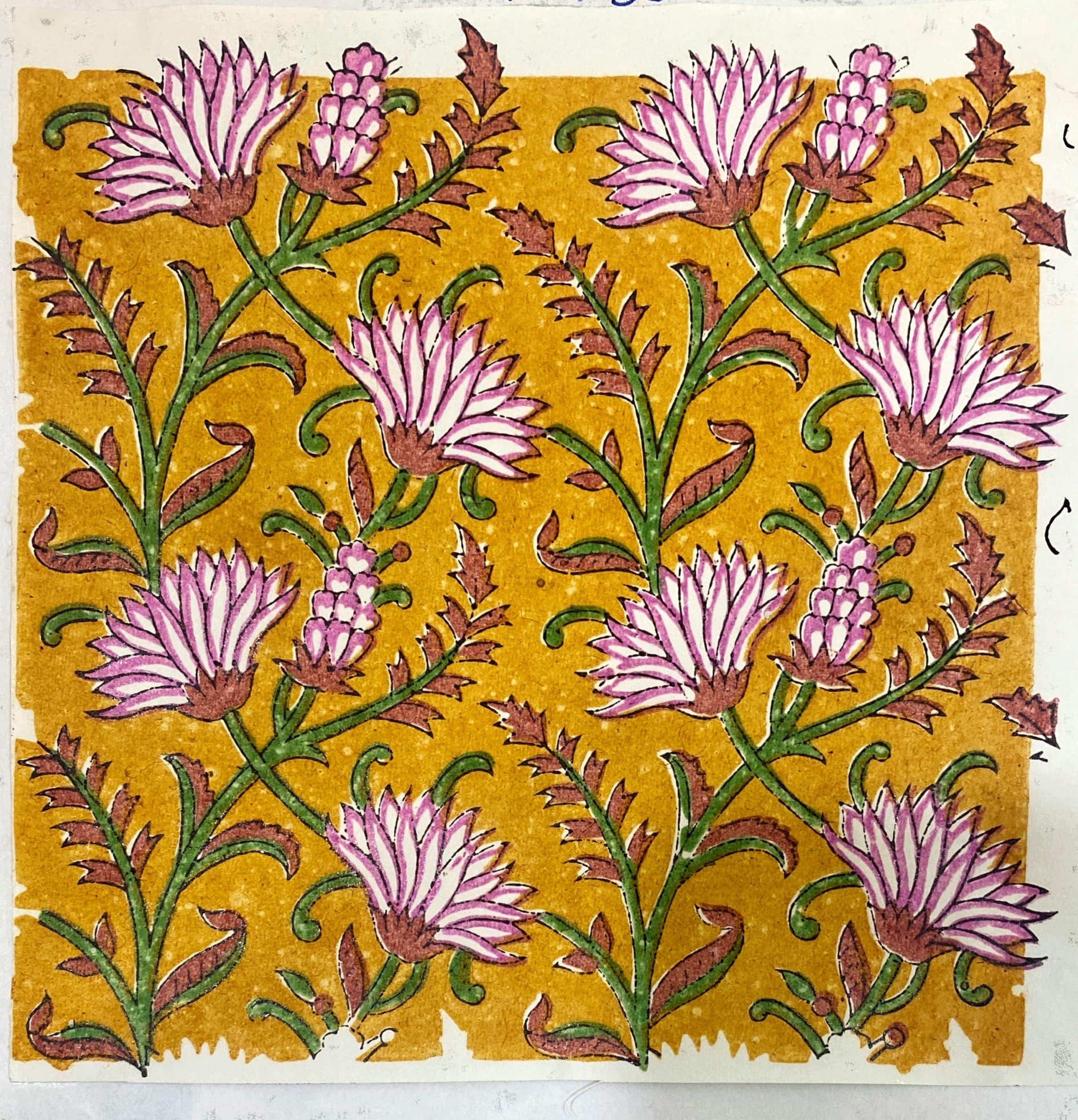
Our family archive holds more than 10,000 hand-carved printing blocks, most in wood and some rare ones in brass. Each one was once pressed onto textiles by an artisan’s hand, repeating rhythmically across fabric to create patterns that travelled across generations.
To someone unfamiliar with block printing, they may appear as patterns on fabric. For those who grew up around them, especially the older generation in our family, they carry something far deeper. They hold knowledge, memory, and time.
In many ways, what we inherit extends beyond the material. Humans are shaped by what is passed down to them through stories, through skills, and through ways of seeing the world. In my case, textiles and block printing have always been part of that inheritance, passed from my grandfather to my father and now to me.
Yet inheritance alone does not ensure continuity.
It survives only when each generation chooses to carry it forward.
Many extraordinary craft-based brands and ateliers have existed before us. Some thrived for decades, while others quietly disappeared when the next generation chose not to continue the work. This wasn’t due to a lack of beauty or skill, but because the ecosystem around them changed.
In the case of block printing, the rise of digital printing and the acceleration of fast fashion gradually pushed traditional textile practices away from the center of the mainstream fashion industry.
Today, fashion is largely defined by speed. Trends travel globally within weeks, collections change constantly, and production systems are designed to prioritise scale.
However, craft operates in a completely different rhythm.
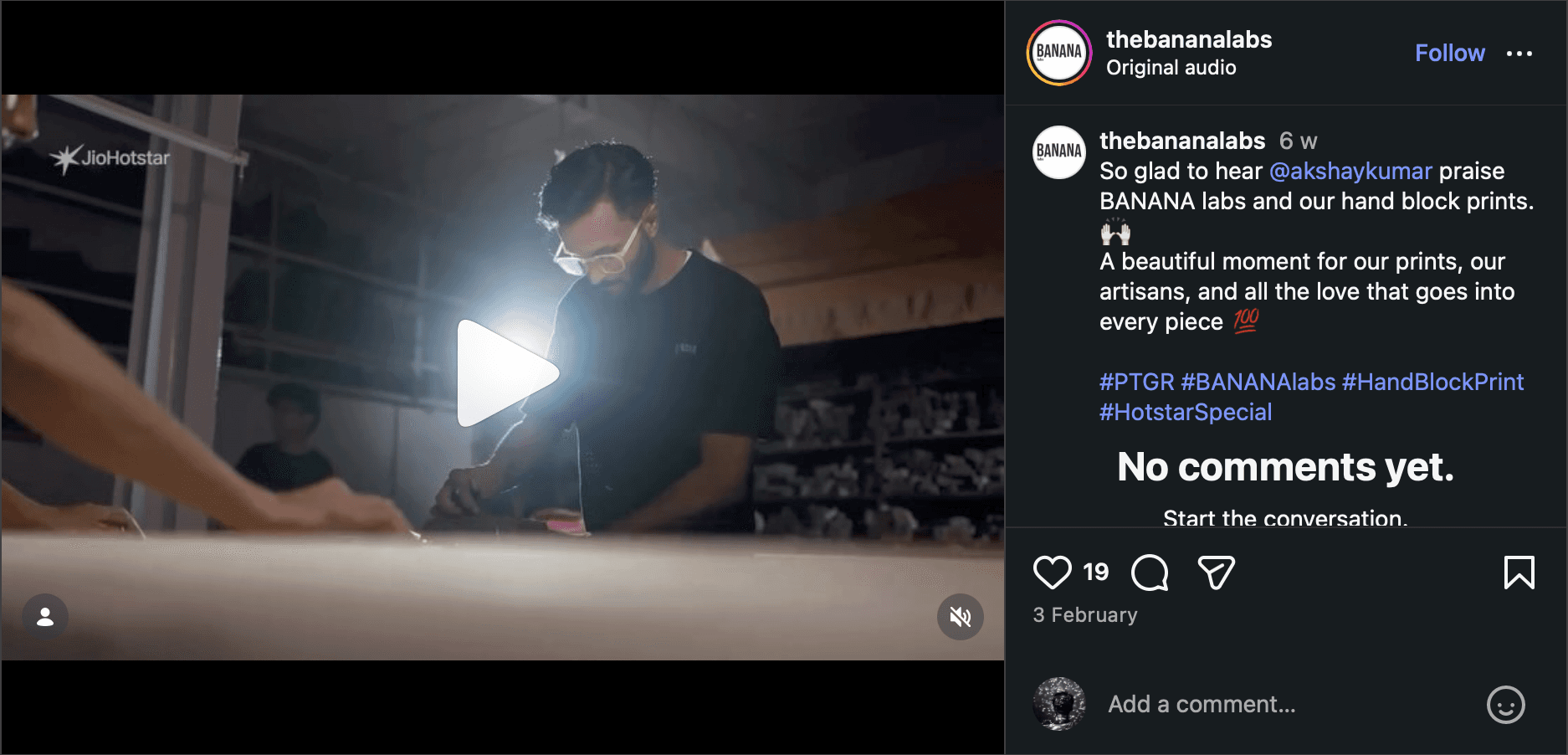
Hand block printing cannot be rushed beyond a certain point. A printer aligns each repeat manually. A carver spends hours shaping lines that will later appear effortlessly across fabric. A single motif might evolve over decades through small adjustments made by different artisans.
Our archive carries this depth of time and labour.
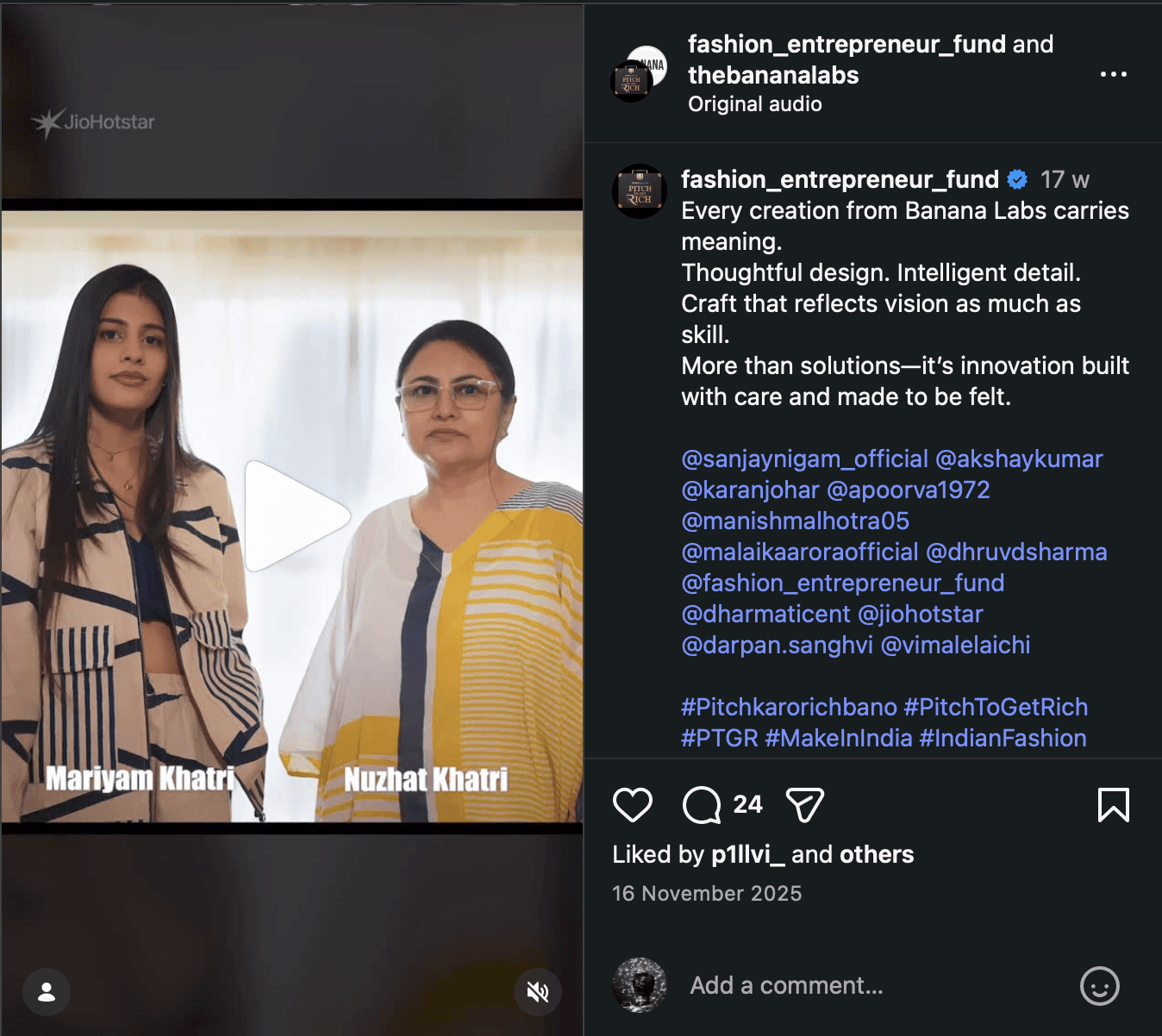
Our senior-most artisan, Zahid ji, reminds me of this continuity. He has been printing with our family since he was sixteen. After decades of working with these blocks, he recognises certain patterns instinctively, almost like recognising handwriting.
Then there is Wali bhaiya, a master block maker and printer, known for having one of the finest hands in the workshop. Once, while discussing an intricate design, I asked whether a line as thin as 0.1 millimetres could even be carved in wood.
He looked at me and said, “I’ll show you.”
That night, he carved the block.
Moments like that remind me of the extraordinary skill embedded in craft traditions but also raises an important question.
In a world where we can replicate almost anything digitally, what is the role of craft today?
People often ask whether traditional crafts can remain relevant in contemporary fashion. But perhaps the question should be reversed: in a world of speed and replication, is craft not more relevant than ever?
The digital world emerged to accelerate processes once done by hand. Today, there is a growing desire to reconnect with things that carry human touch, irregularity, and memory. In that sense, craft may be the most fundamental expression of design we have.
I will say this again:
Craft is perhaps the most grassroots expression of design we have.
After all, clothing at its most basic level could be simple. We could all wear the same colours, the same silhouettes, the same garments year after year.
Yet we don’t.
Because clothing has never been purely functional. It carries expression, identity, emotion, and values. Choosing a crafted textile is a choice beyond aesthetics. It reflects intention.
Across the world, luxury houses celebrate their ateliers, their archives, and the craftsmanship that defines them. In many ways, India has lived with this depth of craft for centuries.
The real challenge today lies in whether we are willing to build systems that allow it to continue.
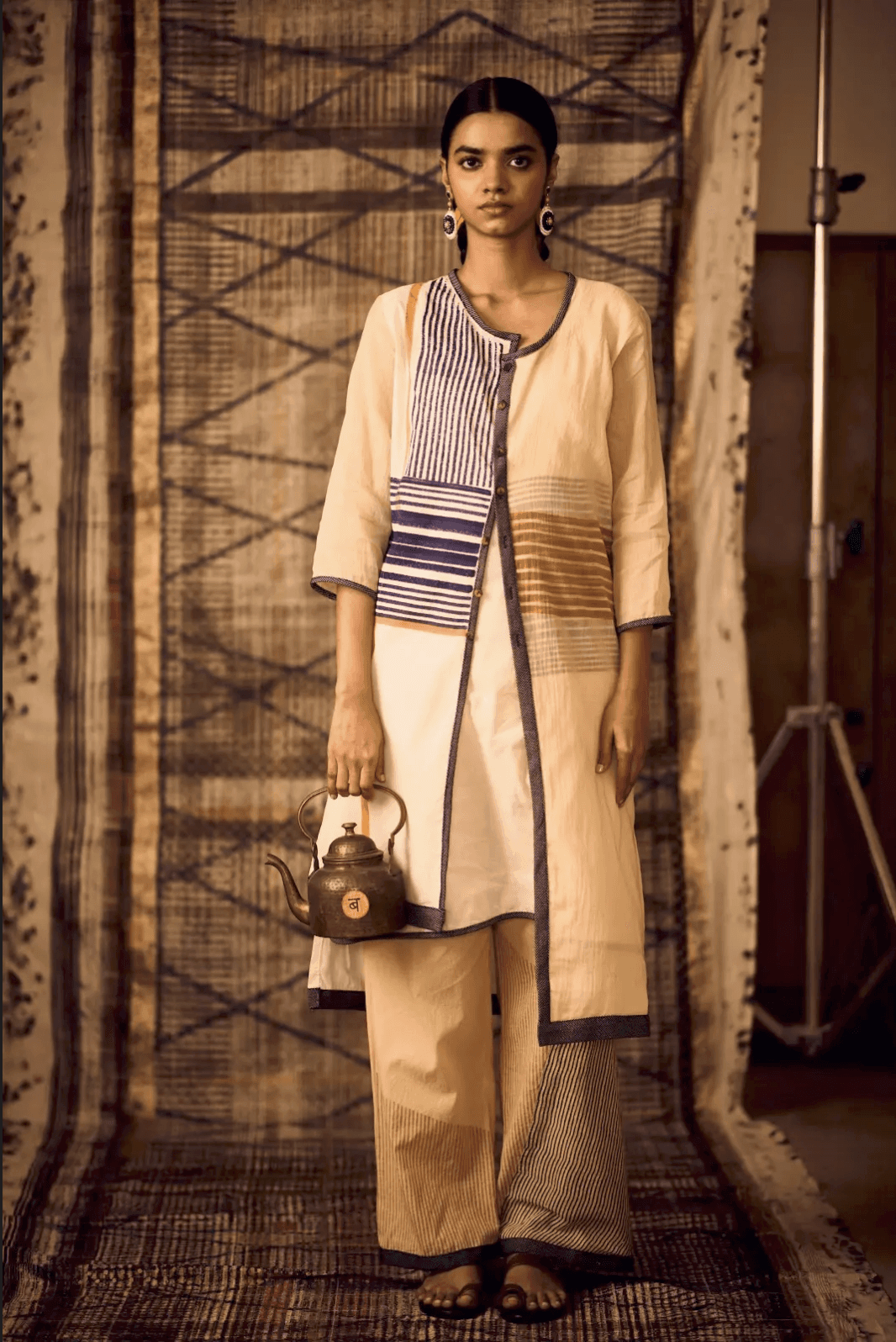
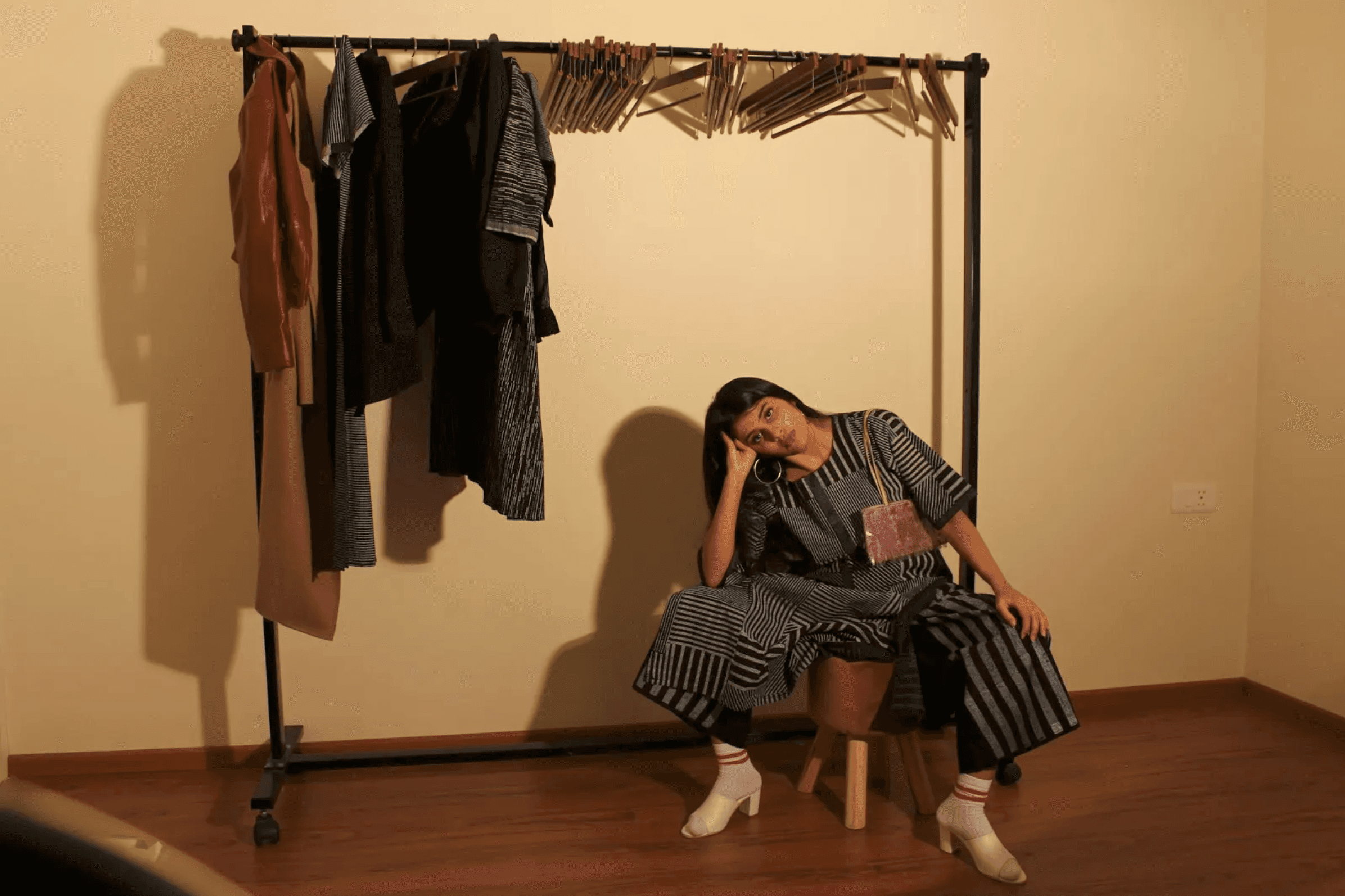
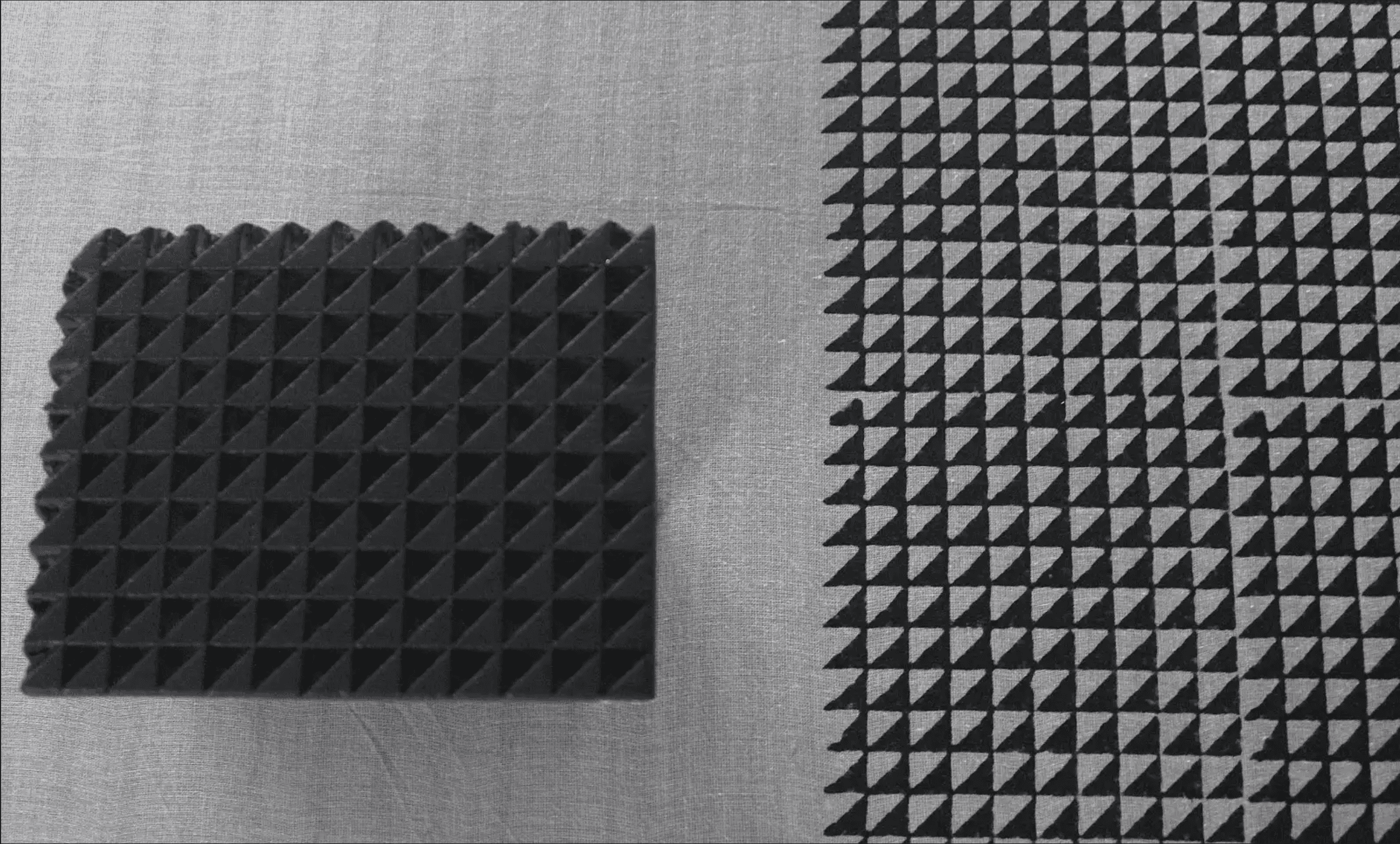
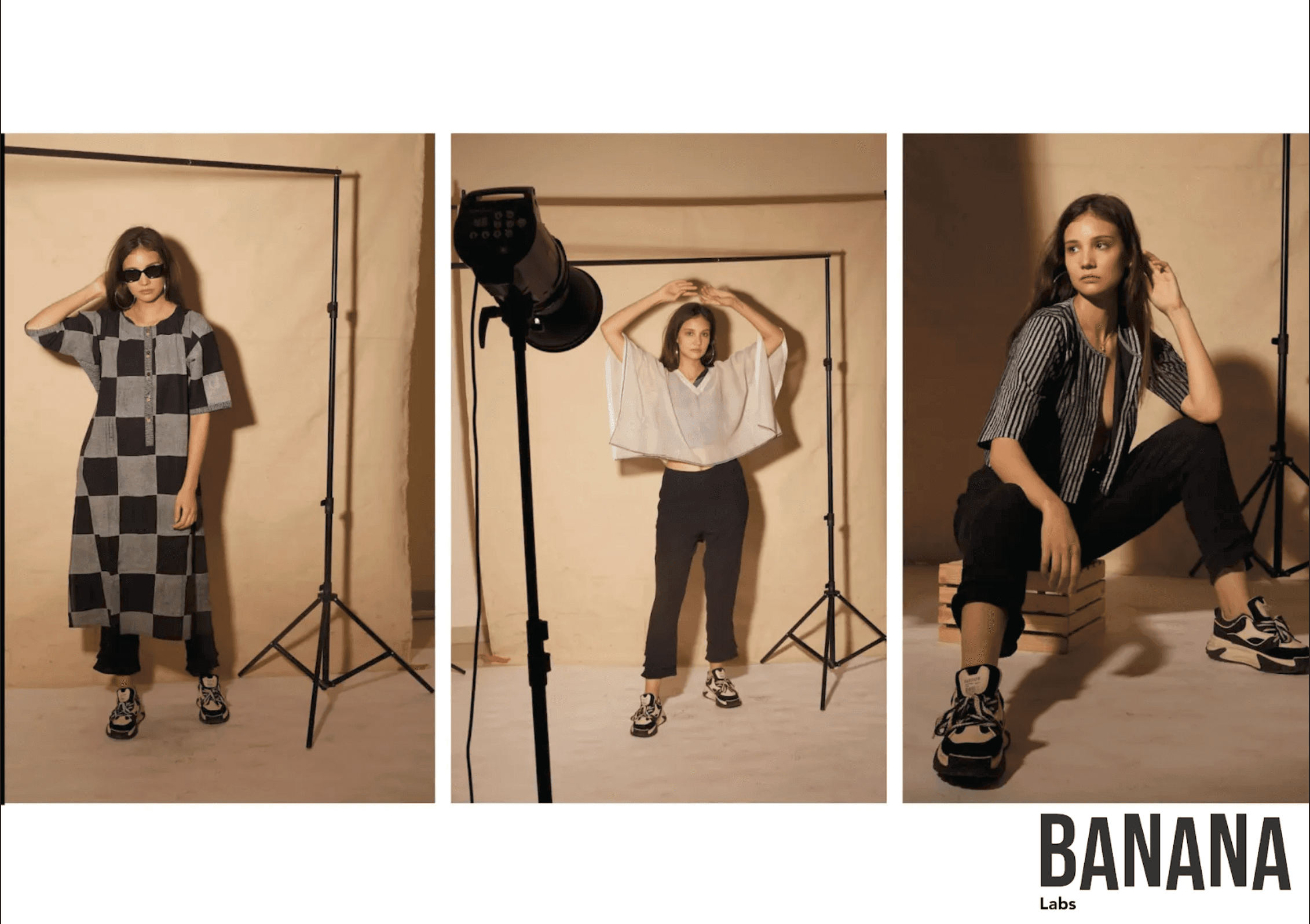
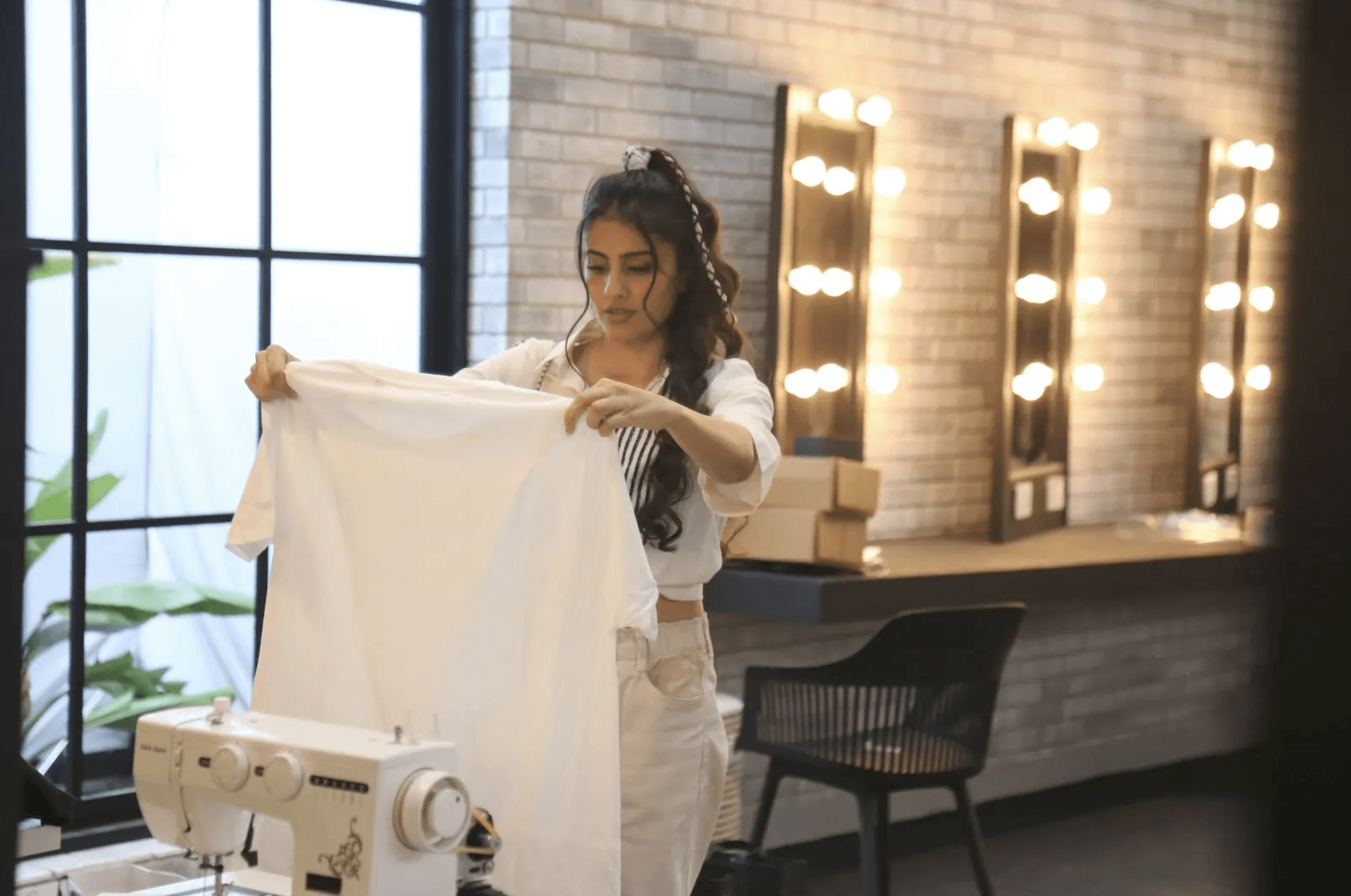
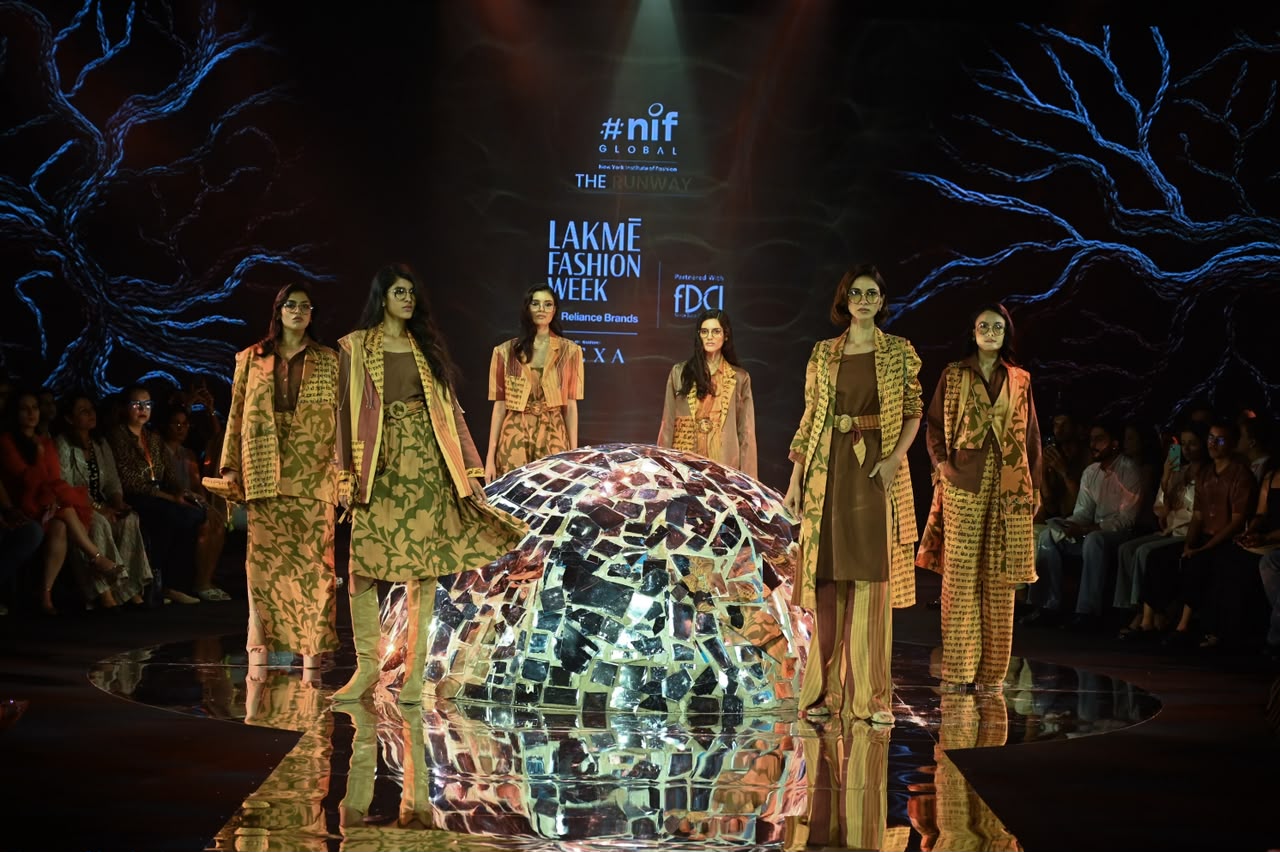
At BANANA Labs, our approach to block printing is not about recreating the past exactly as it was. It is about allowing the craft to evolve within the present, remaining relevant for the current generation while adapting for the future. Our block printed textiles, especially our geometrics and textures, reflect a visual language that moves beyond geography, gender or time. They are designed to feel effortless and contemporary, pieces meant to be worn every day. Craft should not exist only on museum displays, instead it should live in wardrobes, in everyday clothing, in garments that people travel with and build memories in. If continued to be treated as nostalgia, craft may not survive. It will flourish only when it continues to be used, questioned and reimagined.
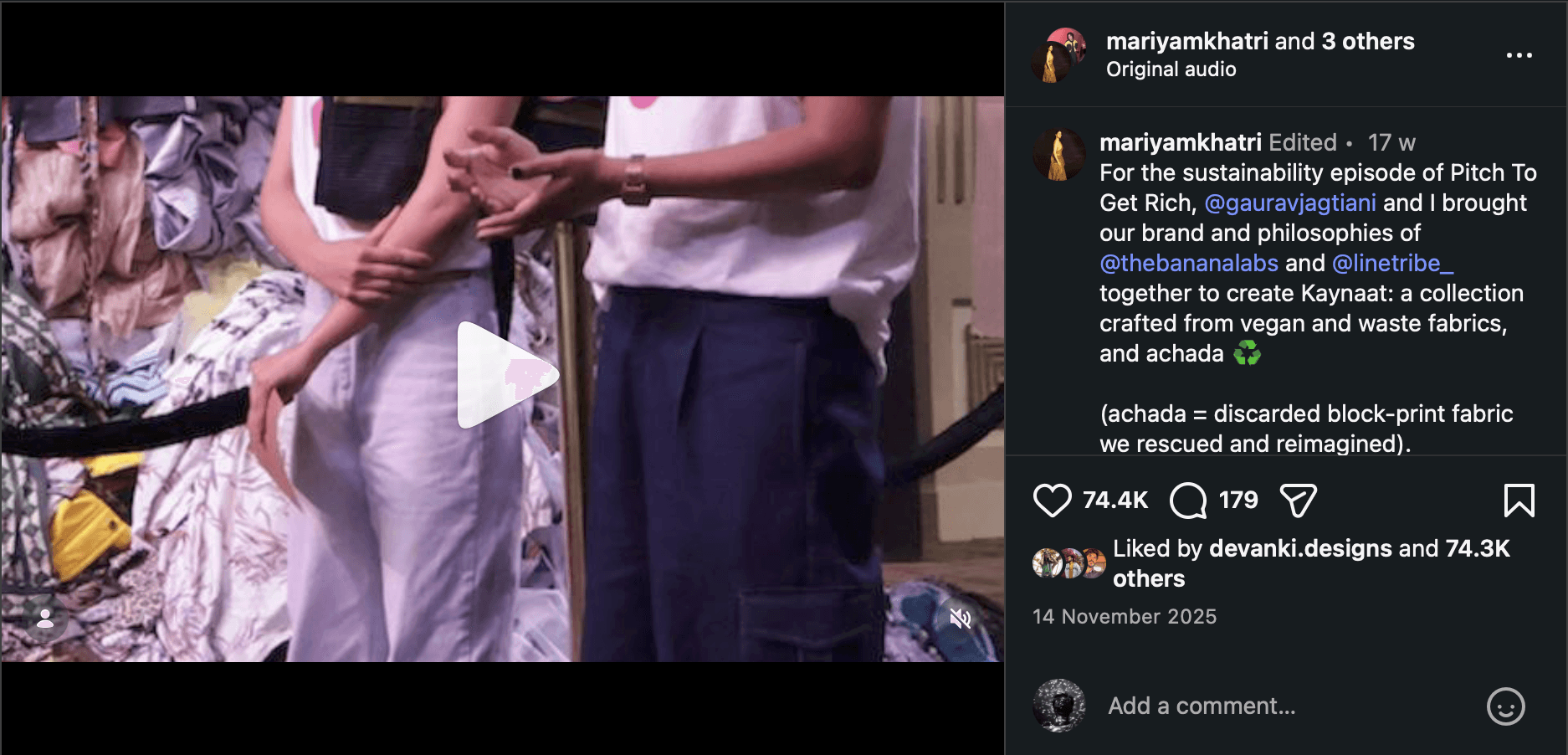
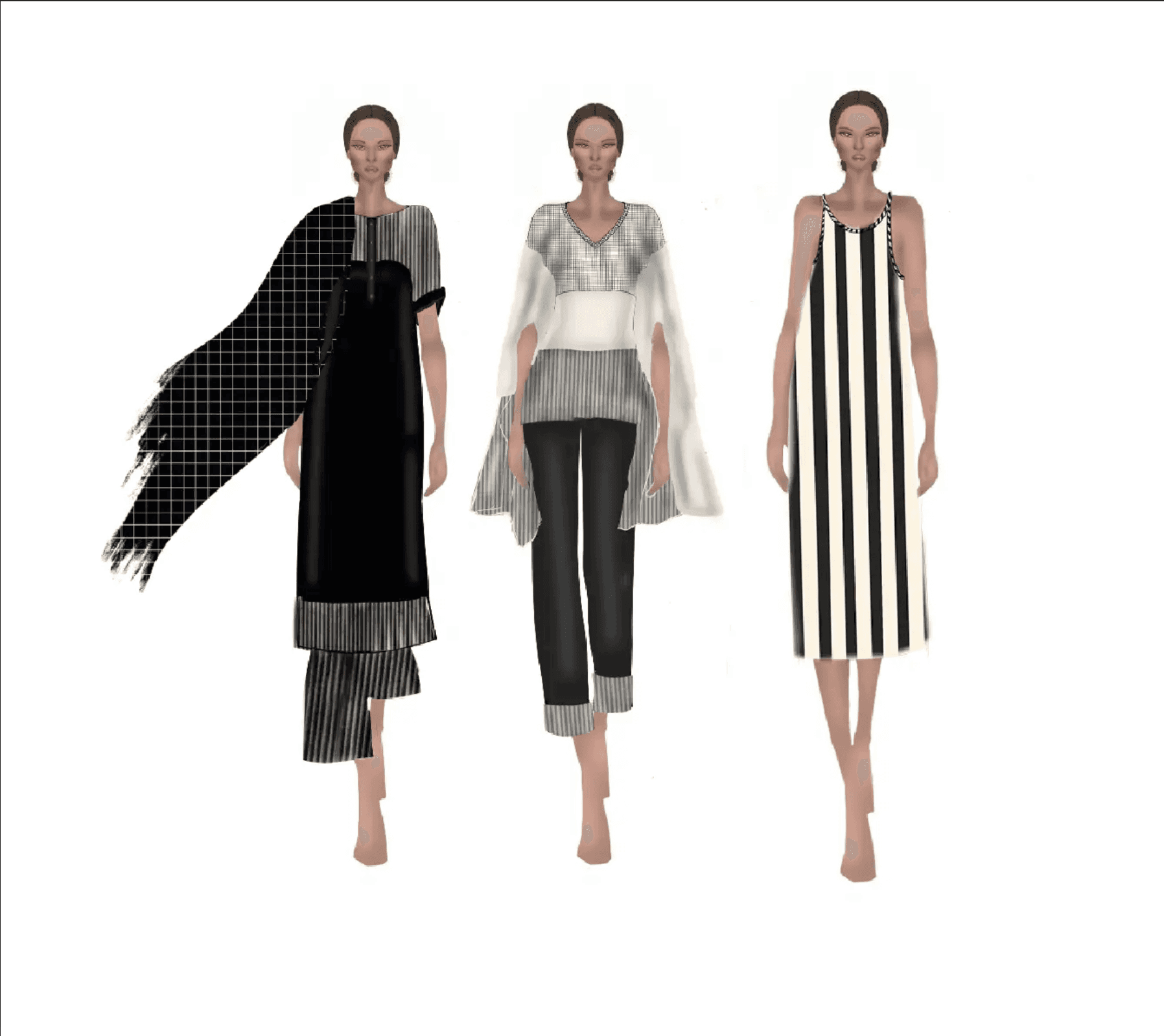
Sometimes a motif carved decades ago becomes the starting point for a new collection. Sometimes an old border pattern informs the rhythm of a modern silhouette. Sometimes the influence is subtle, almost invisible, yet always present.
The dialogue between past and present continues.
The dialogue between maker and wearer continues.
Leading BANANA Labs often feels like standing between two timelines. One hand in the archive, listening to knowledge that has travelled through generations. The other reaching forward, asking how that knowledge can evolve.
In that sense, the blocks in our archive extend beyond remnants of history.
They remain part of an ongoing conversation.
A conversation between artisans, designers, wearers, and time itself.
And every time a new fabric is printed, the story continues.
TO BE CONTINUED, FOR SUBSCRIBERS ONLY.
This is where the surface ends and the reporting begins.
The complete piece, the full archive, and access to The French Press Circle. Reporting answerable only to its readers.
Already a subscriber ?
Login
Read these on the house, with our compliments.
A selection from the current issue, open to all readers. Read them in full. The rest is one decision away.








The Archive That Prints the Future
My father can still identify many of our printing blocks entirely from memory. Each design in our archive is coded, and he remembers them almost instinctively. My father, Daddu, as I call him, will pick one up and immediately recognise whether it belongs to the A series of borders, the Z series of geometric patterns, or the “+” marked codes of older floral repeats.
For him, these blocks extend far beyond objects. They form a visual language he has lived with his entire life, a discreet family lingo that only we fully understand.
Our family archive holds more than 10,000 hand-carved printing blocks, most in wood and some rare ones in brass. Each one was once pressed onto textiles by an artisan’s hand, repeating rhythmically across fabric to create patterns that travelled across generations.
To someone unfamiliar with block printing, they may appear as patterns on fabric. For those who grew up around them, especially the older generation in our family, they carry something far deeper. They hold knowledge, memory, and time.
In many ways, what we inherit extends beyond the material. Humans are shaped by what is passed down to them through stories, through skills, and through ways of seeing the world. In my case, textiles and block printing have always been part of that inheritance, passed from my grandfather to my father and now to me.
Yet inheritance alone does not ensure continuity.
It survives only when each generation chooses to carry it forward.
Many extraordinary craft-based brands and ateliers have existed before us. Some thrived for decades, while others quietly disappeared when the next generation chose not to continue the work. This wasn’t due to a lack of beauty or skill, but because the ecosystem around them changed.
In the case of block printing, the rise of digital printing and the acceleration of fast fashion gradually pushed traditional textile practices away from the center of the mainstream fashion industry.
Today, fashion is largely defined by speed. Trends travel globally within weeks, collections change constantly, and production systems are designed to prioritise scale.
However, craft operates in a completely different rhythm.
Hand block printing cannot be rushed beyond a certain point. A printer aligns each repeat manually. A carver spends hours shaping lines that will later appear effortlessly across fabric. A single motif might evolve over decades through small adjustments made by different artisans.
Our archive carries this depth of time and labour.
Our senior-most artisan, Zahid ji, reminds me of this continuity. He has been printing with our family since he was sixteen. After decades of working with these blocks, he recognises certain patterns instinctively, almost like recognising handwriting.
Then there is Wali bhaiya, a master block maker and printer, known for having one of the finest hands in the workshop. Once, while discussing an intricate design, I asked whether a line as thin as 0.1 millimetres could even be carved in wood.
He looked at me and said, “I’ll show you.”
That night, he carved the block.
Moments like that remind me of the extraordinary skill embedded in craft traditions but also raises an important question.
In a world where we can replicate almost anything digitally, what is the role of craft today?
People often ask whether traditional crafts can remain relevant in contemporary fashion. But perhaps the question should be reversed: in a world of speed and replication, is craft not more relevant than ever?
The digital world emerged to accelerate processes once done by hand. Today, there is a growing desire to reconnect with things that carry human touch, irregularity, and memory. In that sense, craft may be the most fundamental expression of design we have.
I will say this again:
Craft is perhaps the most grassroots expression of design we have.
After all, clothing at its most basic level could be simple. We could all wear the same colours, the same silhouettes, the same garments year after year.
Yet we don’t.
Because clothing has never been purely functional. It carries expression, identity, emotion, and values. Choosing a crafted textile is a choice beyond aesthetics. It reflects intention.
Across the world, luxury houses celebrate their ateliers, their archives, and the craftsmanship that defines them. In many ways, India has lived with this depth of craft for centuries.
The real challenge today lies in whether we are willing to build systems that allow it to continue.
At BANANA Labs, our approach to block printing is not about recreating the past exactly as it was. It is about allowing the craft to evolve within the present, remaining relevant for the current generation while adapting for the future. Our block printed textiles, especially our geometrics and textures, reflect a visual language that moves beyond geography, gender or time. They are designed to feel effortless and contemporary, pieces meant to be worn every day. Craft should not exist only on museum displays, instead it should live in wardrobes, in everyday clothing, in garments that people travel with and build memories in. If continued to be treated as nostalgia, craft may not survive. It will flourish only when it continues to be used, questioned and reimagined.
Sometimes a motif carved decades ago becomes the starting point for a new collection. Sometimes an old border pattern informs the rhythm of a modern silhouette. Sometimes the influence is subtle, almost invisible, yet always present.
The dialogue between past and present continues.
The dialogue between maker and wearer continues.
Leading BANANA Labs often feels like standing between two timelines. One hand in the archive, listening to knowledge that has travelled through generations. The other reaching forward, asking how that knowledge can evolve.
In that sense, the blocks in our archive extend beyond remnants of history.
They remain part of an ongoing conversation.
A conversation between artisans, designers, wearers, and time itself.
And every time a new fabric is printed, the story continues.
TO BE CONTINUED, FOR SUBSCRIBERS ONLY.
This is where the surface ends and the reporting begins.
The complete piece, the full archive, and access to The French Press Circle. Reporting answerable only to its readers.
Already a subscriber ?
Login
Read these on the house, with our compliments.
A selection from the current issue, open to all readers. Read them in full. The rest is one decision away.