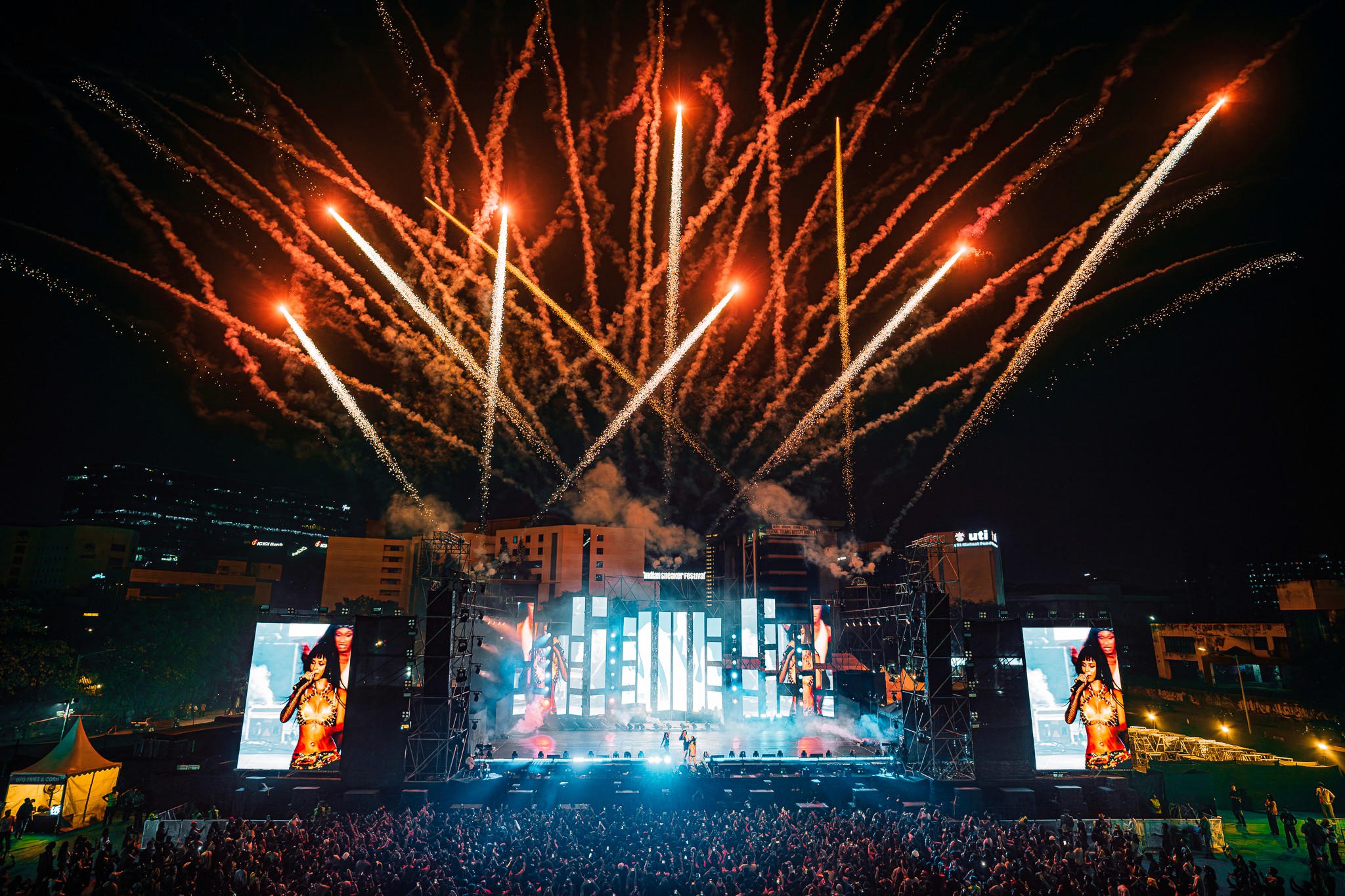
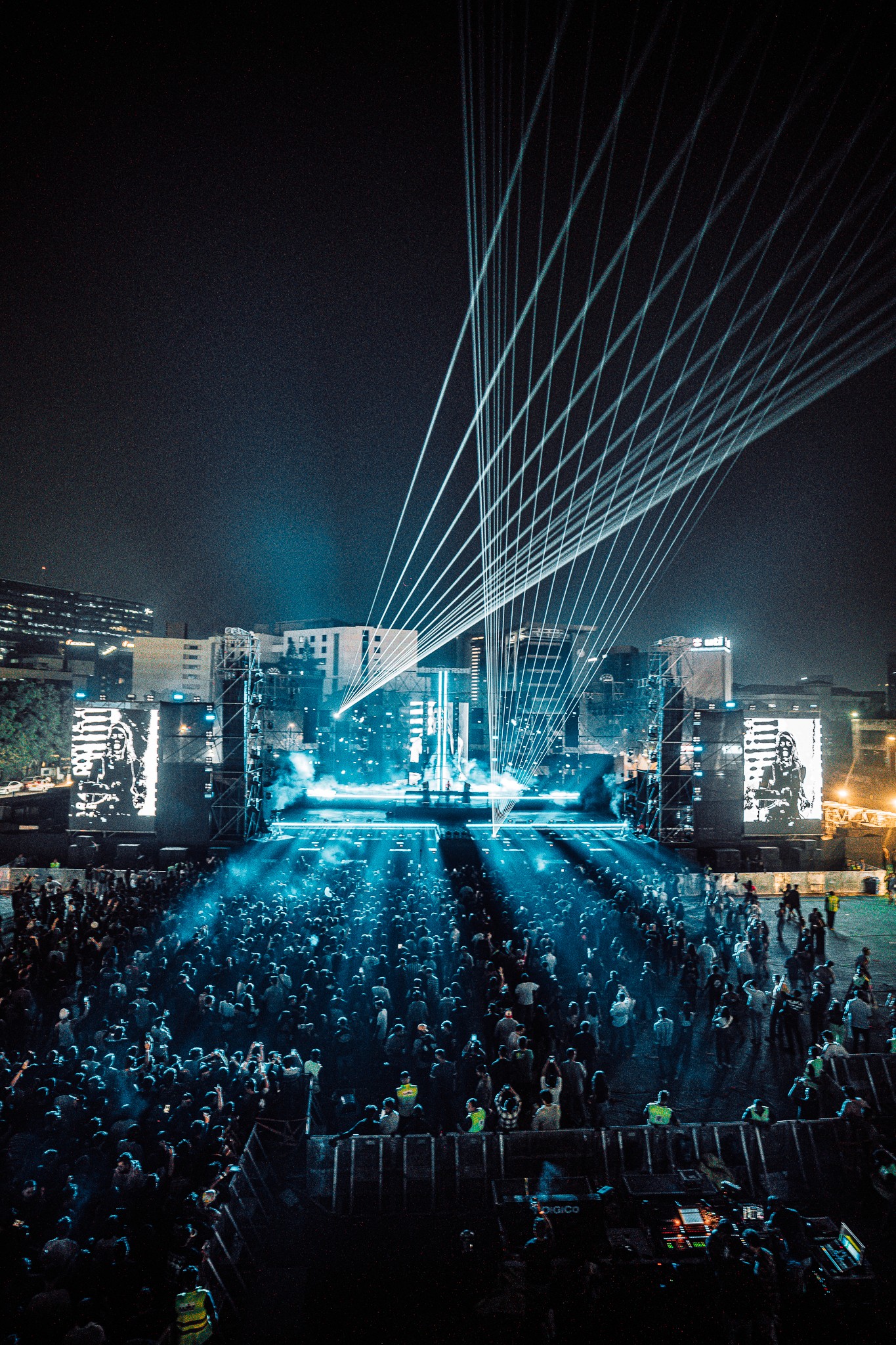
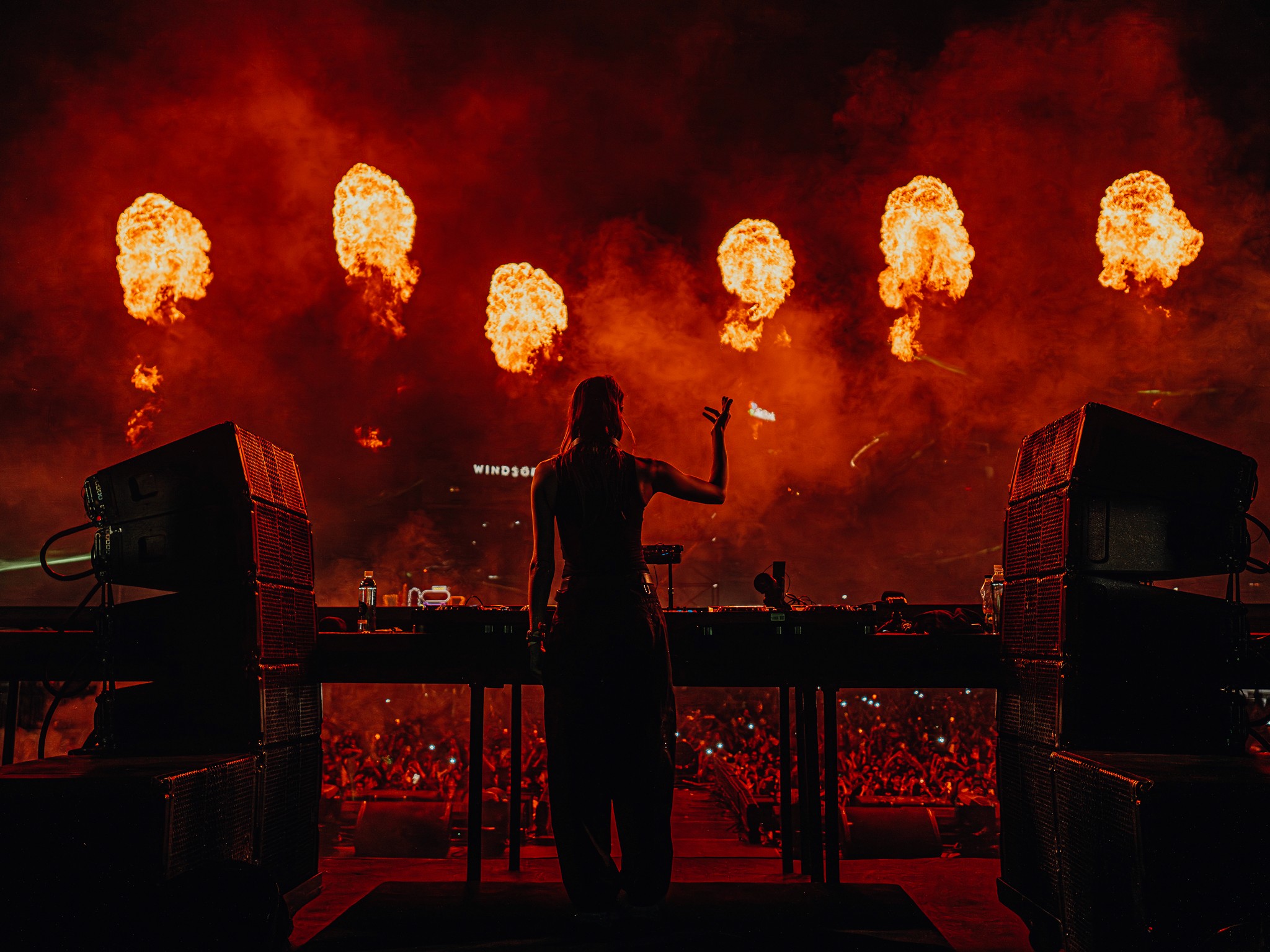
On a humid October evening in 2025, Travis Scott took the stage at Delhi's Jawaharlal Nehru Stadium, and about 40,000 people collectively lost their minds. The mosh pit surged like a tsunami - bodies crashing, elbows flying, phones held high as makeshift totems. It had the frantic energy of a Kumbh Mela stampede, except everyone was screaming the n-word at full volume and no one was there for salvation. Some knew every bar of "Sicko Mode." Others just knew this was the place to be, the story to post, the moment to claim - or there would be serious FOMO to deal with. By the time Scott left India after back-to-back shows in Delhi and Mumbai, the internet had already moved on to the next major solo artist announcement: Ye (formerly Kanye West), with a casual 24 Grammy awards under his discography, would perform at the same stadium in March 2026. Then Shakira in April. Then whispers of Drake and The Weeknd. Then BTS.
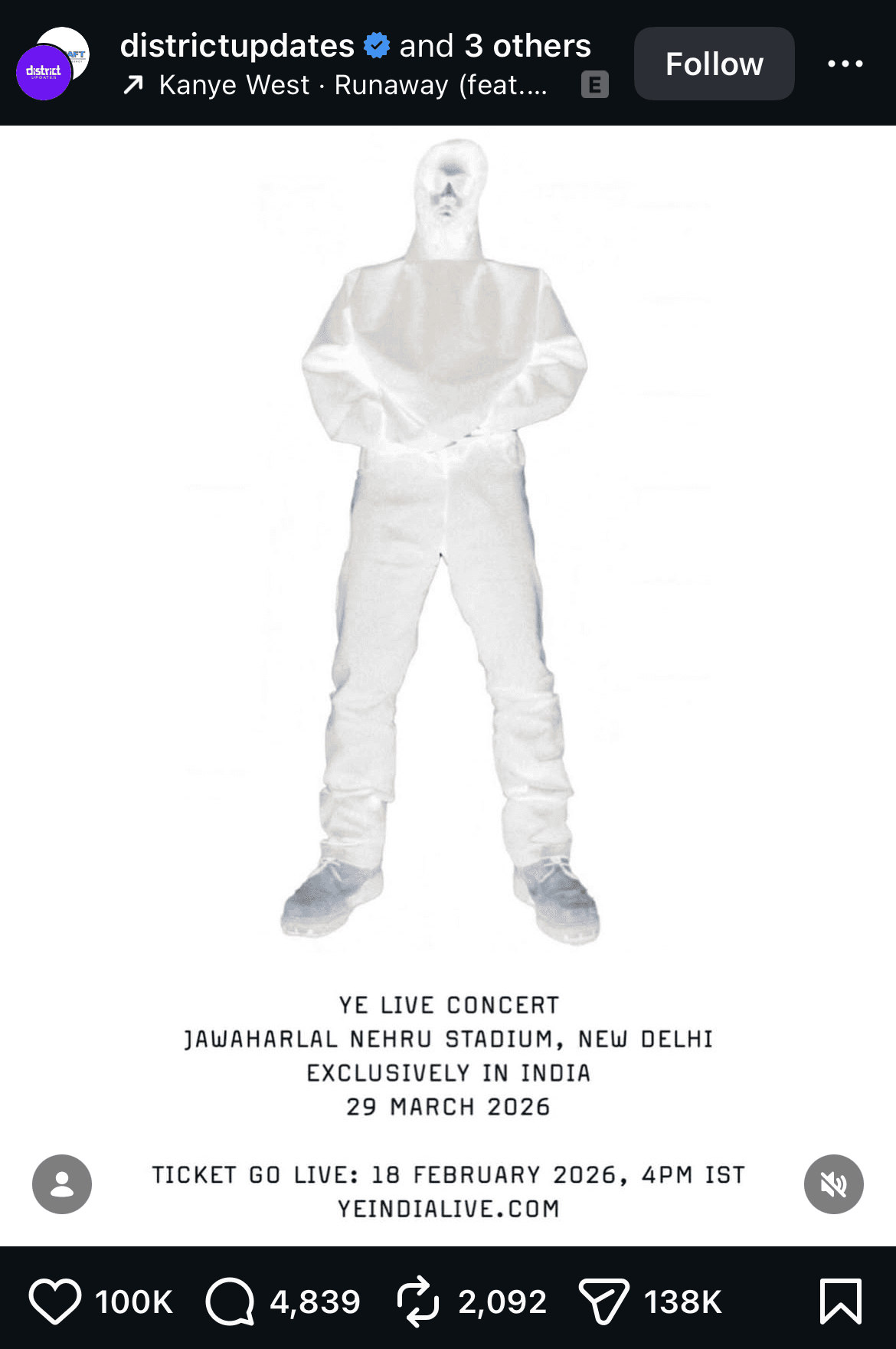
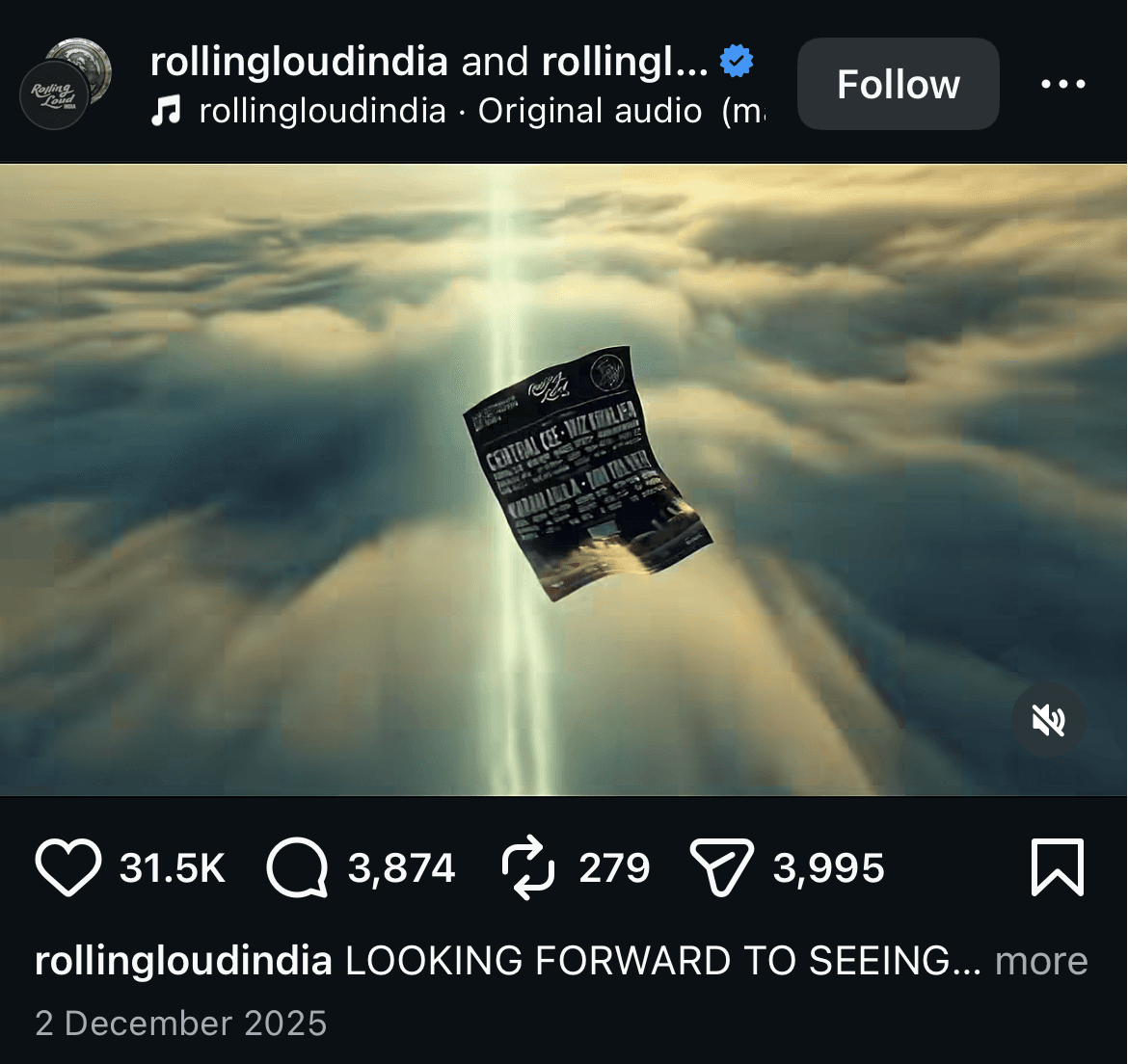
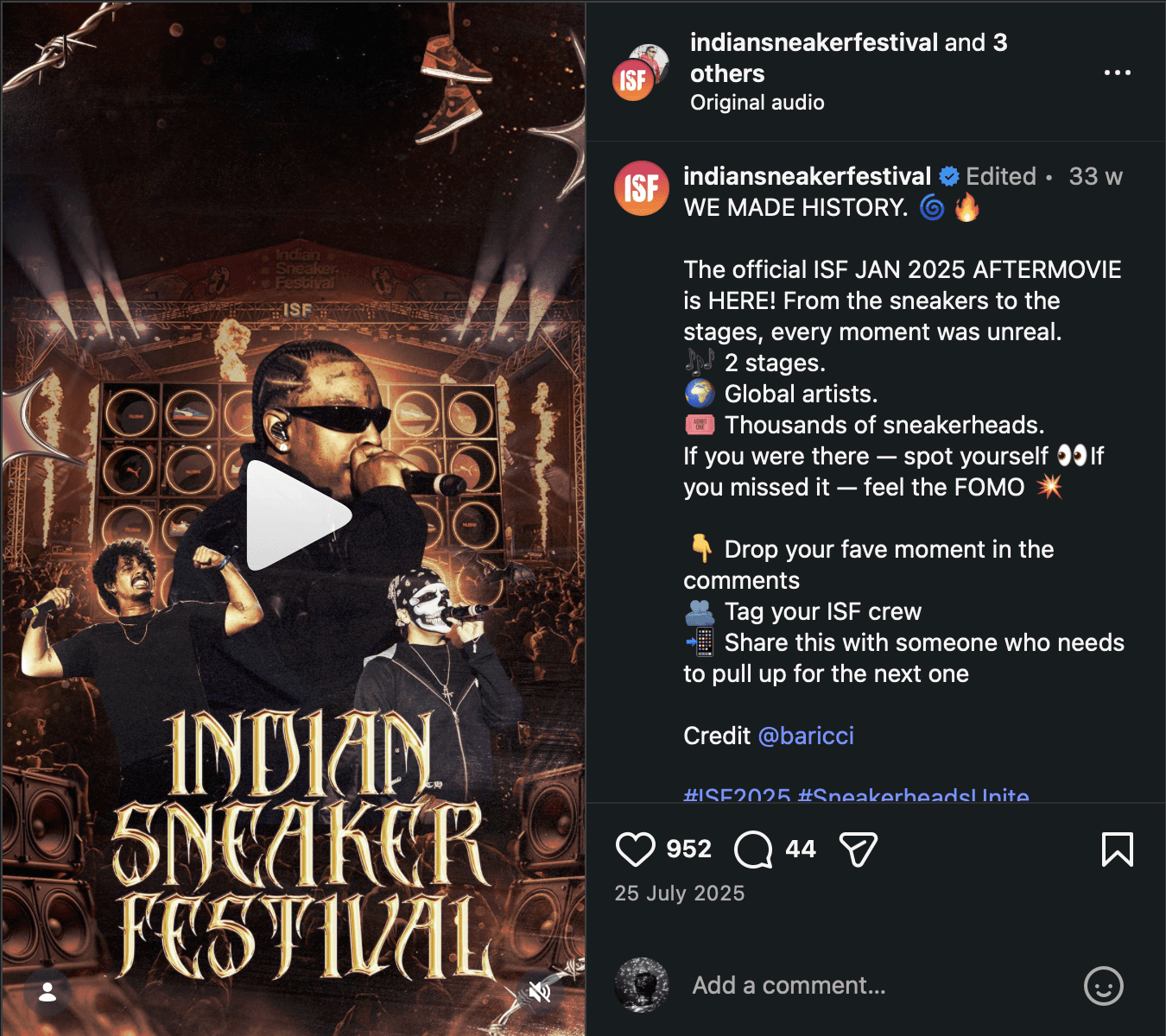
The script has flipped. India isn't waiting for the world anymore-the world is scrambling for a slot on India's calendar.
The numbers tell a story that even the most skeptical industry veterans can't ignore. According to Wizcraft, when Coldplay toured India in early 2025, the band sold close to 400,000 tickets across multiple shows, generating over ₹240 crore in gross sales, with ₹70+ crore going directly to GST. India's organised live events market, once a cultural footnote, is now valued at roughly ₹142 billion and projected to grow to nearly ₹235 billion by 2027, expanding at an annual rate of around 18%. To put that in perspective: live entertainment is now one of the fastest-growing segments within India's ₹2.5 trillion media and entertainment economy.
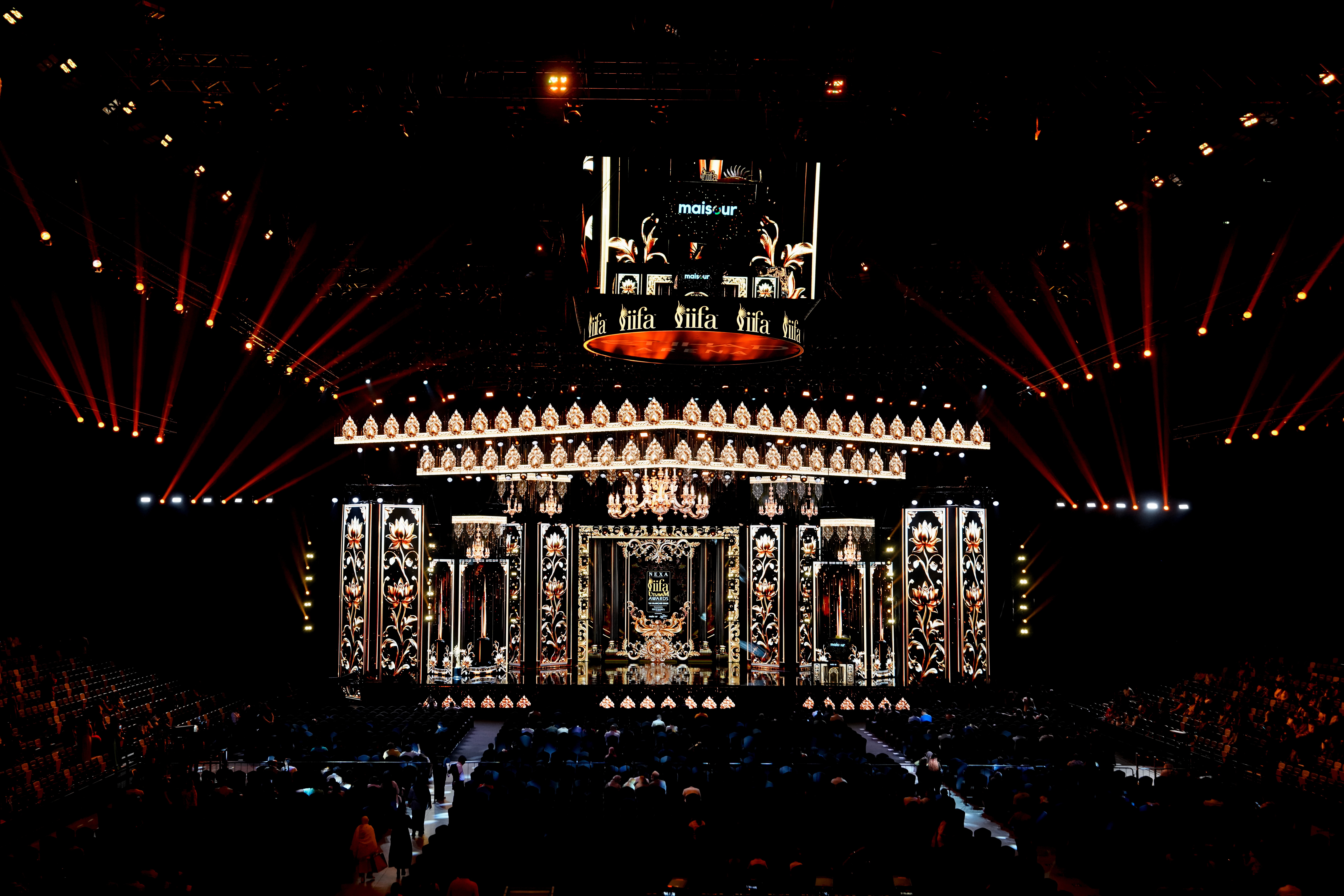
"When we started in the late '80s and early '90s, live concerts in India were largely passion projects-culturally important, but economically fragile," says Andre Timmins, co-founder of Wizcraft and creator of the International Indian Film Academy Awards (IIFA). "Today, live music and large-format events are a structured economic engine. What was once a niche cultural activity has become a serious contributor to India's media, entertainment, and tourism economy."
But here's where it gets interesting. Because while India is undeniably having a moment, the infrastructure, on-ground reality, and contradictions of that moment reveal a country caught between aspiration and reality, between global ambition and local chaos, between becoming a cultural superpower and still figuring out how to manage women’s safety in the crowd.
From Experimental Stop to Permanent Circuit
There was a time, not that long ago, when India was treated like a third-tier stop on an artist's world tour. A nice-to-have. A PR move. A place where you showed up, did one show in Mumbai, posted a photo in front of the Taj Mahal, and left.
That time, as we know it, is over.
"India's emergence as a global touring destination is no longer anecdotal, it is data-backed," Timmins explains. "When you see international artists selling out multiple stadium shows across cities, that's a structural shift." He points to three key indicators: ticket velocity and price elasticity (audiences are buying early and across price bands), repeat routing (artists now plan multi-city India legs, instead one-off stops), and government and city participation (cities see concerts as tourism drivers, not logistical headaches).
Nikunj Duggal, founder of Indian Sneaker Festival, says the shift didn’t happen accidentally.
“We had to convince international teams that India wasn’t a risky add-on,” he says. “We walked into those rooms with streaming data, social engagement metrics, diaspora crossover numbers, and brand appetite. The point was simple: this isn’t an emerging gamble. It’s an underserved opportunity.”
He admits perception was the biggest hurdle. “Teams questioned infrastructure reliability, payment security, whether the audience depth was real. Without a global franchise backing us, we relied on escrow-backed payments, strong local sponsors, and executing production riders exactly the way global teams expect. Reputation builds faster through execution than marketing ever could.”
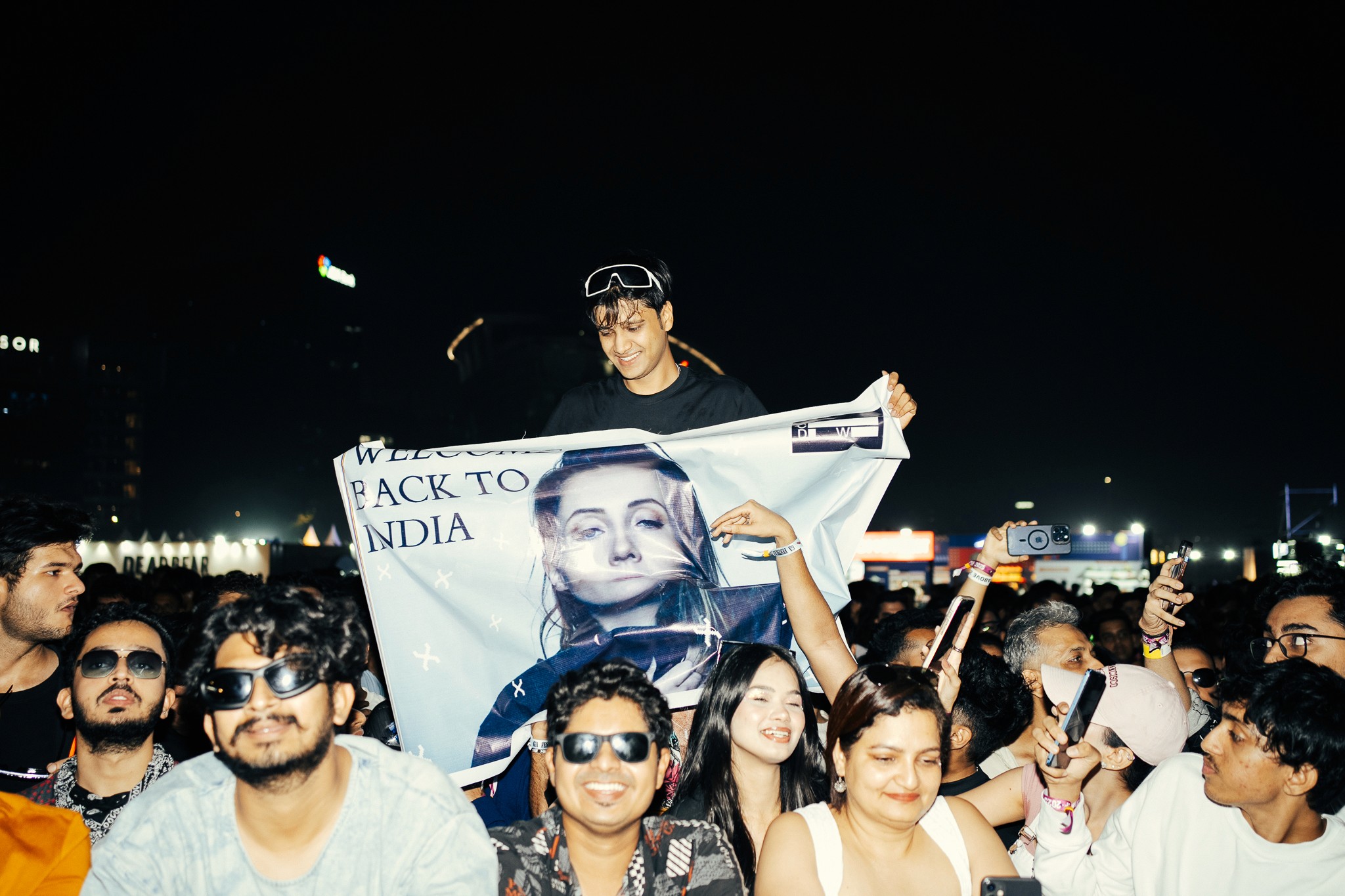
The 2025-2026 concert calendar reads like a fever dream for Indian music fans. Linkin Park and Playboi Carti co-headlined Lollapalooza India in January 2026 at Mumbai's Mahalaxmi Racecourse. Rolling Loud, the world's largest hip-hop festival, made its Indian debut in November 2025 with performances from artists like Central Cee, Wiz Khalifa, Don Toliver, and Punjabi star Karan Aujla. Tyla and Lil Yachty graced the stage at Indian Sneaker Festival Mumbai, while the Delhi edition in early 2025 welcomed 21 Savage - the first independent lifestyle festival IP to bring an artist of his magnitude to India. And in a moment that felt almost surreal, Damon Albarn and Jamie Hewlett of Gorillaz announced that their ninth studio album, The Mountain (titled in Devanagari as पर्वत), was inspired by and recorded in India : across Mumbai, New Delhi, Rajasthan, and Varanasi. The album, released in February 2026, features collaborations with Indian artists like Ajay Prasanna, Asha Bhosle and Anoushka Shankar, and explores themes of life, death, and transition through the lens of Indian spirituality.
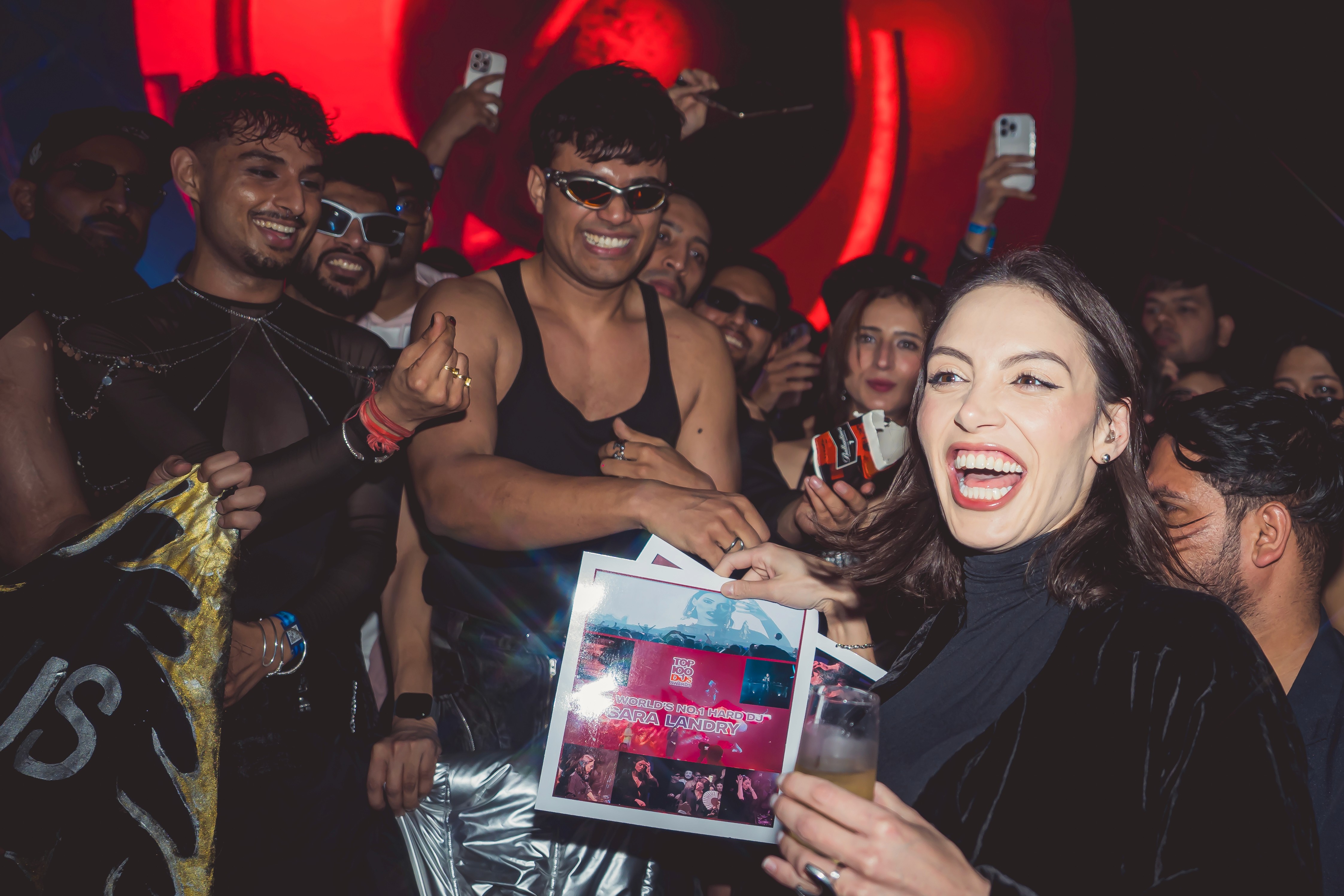
"India has shaped major music cultures," says Ayushman, founder of Psyfyi, India's fastest growing electronic music and counterculture magazine. "Concepts like trance states, cyclic rhythm, mantra, and sound as a spiritual tool already existed here long before electronic music arrived. When Western travellers came to Goa - the birthplace of Psytrance, they recognised something familiar, and that’s what stuck with them."
It's a point worth sitting with. India has always had a nuanced music culture. Classical ragas, Sufi traditions, folk, devotional music : these are living, breathing traditions that have quietly influenced global music for decades. The irony, as Ayushman points out, is that "while psytrance scaled and commercialised successfully in Europe, Israel, and Latin America, India now struggles to protect its own legacy. Just like yoga or Ayurveda, the culture was exported, refined abroad, and monetised, while we're still fighting to preserve it at home."
Social Currency vs. Actual Fandom
Sahil Salathia, an Indian actor and frequent concert attendee, has a theory about why festivals feel different now than they did five years ago. "I think five years ago, real music lovers would show up," he says. "Now everybody shows up because they want to put it up on Instagram. Sometimes they don't know the artist or the music but they would want to go because hey, it's cool to be there and to upload a story and to dress up."
Brutal? Yes. Unfair? Maybe not. Attending a concert in India today? It's as much about social currency as it is about the actual music. Maybe more. The outfit. The story. The grid post. The sense of belonging to a "cool community of people who go to concerts," as Salathia puts it. "India is all about community," he explains. "We make a small community and we think we're a part of it. It's like going to the movies. Let's say if it's a Salman Khan film, why is it that the entire country shows up to the theaters? Because there is a sense of belonging, right? Same with concerts, I feel. The younger people especially, like say aged 21 to 25, they'll all make a little group and they'll show up and then they're a part of this community—something bigger than just one individual."
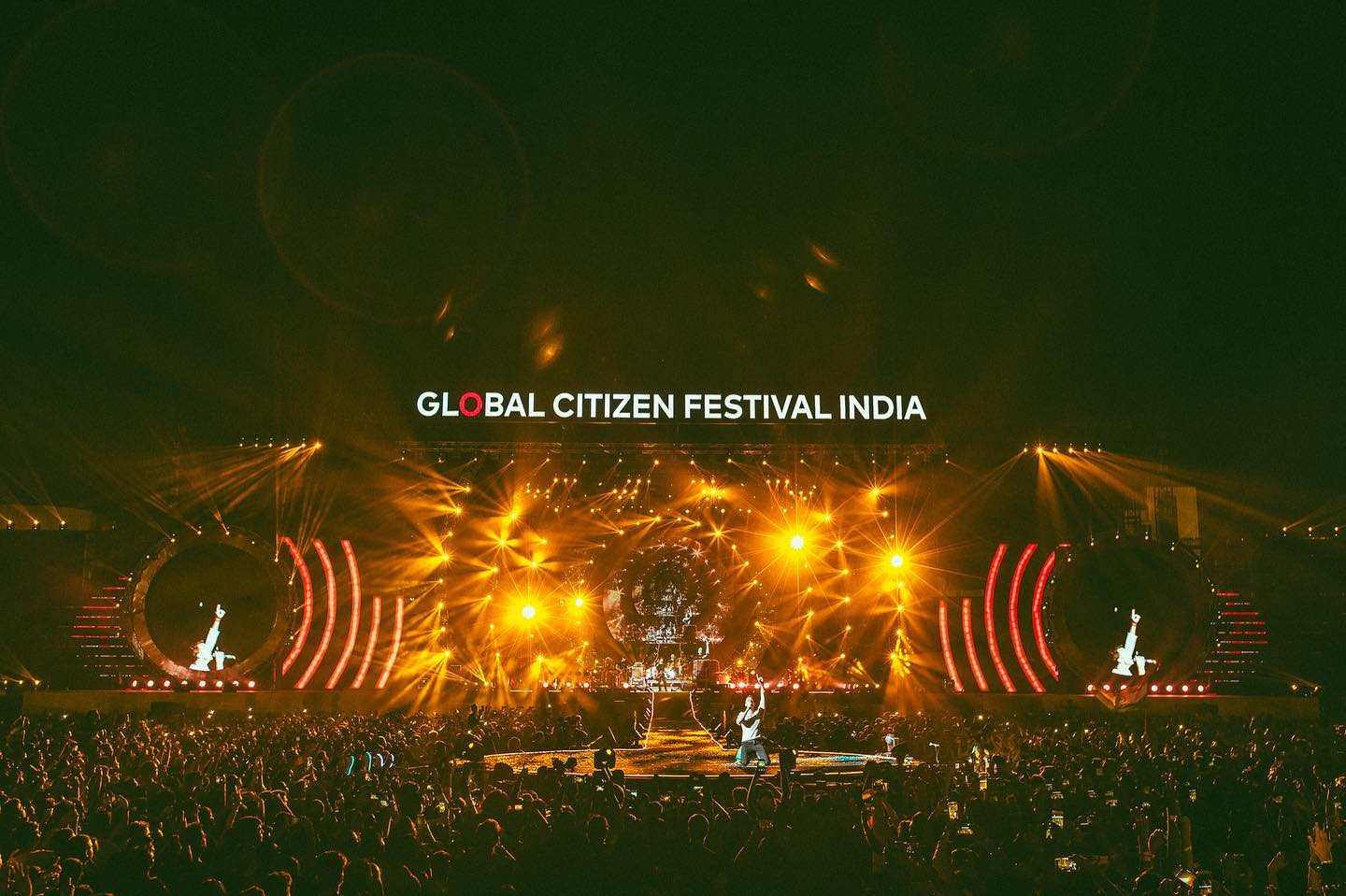
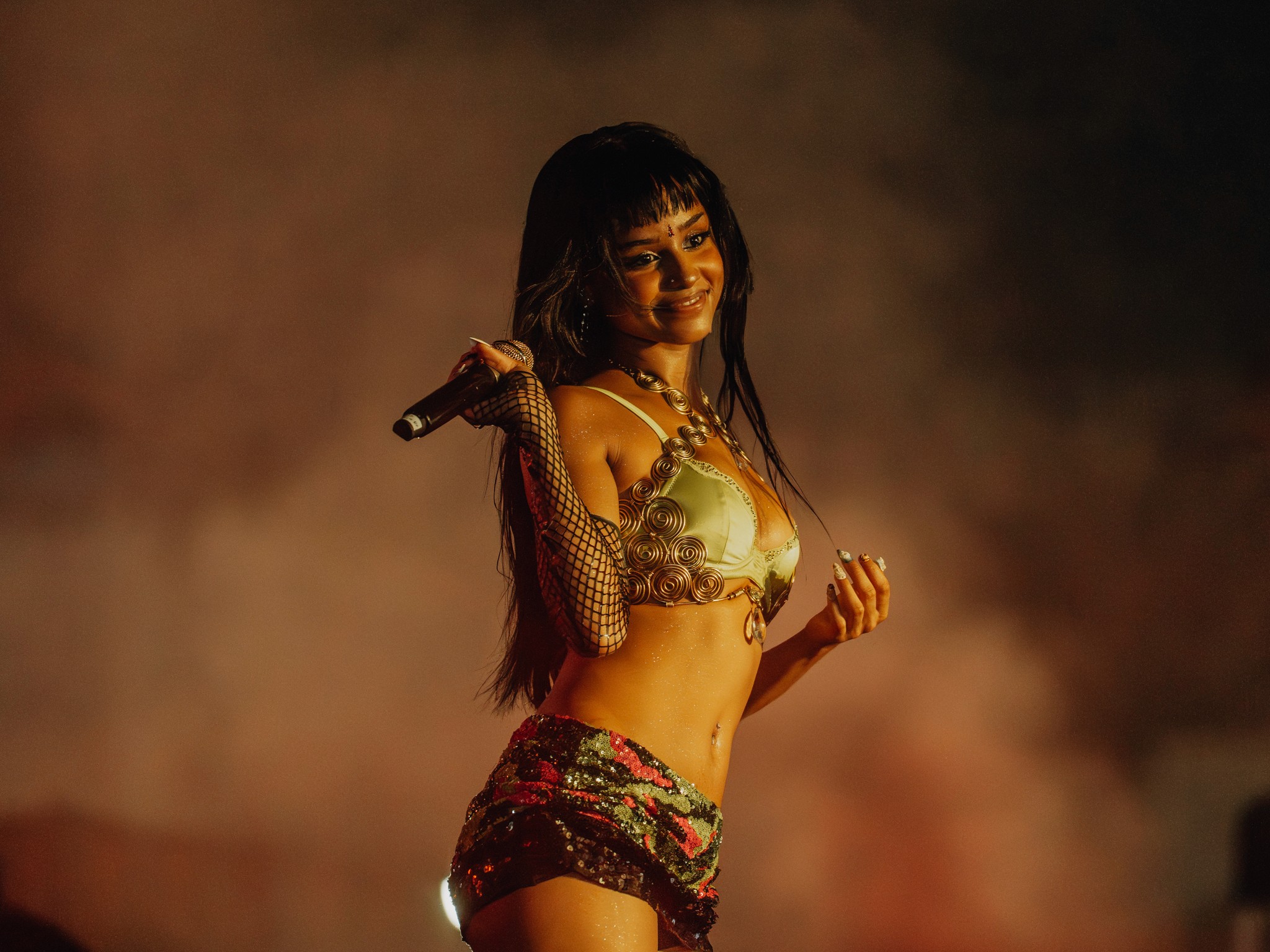
This shift has real implications. On one hand, it's democratised access : more people are showing up, which means more demand, which means more shows. On the other hand, it's created a culture where the performance itself sometimes feels secondary. Salathia recalls seeing footage of Tyla's performance in India and being disappointed. "She didn't even drop water on herself, which is her trademark, you know, with that song. So that's her trademark step, and she didn't do it." He contrasts this with his experience at Coachella, where he saw Tyla perform. "I think if you go to Coachella or if you go to the other international festivals, how they perform there compared to how they perform here - there’s a huge gap in performance and choreography.”
Is it possible that some international artists phone it in when they come to India? That they assume showing up is enough? Salathia thinks so. "Maybe they think we are going to this third world country - the exaggerated image of India abroad. So maybe if we do just the bare minimum, that'll be enough because showing up in India is a big enough deal anyway."
There's also the uncomfortable question of aesthetic packaging, that allows for the stereotypical representation of the country. When Tyla performed in India, she was styled in a garment made by Nancy Tyagi, a social media creator whose work often leans into a particular vision of India: independent, raw yet real. Salathia sees this as part of a larger pattern. "When Nancy Tyagi dressed Tyla for a concert, first of all, I think everybody wants India to look like Slumdog Millionaire," he says. "Nancy is an amazing artist, but the choice to spotlight her specifically feels like it's saying something about what 'Indian' is supposed to mean when international artists come here."
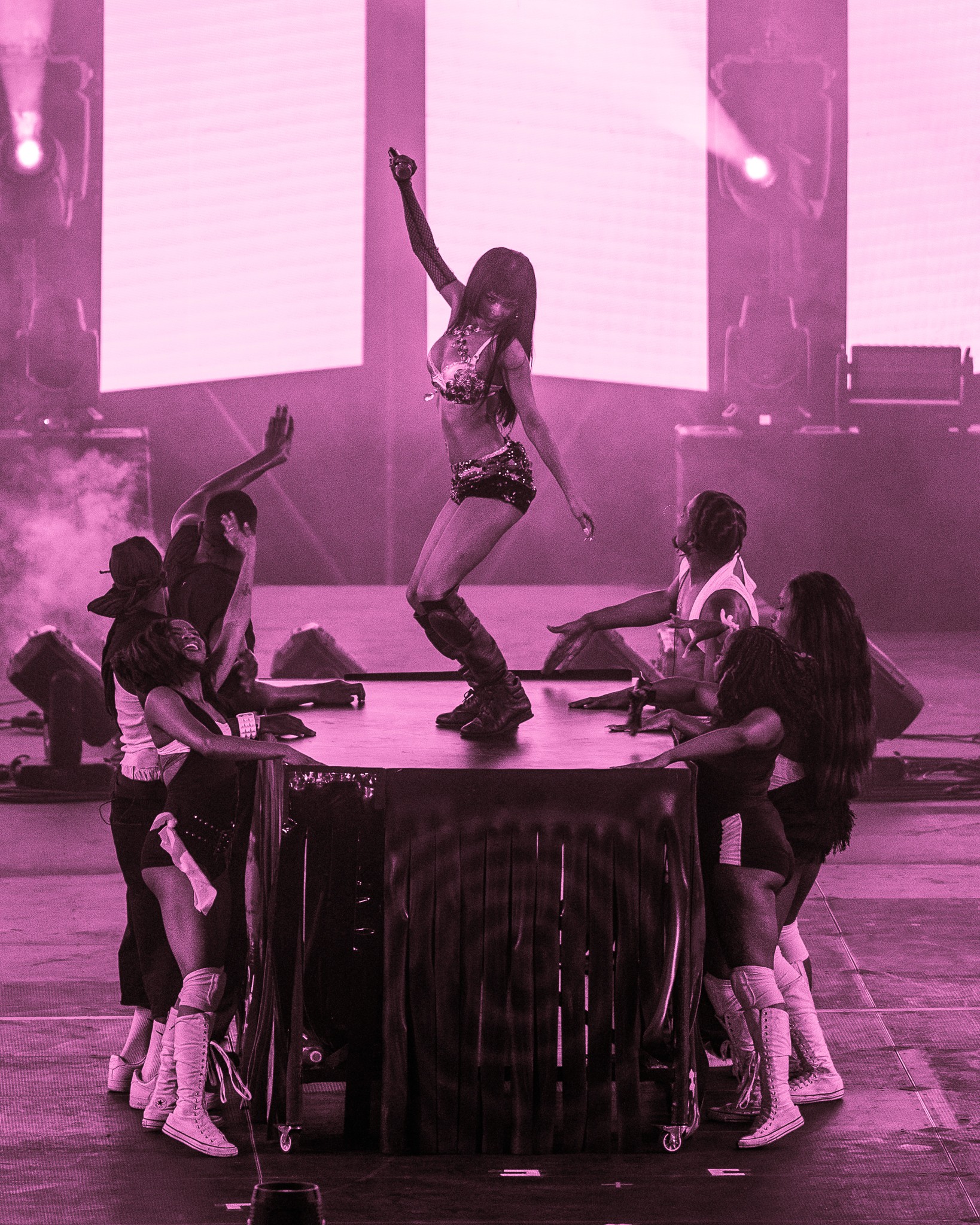
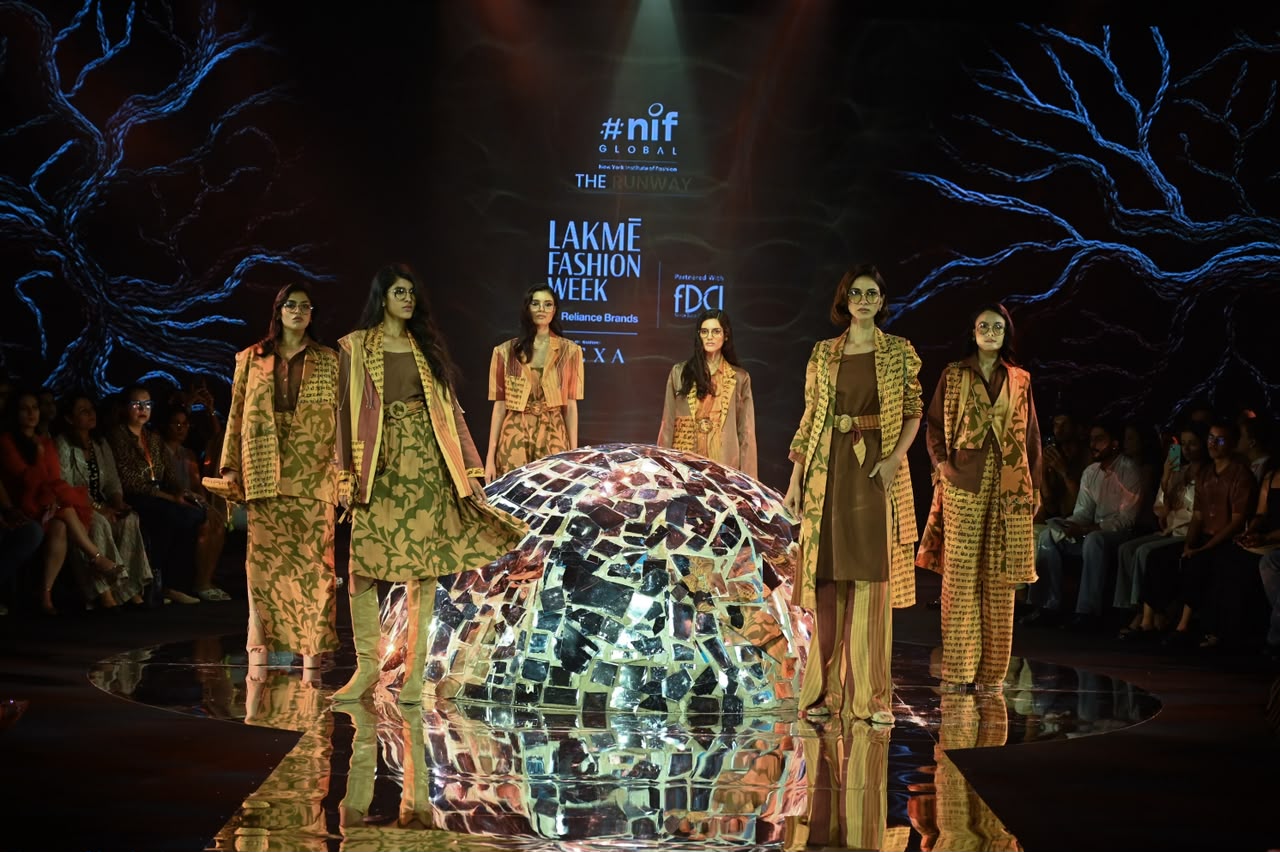
It's not about Nancy's talent - she is definitely very gifted and has earned her place in the fashion scene. But it's about the narrative being put forth. According to Salathia, India has world - class designers who've built global legacies: Abu Jani, Manish Malhotra, Vaishali S, Gaurav Gupta. These are names that dress royalty, that show at Paris Fashion Week, that represent the full spectrum of Indian design with legacies of decades. But when international pop stars land in India, the aesthetic often defaults to a very specific story: scrappy, authentic, "real India", rather than any actual focus on craftsmanship or culture.
"I'm not saying use couture," Salathia clarifies. "But the whole idea of social media sensationalism over highlighting the very rich and diverse craft clusters, I think that is something which everybody keeps concentrating on, and that really bothers me." He pauses. "Why is it that when Tyla performs in the US, she would probably show up in a customized Chanel? But here when it comes to India, then they want to bring in the whole 'poor India but lovely India' energy." Especially considering Tyla’s Indian heritage, this is more about the broader erasure of artisans and Indian identity as a whole.
Salathia’s opinion is a sharp critique of how India gets framed in global pop culture: not as a country with design sophistication and creative range, but as a place where the "authenticity" is always tied to a particular kind of struggle or simplicity. The question isn't whether Nancy Tyagi deserves the opportunity. It's whether international artists are choosing to engage with the full breadth of what India offers, or just the version that fits a pre-existing narrative.
The Infrastructure: World-Class Ambitions, Third-World Realities
If you want to understand the gap between where India is and where it wants to be, spend a day at an Indian music festival.
Duggal believes the capability gap is shrinking. “Five years ago, you couldn’t guarantee international-grade line-array systems everywhere. Now you can, at least in major cities. Stage engineering is better. Barricading and crowd flow planning have improved. Backstage logistics are tighter. It’s now about delivering that same experience consistently across states.”
Salathia is blunt about it: "I think most of the concerts in India are not well managed. Even Lollapalooza as a property sometimes really baffles me." He went to Lollapalooza in 2025 and found it decent - "very managed considering it's an international brand" - but still not up to the standard he experienced at Coachella.
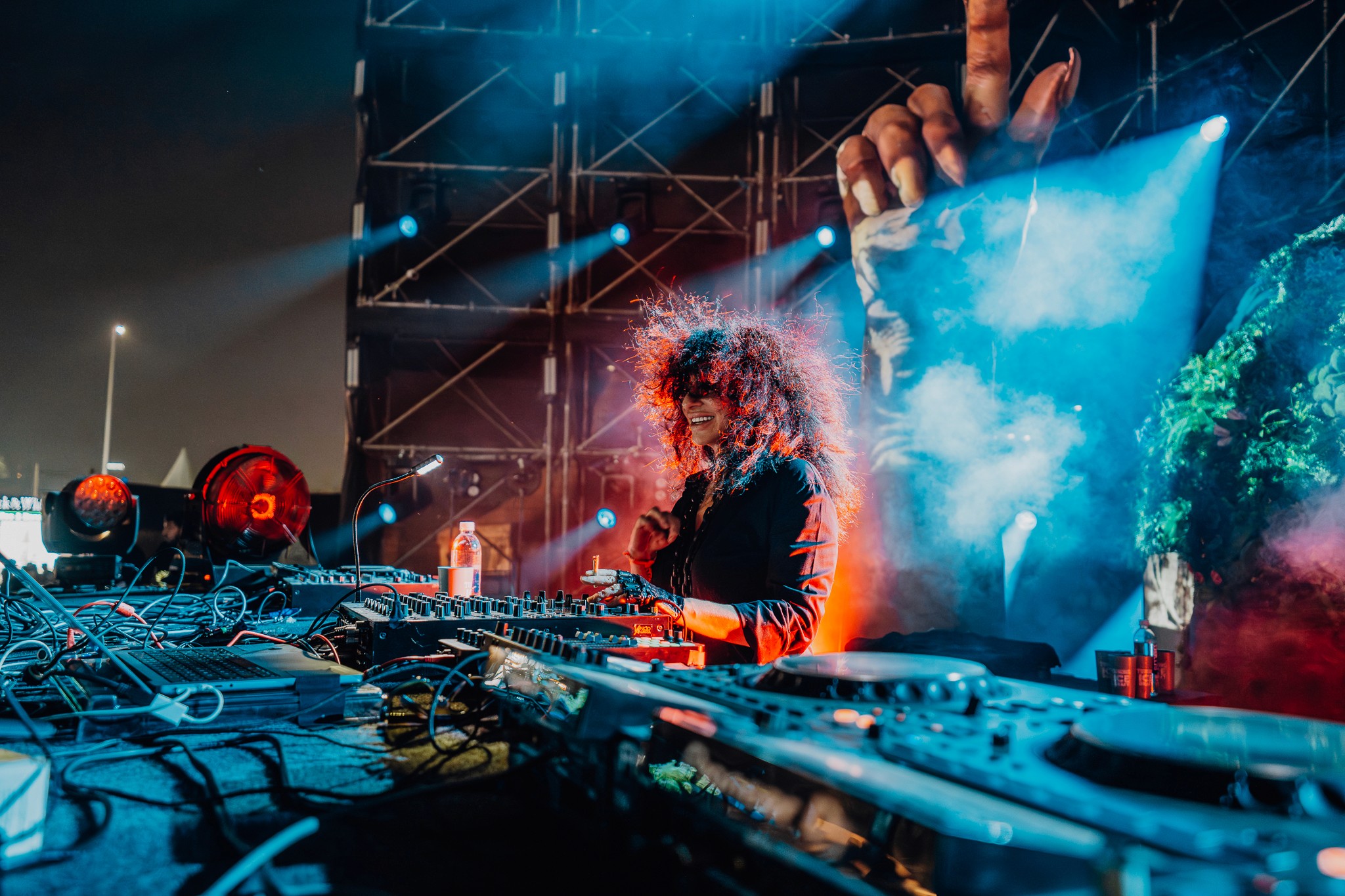
The one exception? Rolling Loud. "That was very, very well managed, to be very honest with you," Salathia says. "Be it the entry, the parking, the food, even the alcohol, for that matter, was incredible."
The issues are granular and frustrating: parking chaos, unclear entry points, overcrowded VIP sections that don't feel VIP at all. "India is obsessed with dividing people into, hey, you are in this class, I'm in this class," Salathia says. "Even if it says it's the platinum category or VVIP category, it's still a mess, even in terms of parking, in terms of positioning, in terms of how to get there."
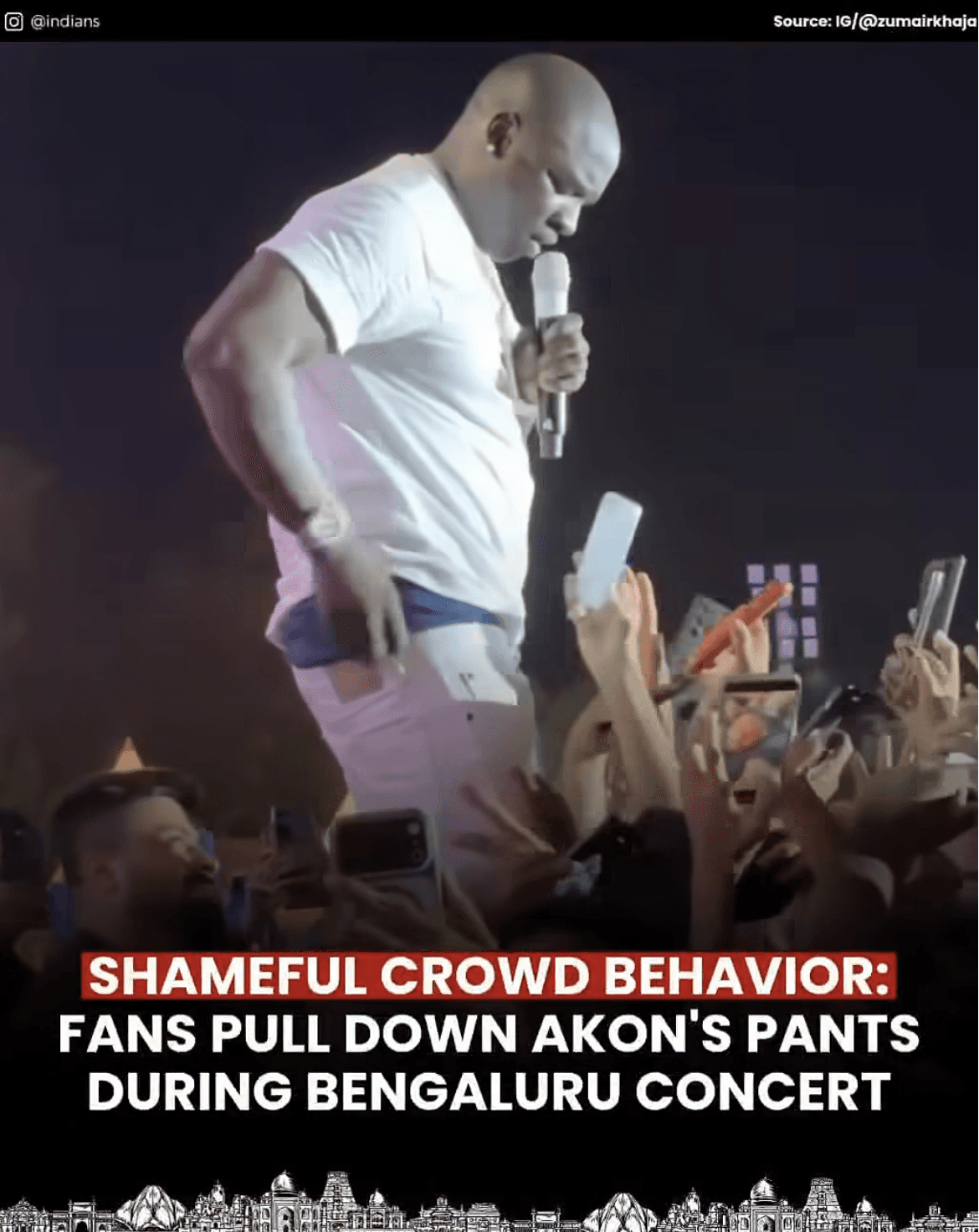
The class disparity in India can be seen in action on-ground at music festivals and concerts, with the extreme capitalisation of art. Amongst India’s top 1% who can actually afford to get into the space, there remains a huge divide between segregated sections such as GA, VIP, VVIP, Lounge, Brand Activation Lounge, Backstage and what not - maybe they’ll even start selling stage access passes for ₹10,00,000! Oh wait - they sort of already do, it’s called a fan pit, reserved only for the die-hard, most obsessed fans. Usually right on the stage or the closest to it, this is prime real estate at a music show - although, the obsession might be getting a bit too real for our favourite artists, considering how Akon, at his show in Bengaluru in 2025, was pantsed on-stage by his biggest die-hards!
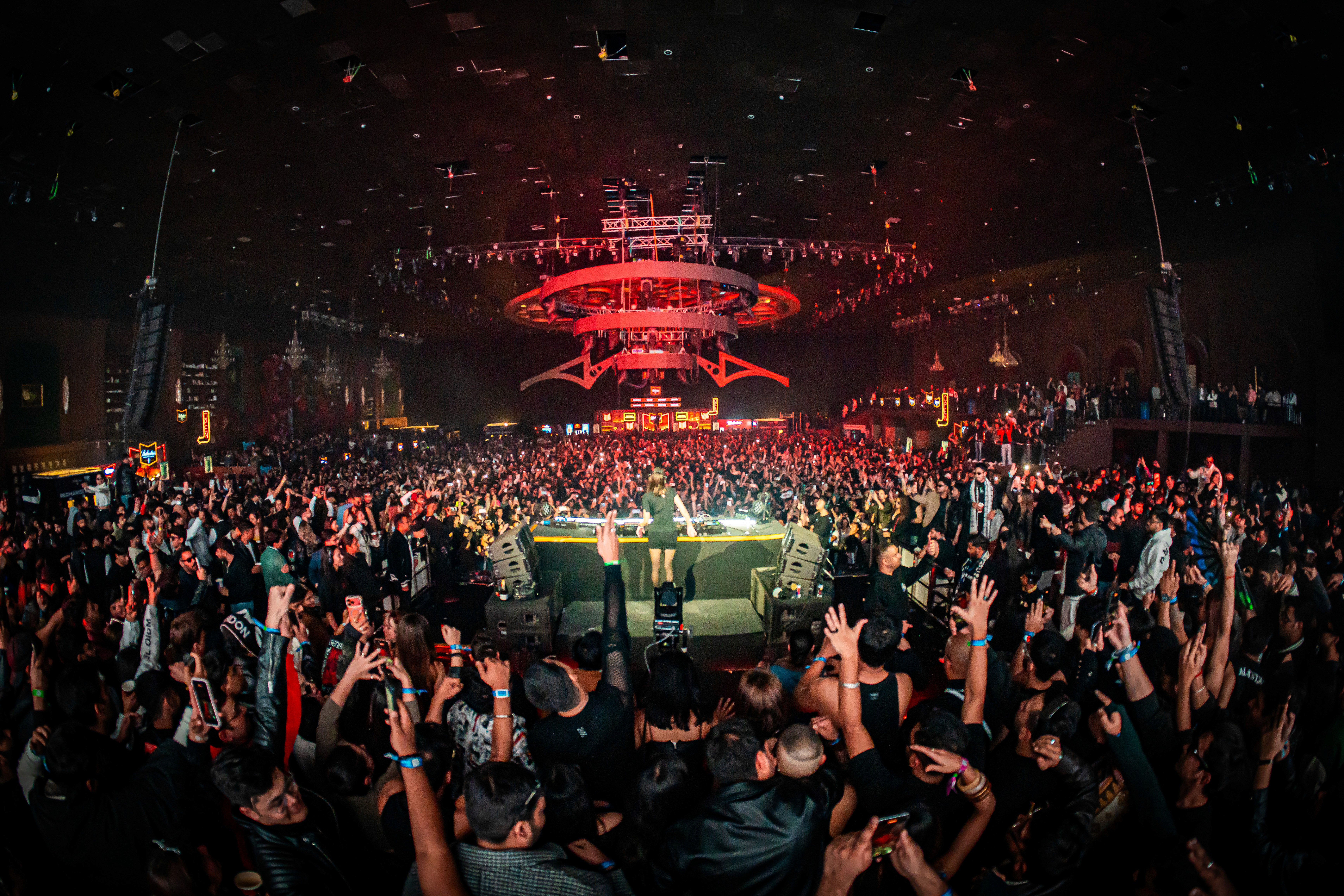
From an organizer's perspective, the challenges are even more complex. "For decades, India didn't lack talent or audiences, it lacked plug-and-play infrastructure," Timmins explains. "We had to build everything from scratch: production rigs, power systems, safety protocols, crowd flows, backstage ecosystems. Today, expectations are global. Artists demand broadcast-ready stages, advanced acoustics, high-load rigging, redundant power, trained technical crews, and international-grade safety systems."
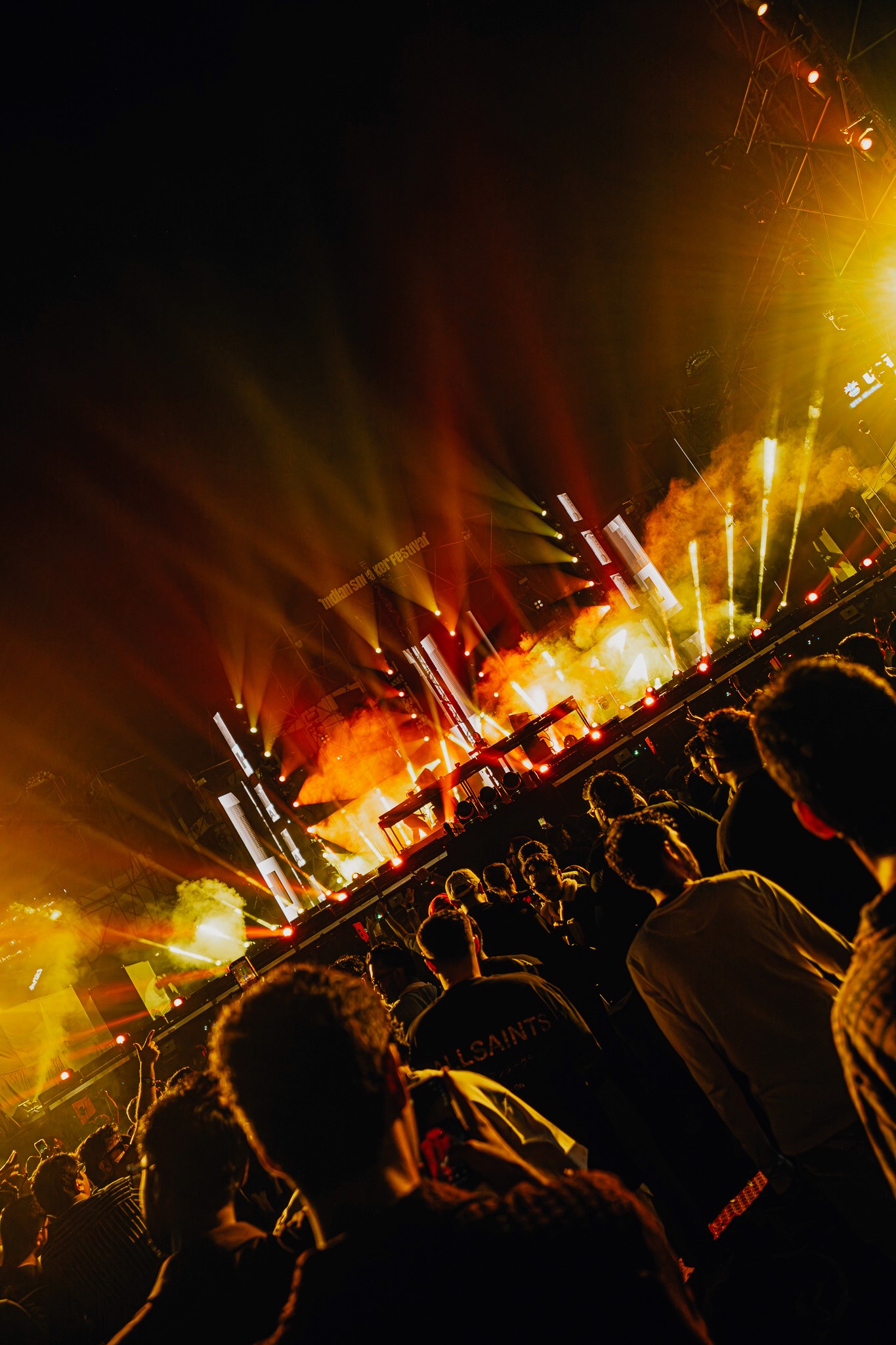
The bottleneck, according to Timmins, is venue supply. "While progress has been made, venues - especially 10,000+ capacity arenas - remain a bottleneck. Much of our work now involves adapting existing stadiums and public spaces into temporary but world-class venues. Long term, India needs permanent, multi-use performance infrastructure across Tier 2 and Tier 3 cities to truly unlock scale."
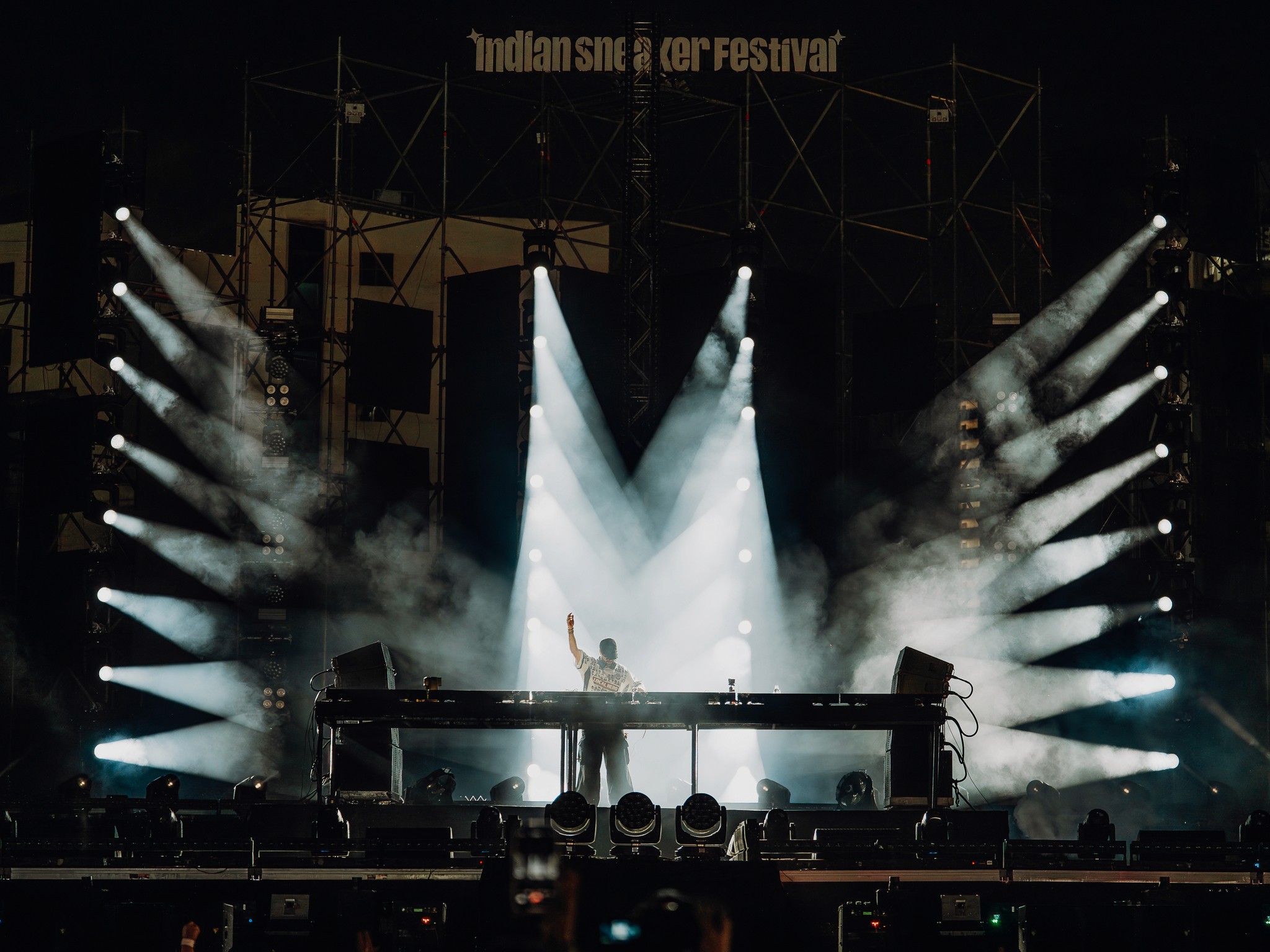
There's movement on this front. Industry and government discussions are currently centered around developing 25 to 30 new performance venues across India, particularly in Tier 2 and Tier 3 cities, with capacities ranging from 2,000 to 30,000. Cities like Ahmedabad, Jaipur, Hyderabad, Bangalore, and even Assam are "strongly catching up on becoming more accommodating for such events and putting in substantial funding to attract the artists," Timmins notes.
“For us, safety directly expands culture,” Duggal says. “When you invest in proper washrooms, hydration, visible security, indoor AQI-controlled venues, you’re signaling respect. That changes who feels welcome.”
He points to introducing a Female Only Zone at 101Festival as a structural decision, not a PR tactic. “When women and first-time attendees feel secure, attendance diversifies. We have witnessed the dire need for women’s safety in motion attending concerts in Delhi, and thus want to spearhead this change by becoming the first ones to do it. Hopefully this becomes standard across all festivals; the experience was significantly improved for our female attendees this time.”
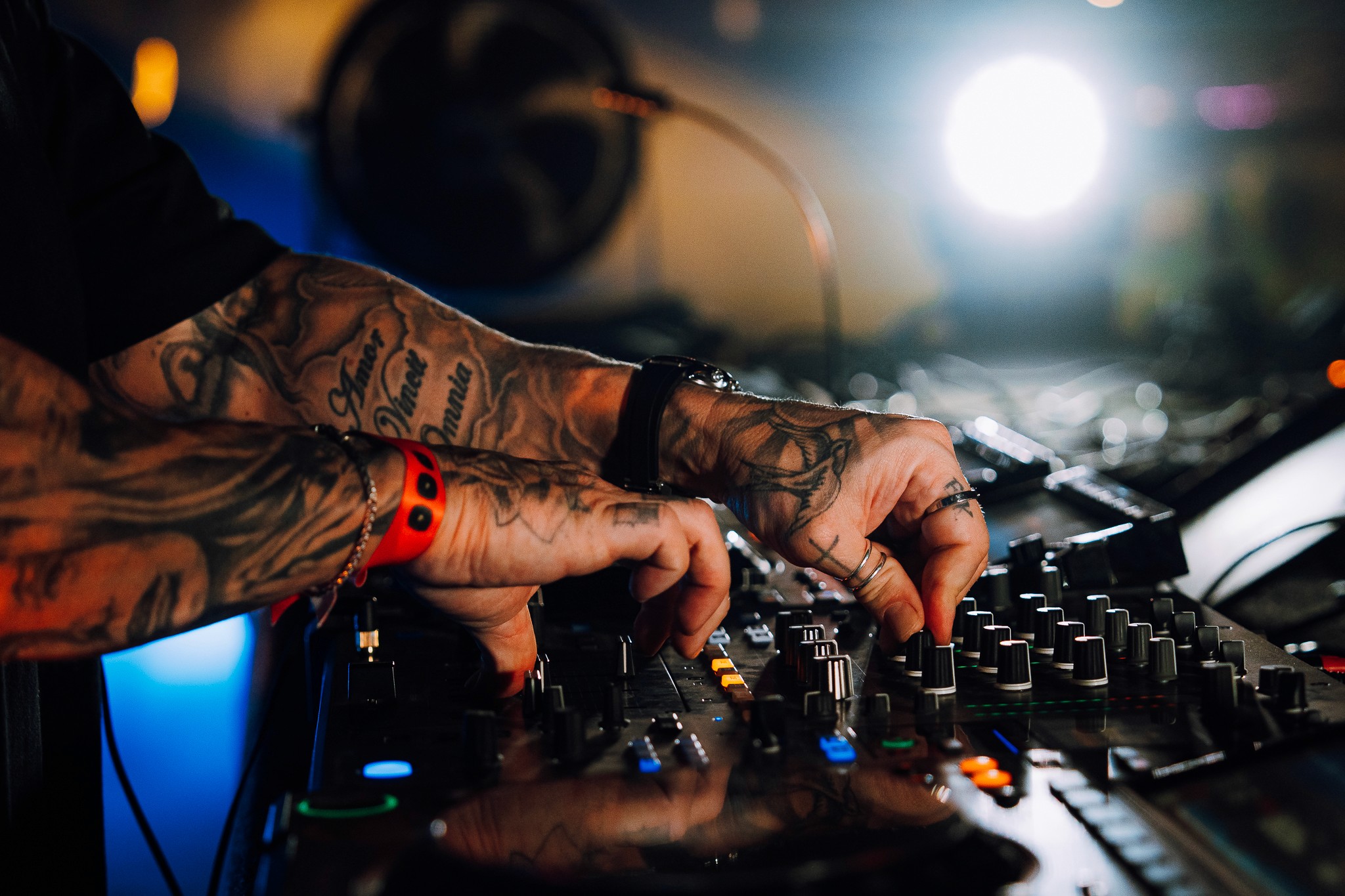
"I think Bombay is a very festival-friendly city," Salathia says. "Women, including my friends, have often talked about how they are able to express themselves freely here while going out." But Delhi NCR? A completely different story. "I haven't attended a festival in Delhi or Gurugram, but I see a lot of footage about people fighting and getting into fistfights. I think if you're having festivals up north, you need to have more security."
Case in point: Karan Aujla's concert at Jawaharlal Nehru Stadium in February 2026. What should have been a celebration of one of India's biggest Punjabi hip-hop stars, turned into a case study in what happens when crowd management fails. Videos circulated of fans breaking through barricades, security struggling to contain surges, and multiple brawls breaking out in the stands. The chaos went beyond just rowdy fans and revealed inadequate planning, understaffed security, and a venue that wasn't prepared for the scale or passion of the crowd it had sold tickets to.
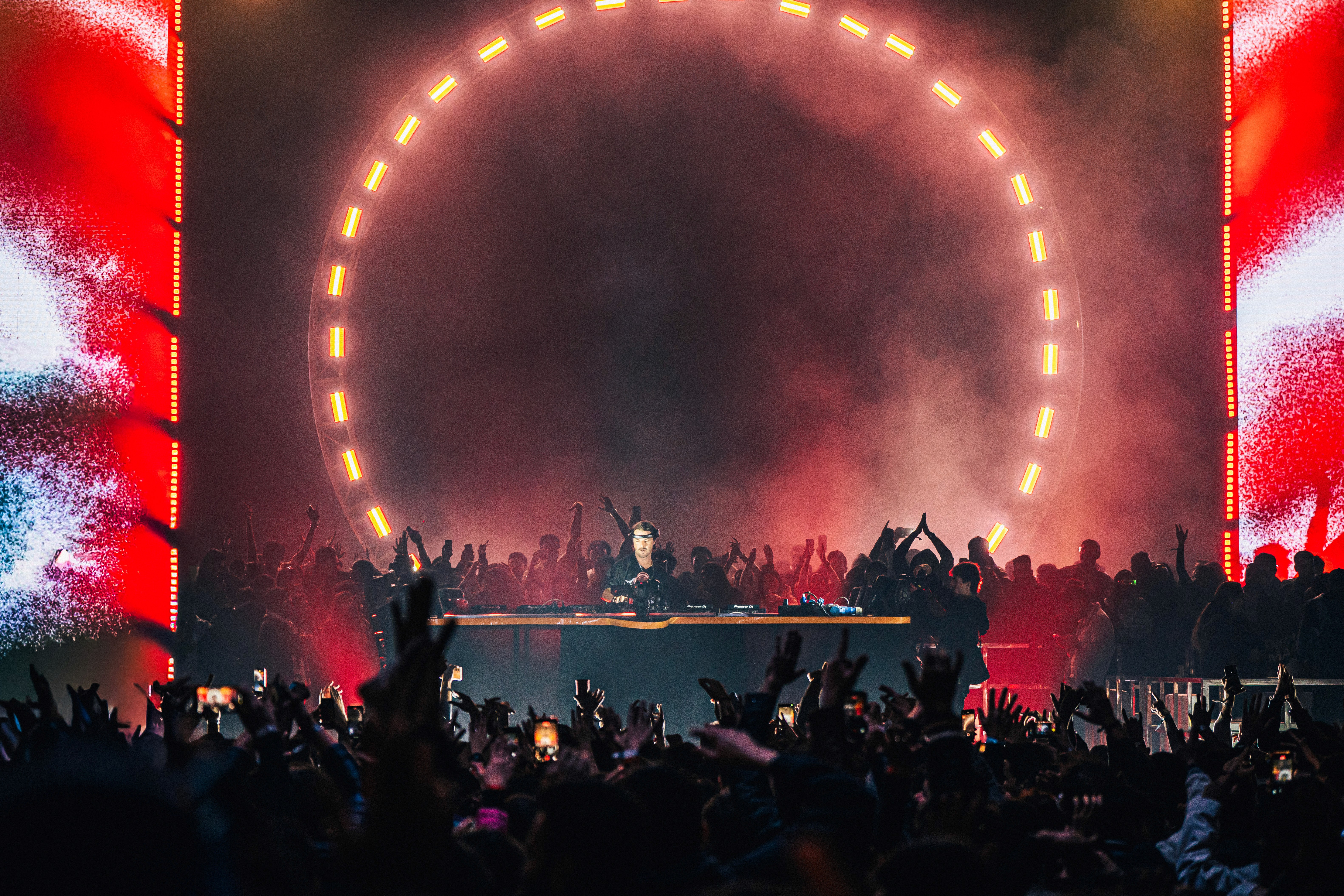
Now, that same venue is set to host Ye on March 29, 2026. It will be his first performance in India, and the hype is already building. Kanye West is one of the most decorated artists in Grammy history, with 24 wins and 76 nominations as of 2026, tying him with Jay-Z for the most awards won by a hip-hop artist. But the question lingers: if JLN Stadium couldn't handle Karan Aujla's audience without descending into disorder, what happens when 50,000 people show up for Kanye?
Ayushman, who has worked extensively in the underground festival circuit, agrees that governance is the biggest obstacle. "In cities like Delhi and Mumbai, high informal costs, political pressure, and forced VIP allocations make it extremely hard to run a sustainable event. This is why many global franchises prefer Southeast Asia. The audience is ready in India, but the system makes growth unnecessarily difficult."
Hip-Hop, Psytrance, Pop, and Everything In Between
In January 2025, 21 Savage walked onto the stage at the Indian Sneaker Festival in Gurugram and performed to a crowd that knew every word, every verse, and went truly bar-for-bar, not going quiet even on the n-word, once again. While 21 Savage was visibly shocked at the audacious Indian crowd, it was a homecoming for a genre that had already taken root in the country’s youth culture.
Rolling Loud's overwhelming success at their first edition was testament to this. Playboi Carti's performance at Lollapalooza India 2026 drew one of the festival's largest crowds, while Linkin Park was almost every millennial Indian’s dream. Travis Scott's Delhi and Mumbai shows sold out almost instantly. The genre's appeal cuts across class lines in a way that few others do, offering both aspiration and authenticity. When 21 Savage performed "Redrum" at the Sneaker Festival, the energy wasn't a performative version of American hip-hop culture - it was distinctly Indian, filtered through years of homegrown rap scenes in Mumbai, Delhi, and Bengaluru that had been building long before international acts started paying attention.
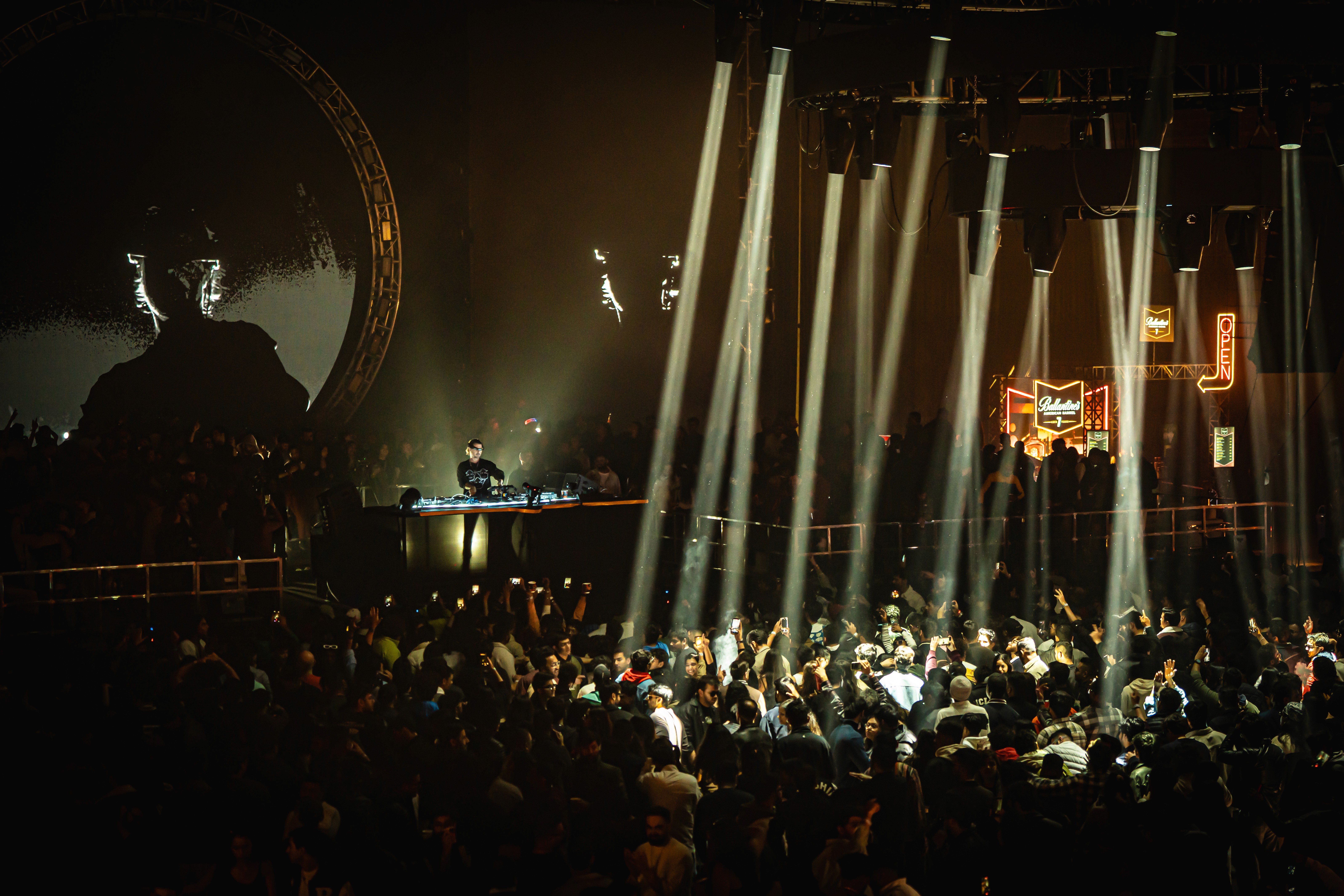
But if hip-hop represents India's ability to absorb and reinterpret global sounds, psytrance tells a different story entirely: one where India didn't just participate in a global movement but actually became the birthplace.
"Psytrance wasn't imported to India," says Ayushman. As founder of Psyfyi, he is personally dedicated to documenting and preserving India's psytrance culture. "It was created here. Goa in the late '80s and early '90s became this unique meeting point where Indian spiritual consciousness - trance states, cyclic rhythms, mantra, the idea of sound as a tool for transformation - collided with Western electronic music technology. What emerged was something entirely new."
The story of psytrance is inseparable from Goa's countercultural history. In the decades following India's independence, Goa became a magnet for seekers, travelers, and artists drawn to its beaches, its relative freedom, and its spiritual legacy. By the late 1980s, DJs like Goa Gil, often credited as the founder of psytrance, were hosting all-night beach parties that fused electronic beats with the repetitive, meditative structures of Indian classical music and devotional chanting. The music was designed to induce trance states as a form of collective healing and community building.
"The early scene was about creating a space where people could come together and experience something transcendent," Ayushman explains. "It wasn't about partying in the Western sense. It was about using music as a vehicle for consciousness, for connection, for transformation. That's deeply rooted in Indian philosophy and spirituality - the idea that sound, rhythm, and repetition can alter your state of being, making it positive and more elevated."
By the mid-1990s, psytrance had spread beyond Goa's beaches. It found audiences in Israel, where returning travelers brought the sound back and built one of the world's most vibrant psytrance scenes. It moved to Europe, Latin America, Australia. Festivals like Boom in Portugal and Ozora in Hungary became global pilgrimage sites. But the origin remained Goa and the DNA remained Indian.
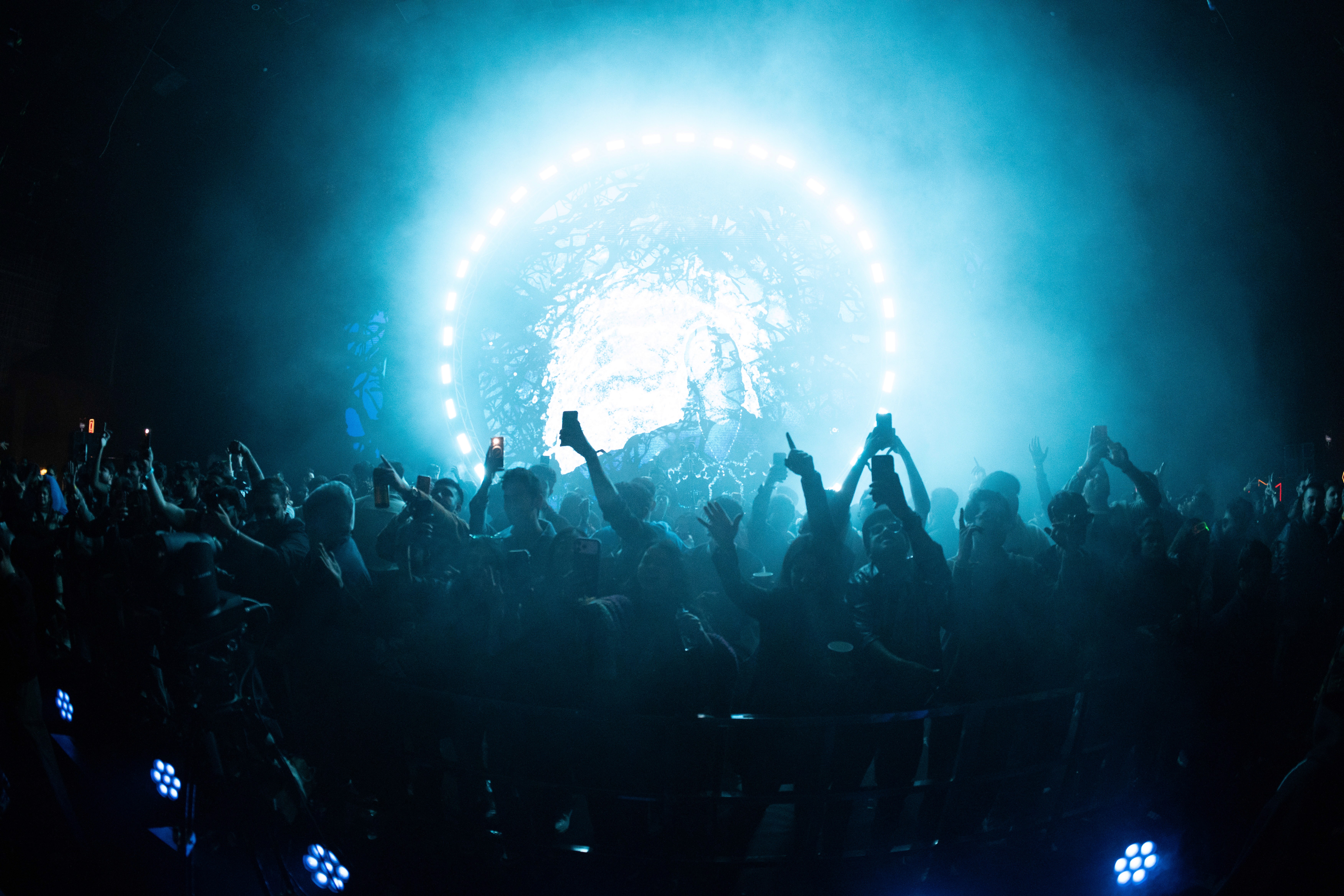
Today, psytrance festivals in India - particularly in Goa and Himachal Pradesh - draw international crowds from Israel, Palestine, Ukraine, Russia, Australia, and beyond. They're people seeking the same thing the original Goa travelers sought: a space where music, spirituality, and community intersect. "You'll see Israelis and Palestinians dancing side by side at a Goa festival," Ayushman says. "You'll see Russians and Ukrainians. The music creates a space where geopolitics dissolve, even if just for a night. That's the power of what was built here."
But that space is under threat. Government crackdowns on festivals have intensified in recent years, driven by concerns about drug use, noise complaints, and a broader discomfort with countercultural gatherings. Being the only genre which is not male dominated, female artists experience pay parity, safety and respect, and we all know how Indian society and politics treat outspoken women. With festival goers who are often queer and women dominated since the community has always been a safe space for the outcasts of society, the scene has come under scrutiny. Permits are harder to get. Police presence at festivals has increased. Some events have been shut down mid-festival. "The irony is painful," Ayushman says. "India created this culture. It's one of the most significant contributions India has made to global electronic music, drawing huge international crowds to date. And now, the government is actively trying to kill it."
When Coldplay plays Mumbai, the infrastructure bends to accommodate it. When a psytrance festival tries to operate in Bengaluru, it faces bureaucratic obstacles, police harassment, and a system that treats it as a problem to be managed rather than a culture to be preserved - something that was the ground reality at Blooming Green this year. "We're exporting this culture to the world," Ayushman says. "Psytrance festivals in Europe and Israel are massive, commercialized, and celebrated. Meanwhile, we're still fighting to preserve it at home."
Hip-hop and psytrance represent two ends of India's genre spectrum, one global and aspirational, the other homegrown and spiritual, but they're not the only sounds finding audiences here. India now hosts Asia's largest reggae gathering in Goa, called Sunplash, with their 10th edition in 2026. Downtempo and dub have dedicated followings. Rock festivals still draw crowds, even if they've been overshadowed by EDM and hip-hop's rise.
Pop, of course, remains king in terms of sheer scale. Coldplay's numbers speak for themselves. Shakira's return to India after nearly two decades - with shows in Mumbai and Delhi in April 2026 as part of the Feeding India Concert - generated massive buzz. And the possibility of BTS performing in India in 2026 (though not yet confirmed on their official tour routing) has sent K-pop fans into a frenzy.
"I think the diversification is real, and it's deeply rooted in Indian culture," Ayushman says. "Music in India has always been connected to consciousness: classical ragas, Sufi traditions, folk, devotional music. That never disappeared. It just evolved. That's why genres like psytrance, downtempo, reggae, and dub resonate here. They align with a listening culture that values repetition, trance, and emotional depth."
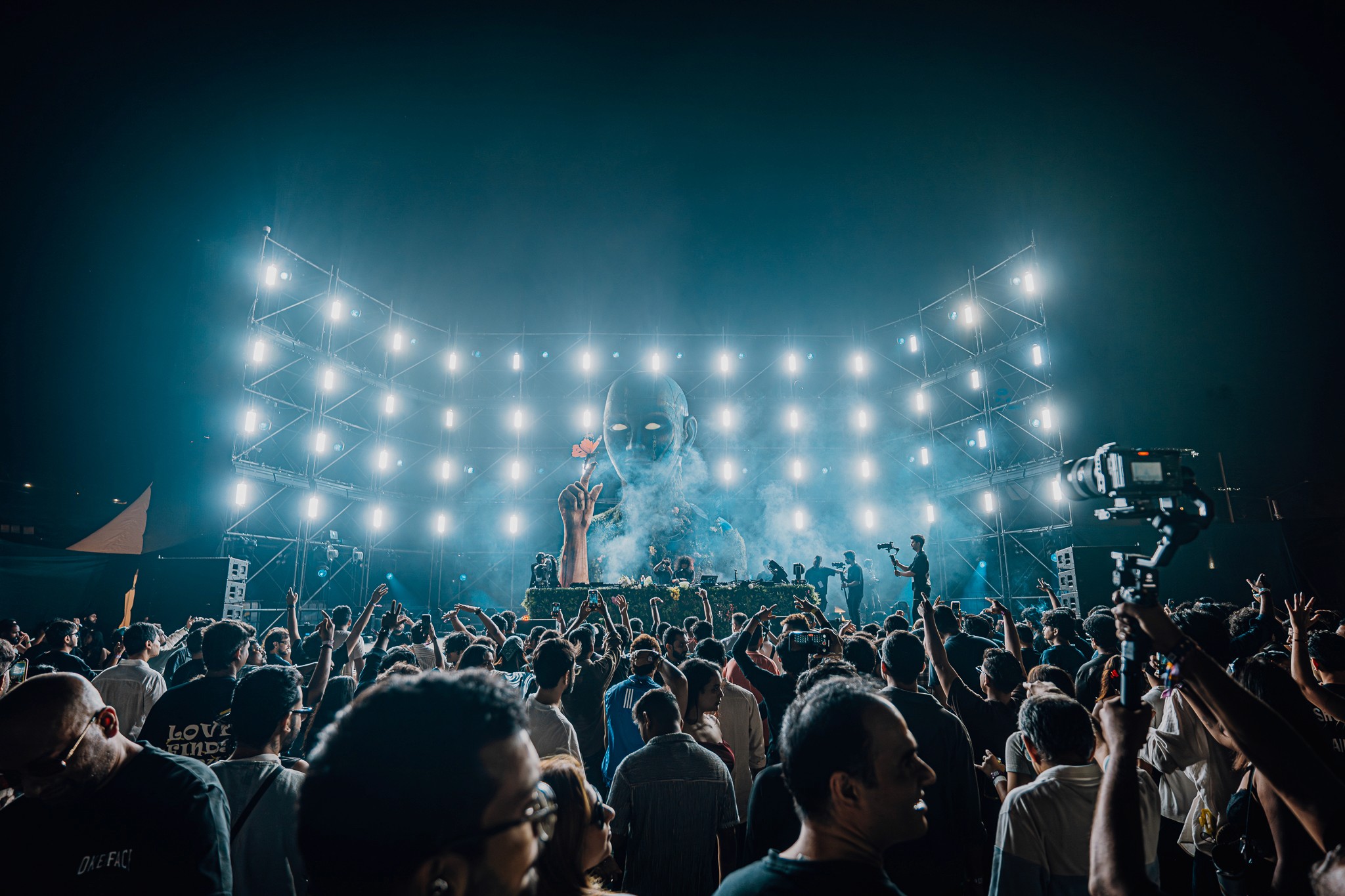
India now offers something very few countries can: a full spectrum of music tourism combined with spiritual and cultural immersion. You can catch a psytrance festival in Goa, do yoga in Rishikesh, trek in the Himalayas, and see a hip-hop show in Mumbai - all in the same trip. "Very few countries offer that range," Ayushman notes. "Music tourism is part of it, sure, but this is spiritual and cultural tourism combined. India still feels raw, transformative, and unpredictable, and that's exactly what draws people back year after year."
But here's the tension: as big-ticket international acts dominate headlines and ticket sales, what happens to the underground scenes that built India's music culture in the first place?
"There's growing tension between scale and soul," Ayushman says. "Bigger festivals bring visibility and money, but the grassroots energy that built the scene often struggles to survive alongside that growth."
Who Pays, Who Profits, and Who Gets Left Out
Let's talk about ticket prices. Because this is where the dream of India as a global music destination runs headfirst into the reality of India as a developing economy.
"I think Indian concert prices should be lesser," Salathia says flatly. "Look at our currency and I don't think we make that kind of money in India. Plus you want to have all the college kids and the young kids go and have fun, right?"
It's a fair point. When Coldplay tickets ranged from ₹2,500 to ₹35,000, and resale prices on the black market hit ₹1 lakh or more, you're pricing out a huge chunk of the audience that actually loves the music. The same dynamic played out with Travis Scott, Linkin Park, and other major acts. VIP and platinum packages can run into tens of thousands of rupees : accessible to India's growing upper-middle class and wealthy elite, but out of reach for the college students and young professionals who form the core of any music scene.
Duggal is pragmatic about the economics. “India can absolutely support global artists, but the revenue mix has to make sense. Ticket pricing has to reflect purchasing power. Sponsorship depth matters. Production costs are high, especially when you’re importing tech. Currency exposure adds another layer of risk. If one piece falls out of balance, the model collapses.”
“Concerts don’t just generate ticket revenue,” he adds. “They drive streetwear sales, F&B spikes, nightlife traffic, airline movement, creator economies. The strongest spillover right now is youth branding. Culture moves beyond the stage.”
Timmins acknowledges this tension but points to a broader economic picture. "Ticketing remains fundamental, as it validates demand. But the modern concert economy is an ecosystem. Travel, hospitality, destination marketing, merchandising, broadcast rights, digital platforms, and city partnerships now contribute meaningfully to revenue."
In other words: the ticket is just the beginning. When someone travels from Bangalore to Mumbai for a concert, they're booking flights, hotels, cabs, meals. They're buying merchandise. They're posting content that markets the city and the event. "Cities don't just host concerts; they co-benefit from them," Timmins explains. "Governments now recognise that live events are economic multipliers:they trigger hotel occupancy, flights, local transport, and tourism spends that go far beyond the ticket price."
This is why cities are increasingly co-investing in concerts. A successful concert can generate millions in indirect economic activity and position a city as a cultural destination.
Sponsorships have also evolved dramatically. "Fifteen years ago, brands were logo buyers," Timmins says. "Today, they are experience partners. Sponsorship now underwrites risk, enhances production value, and extends the life of an event through content, digital amplification, and community engagement. Brands want cultural relevance, not just visibility:and live music delivers that in a way few platforms can."
For underground and alternative genres, the economics are trickier. "Ticketing alone doesn't work," Ayshman says. "Sustainable models combine destination travel, limited-capacity experiences, meaningful merch, food and beverage collaborations, workshops, and brand partnerships. The key is community. When people feel they belong to a culture, not just an event, they support it long-term."
Psyfyi, for instance, created its own merchandise line, as a means for people "to represent themselves through what they wear, something that feels honest to the culture they're part of." The designs are inspired by psytrance, underground club culture, spirituality, and counterculture, with a focus on high-quality, sustainable fabrics. "Fast fashion goes completely against what these communities stand for," Ayushman explains.
When the Government Shows Up (and When It Doesn't)
Here's the part nobody wants to talk about but everyone experiences: the regulatory nightmare.
"Psytrance festivals often face stricter scrutiny around permissions, and regulation," Ayushman says. "These realities shape everything. Many creative decisions are driven by fear rather than vision. Organisers spend more time managing permissions and last-minute rule changes than focusing on experience design."
The result? Festivals become conservative. Shorter hours. Safer lineups. Toned-down art. "Smaller independent crews can't survive this pressure, which slowly drains the scene of its grassroots energy," Ayushman notes. "Instead of regulation enabling safety and quality, it often becomes a barrier that pushes culture back underground."
Timmins is more diplomatic but equally clear: "The conversations are detailed and candid. Artists and managers evaluate production feasibility and safety standards, load-in/load-out timelines, reliability of power, logistics, and crowd control, regulatory clarity and visa processes, financial upside versus operational complexity. India is attractive because demand is massive and audiences are deeply engaged. The challenge is infrastructure consistency and timelines still vary by city."
There's also a deeper cultural issue at play. "There's still a discomfort with pleasure-led economies in India," Ayushman says. "Music, nightlife, and festivals are often treated as moral problems rather than cultural or economic opportunities. Over-policing, arbitrary shutdowns, and bureaucratic pressure have destroyed multiple legitimate festivals. Meanwhile, countries like Thailand and Sri Lanka actively welcome the same audiences with clear policies and support. India already has the cultural capital, it just lacks institutional vision."
The Future: Top Five by 2030?
So where does this all go?
If you ask Timmins, the trajectory is clear. "If policy, infrastructure, and private capital align, India has a realistic opportunity to emerge as one of the world's top five live entertainment markets by 2030, with the potential to support millions of jobs and position live culture as a pillar of India's soft power."
The pieces are in place. The audience is there:young, digitally connected, increasingly affluent, and hungry for experiences. The demand is proven. International artists and agencies are actively routing India into their tours. Cities are waking up to the economic and branding value of concerts. Sponsorships are maturing. Infrastructure is improving, albeit slowly.
But the obstacles are real. Venue supply remains a bottleneck. Regulatory unpredictability continues to scare off investors and organizers. Pricing accessibility is a persistent tension. Safety and crowd management need serious attention, especially outside of Mumbai. And there's the existential question of whether India will protect and nurture its own grassroots music cultures or simply become a market for imported global acts.
"India doesn't need to copy global formats," Ayushman says. "If we preserve our scenes and invest in long-term cultural infrastructure, India won't just host global culture, it will shape it."
Salathia, ever the pragmatist, has a simpler wish: "I just feel that everybody needs to get a chamat, whoever's not well behaved. The cops, the organizers, everybody needs to be much stricter. So that it can be managed well."
Fair enough.
Because here's the thing: India is already on the map. Ye is coming. Shakira is coming. Drake and The Weeknd are reportedly in talks. BTS might show up. Gorillaz literally made an album inspired by this country. The world is touring India because it makes financial and cultural sense.
For Duggal, the next phase is structural. “If entertainment taxation becomes simpler, visa and customs clearances move faster, and more purpose-built venues come online, India shifts from optional stop to routing necessity.”
He’s clear about the long game. “We’re not chasing moments. We’re building cultural infrastructure. Platforms like ISF aren’t just lineups. They’re ecosystems connecting artists, brands, creators, and youth identity.”
The question now isn't whether India can attract global acts. It's whether India can build an ecosystem that's sustainable, equitable, safe, and true to its own cultural identity. Whether it can move from being a destination market to being a cultural leader. Whether it can protect the underground scenes that gave birth to this moment while also scaling to stadium-level ambitions.
The concert economy is booming. The infrastructure is catching up. The audience is ready.
Now comes the hard part: making sure the music doesn't get lost in the noise.
TO BE CONTINUED, FOR SUBSCRIBERS ONLY.
This is where the surface ends and the reporting begins.
The complete piece, the full archive, and access to The French Press Circle. Reporting answerable only to its readers.
Already a subscriber ?
Login
Read these on the house, with our compliments.
A selection from the current issue, open to all readers. Read them in full. The rest is one decision away.





On a humid October evening in 2025, Travis Scott took the stage at Delhi's Jawaharlal Nehru Stadium, and about 40,000 people collectively lost their minds. The mosh pit surged like a tsunami - bodies crashing, elbows flying, phones held high as makeshift totems. It had the frantic energy of a Kumbh Mela stampede, except everyone was screaming the n-word at full volume and no one was there for salvation. Some knew every bar of "Sicko Mode." Others just knew this was the place to be, the story to post, the moment to claim - or there would be serious FOMO to deal with. By the time Scott left India after back-to-back shows in Delhi and Mumbai, the internet had already moved on to the next major solo artist announcement: Ye (formerly Kanye West), with a casual 24 Grammy awards under his discography, would perform at the same stadium in March 2026. Then Shakira in April. Then whispers of Drake and The Weeknd. Then BTS.
The script has flipped. India isn't waiting for the world anymore-the world is scrambling for a slot on India's calendar.
The numbers tell a story that even the most skeptical industry veterans can't ignore. According to Wizcraft, when Coldplay toured India in early 2025, the band sold close to 400,000 tickets across multiple shows, generating over ₹240 crore in gross sales, with ₹70+ crore going directly to GST. India's organised live events market, once a cultural footnote, is now valued at roughly ₹142 billion and projected to grow to nearly ₹235 billion by 2027, expanding at an annual rate of around 18%. To put that in perspective: live entertainment is now one of the fastest-growing segments within India's ₹2.5 trillion media and entertainment economy.
"When we started in the late '80s and early '90s, live concerts in India were largely passion projects-culturally important, but economically fragile," says Andre Timmins, co-founder of Wizcraft and creator of the International Indian Film Academy Awards (IIFA). "Today, live music and large-format events are a structured economic engine. What was once a niche cultural activity has become a serious contributor to India's media, entertainment, and tourism economy."
But here's where it gets interesting. Because while India is undeniably having a moment, the infrastructure, on-ground reality, and contradictions of that moment reveal a country caught between aspiration and reality, between global ambition and local chaos, between becoming a cultural superpower and still figuring out how to manage women’s safety in the crowd.
From Experimental Stop to Permanent Circuit
There was a time, not that long ago, when India was treated like a third-tier stop on an artist's world tour. A nice-to-have. A PR move. A place where you showed up, did one show in Mumbai, posted a photo in front of the Taj Mahal, and left.
That time, as we know it, is over.
"India's emergence as a global touring destination is no longer anecdotal, it is data-backed," Timmins explains. "When you see international artists selling out multiple stadium shows across cities, that's a structural shift." He points to three key indicators: ticket velocity and price elasticity (audiences are buying early and across price bands), repeat routing (artists now plan multi-city India legs, instead one-off stops), and government and city participation (cities see concerts as tourism drivers, not logistical headaches).
Nikunj Duggal, founder of Indian Sneaker Festival, says the shift didn’t happen accidentally.
“We had to convince international teams that India wasn’t a risky add-on,” he says. “We walked into those rooms with streaming data, social engagement metrics, diaspora crossover numbers, and brand appetite. The point was simple: this isn’t an emerging gamble. It’s an underserved opportunity.”
He admits perception was the biggest hurdle. “Teams questioned infrastructure reliability, payment security, whether the audience depth was real. Without a global franchise backing us, we relied on escrow-backed payments, strong local sponsors, and executing production riders exactly the way global teams expect. Reputation builds faster through execution than marketing ever could.”
The 2025-2026 concert calendar reads like a fever dream for Indian music fans. Linkin Park and Playboi Carti co-headlined Lollapalooza India in January 2026 at Mumbai's Mahalaxmi Racecourse. Rolling Loud, the world's largest hip-hop festival, made its Indian debut in November 2025 with performances from artists like Central Cee, Wiz Khalifa, Don Toliver, and Punjabi star Karan Aujla. Tyla and Lil Yachty graced the stage at Indian Sneaker Festival Mumbai, while the Delhi edition in early 2025 welcomed 21 Savage - the first independent lifestyle festival IP to bring an artist of his magnitude to India. And in a moment that felt almost surreal, Damon Albarn and Jamie Hewlett of Gorillaz announced that their ninth studio album, The Mountain (titled in Devanagari as पर्वत), was inspired by and recorded in India : across Mumbai, New Delhi, Rajasthan, and Varanasi. The album, released in February 2026, features collaborations with Indian artists like Ajay Prasanna, Asha Bhosle and Anoushka Shankar, and explores themes of life, death, and transition through the lens of Indian spirituality.
"India has shaped major music cultures," says Ayushman, founder of Psyfyi, India's fastest growing electronic music and counterculture magazine. "Concepts like trance states, cyclic rhythm, mantra, and sound as a spiritual tool already existed here long before electronic music arrived. When Western travellers came to Goa - the birthplace of Psytrance, they recognised something familiar, and that’s what stuck with them."
It's a point worth sitting with. India has always had a nuanced music culture. Classical ragas, Sufi traditions, folk, devotional music : these are living, breathing traditions that have quietly influenced global music for decades. The irony, as Ayushman points out, is that "while psytrance scaled and commercialised successfully in Europe, Israel, and Latin America, India now struggles to protect its own legacy. Just like yoga or Ayurveda, the culture was exported, refined abroad, and monetised, while we're still fighting to preserve it at home."
Social Currency vs. Actual Fandom
Sahil Salathia, an Indian actor and frequent concert attendee, has a theory about why festivals feel different now than they did five years ago. "I think five years ago, real music lovers would show up," he says. "Now everybody shows up because they want to put it up on Instagram. Sometimes they don't know the artist or the music but they would want to go because hey, it's cool to be there and to upload a story and to dress up."
Brutal? Yes. Unfair? Maybe not. Attending a concert in India today? It's as much about social currency as it is about the actual music. Maybe more. The outfit. The story. The grid post. The sense of belonging to a "cool community of people who go to concerts," as Salathia puts it. "India is all about community," he explains. "We make a small community and we think we're a part of it. It's like going to the movies. Let's say if it's a Salman Khan film, why is it that the entire country shows up to the theaters? Because there is a sense of belonging, right? Same with concerts, I feel. The younger people especially, like say aged 21 to 25, they'll all make a little group and they'll show up and then they're a part of this community—something bigger than just one individual."
This shift has real implications. On one hand, it's democratised access : more people are showing up, which means more demand, which means more shows. On the other hand, it's created a culture where the performance itself sometimes feels secondary. Salathia recalls seeing footage of Tyla's performance in India and being disappointed. "She didn't even drop water on herself, which is her trademark, you know, with that song. So that's her trademark step, and she didn't do it." He contrasts this with his experience at Coachella, where he saw Tyla perform. "I think if you go to Coachella or if you go to the other international festivals, how they perform there compared to how they perform here - there’s a huge gap in performance and choreography.”
Is it possible that some international artists phone it in when they come to India? That they assume showing up is enough? Salathia thinks so. "Maybe they think we are going to this third world country - the exaggerated image of India abroad. So maybe if we do just the bare minimum, that'll be enough because showing up in India is a big enough deal anyway."
There's also the uncomfortable question of aesthetic packaging, that allows for the stereotypical representation of the country. When Tyla performed in India, she was styled in a garment made by Nancy Tyagi, a social media creator whose work often leans into a particular vision of India: independent, raw yet real. Salathia sees this as part of a larger pattern. "When Nancy Tyagi dressed Tyla for a concert, first of all, I think everybody wants India to look like Slumdog Millionaire," he says. "Nancy is an amazing artist, but the choice to spotlight her specifically feels like it's saying something about what 'Indian' is supposed to mean when international artists come here."
It's not about Nancy's talent - she is definitely very gifted and has earned her place in the fashion scene. But it's about the narrative being put forth. According to Salathia, India has world - class designers who've built global legacies: Abu Jani, Manish Malhotra, Vaishali S, Gaurav Gupta. These are names that dress royalty, that show at Paris Fashion Week, that represent the full spectrum of Indian design with legacies of decades. But when international pop stars land in India, the aesthetic often defaults to a very specific story: scrappy, authentic, "real India", rather than any actual focus on craftsmanship or culture.
"I'm not saying use couture," Salathia clarifies. "But the whole idea of social media sensationalism over highlighting the very rich and diverse craft clusters, I think that is something which everybody keeps concentrating on, and that really bothers me." He pauses. "Why is it that when Tyla performs in the US, she would probably show up in a customized Chanel? But here when it comes to India, then they want to bring in the whole 'poor India but lovely India' energy." Especially considering Tyla’s Indian heritage, this is more about the broader erasure of artisans and Indian identity as a whole.
Salathia’s opinion is a sharp critique of how India gets framed in global pop culture: not as a country with design sophistication and creative range, but as a place where the "authenticity" is always tied to a particular kind of struggle or simplicity. The question isn't whether Nancy Tyagi deserves the opportunity. It's whether international artists are choosing to engage with the full breadth of what India offers, or just the version that fits a pre-existing narrative.
The Infrastructure: World-Class Ambitions, Third-World Realities
If you want to understand the gap between where India is and where it wants to be, spend a day at an Indian music festival.
Duggal believes the capability gap is shrinking. “Five years ago, you couldn’t guarantee international-grade line-array systems everywhere. Now you can, at least in major cities. Stage engineering is better. Barricading and crowd flow planning have improved. Backstage logistics are tighter. It’s now about delivering that same experience consistently across states.”
Salathia is blunt about it: "I think most of the concerts in India are not well managed. Even Lollapalooza as a property sometimes really baffles me." He went to Lollapalooza in 2025 and found it decent - "very managed considering it's an international brand" - but still not up to the standard he experienced at Coachella.
The one exception? Rolling Loud. "That was very, very well managed, to be very honest with you," Salathia says. "Be it the entry, the parking, the food, even the alcohol, for that matter, was incredible."
The issues are granular and frustrating: parking chaos, unclear entry points, overcrowded VIP sections that don't feel VIP at all. "India is obsessed with dividing people into, hey, you are in this class, I'm in this class," Salathia says. "Even if it says it's the platinum category or VVIP category, it's still a mess, even in terms of parking, in terms of positioning, in terms of how to get there."
The class disparity in India can be seen in action on-ground at music festivals and concerts, with the extreme capitalisation of art. Amongst India’s top 1% who can actually afford to get into the space, there remains a huge divide between segregated sections such as GA, VIP, VVIP, Lounge, Brand Activation Lounge, Backstage and what not - maybe they’ll even start selling stage access passes for ₹10,00,000! Oh wait - they sort of already do, it’s called a fan pit, reserved only for the die-hard, most obsessed fans. Usually right on the stage or the closest to it, this is prime real estate at a music show - although, the obsession might be getting a bit too real for our favourite artists, considering how Akon, at his show in Bengaluru in 2025, was pantsed on-stage by his biggest die-hards!
From an organizer's perspective, the challenges are even more complex. "For decades, India didn't lack talent or audiences, it lacked plug-and-play infrastructure," Timmins explains. "We had to build everything from scratch: production rigs, power systems, safety protocols, crowd flows, backstage ecosystems. Today, expectations are global. Artists demand broadcast-ready stages, advanced acoustics, high-load rigging, redundant power, trained technical crews, and international-grade safety systems."
The bottleneck, according to Timmins, is venue supply. "While progress has been made, venues - especially 10,000+ capacity arenas - remain a bottleneck. Much of our work now involves adapting existing stadiums and public spaces into temporary but world-class venues. Long term, India needs permanent, multi-use performance infrastructure across Tier 2 and Tier 3 cities to truly unlock scale."
There's movement on this front. Industry and government discussions are currently centered around developing 25 to 30 new performance venues across India, particularly in Tier 2 and Tier 3 cities, with capacities ranging from 2,000 to 30,000. Cities like Ahmedabad, Jaipur, Hyderabad, Bangalore, and even Assam are "strongly catching up on becoming more accommodating for such events and putting in substantial funding to attract the artists," Timmins notes.
“For us, safety directly expands culture,” Duggal says. “When you invest in proper washrooms, hydration, visible security, indoor AQI-controlled venues, you’re signaling respect. That changes who feels welcome.”
He points to introducing a Female Only Zone at 101Festival as a structural decision, not a PR tactic. “When women and first-time attendees feel secure, attendance diversifies. We have witnessed the dire need for women’s safety in motion attending concerts in Delhi, and thus want to spearhead this change by becoming the first ones to do it. Hopefully this becomes standard across all festivals; the experience was significantly improved for our female attendees this time.”
"I think Bombay is a very festival-friendly city," Salathia says. "Women, including my friends, have often talked about how they are able to express themselves freely here while going out." But Delhi NCR? A completely different story. "I haven't attended a festival in Delhi or Gurugram, but I see a lot of footage about people fighting and getting into fistfights. I think if you're having festivals up north, you need to have more security."
Case in point: Karan Aujla's concert at Jawaharlal Nehru Stadium in February 2026. What should have been a celebration of one of India's biggest Punjabi hip-hop stars, turned into a case study in what happens when crowd management fails. Videos circulated of fans breaking through barricades, security struggling to contain surges, and multiple brawls breaking out in the stands. The chaos went beyond just rowdy fans and revealed inadequate planning, understaffed security, and a venue that wasn't prepared for the scale or passion of the crowd it had sold tickets to.
Now, that same venue is set to host Ye on March 29, 2026. It will be his first performance in India, and the hype is already building. Kanye West is one of the most decorated artists in Grammy history, with 24 wins and 76 nominations as of 2026, tying him with Jay-Z for the most awards won by a hip-hop artist. But the question lingers: if JLN Stadium couldn't handle Karan Aujla's audience without descending into disorder, what happens when 50,000 people show up for Kanye?
Ayushman, who has worked extensively in the underground festival circuit, agrees that governance is the biggest obstacle. "In cities like Delhi and Mumbai, high informal costs, political pressure, and forced VIP allocations make it extremely hard to run a sustainable event. This is why many global franchises prefer Southeast Asia. The audience is ready in India, but the system makes growth unnecessarily difficult."
Hip-Hop, Psytrance, Pop, and Everything In Between
In January 2025, 21 Savage walked onto the stage at the Indian Sneaker Festival in Gurugram and performed to a crowd that knew every word, every verse, and went truly bar-for-bar, not going quiet even on the n-word, once again. While 21 Savage was visibly shocked at the audacious Indian crowd, it was a homecoming for a genre that had already taken root in the country’s youth culture.
Rolling Loud's overwhelming success at their first edition was testament to this. Playboi Carti's performance at Lollapalooza India 2026 drew one of the festival's largest crowds, while Linkin Park was almost every millennial Indian’s dream. Travis Scott's Delhi and Mumbai shows sold out almost instantly. The genre's appeal cuts across class lines in a way that few others do, offering both aspiration and authenticity. When 21 Savage performed "Redrum" at the Sneaker Festival, the energy wasn't a performative version of American hip-hop culture - it was distinctly Indian, filtered through years of homegrown rap scenes in Mumbai, Delhi, and Bengaluru that had been building long before international acts started paying attention.
But if hip-hop represents India's ability to absorb and reinterpret global sounds, psytrance tells a different story entirely: one where India didn't just participate in a global movement but actually became the birthplace.
"Psytrance wasn't imported to India," says Ayushman. As founder of Psyfyi, he is personally dedicated to documenting and preserving India's psytrance culture. "It was created here. Goa in the late '80s and early '90s became this unique meeting point where Indian spiritual consciousness - trance states, cyclic rhythms, mantra, the idea of sound as a tool for transformation - collided with Western electronic music technology. What emerged was something entirely new."
The story of psytrance is inseparable from Goa's countercultural history. In the decades following India's independence, Goa became a magnet for seekers, travelers, and artists drawn to its beaches, its relative freedom, and its spiritual legacy. By the late 1980s, DJs like Goa Gil, often credited as the founder of psytrance, were hosting all-night beach parties that fused electronic beats with the repetitive, meditative structures of Indian classical music and devotional chanting. The music was designed to induce trance states as a form of collective healing and community building.
"The early scene was about creating a space where people could come together and experience something transcendent," Ayushman explains. "It wasn't about partying in the Western sense. It was about using music as a vehicle for consciousness, for connection, for transformation. That's deeply rooted in Indian philosophy and spirituality - the idea that sound, rhythm, and repetition can alter your state of being, making it positive and more elevated."
By the mid-1990s, psytrance had spread beyond Goa's beaches. It found audiences in Israel, where returning travelers brought the sound back and built one of the world's most vibrant psytrance scenes. It moved to Europe, Latin America, Australia. Festivals like Boom in Portugal and Ozora in Hungary became global pilgrimage sites. But the origin remained Goa and the DNA remained Indian.
Today, psytrance festivals in India - particularly in Goa and Himachal Pradesh - draw international crowds from Israel, Palestine, Ukraine, Russia, Australia, and beyond. They're people seeking the same thing the original Goa travelers sought: a space where music, spirituality, and community intersect. "You'll see Israelis and Palestinians dancing side by side at a Goa festival," Ayushman says. "You'll see Russians and Ukrainians. The music creates a space where geopolitics dissolve, even if just for a night. That's the power of what was built here."
But that space is under threat. Government crackdowns on festivals have intensified in recent years, driven by concerns about drug use, noise complaints, and a broader discomfort with countercultural gatherings. Being the only genre which is not male dominated, female artists experience pay parity, safety and respect, and we all know how Indian society and politics treat outspoken women. With festival goers who are often queer and women dominated since the community has always been a safe space for the outcasts of society, the scene has come under scrutiny. Permits are harder to get. Police presence at festivals has increased. Some events have been shut down mid-festival. "The irony is painful," Ayushman says. "India created this culture. It's one of the most significant contributions India has made to global electronic music, drawing huge international crowds to date. And now, the government is actively trying to kill it."
When Coldplay plays Mumbai, the infrastructure bends to accommodate it. When a psytrance festival tries to operate in Bengaluru, it faces bureaucratic obstacles, police harassment, and a system that treats it as a problem to be managed rather than a culture to be preserved - something that was the ground reality at Blooming Green this year. "We're exporting this culture to the world," Ayushman says. "Psytrance festivals in Europe and Israel are massive, commercialized, and celebrated. Meanwhile, we're still fighting to preserve it at home."
Hip-hop and psytrance represent two ends of India's genre spectrum, one global and aspirational, the other homegrown and spiritual, but they're not the only sounds finding audiences here. India now hosts Asia's largest reggae gathering in Goa, called Sunplash, with their 10th edition in 2026. Downtempo and dub have dedicated followings. Rock festivals still draw crowds, even if they've been overshadowed by EDM and hip-hop's rise.
Pop, of course, remains king in terms of sheer scale. Coldplay's numbers speak for themselves. Shakira's return to India after nearly two decades - with shows in Mumbai and Delhi in April 2026 as part of the Feeding India Concert - generated massive buzz. And the possibility of BTS performing in India in 2026 (though not yet confirmed on their official tour routing) has sent K-pop fans into a frenzy.
"I think the diversification is real, and it's deeply rooted in Indian culture," Ayushman says. "Music in India has always been connected to consciousness: classical ragas, Sufi traditions, folk, devotional music. That never disappeared. It just evolved. That's why genres like psytrance, downtempo, reggae, and dub resonate here. They align with a listening culture that values repetition, trance, and emotional depth."
India now offers something very few countries can: a full spectrum of music tourism combined with spiritual and cultural immersion. You can catch a psytrance festival in Goa, do yoga in Rishikesh, trek in the Himalayas, and see a hip-hop show in Mumbai - all in the same trip. "Very few countries offer that range," Ayushman notes. "Music tourism is part of it, sure, but this is spiritual and cultural tourism combined. India still feels raw, transformative, and unpredictable, and that's exactly what draws people back year after year."
But here's the tension: as big-ticket international acts dominate headlines and ticket sales, what happens to the underground scenes that built India's music culture in the first place?
"There's growing tension between scale and soul," Ayushman says. "Bigger festivals bring visibility and money, but the grassroots energy that built the scene often struggles to survive alongside that growth."
Who Pays, Who Profits, and Who Gets Left Out
Let's talk about ticket prices. Because this is where the dream of India as a global music destination runs headfirst into the reality of India as a developing economy.
"I think Indian concert prices should be lesser," Salathia says flatly. "Look at our currency and I don't think we make that kind of money in India. Plus you want to have all the college kids and the young kids go and have fun, right?"
It's a fair point. When Coldplay tickets ranged from ₹2,500 to ₹35,000, and resale prices on the black market hit ₹1 lakh or more, you're pricing out a huge chunk of the audience that actually loves the music. The same dynamic played out with Travis Scott, Linkin Park, and other major acts. VIP and platinum packages can run into tens of thousands of rupees : accessible to India's growing upper-middle class and wealthy elite, but out of reach for the college students and young professionals who form the core of any music scene.
Duggal is pragmatic about the economics. “India can absolutely support global artists, but the revenue mix has to make sense. Ticket pricing has to reflect purchasing power. Sponsorship depth matters. Production costs are high, especially when you’re importing tech. Currency exposure adds another layer of risk. If one piece falls out of balance, the model collapses.”
“Concerts don’t just generate ticket revenue,” he adds. “They drive streetwear sales, F&B spikes, nightlife traffic, airline movement, creator economies. The strongest spillover right now is youth branding. Culture moves beyond the stage.”
Timmins acknowledges this tension but points to a broader economic picture. "Ticketing remains fundamental, as it validates demand. But the modern concert economy is an ecosystem. Travel, hospitality, destination marketing, merchandising, broadcast rights, digital platforms, and city partnerships now contribute meaningfully to revenue."
In other words: the ticket is just the beginning. When someone travels from Bangalore to Mumbai for a concert, they're booking flights, hotels, cabs, meals. They're buying merchandise. They're posting content that markets the city and the event. "Cities don't just host concerts; they co-benefit from them," Timmins explains. "Governments now recognise that live events are economic multipliers:they trigger hotel occupancy, flights, local transport, and tourism spends that go far beyond the ticket price."
This is why cities are increasingly co-investing in concerts. A successful concert can generate millions in indirect economic activity and position a city as a cultural destination.
Sponsorships have also evolved dramatically. "Fifteen years ago, brands were logo buyers," Timmins says. "Today, they are experience partners. Sponsorship now underwrites risk, enhances production value, and extends the life of an event through content, digital amplification, and community engagement. Brands want cultural relevance, not just visibility:and live music delivers that in a way few platforms can."
For underground and alternative genres, the economics are trickier. "Ticketing alone doesn't work," Ayshman says. "Sustainable models combine destination travel, limited-capacity experiences, meaningful merch, food and beverage collaborations, workshops, and brand partnerships. The key is community. When people feel they belong to a culture, not just an event, they support it long-term."
Psyfyi, for instance, created its own merchandise line, as a means for people "to represent themselves through what they wear, something that feels honest to the culture they're part of." The designs are inspired by psytrance, underground club culture, spirituality, and counterculture, with a focus on high-quality, sustainable fabrics. "Fast fashion goes completely against what these communities stand for," Ayushman explains.
When the Government Shows Up (and When It Doesn't)
Here's the part nobody wants to talk about but everyone experiences: the regulatory nightmare.
"Psytrance festivals often face stricter scrutiny around permissions, and regulation," Ayushman says. "These realities shape everything. Many creative decisions are driven by fear rather than vision. Organisers spend more time managing permissions and last-minute rule changes than focusing on experience design."
The result? Festivals become conservative. Shorter hours. Safer lineups. Toned-down art. "Smaller independent crews can't survive this pressure, which slowly drains the scene of its grassroots energy," Ayushman notes. "Instead of regulation enabling safety and quality, it often becomes a barrier that pushes culture back underground."
Timmins is more diplomatic but equally clear: "The conversations are detailed and candid. Artists and managers evaluate production feasibility and safety standards, load-in/load-out timelines, reliability of power, logistics, and crowd control, regulatory clarity and visa processes, financial upside versus operational complexity. India is attractive because demand is massive and audiences are deeply engaged. The challenge is infrastructure consistency and timelines still vary by city."
There's also a deeper cultural issue at play. "There's still a discomfort with pleasure-led economies in India," Ayushman says. "Music, nightlife, and festivals are often treated as moral problems rather than cultural or economic opportunities. Over-policing, arbitrary shutdowns, and bureaucratic pressure have destroyed multiple legitimate festivals. Meanwhile, countries like Thailand and Sri Lanka actively welcome the same audiences with clear policies and support. India already has the cultural capital, it just lacks institutional vision."
The Future: Top Five by 2030?
So where does this all go?
If you ask Timmins, the trajectory is clear. "If policy, infrastructure, and private capital align, India has a realistic opportunity to emerge as one of the world's top five live entertainment markets by 2030, with the potential to support millions of jobs and position live culture as a pillar of India's soft power."
The pieces are in place. The audience is there:young, digitally connected, increasingly affluent, and hungry for experiences. The demand is proven. International artists and agencies are actively routing India into their tours. Cities are waking up to the economic and branding value of concerts. Sponsorships are maturing. Infrastructure is improving, albeit slowly.
But the obstacles are real. Venue supply remains a bottleneck. Regulatory unpredictability continues to scare off investors and organizers. Pricing accessibility is a persistent tension. Safety and crowd management need serious attention, especially outside of Mumbai. And there's the existential question of whether India will protect and nurture its own grassroots music cultures or simply become a market for imported global acts.
"India doesn't need to copy global formats," Ayushman says. "If we preserve our scenes and invest in long-term cultural infrastructure, India won't just host global culture, it will shape it."
Salathia, ever the pragmatist, has a simpler wish: "I just feel that everybody needs to get a chamat, whoever's not well behaved. The cops, the organizers, everybody needs to be much stricter. So that it can be managed well."
Fair enough.
Because here's the thing: India is already on the map. Ye is coming. Shakira is coming. Drake and The Weeknd are reportedly in talks. BTS might show up. Gorillaz literally made an album inspired by this country. The world is touring India because it makes financial and cultural sense.
For Duggal, the next phase is structural. “If entertainment taxation becomes simpler, visa and customs clearances move faster, and more purpose-built venues come online, India shifts from optional stop to routing necessity.”
He’s clear about the long game. “We’re not chasing moments. We’re building cultural infrastructure. Platforms like ISF aren’t just lineups. They’re ecosystems connecting artists, brands, creators, and youth identity.”
The question now isn't whether India can attract global acts. It's whether India can build an ecosystem that's sustainable, equitable, safe, and true to its own cultural identity. Whether it can move from being a destination market to being a cultural leader. Whether it can protect the underground scenes that gave birth to this moment while also scaling to stadium-level ambitions.
The concert economy is booming. The infrastructure is catching up. The audience is ready.
Now comes the hard part: making sure the music doesn't get lost in the noise.
TO BE CONTINUED, FOR SUBSCRIBERS ONLY.
This is where the surface ends and the reporting begins.
The complete piece, the full archive, and access to The French Press Circle. Reporting answerable only to its readers.
Already a subscriber ?
Login
Read these on the house, with our compliments.
A selection from the current issue, open to all readers. Read them in full. The rest is one decision away.