There are moments when a publication reveals itself through the company it chooses to keep on its pages. This issue of French Press Global does precisely that.
We turn our cover story to Gulshanji, a man who has spent decades behind the camera, chronicling the people, parties, fashion shows, power circuits and social worlds that have shaped the visual language of Delhi. He is not a film star. He is not a designer. He is not a conventional cover subject in the way legacy magazines have trained readers to expect. And that is precisely the point. A city’s mythology is rarely built only by the people standing in the spotlight. It is built by those who frame it, archive it, legitimise it and, in doing so, give it memory. Gulshanji is one such person. To place him on our cover story is an act of recognition. Long overdue.
That is what French Press Global as a magazine intends to do.
We are interested in asking who, or what, has been overlooked, flattened, over-styled, or discussed without enough seriousness, as opposed to repeating the obvious simply because it is familiar. We are interested in fashion, yes, but also in power. In image, but also in authorship. In desire, but also in systems. In society, but also in consequence. We call ourselves a new editorial order. For me, that is a working principle, and this issue tests it.
In one story, we look at Raja Ravi Varma’s Yashoda and Krishna setting a record at ₹167.2 crore and ask what such a sale actually signifies. The spectacle of a number matters less than what it reveals about historical authority, the confidence of a civilisation, and whether Indian art is finally being priced with the gravity it has always deserved. Markets move on conviction, capital, timing and belief. It is time we read them that way.
In another, we argue that a geopolitical order is being redrawn while New Delhi risks strategic absence. The piece is deliberately unsparing, because there are moments when the theatrical is mistaken for the consequential, and inaction is dressed up as patience.
Journalism serves the reader best when it asks the harder question, rather than the comfortable one. And yet the world does not pause neatly for moral clarity.
Champagne in a Time of War sits with the uneasy truth that life continues in all its dissonance, from Delhi’s drawing rooms to Gaza’s fault lines. Businesses go on. Bills must be paid. Social worlds continue regardless of what history is doing elsewhere. It is an uncomfortable proposition. Discomfort is often where seriousness begins.
The sharpest questions about pop culture arrive through the digital worlds we assume are peripheral, until they begin shaping behaviour in plain sight. Our piece on Netflix’s Inside the Manosphere reads it as a commercial ecosystem in which algorithms amplify misogyny, influencers monetise male insecurity, and platforms reward outrage over truth. That too is pop culture. That too deserves scrutiny.
The most revealing stories, I have always believed, arrive disguised as aspiration. As family, weddings, beauty, taste, the performance of being chosen. Our essay on Anora and the illusion of upward mobility through marriage is one such piece. A mirror, held up to the social architecture of our own lives.
That same instinct carries into our coverage of fashion and hospitality, two worlds that reveal an enormous amount about aspiration, access and the codes by which any city in any country reads itself. It Takes a Village, our Lakmē Fashion Week in partnership with FDCI coverage, looked past the runway to the ecosystem of artisanal craft and collective labour that made the showcase matter.
Our Pendulo story captured the first French Press Circle Tastemakers Table as an editorial gathering, a room of people who shape what others will eventually consume. And when our Executive Editor Sia travelled to Bengaluru for After Hours in Bengaluru With 403 Forbidden, the resulting piece understood that a new bar can be read through design, ambition and the evolving vocabulary of taste in a city paying close attention to itself.
I chose Sia for this role because she arrives without preconceived notions and without the fatigue that has quietly hollowed out so much of lifestyle media. She scratches beneath the surface, asks the questions that actually matter, and makes my own thinking sharper every single time. She is a rock star, and I could not be prouder to have her at the helm.
Issue Two goes live on the eighteenth. We mark it at the Tastemakers Table at Naarma, this time in celebration of a new collaboration between Siddhartha Bansal and Maalya by ISVARI, two brands of the Maison French Press ecosystem, who, like this publication, work most interestingly by defying the status quo and carry substance.
A magazine must hold multitudes. It must move from the fashion world to foreign policy, from a society photographer to the economics of the art market, from a digital subculture to the psychology of marriage, from a runway to a restaurant, without losing its intelligence or its nerve.
French Press Global was built to examine glamour with rigour, write politics with style, and treat pop culture as evidence of how a society sees itself, rather than as something decorative to fill the space between. This issue is an expression of that instinct.
To those of you reading, sharing, debating and returning to us, thank you. To those startled by some of our choices, even better. A publication should sharpen the conversation, and that is precisely what we intend to do.
Welcome to Issue Two.
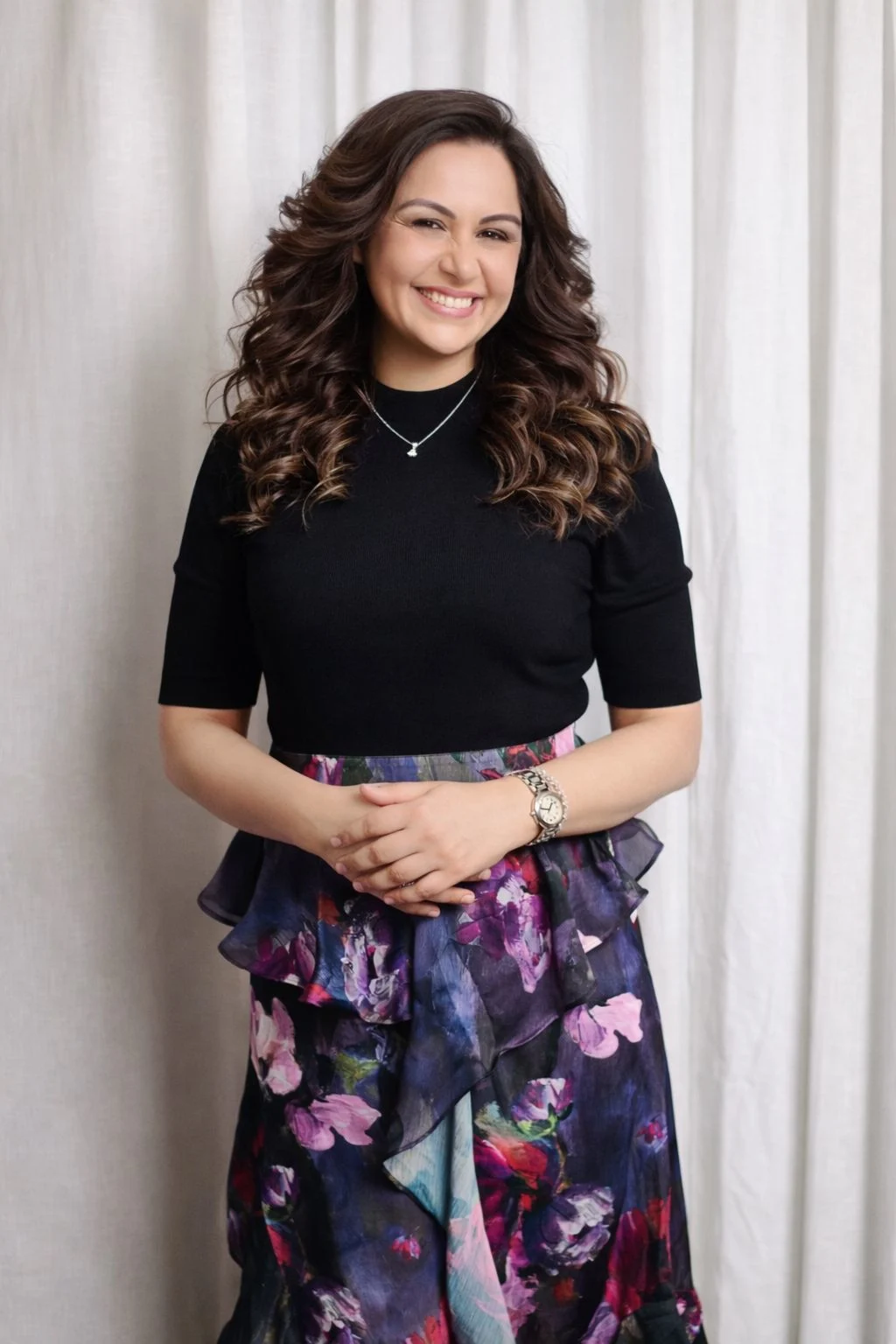
Chaiti Narula
Editorial Director